Loading video…


 21 Concepts
 10.1K views


Video Summary: Restless Leg Syndrome and Night Terrors Explained
Did you know that sleep apnea affects over 22 million Americans, yet many don't realize how it connects to other sleep disorders like restless leg syndrome? Sleep apnea involves repeated breathing interruptions during sleep, often worsening conditions that disrupt rest. Students at UCLA Sleep Medicine Center frequently study how sleep apnea definition encompasses not just breathing problems, but cascading effects on neurological conditions. Understanding what is sleep apnea in detail reveals why treating one sleep disorder often improves others, including Restless Leg Syndrome And Night Terrors Explained in this comprehensive overview. Watch the full video on JoVE Coach to master this concept with expert-led visuals and step-by-step explanations.
Restless leg syndrome (RLS) represents a complex neurological disorder affecting approximately 10% of US adults, with symptoms that can significantly impact academic and professional performance. Unlike simple muscle cramps or fatigue, RLS involves dysregulation of dopamine pathways in the brain's basal ganglia region, the same neural circuits that control voluntary movement and are disrupted in Parkinson's disease. Students studying for the MCAT or AP Psychology exams should understand that this isn't merely discomfort-it's a legitimate neurological condition requiring medical attention.
The syndrome's hallmark symptoms-uncontrollable urges to move the legs accompanied by crawling, burning, or aching sensations-typically emerge during periods of inactivity. This timing isn't coincidental; it reflects the brain's dopamine production cycle, which naturally decreases in the evening hours when symptoms peak.
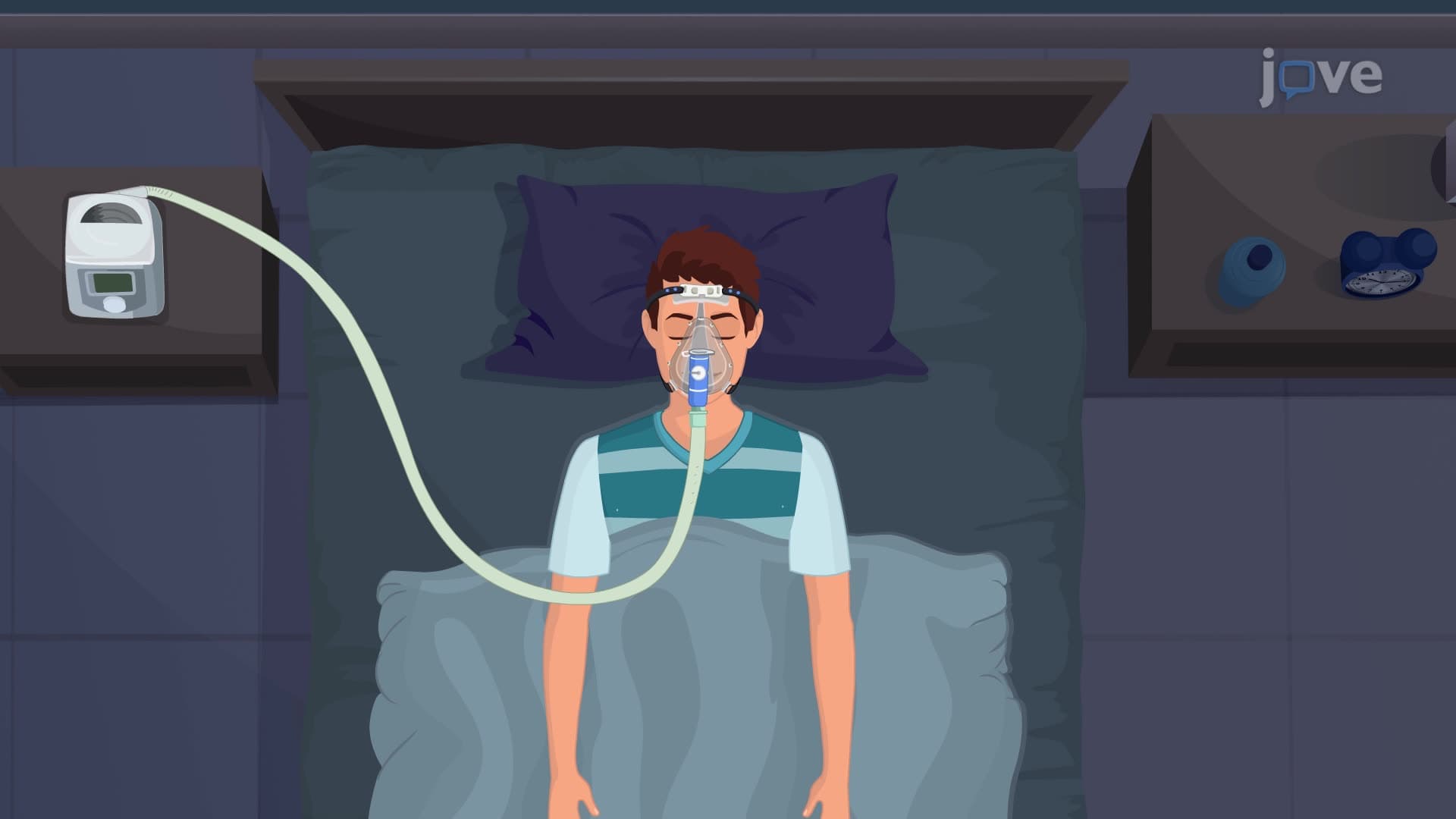
While distinct from RLS, sleep apnea frequently co-occurs with movement disorders, creating a complex web of sleep disruption. Sleep apnea basics involve understanding how breathing interruptions fragment sleep architecture, potentially worsening neurological conditions like RLS. Students preparing for nursing exams like NCLEX or HESI A2 should recognize that sleep apnea concept encompasses more than just snoring-it involves complete cessation of breathing for 10+ seconds, occurring dozens of times nightly.
Research from Johns Hopkins Sleep Disorders Center demonstrates that treating sleep apnea often improves RLS symptoms, suggesting shared underlying mechanisms involving oxygen delivery to neural tissues and inflammatory pathways.
Understanding sleep apnea requires recognizing its metabolic implications. RLS frequently accompanies conditions like chronic kidney disease, iron deficiency anemia, and diabetes-all conditions that can also predispose individuals to sleep apnea. Iron deficiency, affecting 20% of US women, disrupts dopamine synthesis, while diabetes damages peripheral nerves, creating the perfect storm for movement disorders.
For students taking college-level pathophysiology courses, this represents an excellent example of systems-based medicine, where treating one condition requires addressing multiple interconnected pathways.
Modern RLS treatment involves a tiered approach, beginning with lifestyle modifications before progressing to medications. Non-pharmacological interventions-regular exercise, caffeine avoidance, warm baths, and leg massage-often provide significant relief without side effects. These sleep apnea study guide principles apply broadly: good sleep hygiene benefits multiple conditions simultaneously.
When medications become necessary, anticonvulsants like gabapentin offer first-line treatment, leveraging their ability to modulate nerve signal transmission. However, students should understand that benzodiazepines and opioids, while effective, carry significant dependency risks that make them less suitable for long-term management.
Related Micro-courses