Loading video…


 21 Concepts
 10.1K views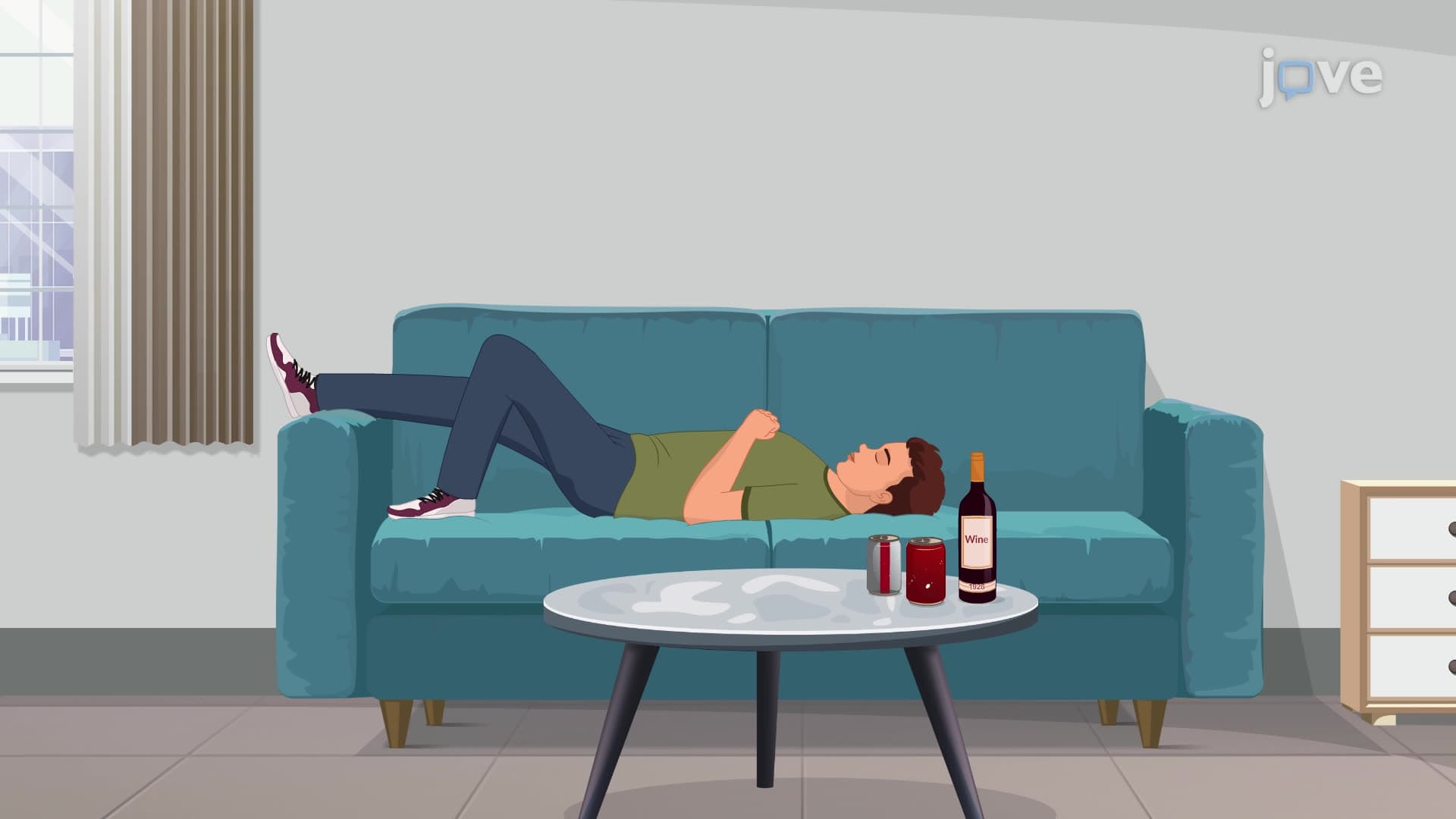

Video Summary: What Is Depressants
Did you know that alcohol-often mistaken for giving you energy at parties-is actually a depressant that slows your brain down? Understanding what depressants are becomes crucial when you realize that combining common medications like Xanax with alcohol sends over 100,000 Americans to emergency rooms annually. Depressants are drugs that reduce brain activity by enhancing inhibitory neurotransmitters, affecting everything from barbiturates used in medical procedures to opioids prescribed for pain management. Watch the full video on JoVE Coach to master this concept with expert-led visuals and step-by-step explanations.
Depressants represent a fundamental drug classification that every student encounters in pharmacology, psychology, and health sciences courses. Unlike their name might suggest, these substances don't necessarily make you feel "depressed" emotionally-instead, they depress or slow down your central nervous system activity. This mechanism occurs through enhancing gamma-aminobutyric acid (GABA), the brain's primary inhibitory neurotransmitter, which acts like a biological "brake pedal" for neural activity.
Barbiturates, once commonly prescribed for anxiety and sleep disorders, represent the original class of medical depressants. Medications like phenobarbital are still used today for seizure control, particularly in epilepsy treatment at major US medical centers like Johns Hopkins and Mayo Clinic. However, their narrow therapeutic window-meaning the difference between an effective dose and a dangerous one-has largely relegated them to specialized medical uses.
Benzodiazepines have largely replaced barbiturates in clinical practice. Medications like Valium (diazepam) and Xanax (alprazolam) are prescribed millions of times annually in the United States for anxiety disorders, panic attacks, and muscle spasms. These drugs work by binding to specific GABA receptor sites, amplifying the neurotransmitter's calming effects while maintaining better safety profiles than their barbiturate predecessors.
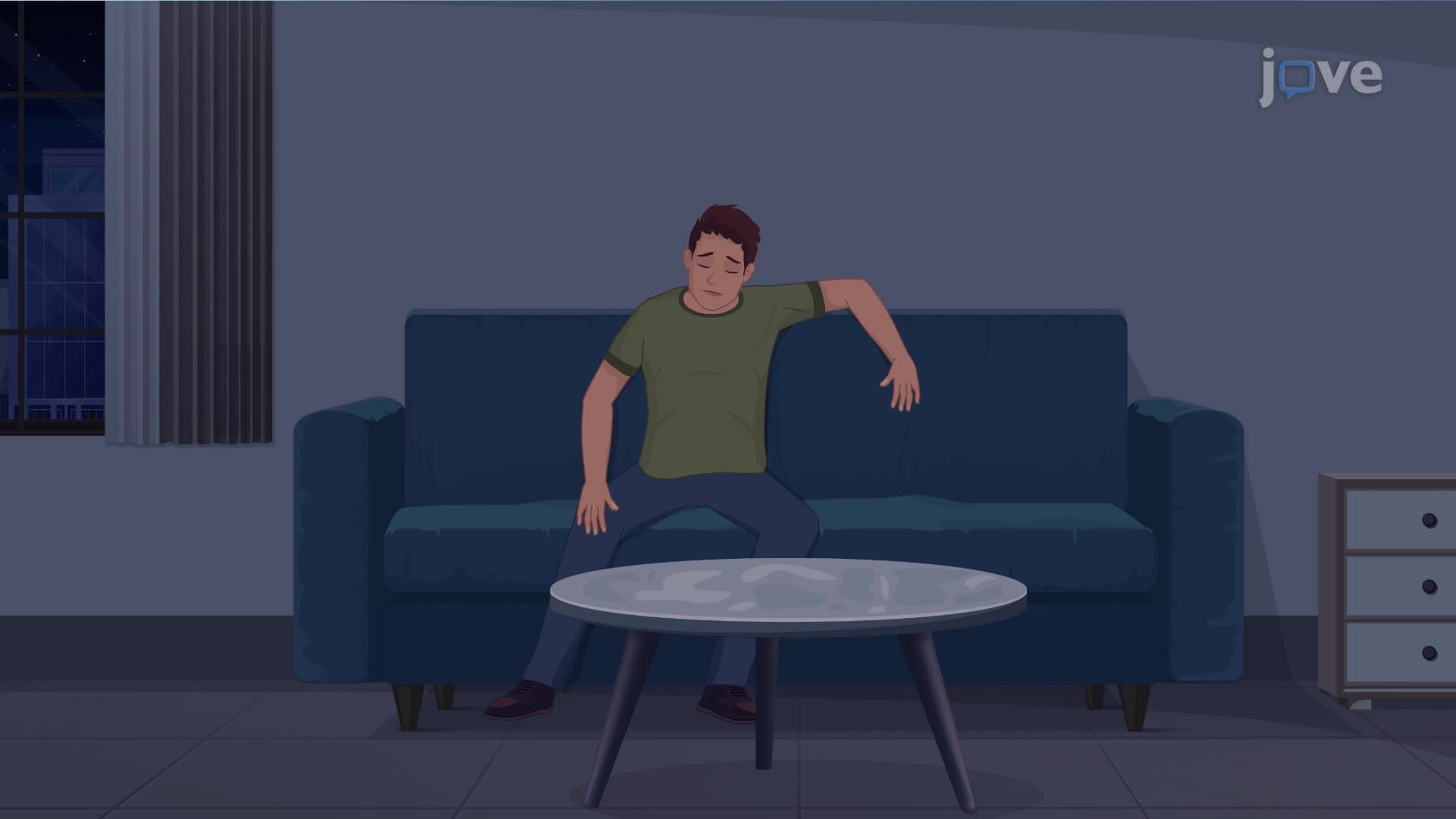
Perhaps the most misunderstood depressant is alcohol. Many students preparing for AP Psychology or college-level courses struggle with this concept because alcohol initially appears stimulating-people become talkative, lose inhibitions, and seem energized. However, alcohol's primary action involves depressing inhibitory brain centers first, creating a paradoxical disinhibition effect. As consumption continues, alcohol's depressant effects become more apparent through impaired coordination, slurred speech, and eventually respiratory depression.
The most dangerous aspect of depressants involves their synergistic effects when combined. When a patient takes a benzodiazepine like Ativan for anxiety and then consumes alcohol, both substances compete for the same metabolic pathways while simultaneously enhancing each other's depressant effects. This combination accounts for thousands of emergency department visits annually across US hospitals, with symptoms ranging from severe sedation to respiratory failure requiring mechanical ventilation.
Related Micro-courses