Loading subject page…


10,082 views


Video Summary: What Is Insomnia
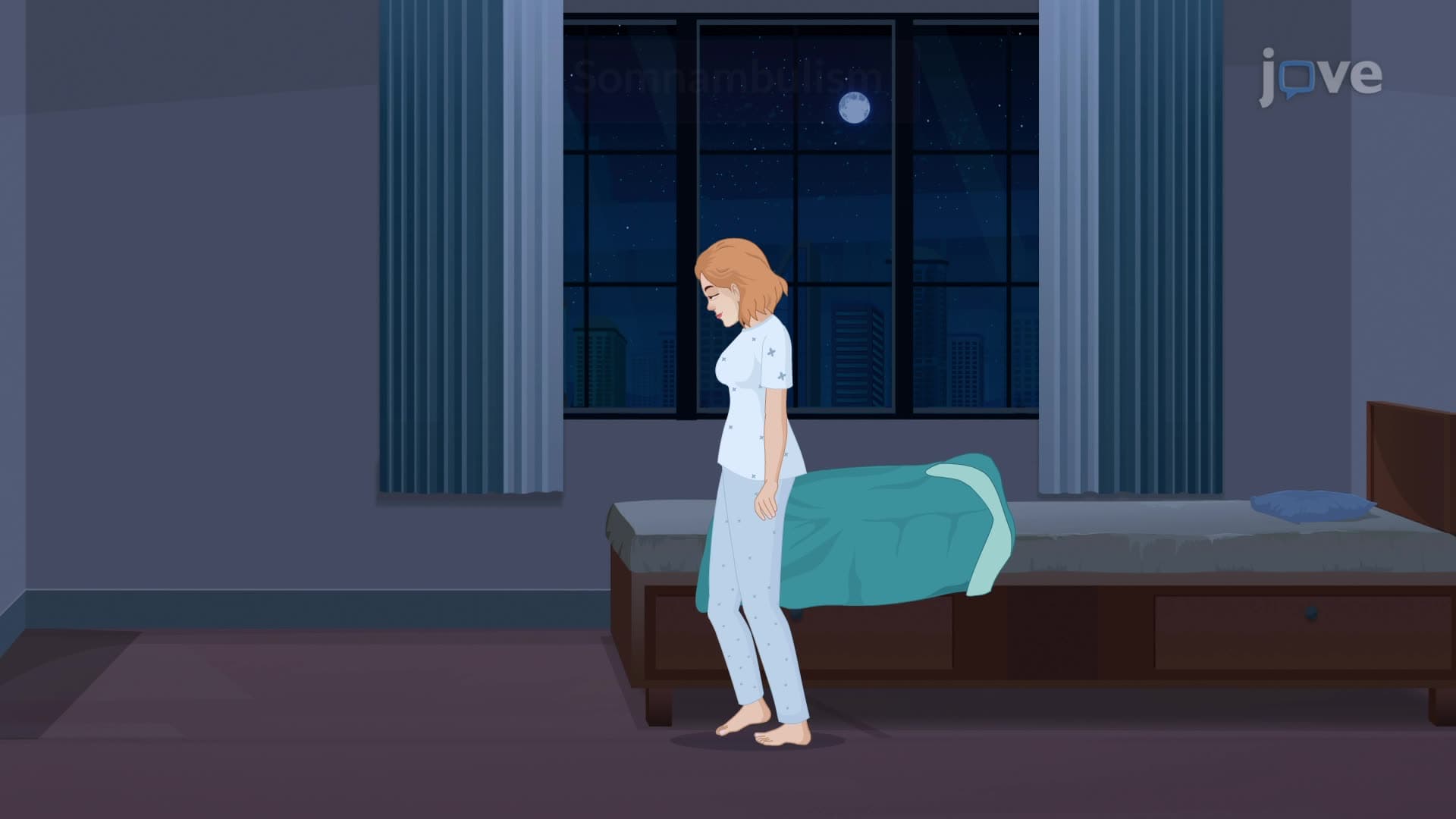
Did you know that nearly 30% of American adults experience insomnia symptoms, making it one of the most prevalent health issues affecting students during exam periods? Sleepwalking and sleep talking represent fascinating parasomnia disorders that occur during different sleep stages, while insomnia fundamentally disrupts the ability to achieve restful sleep altogether. Consider how Stanford University students report increased sleep difficulties during finals week, directly impacting academic performance and cognitive function. What is insomnia becomes a critical question when examining how sleep disorders affect millions of Americans daily. Watch the full video on JoVE Coach to master this concept with expert-led visuals and step-by-step explanations.
Insomnia represents a complex sleep disorder characterized by persistent difficulties with sleep initiation, maintenance, or quality despite adequate opportunity for sleep. Unlike sleepwalking and sleep talking, which occur during specific sleep stages, insomnia fundamentally disrupts the entire sleep architecture. The American Academy of Sleep Medicine defines insomnia using specific diagnostic criteria that distinguish between acute presentations (symptoms occurring at least three nights weekly for under three months) and chronic manifestations (same frequency persisting three months or longer).
This classification system proves essential for healthcare providers treating patients at institutions like Johns Hopkins Sleep Disorders Center, where specialists differentiate between transient sleep disturbances and persistent insomnia requiring comprehensive intervention. Students preparing for the MCAT or nursing licensure examinations (NCLEX) must understand these temporal distinctions, as they frequently appear in clinical vignettes testing diagnostic reasoning skills.
Research conducted by the National Sleep Foundation reveals striking demographic patterns in insomnia prevalence across American populations. Women experience insomnia at rates nearly twice those of men, particularly during hormonal transition periods including menopause. This gender disparity becomes pronounced in clinical settings like Mayo Clinic's Women's Health programs, where specialists address sleep disruption alongside hormonal therapies.
Age-related insomnia prevalence increases significantly among older adults, affecting approximately 40-50% of individuals over 65 years. Unlike sleepwalking and sleep talking, which typically decrease with age, insomnia often intensifies due to medical comorbidities, medication effects, and age-related circadian rhythm changes. Students studying gerontology or preparing for healthcare certification exams must recognize these epidemiological patterns.
Multiple interconnected factors contribute to insomnia development, creating a complex web of psychological, physiological, and environmental influences. Stress responses activate the hypothalamic-pituitary-adrenal axis, elevating cortisol levels that directly interfere with natural sleep onset mechanisms. This stress-sleep relationship becomes particularly relevant during high-pressure periods like SAT preparation or college finals.
Lifestyle factors including excessive caffeine consumption (prevalent among American college students averaging 200-300mg daily) and irregular sleep schedules disrupt circadian rhythm synchronization. Medical conditions such as gastroesophageal reflux disease (GERD), cardiovascular disorders, and chronic pain syndromes create physiological barriers to restful sleep, distinguishing insomnia from behavioral parasomnias like sleepwalking and sleep talking.
Cognitive-behavioral therapy for insomnia (CBT-I) represents the gold standard treatment approach, demonstrating superior long-term efficacy compared to pharmacological interventions alone. Programs implemented at institutions like Stanford Sleep Medicine Center utilize structured protocols teaching sleep restriction, stimulus control, and cognitive restructuring techniques. These evidence-based approaches prove particularly effective for college students experiencing academic stress-related insomnia.
Sleep hygiene education encompasses environmental modifications, timing considerations, and behavioral adjustments that support natural circadian rhythms. Advanced treatment options including light therapy and melatonin supplementation provide targeted interventions for circadian rhythm disorders underlying chronic insomnia presentations.
Related Micro-courses