Loading subject page…


10,082 views
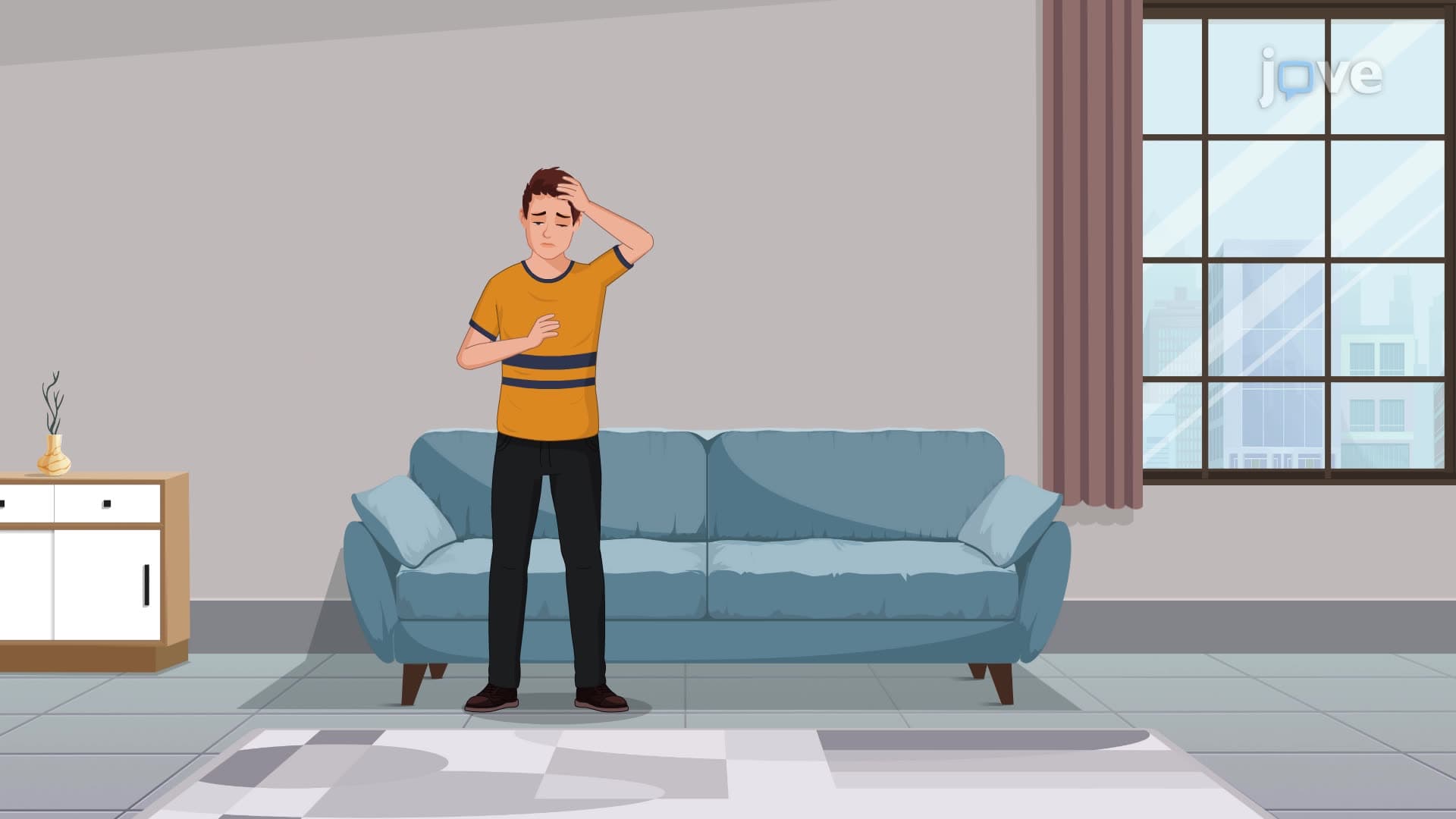

Video Summary: What Is Narcolepsy
While most people struggle to stay awake during boring lectures, imagine falling asleep mid-conversation or while standing up. Nightmares and night terrors represent just one aspect of complex sleep disorders, but narcolepsy creates a different challenge entirely. Students at Stanford University have participated in groundbreaking narcolepsy research, helping scientists understand how this condition causes people to enter REM sleep instantly during the day. What is narcolepsy involves uncontrolled daytime sleepiness, muscle weakness episodes, and vivid hallucinations that can significantly impact daily life. Watch the full video on JoVE Coach to master this concept with expert-led visuals and step-by-step explanations.
Narcolepsy represents one of the most misunderstood neurological conditions affecting approximately 200,000 Americans. Unlike the nightmares and night terrors definition that focuses on disturbing dream content, narcolepsy involves a fundamental dysfunction in sleep-wake regulation. This chronic disorder stems from the brain's inability to properly control sleep cycles, particularly the transition into rapid eye movement (REM) sleep.
The condition typically manifests during teenage years, making it particularly relevant for high school students preparing for AP Psychology or college-bound students taking the MCAT. Understanding what is nightmares and night terrors in detail helps distinguish these episodic events from narcolepsy's persistent symptoms.
Excessive Daytime Sleepiness (EDS) represents the hallmark symptom, forcing individuals to sleep at inappropriate times. Students with narcolepsy might fall asleep during SAT testing or college lectures, despite adequate nighttime sleep. This differs significantly from typical teenage sleepiness patterns.
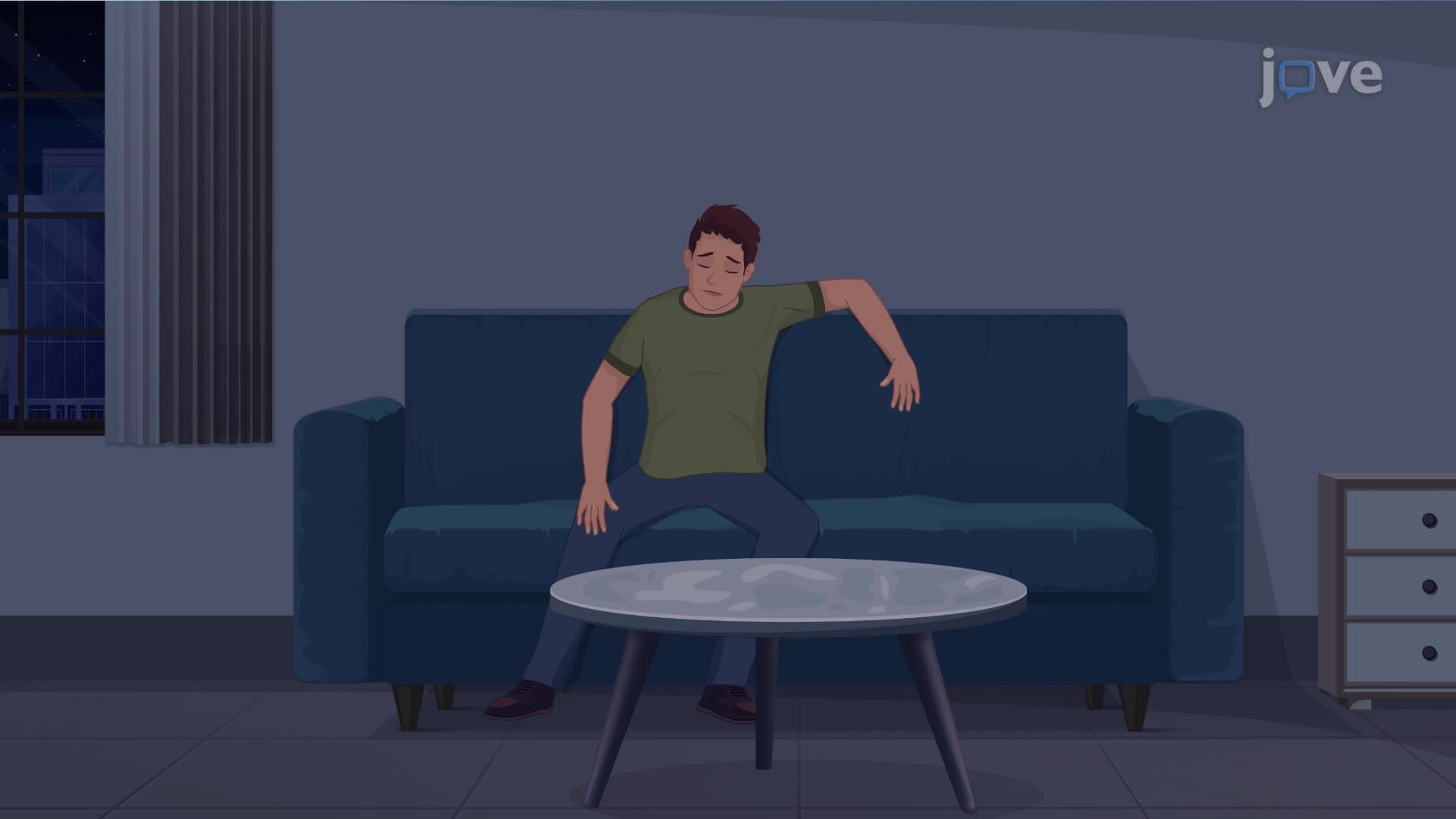
Cataplexy involves sudden muscle weakness triggered by intense emotions. When a student with narcolepsy laughs at a funny joke, their knees might buckle, or their head might drop forward. This nightmares and night terrors overview comparison helps illustrate how narcolepsy affects waking consciousness rather than dream states.
Sleep Paralysis occurs when the mind awakens but the body remains in REM sleep's natural muscle paralysis. Unlike the brief confusion following nightmares and night basics, this paralysis can last several minutes while the person remains fully conscious and aware of their surroundings.
Hypnagogic Hallucinations create vivid, often frightening sensory experiences during sleep transitions. These differ from the nightmares and night terrors concept because they occur while falling asleep rather than during established sleep stages.
For students pursuing healthcare careers, understanding narcolepsy proves essential for USMLE Step 1 preparation and NCLEX examinations. The Mayo Clinic and Stanford Sleep Disorders Clinic have established diagnostic criteria requiring multiple sleep latency tests (MSLT) showing REM sleep onset within 15 minutes.
This nightmares and night terrors study guide comparison emphasizes how narcolepsy represents a chronic neurological condition rather than episodic sleep disturbances. Students studying for AP Biology or college neuroscience courses should understand the orexin/hypocretin pathway dysfunction underlying narcolepsy pathophysiology.
The FDA has approved medications like modafinil and sodium oxybate for managing narcolepsy symptoms. Students at universities like Harvard and Johns Hopkins participate in ongoing research investigating new therapeutic approaches. Understanding nightmares and night terrors provides context for distinguishing treatment approaches, as narcolepsy requires chronic medication management rather than behavioral interventions alone.
Related Micro-courses