Loading video…


 21 Concepts
 10.1K views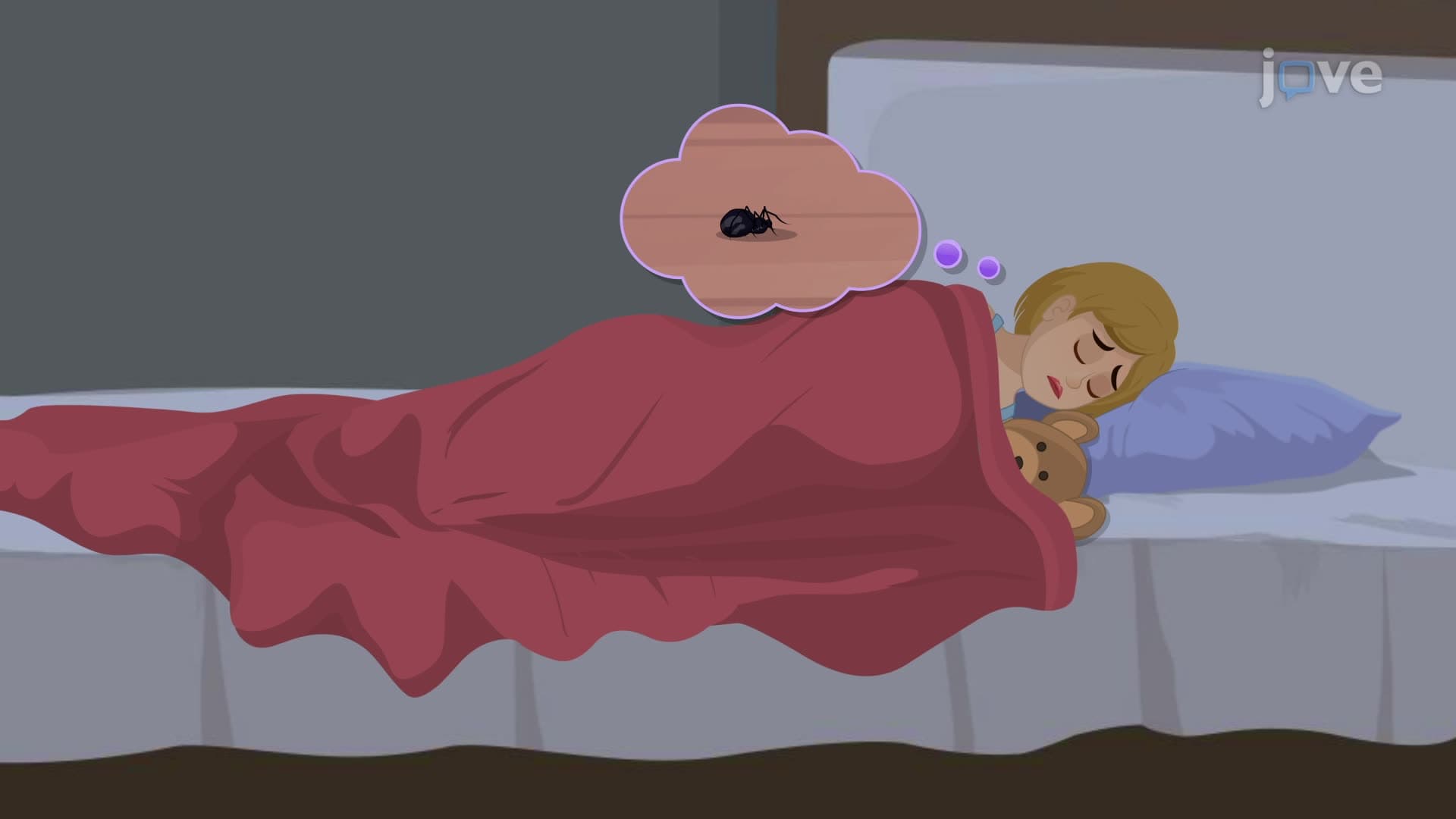

Video Summary: What Is Nightmares and Night Terrors
Did you know that the terrifying scream echoing through a UCLA dormitory at 2 AM might not be from a nightmare, but something called a night terror? While substance use disorders affecting sleep can complicate these experiences, understanding the fundamental differences between nightmares and night terrors is crucial for recognizing normal versus concerning sleep patterns. These distinct sleep phenomena affect millions of Americans differently based on sleep stages and consciousness levels. Watch the full video on JoVE Coach to master this concept with expert-led visuals and step-by-step explanations.
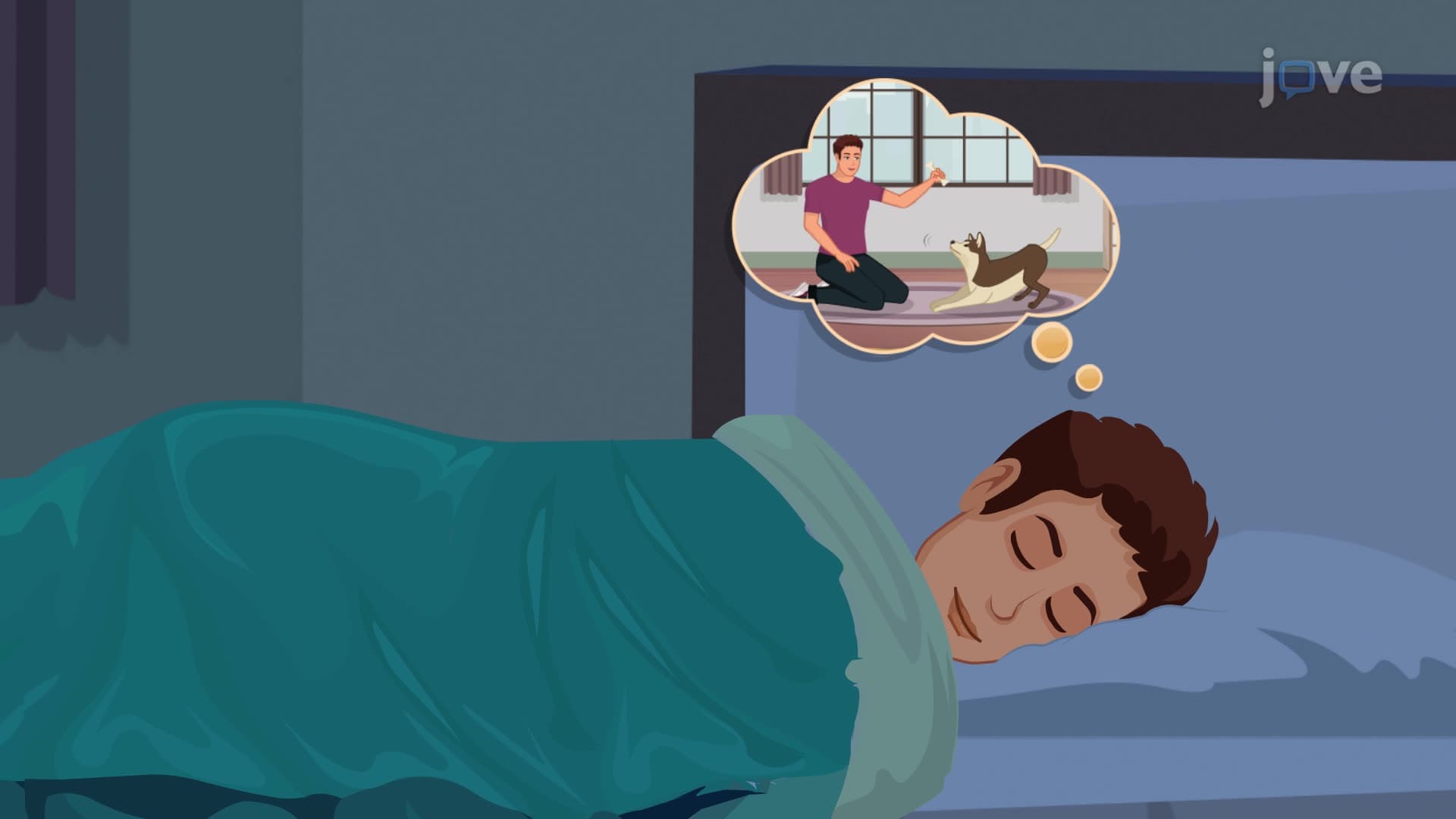
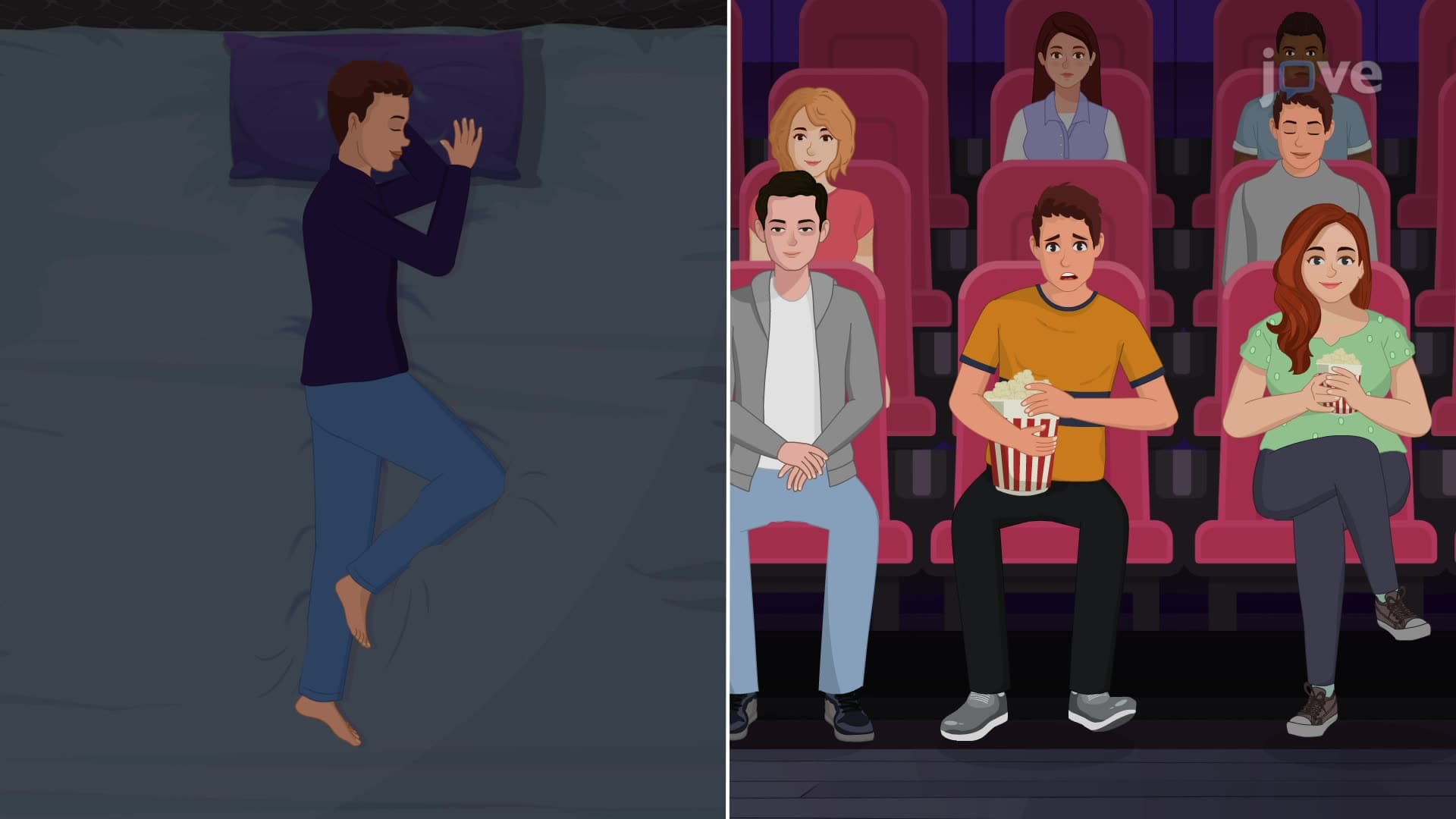
Nightmares and night terrors represent two fundamentally different categories of sleep disturbances that affect millions of Americans. These parasomnias occur during distinct sleep stages and manifest with markedly different characteristics. Nightmares emerge during Rapid Eye Movement (REM) sleep, typically in the latter half of the sleep cycle when REM periods are longest and most intense. During REM sleep, the brain exhibits high activity levels similar to wakefulness, enabling vivid dream formation and detailed memory consolidation.
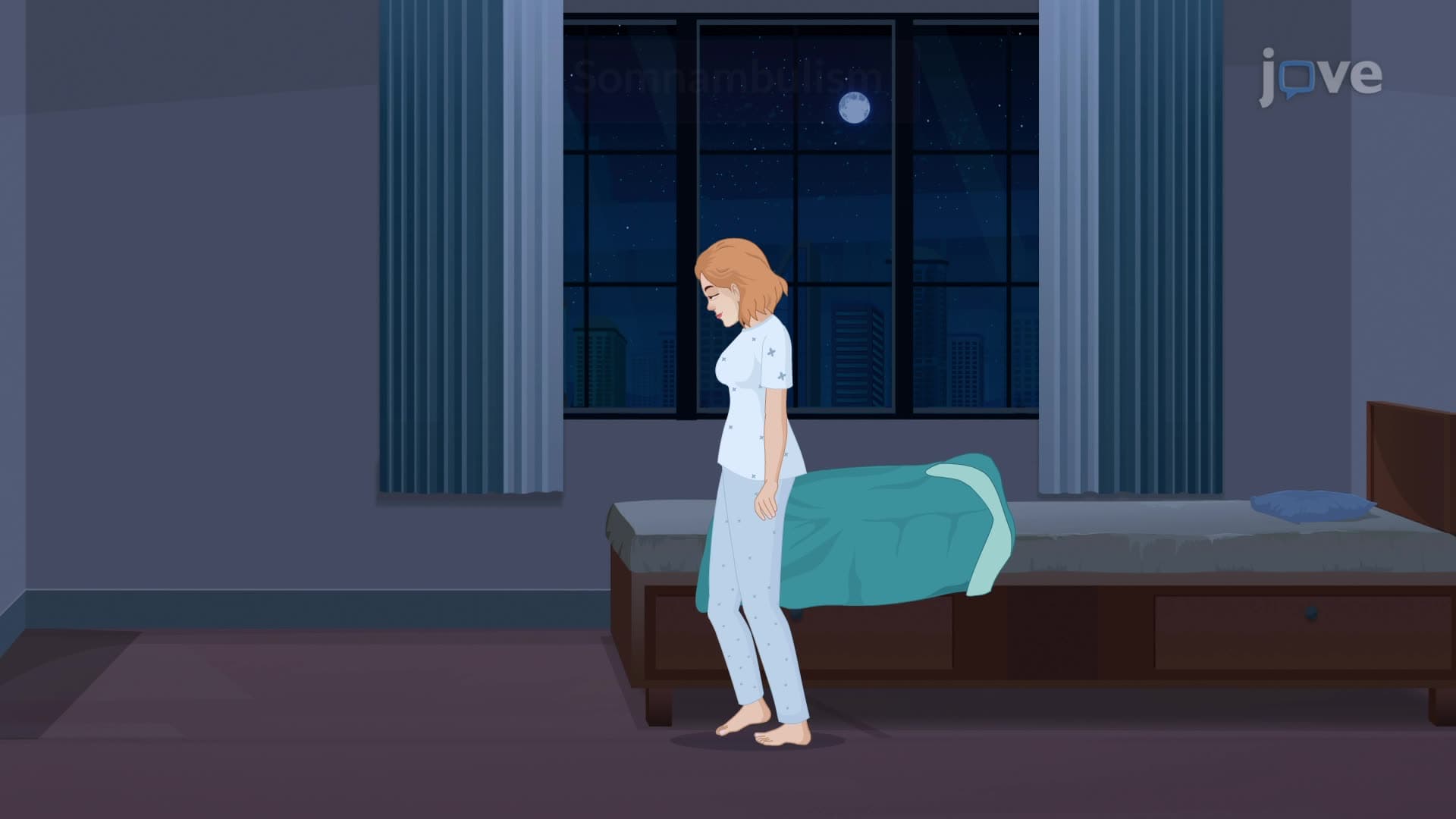
Night terrors, conversely, arise during non-REM sleep, specifically during the deepest stages of slow-wave sleep (Stage 3). This occurs predominantly in the first third of the sleep cycle when slow-wave sleep is most prominent. The brain's reduced cortical activity during non-REM sleep explains why night terror episodes are rarely remembered, contrasting sharply with the vivid recall typical of nightmares.
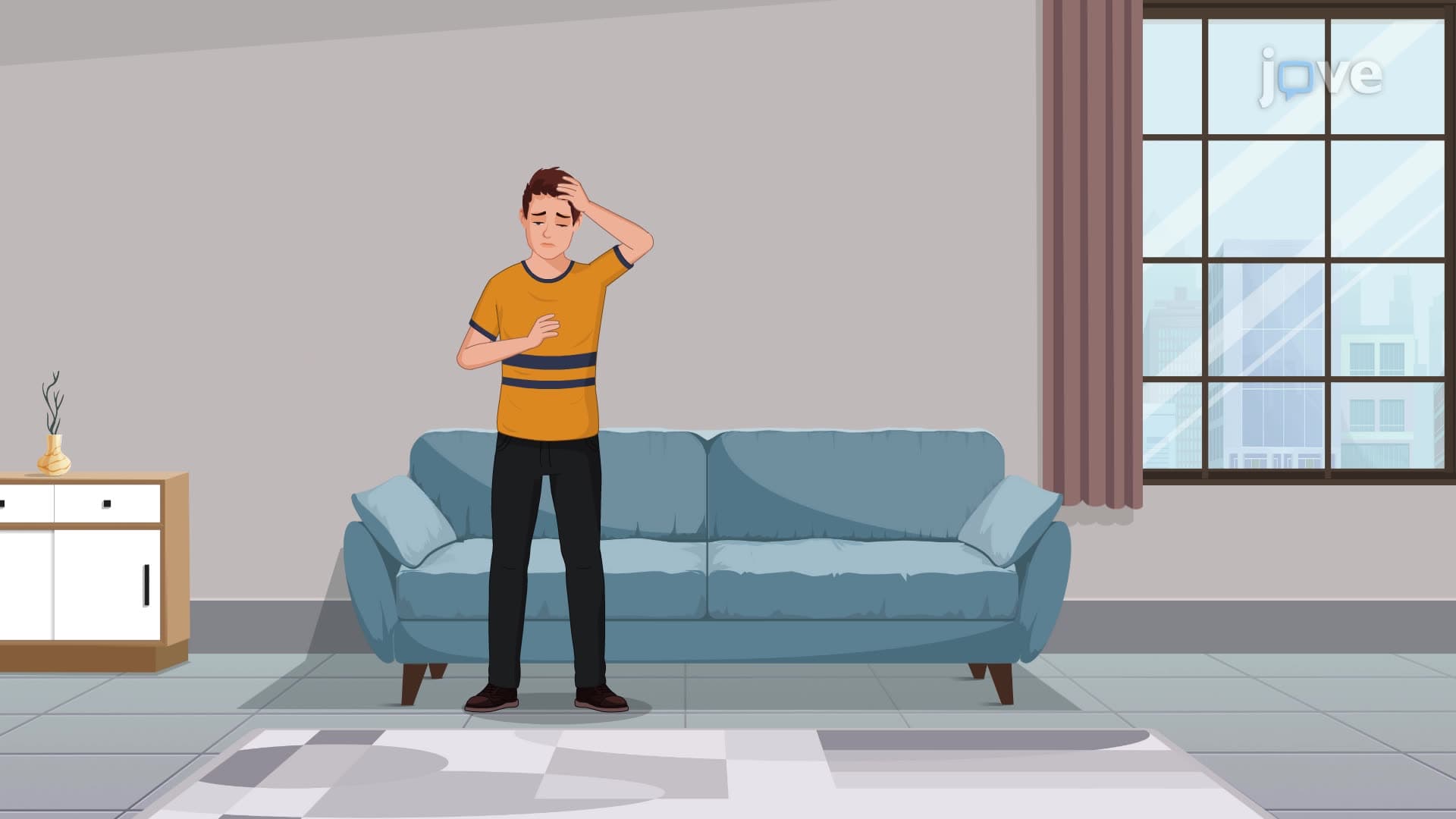
The presentation of these sleep disturbances varies significantly. Nightmare sufferers typically awaken fully alert with detailed dream recall, experiencing anxiety but maintaining normal physiological parameters. A Stanford University sleep study found that nightmare frequency peaks during adolescence, affecting approximately 85% of college students occasionally. Night terror episodes involve dramatic physiological arousal-screaming, profuse sweating, rapid heart rate reaching 120-160 beats per minute, and dilated pupils-yet the individual remains largely unresponsive to external stimuli.
Demographically, night terrors predominantly affect children aged 3-8 years, with prevalence rates of 1-6% in pediatric populations. The Mayo Clinic reports that most children outgrow night terrors by adolescence. However, adult-onset night terrors, affecting roughly 0.5% of adults, often correlate with severe psychological stress or underlying medical conditions.
Nightmare triggers frequently involve psychological factors: academic stress (particularly during AP exam periods), relationship conflicts, or traumatic experiences. Harvard Medical School research indicates that post-traumatic stress disorder affects 3.5% of American adults annually, with nightmares being a hallmark symptom. Students preparing for high-stakes examinations like the MCAT or nursing entrance exams often report increased nightmare frequency.
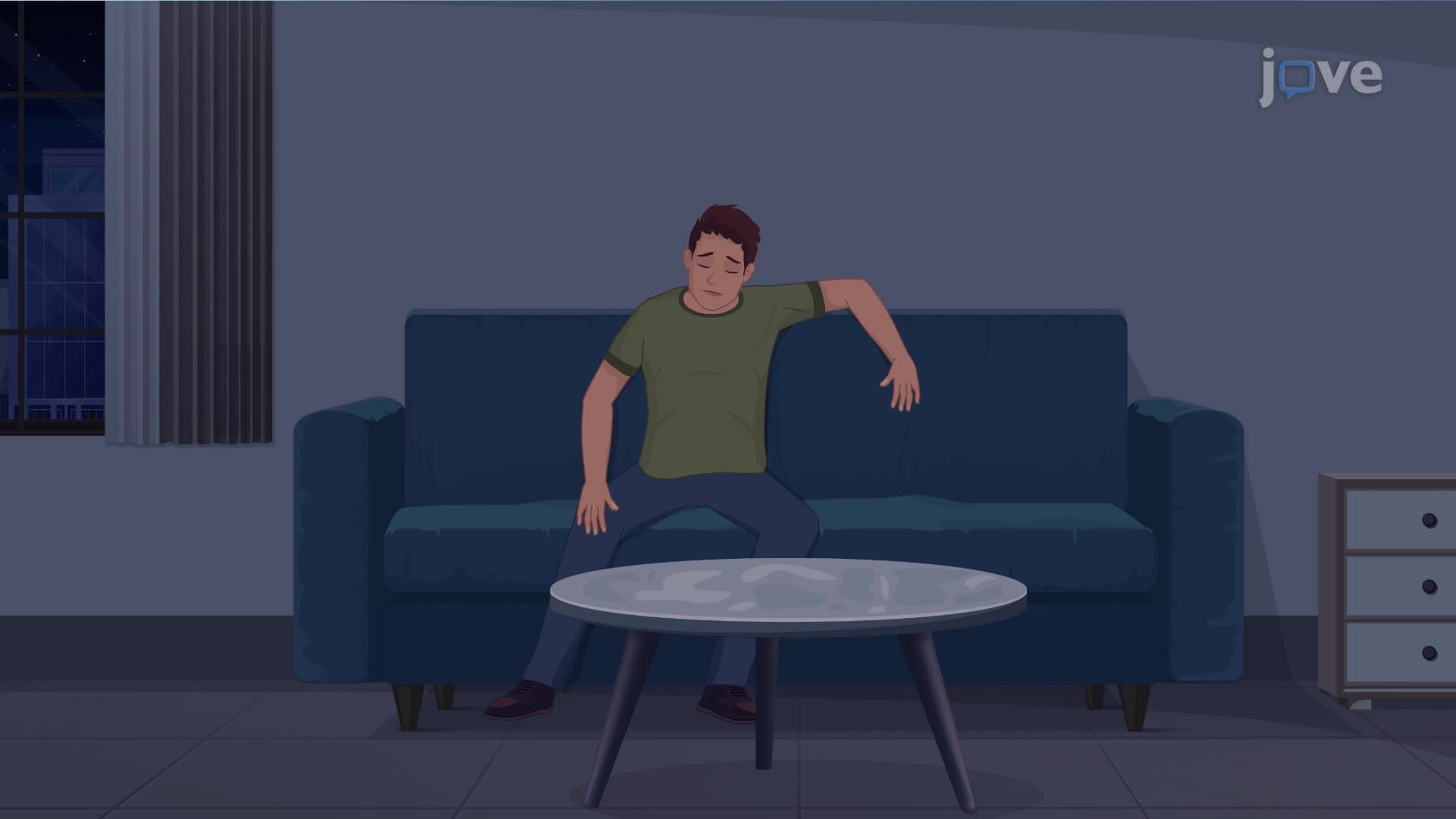
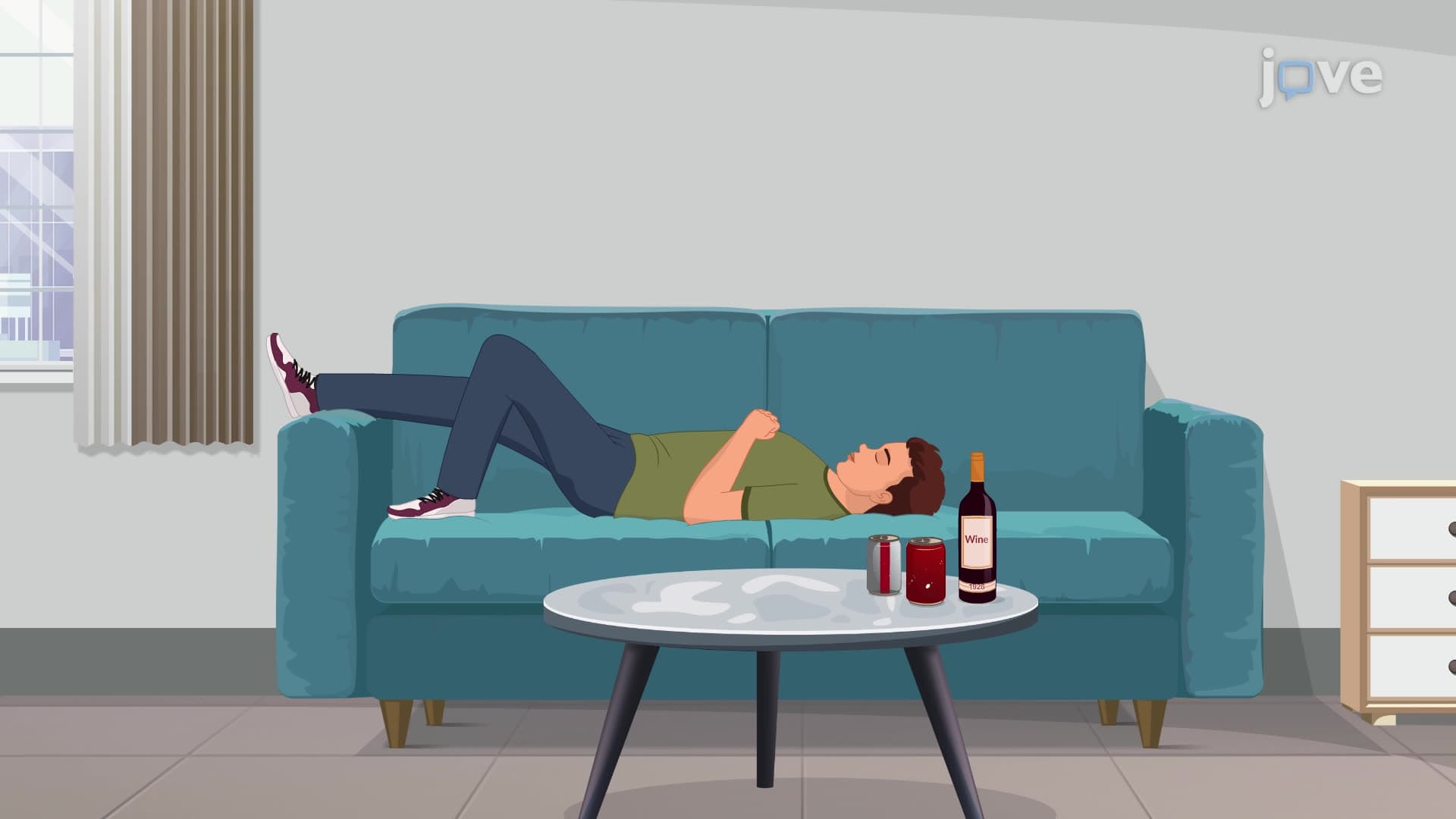
Night terror triggers are primarily physiological: sleep deprivation (common among college students averaging 6.5 hours nightly), fever, irregular sleep schedules, and certain medications. The American Academy of Sleep Medicine identifies sleep debt as a primary precipitating factor, particularly relevant for students balancing academic demands with part-time employment.
Treatment strategies differ markedly between conditions. Nightmare management focuses on stress reduction techniques, cognitive behavioral therapy, and addressing underlying psychological issues. Sleep hygiene improvements and imagery rehearsal therapy show significant efficacy in clinical trials conducted at institutions like Johns Hopkins University.
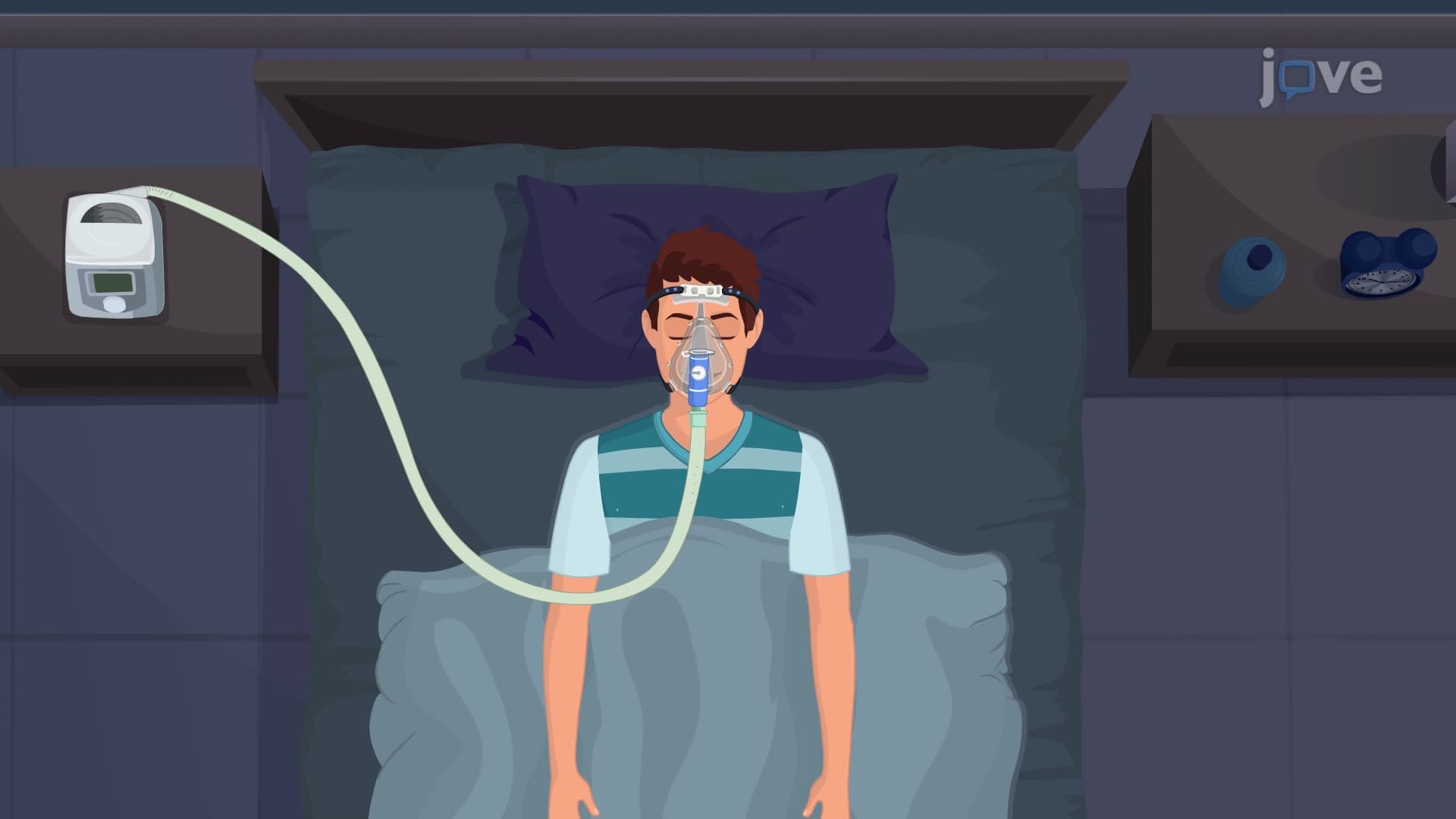
Night terror management emphasizes safety measures and trigger avoidance. Parents of affected children should secure the sleep environment, maintain consistent bedtimes, and ensure adequate sleep duration. For adults experiencing frequent episodes, medical evaluation may reveal underlying conditions such as sleep apnea or medication side effects requiring specific interventions.
Related Micro-courses