Loading video…


 21 Concepts
 10.1K views

Video Summary: What Is Rem Sleep Behavior Disorder
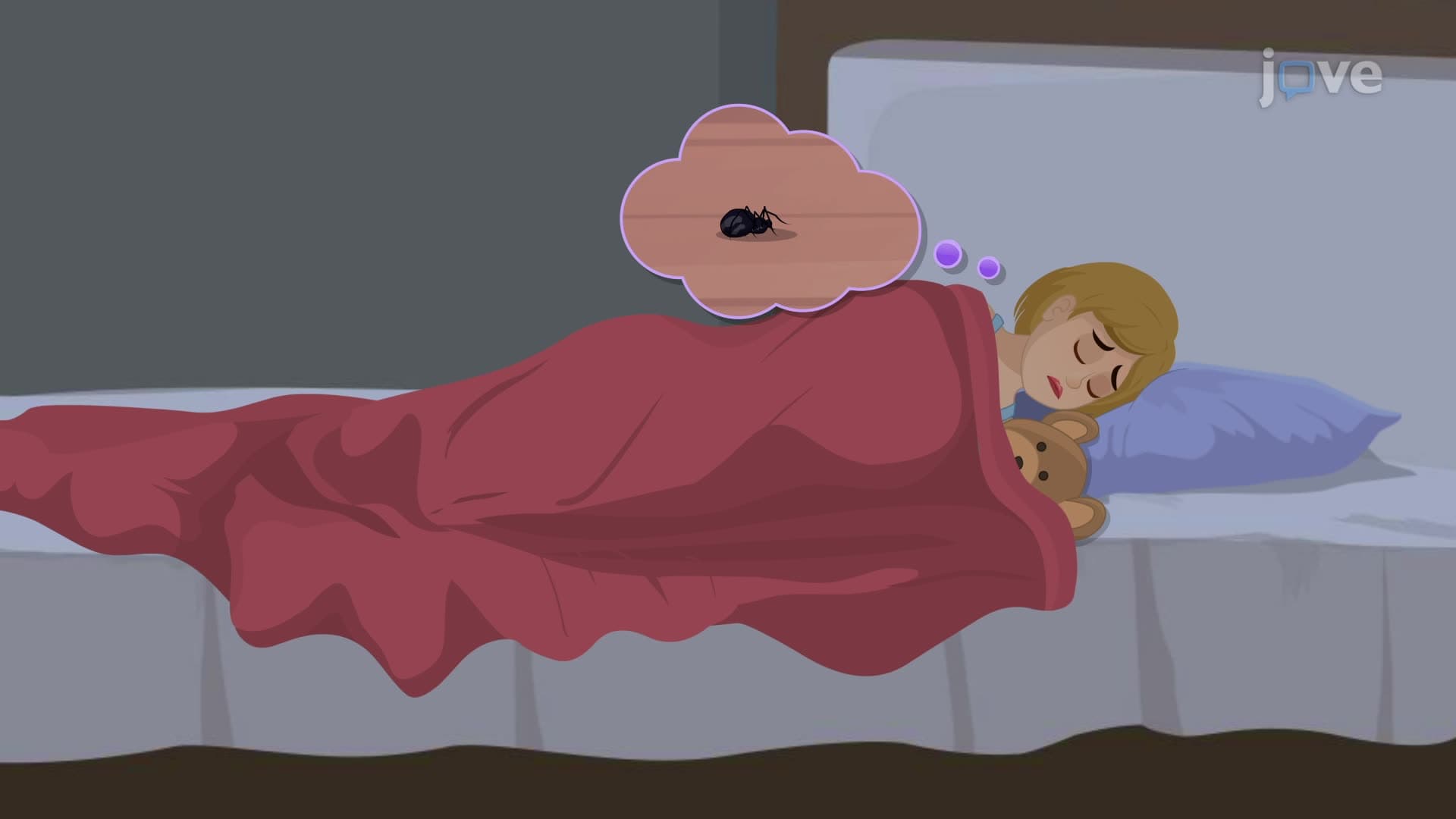
Imagine violently kicking your bed partner while dreaming about defending yourself from an attacker-yet having no memory of it the next morning. This describes restless leg syndrome and night terrors in REM Sleep Behavior Disorder (RBD), where normal muscle paralysis during dreams fails completely. At Johns Hopkins Sleep Center, neurologists regularly diagnose this condition in patients who act out vivid dreams, often as an early warning sign of Parkinson's disease. Watch the full video on JoVE Coach to master this concept with expert-led visuals and step-by-step explanations.
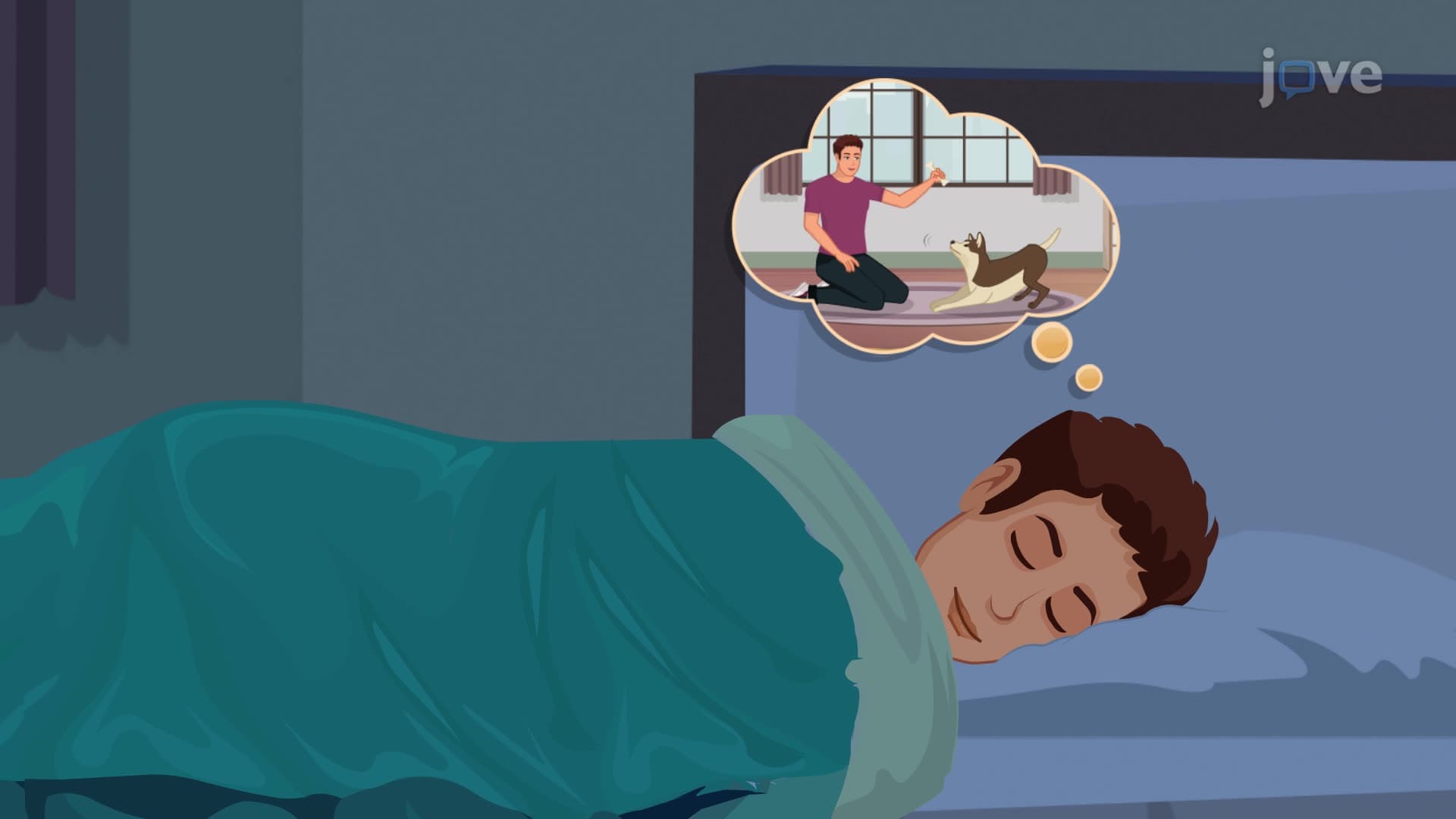
REM Sleep Behavior Disorder represents a fascinating intersection of neuroscience and sleep medicine that frequently appears on MCAT passages and AP Psychology exams. Unlike typical restless leg syndrome and night terrors that occur during lighter sleep stages, RBD specifically disrupts the deepest dream phase. During normal REM sleep, the brainstem releases neurotransmitters like GABA and glycine that essentially "disconnect" voluntary muscles from dream content. When this protective mechanism fails, patients physically act out their dreams with remarkable precision.
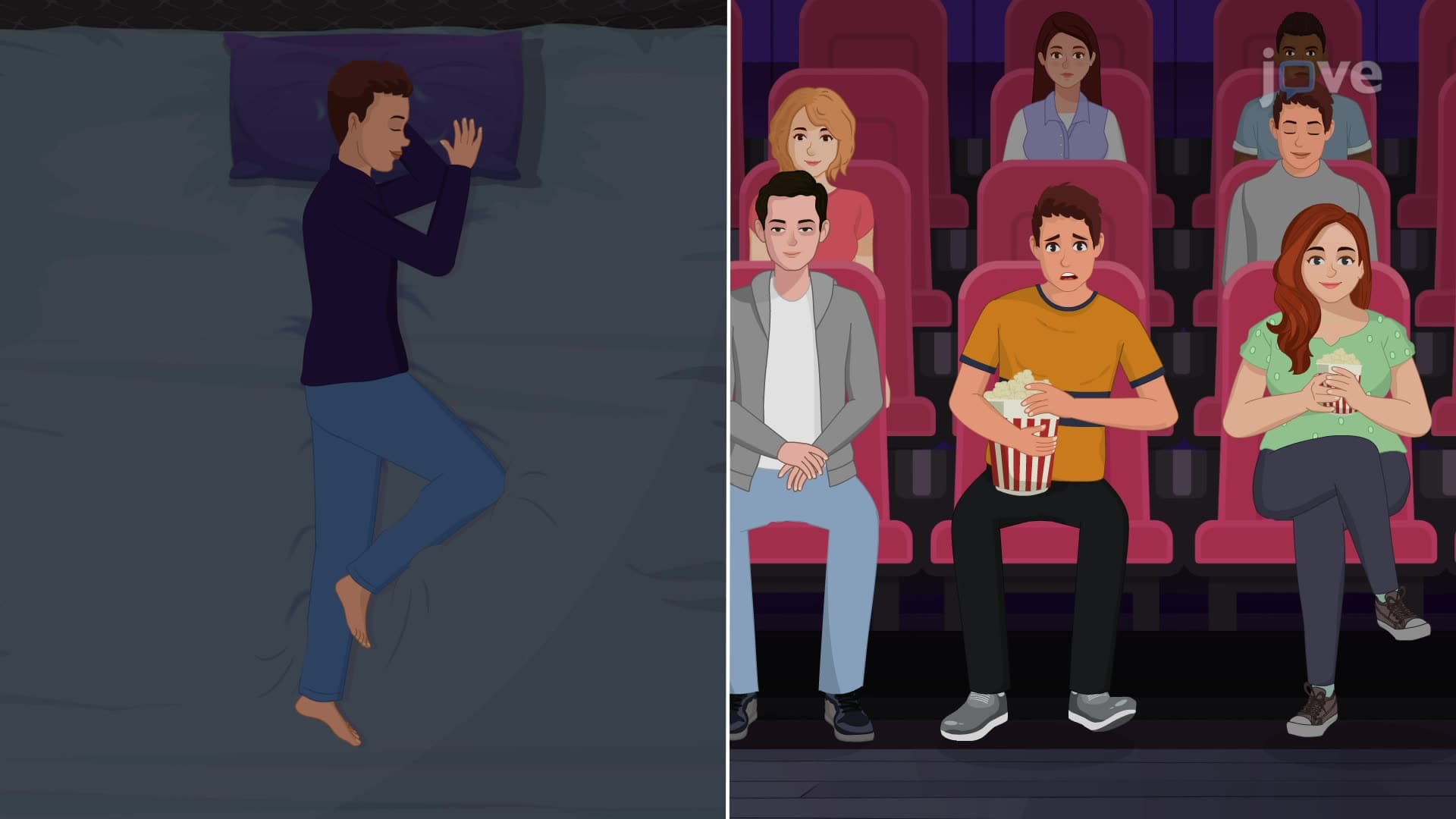
The restless leg syndrome and night terrors tutorial reveals that RBD stems from dysfunction in the pons region of the brainstem. Specifically, the sublaterodorsal nucleus and adjacent areas fail to maintain proper REM atonia (muscle paralysis). This creates a dangerous situation where dream content directly translates into physical movement. Stanford Sleep Medicine researchers have documented cases where patients perfectly mimic dream actions-from playing imaginary piano to defending against dream attackers-all while remaining fully asleep.
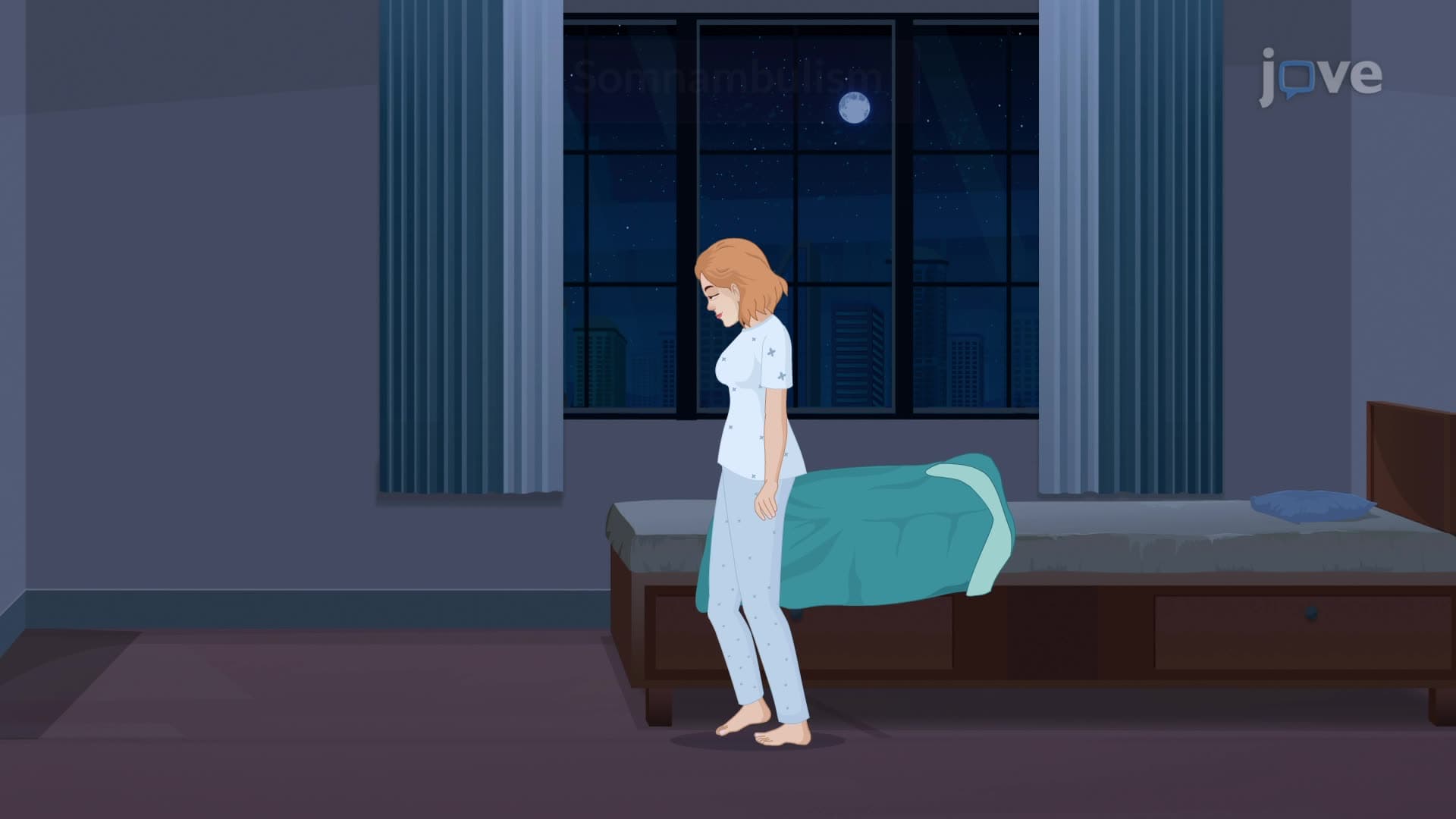
How restless leg syndrome and night terrors works in RBD differs significantly from other parasomnias. Unlike sleepwalking (which occurs in non-REM stages), RBD episodes happen during the second half of the night when REM sleep dominates. The Mayo Clinic reports that 85% of RBD patients are men over 55, though younger cases are increasingly recognized. Episodes often involve complex, purposeful movements rather than simple repetitive actions, distinguishing RBD from conditions like periodic limb movement disorder.
Cleveland Clinic neurologists typically prescribe clonazepam (0.25-2mg nightly) as first-line treatment, achieving symptom control in approximately 90% of patients. The restless leg syndrome and night terrors concept extends beyond medication to include comprehensive safety planning. Bedroom modifications include removing sharp objects, padding furniture corners, and sometimes sleeping in separate beds. Melatonin supplementation (3-12mg) offers an alternative for patients intolerant of benzodiazepines, working through different mechanisms to stabilize REM sleep architecture.
Related Micro-courses