Loading video…


 21 Concepts
 10.1K views

Video Summary: What Is Sleepwalking and Sleep Talking
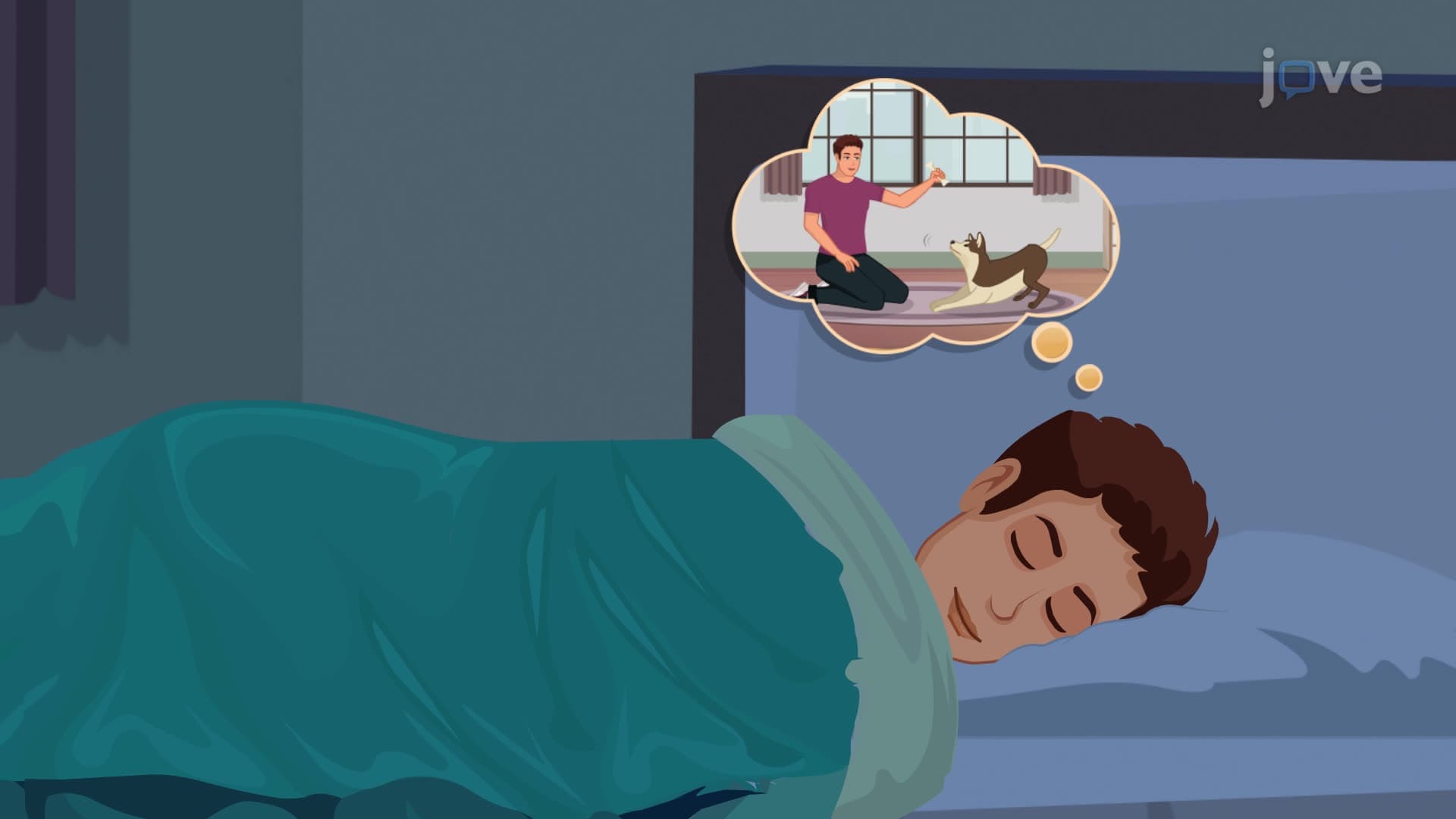
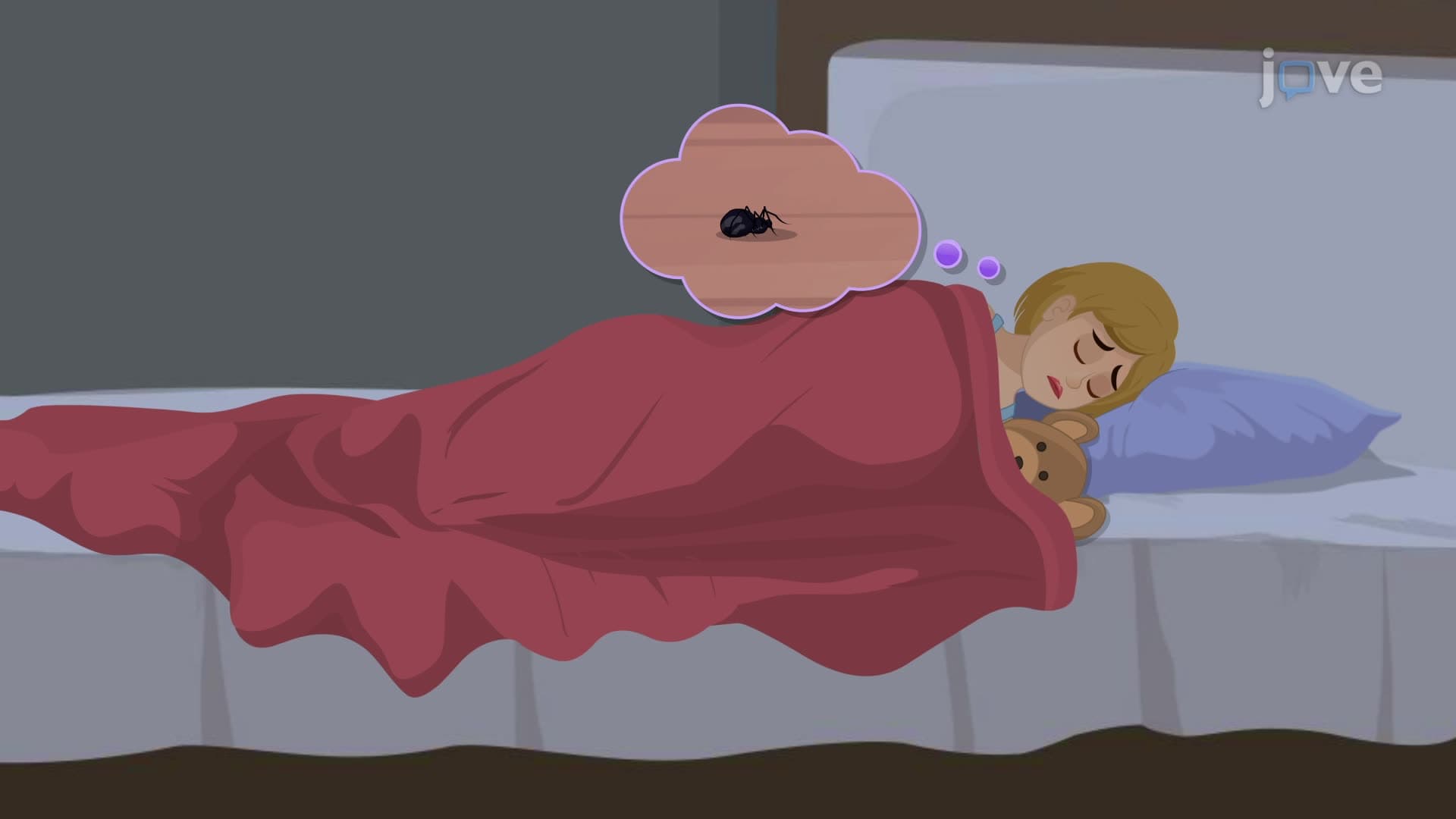
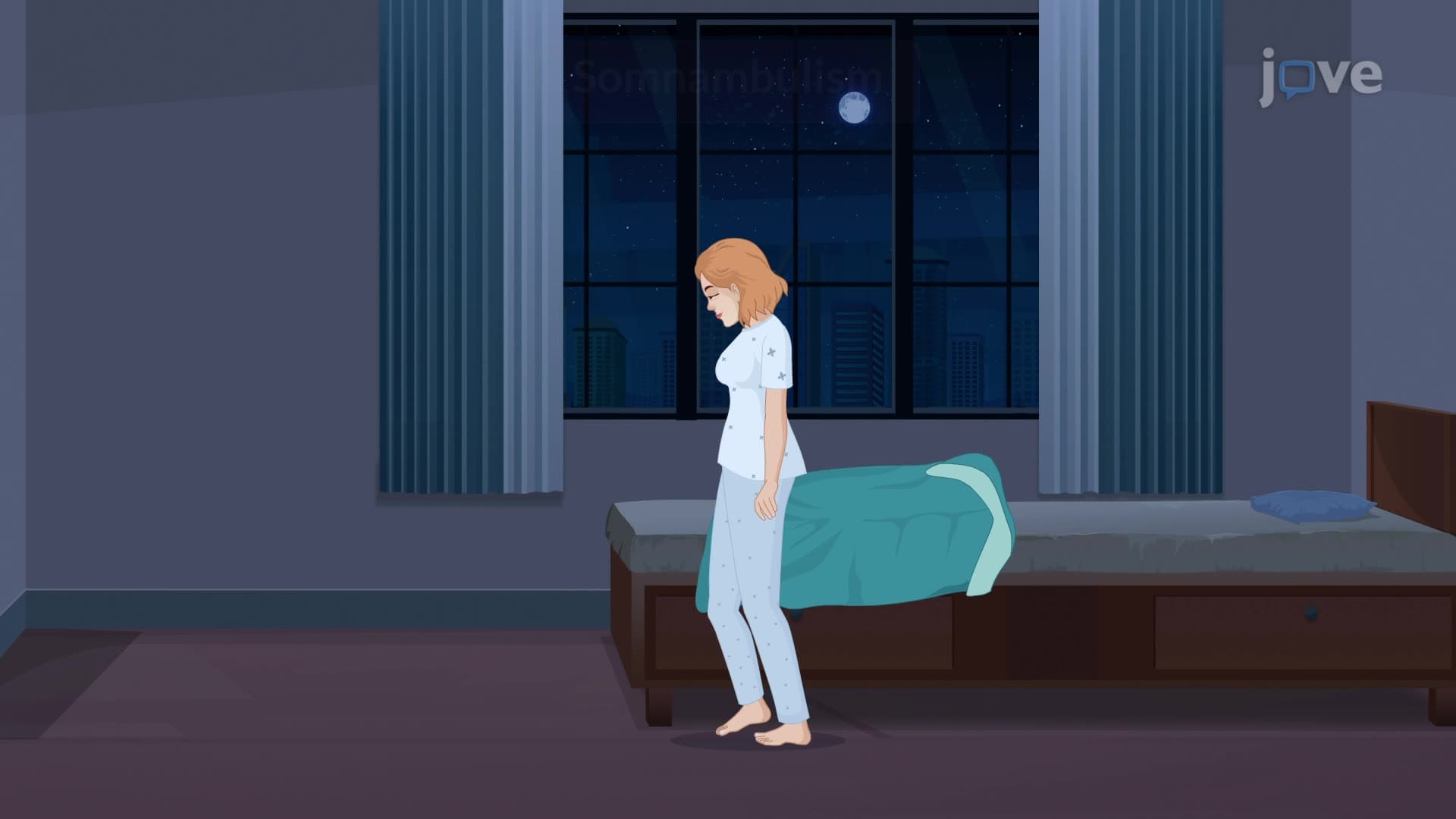
Did you know that REM sleep behavior disorder can cause people to physically act out their dreams, sometimes leading to dangerous situations? While sleepwalking occurs during non-REM deep sleep stages, REM sleep behavior disorder definition involves the loss of normal muscle paralysis during REM sleep. For instance, patients at Johns Hopkins Sleep Center have been documented punching walls or jumping out of bed while dreaming of playing sports. What is sleepwalking and sleep talking represents just one category of fascinating sleep disorders that affect millions of Americans. Watch the full video on JoVE Coach to master this concept with expert-led visuals and step-by-step explanations.
Sleep disorders encompass a fascinating range of behaviors that occur when our normal sleep-wake cycles malfunction. Understanding REM sleep behavior disorder requires distinguishing it from other parasomnias like sleepwalking and sleep talking, which affect different stages of sleep and involve distinct neurological mechanisms.
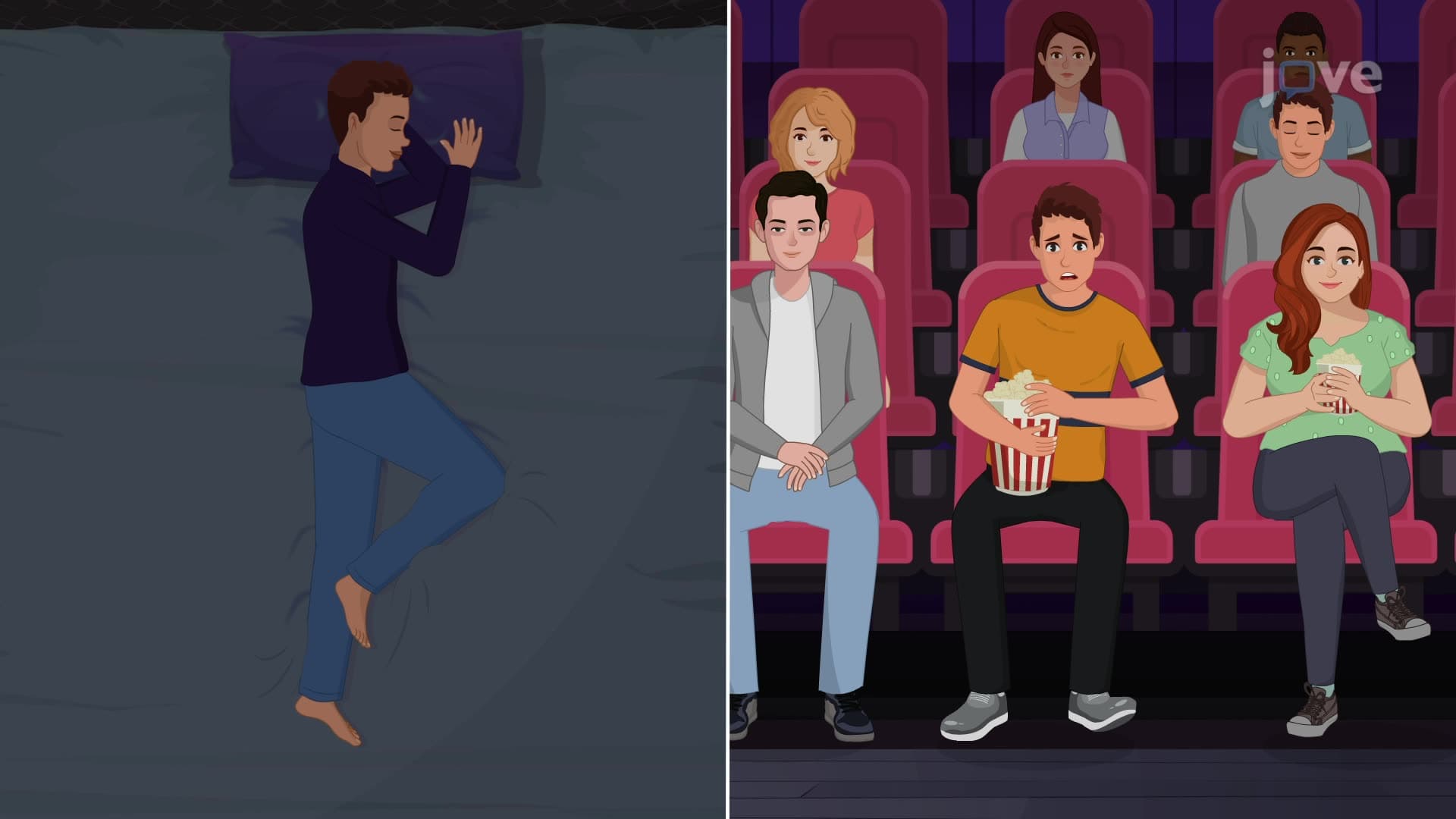
REM sleep behavior disorder definition centers on the absence of normal muscle atonia (paralysis) during REM sleep, allowing dreamers to physically enact their dreams. Unlike sleepwalking, which occurs during stages 3 and 4 of non-REM sleep, REM sleep behavior disorder concept involves the REM stage when vivid dreaming typically occurs. The Stanford Sleep Medicine Center reports that this condition affects approximately 0.5% of adults, with higher prevalence in men over 50. What is REM sleep behavior disorder in detail involves complex interactions between the brainstem's pontine regions and motor control centers.
REM sleep behavior basics include potentially violent movements like punching, kicking, or jumping from bed while dreaming of defensive actions or athletic activities. The Mayo Clinic's sleep disorder clinic has documented cases where patients injured themselves or partners during episodes. This contrasts sharply with sleepwalkers, who typically move slowly with eyes open but remain largely unresponsive to their environment.
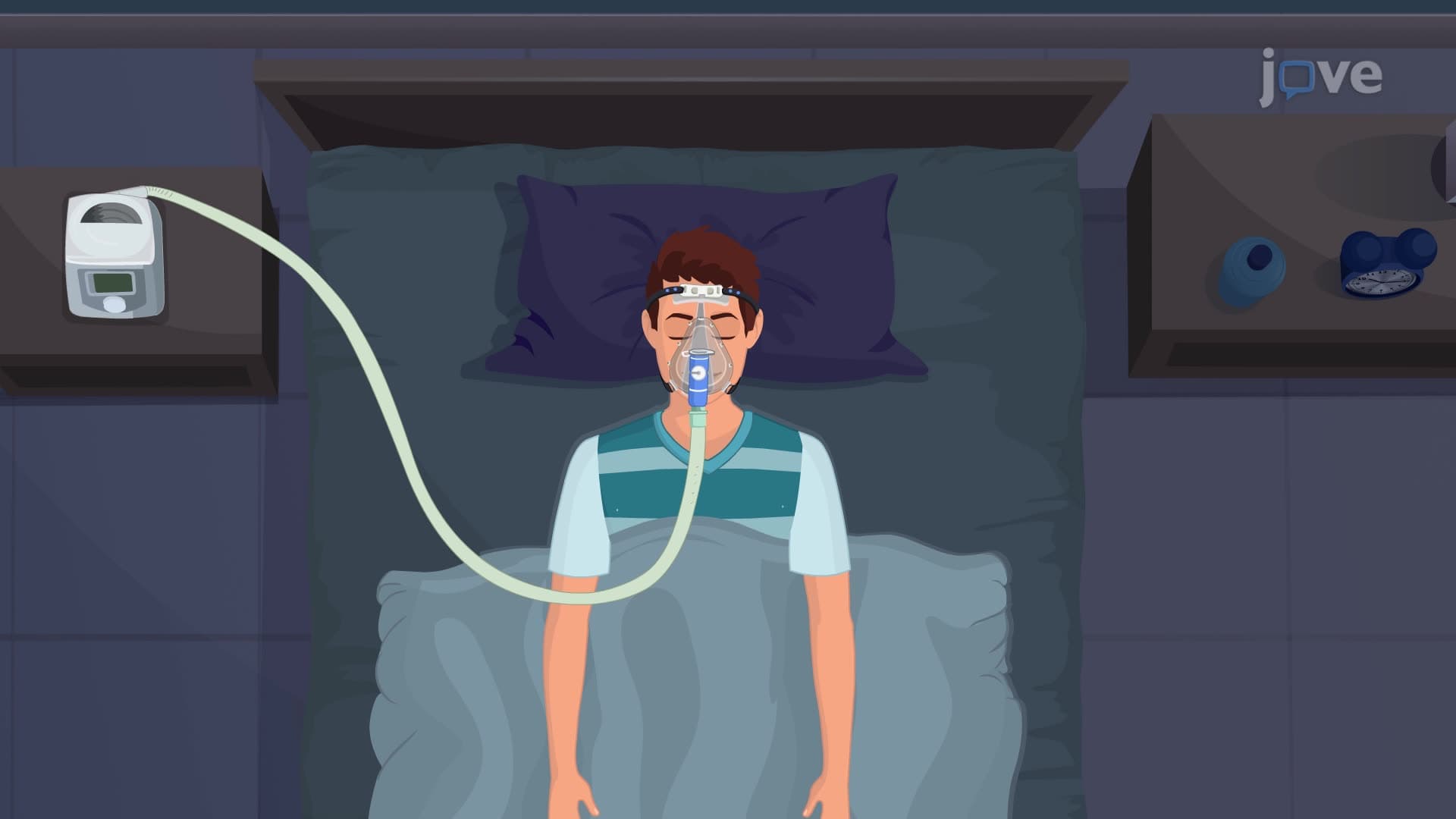
For students preparing for the MCAT or pursuing psychology majors, understanding REM sleep behavior disorder study guide materials helps differentiate various parasomnias on standardized exams. The condition frequently appears in AP Psychology sleep unit assessments and undergraduate neuroscience coursework. Medical students studying for USMLE Step 1 must distinguish RBD from other movement disorders and understand its association with neurodegenerative diseases like Parkinson's disease. Sleep technologists preparing for registry examinations through the American Board of Sleep Medicine must recognize polysomnographic patterns associated with RBD, including increased muscle tone during REM periods and dream enactment behaviors captured on video monitoring.
Related Micro-courses