Loading subject page…

- Marketing
- B2b Marketing
- Marketing Implications for Different Customers and Product Types
Micro-course: B2B Marketing
5,083 views
Learn key concepts and earn your certificate.









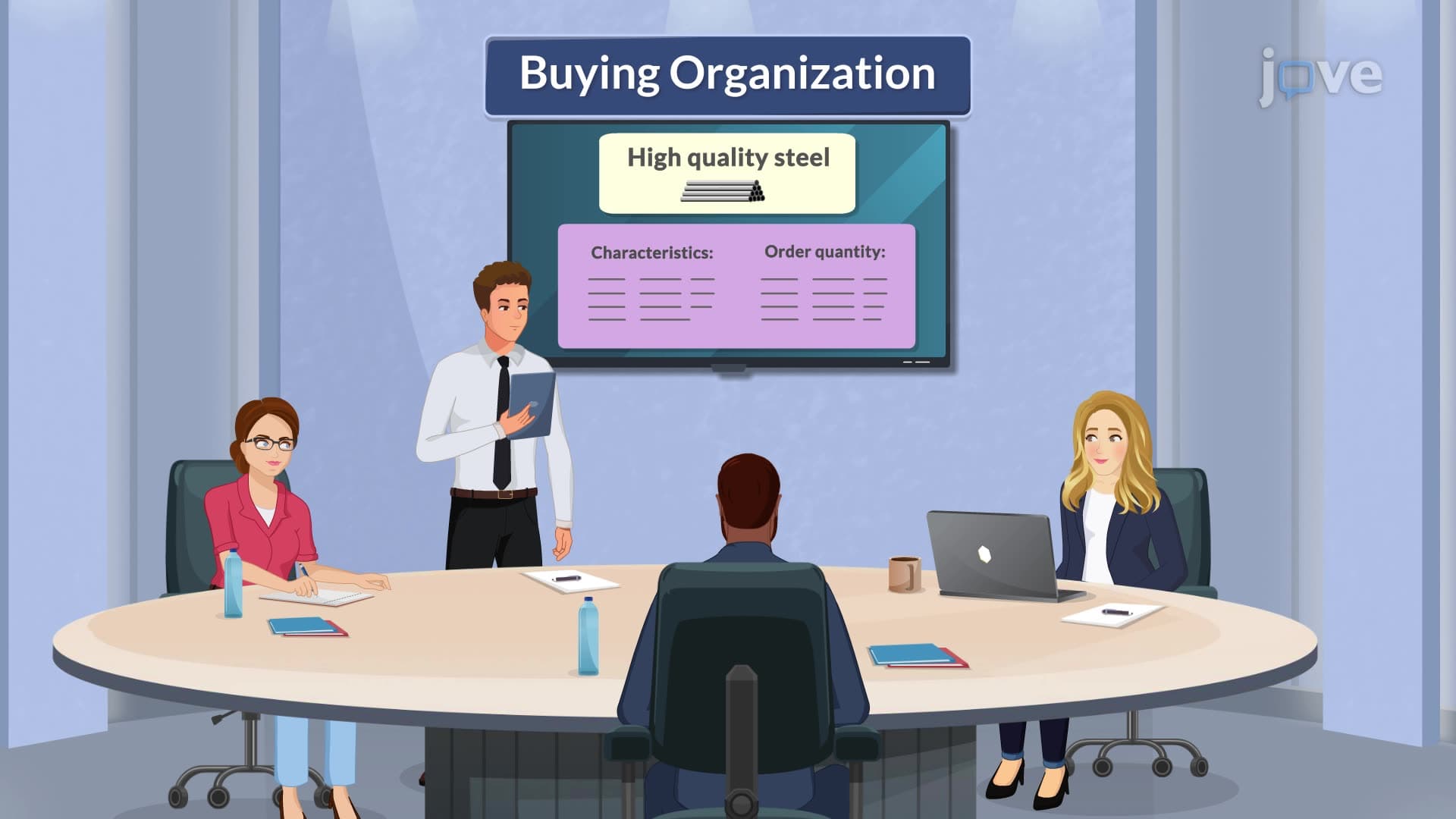
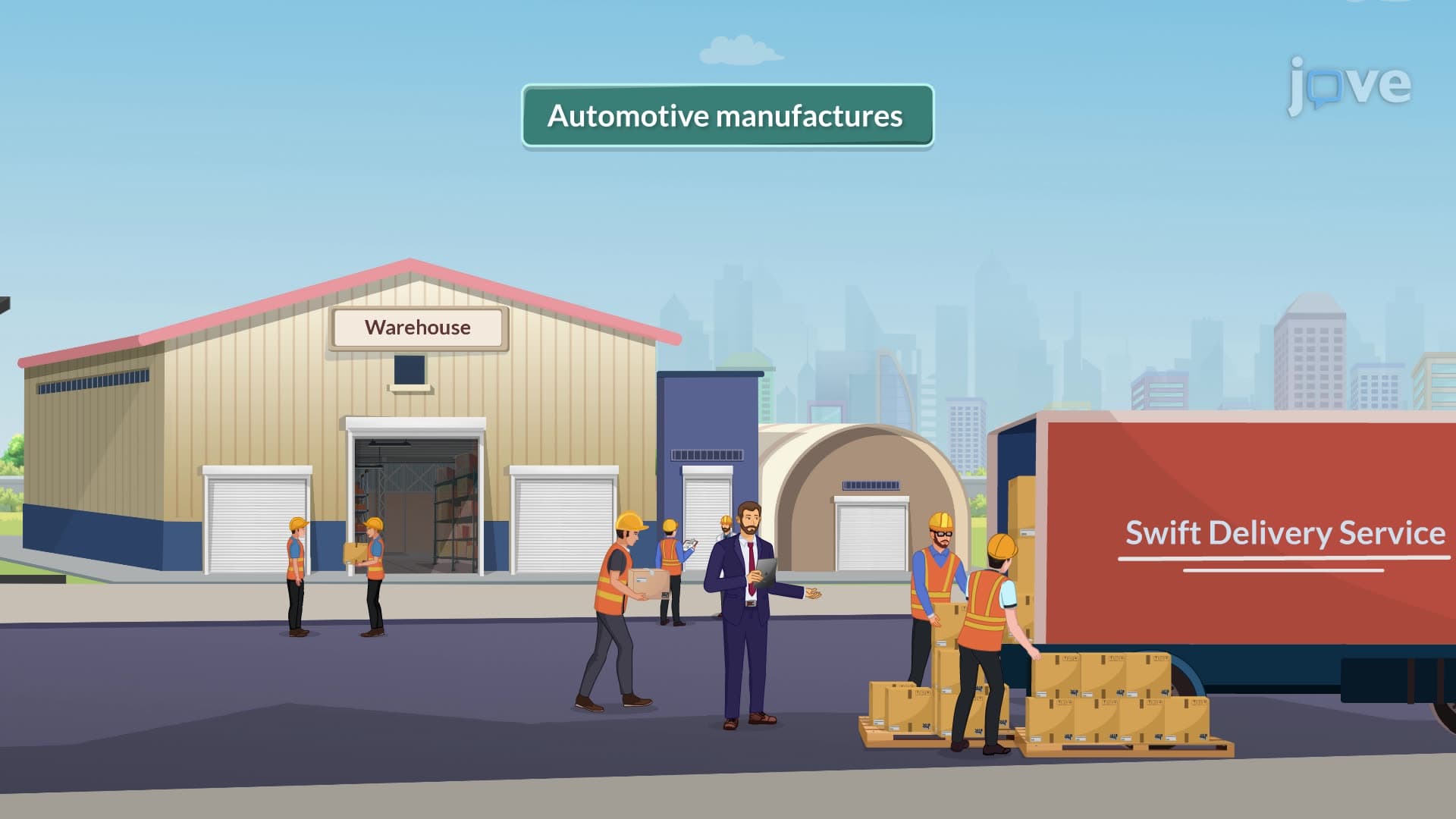
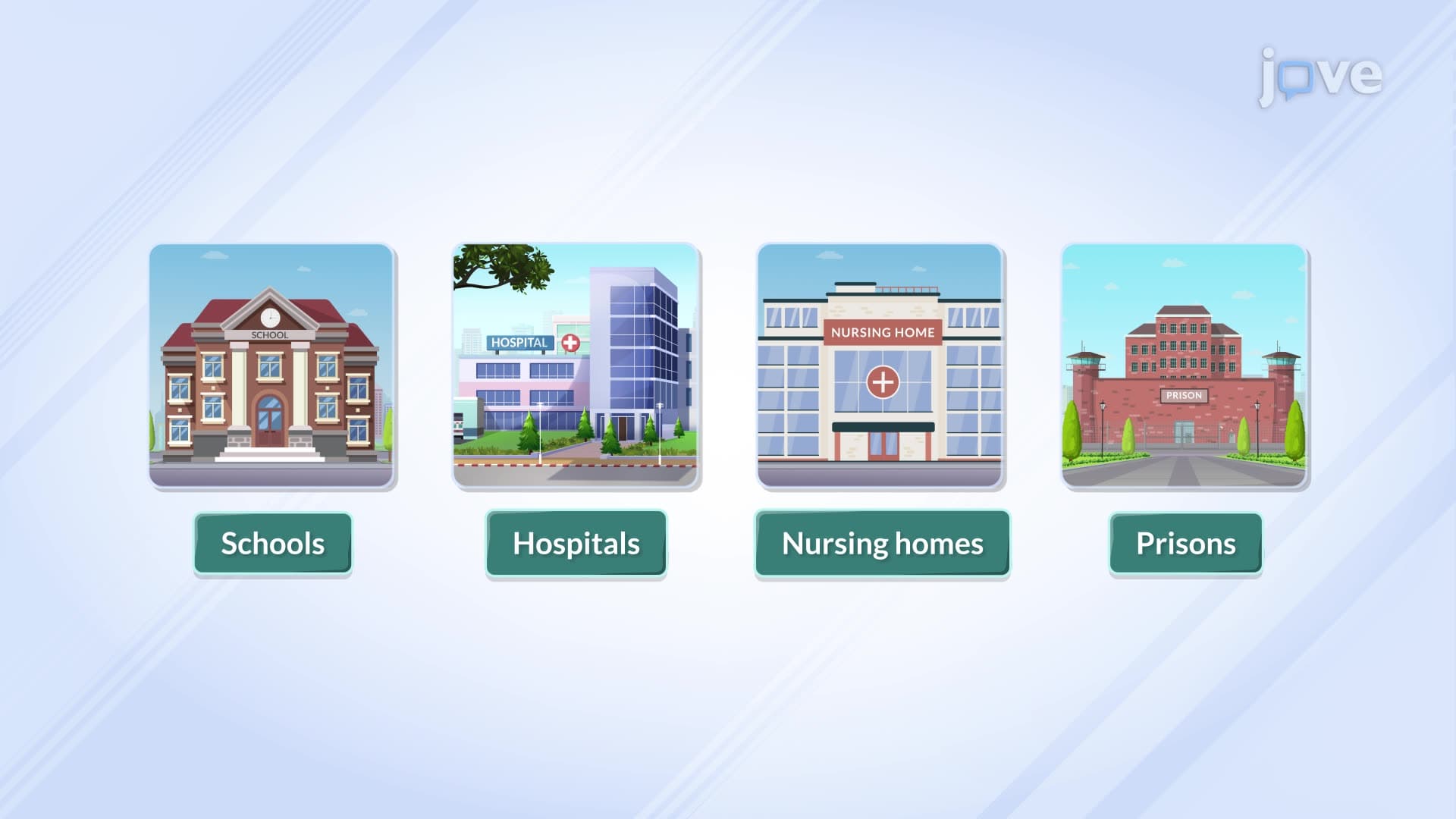








Marketing Implications for Different Customers and Product Types


00:00
01:29
Video Summary: Marketing Implications for Different Customers Explained
Understanding marketing implications for different customers drives competitive advantage in today's segmented marketplace. B2B organizations like IBM leverage distinct approaches—from direct relationship-building with C-suite executives to customized solution development—that fundamentally differ from B2C strategies. Marketing implications for different customers explained encompasses segmentation, pricing flexibility, and long-term partnership development that directly impacts revenue growth and market positioning. Watch the full video on JoVE Coach to master this concept with expert-led visuals and step-by-step explanations.
- Apply customer segmentation frameworks to identify high-value business opportunities and optimize resource allocation across diverse client portfolios
- Evaluate pricing strategies that balance volume commitments, contract duration, and customization requirements to maximize profitability
- Analyze decision-maker hierarchies within target organizations to streamline sales processes and accelerate deal closure timelines
- Implement relationship-building tactics that transform transactional interactions into strategic partnerships generating recurring revenue streams
- Assess product development priorities based on specific client requirements and industry-wide operational needs
- Leverage technical expertise and service excellence to differentiate from competitors in commodity-heavy markets
- Identify cross-selling and upselling opportunities through deep understanding of customer business models and growth trajectories
- Compare B2B marketing approaches across industries to adapt best practices for your specific market context
Marketing Implications For Different Customers: Strategic Framework
Modern enterprises face a critical challenge: developing marketing strategies that resonate across vastly different customer segments while maintaining operational efficiency. Marketing implications for different customers represents a foundational concept that determines resource allocation, revenue optimization, and competitive positioning in today's fragmented marketplace.
B2B Customer Engagement: Relationship-Driven Revenue Models
B2B marketing implications center on relationship depth over transaction volume. Companies like Salesforce exemplify this approach by assigning dedicated account teams to enterprise clients, ensuring consistent touchpoints with key stakeholders throughout lengthy sales cycles. This relationship-centric model requires significant upfront investment but generates higher lifetime customer value through expanded contracts and reduced churn rates.
Direct engagement with decision-makers becomes paramount when marketing implications for different customers involve complex purchasing processes. Microsoft's enterprise division, for instance, conducts executive briefing centers where C-level prospects experience tailored technology demonstrations. This high-touch approach contrasts sharply with consumer marketing's broad-reach tactics, reflecting fundamentally different customer expectations and buying behaviors.
Customization and Pricing: Value-Based Revenue Optimization
Product customization represents a critical marketing implication that separates B2B leaders from followers. Oracle's database solutions demonstrate how extensive customization capabilities command premium pricing while creating switching costs that protect market share. This approach requires robust product development capabilities but generates differentiated positioning in competitive markets.
Pricing flexibility emerges as another crucial marketing implication for different customers. Boeing's commercial aircraft division negotiates unique pricing structures based on order volume, delivery timelines, and financing arrangements—a stark contrast to standardized consumer pricing models. This flexibility enables maximum value capture while accommodating diverse customer financial structures and procurement processes.
Service Excellence: Operational Support as Competitive Advantage
Technical expertise and ongoing service support represent critical marketing implications that extend far beyond initial sales transactions. General Electric's industrial equipment division maintains extensive field service networks, providing 24/7 technical support that becomes integral to customer operations. This service-centric approach creates recurring revenue streams while building defensive market positions through operational interdependence.
Long-term partnership development requires sustained investment in customer success initiatives that align vendor capabilities with evolving client needs, ultimately transforming suppliers into strategic business partners.
Frequently Asked Questions
Marketing implications for different customers refers to how companies adapt their marketing mix, sales processes, and relationship management approaches based on distinct customer segment characteristics. This concept encompasses pricing strategies, product customization, service delivery, and communication tactics that vary significantly between B2B enterprise clients, small businesses, and individual consumers. Understanding these implications drives resource allocation decisions and competitive positioning strategies.
Different customer segments require distinct pricing approaches that reflect their purchasing processes, budget constraints, and value perception. B2B clients often negotiate volume discounts and multi-year contracts, while consumers typically accept fixed pricing. Your pricing strategy must balance profitability with market penetration across segments, considering factors like decision-making complexity, purchase frequency, and competitive alternatives within each customer category.
Focus on revenue impact and resource allocation efficiency when discussing customer segment strategies with leadership. Highlight how different customer types require varying sales cycle investments, support resources, and product development priorities. Present concrete ROI metrics comparing customer acquisition costs and lifetime values across segments, demonstrating how tailored approaches optimize overall portfolio performance and competitive positioning.
AWS demonstrates sophisticated customer segmentation through distinct service tiers and support models. Enterprise clients receive dedicated technical account managers and custom architecture consulting, while small businesses access self-service resources and standardized pricing. This approach allows AWS to maximize revenue per customer while efficiently serving diverse market segments with varying technical expertise and budget levels.
While marketing knowledge helps, understanding customer implications primarily requires business acumen and analytical thinking. Focus on customer needs assessment, competitive analysis, and financial impact evaluation—skills transferable from operations, finance, or general management roles. Most professionals can quickly grasp these concepts by examining their own industry's customer segmentation practices and competitive dynamics.
This knowledge positions you for strategic roles requiring customer portfolio management, revenue optimization, and cross-functional collaboration. Understanding customer implications enables more effective sales forecasting, product planning, and resource allocation—capabilities valued in general management, business development, and executive positions across industries.
Customer lifetime value optimization represents the logical next step, focusing on financial modeling and retention strategies that maximize long-term profitability. This advanced concept builds upon customer implication knowledge by incorporating predictive analytics, churn analysis, and portfolio management techniques essential for senior-level decision making.
Related Micro-courses

15 Concepts

10 Concepts
12 Concepts