Loading subject page…


4,181 views


Video Summary: Dealing with Competition Assess the Competitors Explained
Market leaders like Apple and Microsoft face constant competitive pressure, making dealing competition assess competitors a critical skill for business professionals. The process of dealing with competition assess the competitors explained involves systematic SWOT analysis and strategic positioning to identify market opportunities and threats. Apple's premium positioning strategy demonstrates how companies use competitor assessment to maintain market leadership while understanding competitive vulnerabilities. Watch the full video on JoVE Coach to master this concept with expert-led visuals and step-by-step explanations.
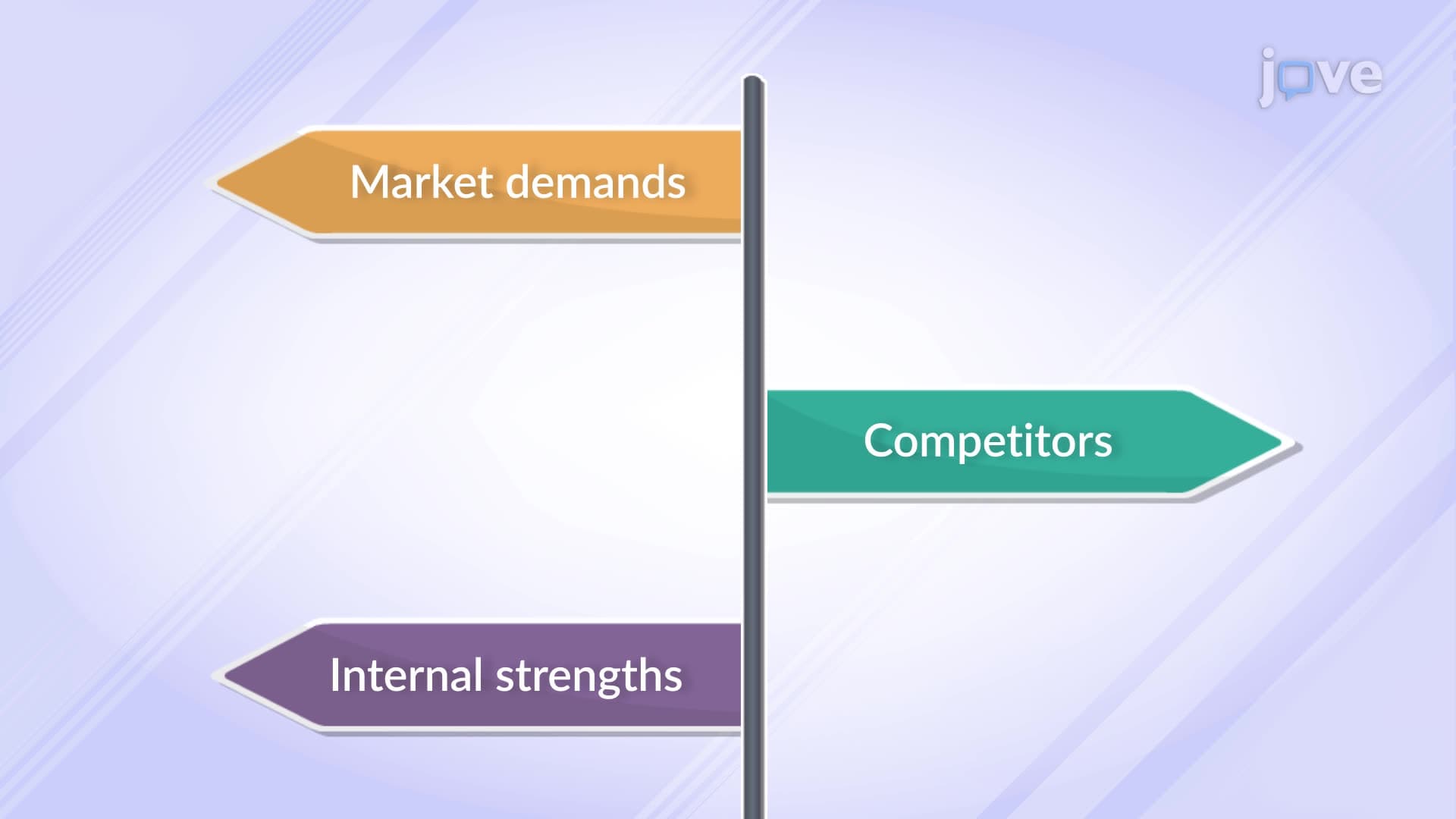
Today's business environment demands sophisticated competitor analysis beyond surface-level observations. When Walmart entered the grocery delivery space to compete with Amazon Fresh, both companies employed rigorous competitor assessment methodologies to understand market positioning, customer segments, and strategic vulnerabilities. This systematic approach to dealing competition assess competitors enables organizations to make informed strategic decisions rather than reactive moves.
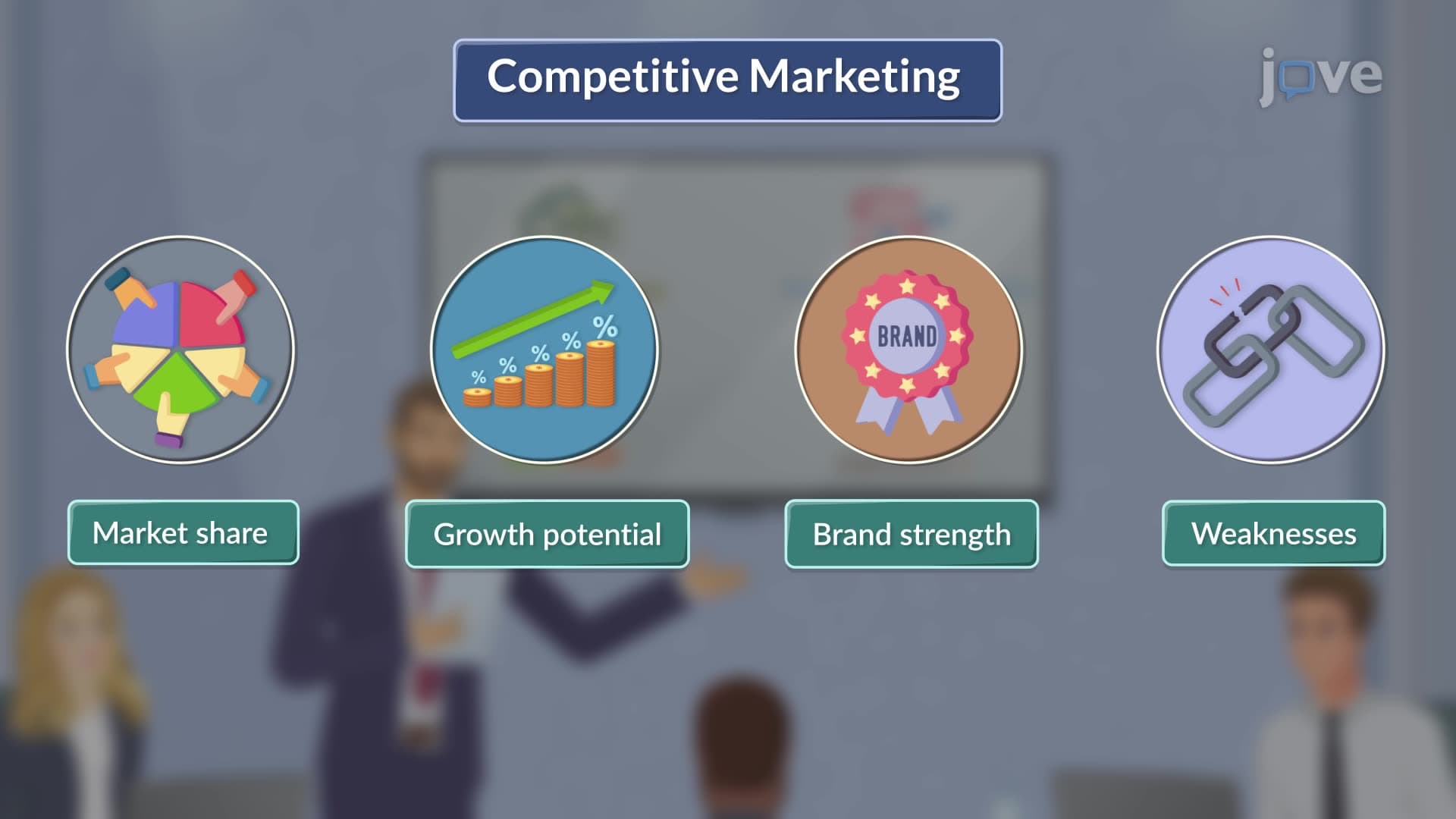
Effective competitor assessment begins with identifying direct and indirect competitors across multiple dimensions. Direct competitors like Coca-Cola and PepsiCo compete head-to-head in carbonated beverages, while indirect competitors might include energy drink manufacturers like Red Bull or health-focused brands like Kombucha producers. The assessment process involves analyzing competitor objectives-whether they're pursuing market share growth, profitability optimization, or category expansion.
Understanding competitor strategies requires examining their resource allocation, marketing approaches, and operational capabilities. When Netflix shifted from DVD rentals to streaming, competitors like Blockbuster failed to adequately assess Netflix's strategic commitment and technological capabilities, leading to market disruption.
Professional-grade SWOT analysis goes beyond basic strength and weakness identification to examine competitive implications. Apple's ecosystem integration represents both a strength (customer retention) and potential weakness (limited market expansion). Their premium pricing strategy creates barriers to price-sensitive segments, which competitors like Samsung exploit with diverse product portfolios spanning multiple price points.
Opportunities emerge from competitor blind spots or resource constraints. When traditional retailers were slow to adopt e-commerce, Amazon capitalized on this opportunity to dominate online retail. Similarly, threats often manifest as competitor innovations or strategic shifts that could erode market position.
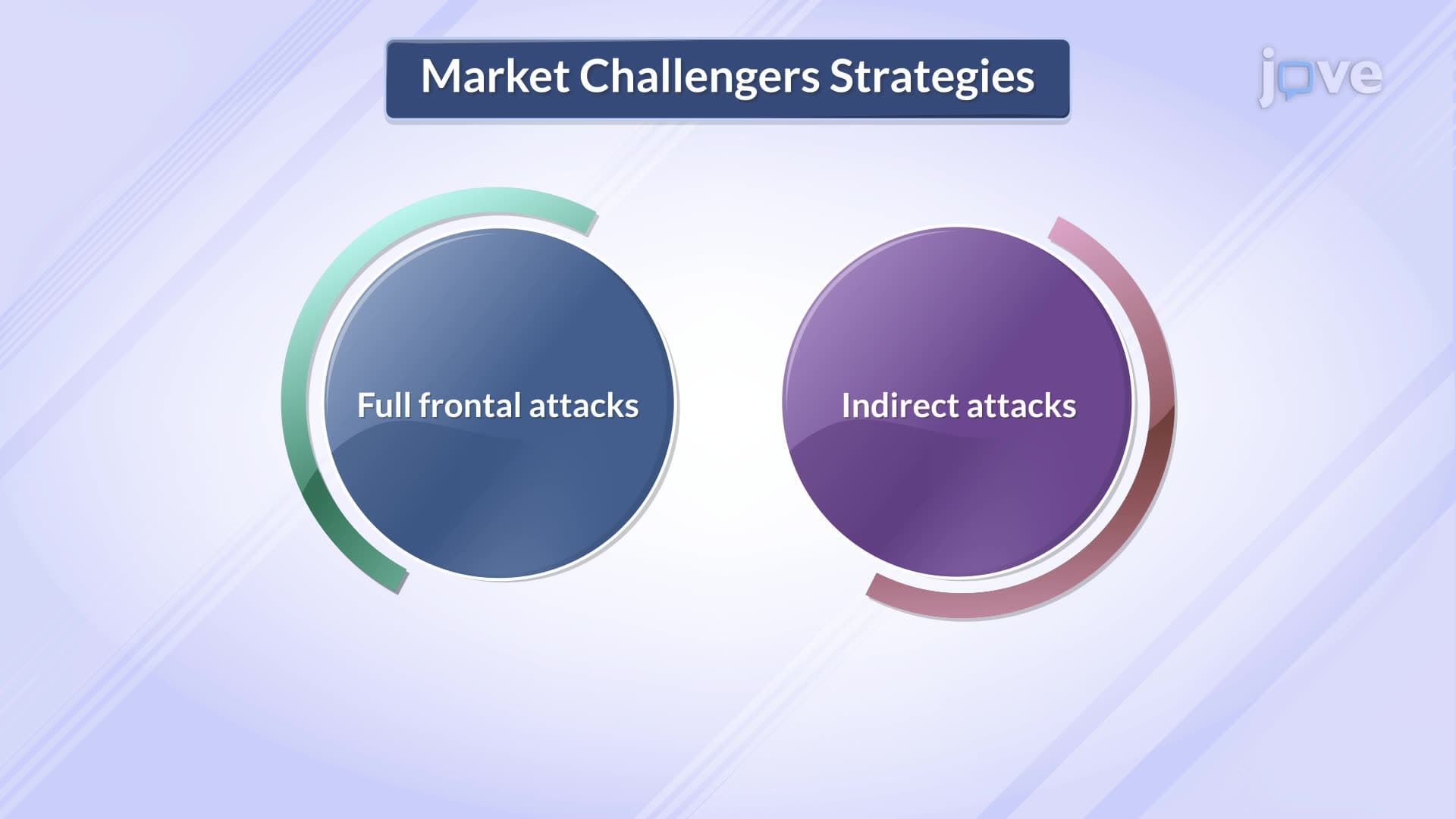
Successful competitive assessment culminates in actionable strategic responses. These might include defensive strategies to protect market share, offensive moves to capture competitor customers, or collaborative approaches like strategic partnerships. The key lies in aligning competitive responses with organizational capabilities and market realities while maintaining focus on customer value creation.
Related Micro-courses