Loading subject page…

- Marketing
- Competitive Marketing Strategies
- Dealing With Competition - Identify the Competitors
Micro-course: Competitive Marketing Strategies
4,181 views
Learn key concepts and earn your certificate.





Dealing With Competition - Identify the Competitors

00:00
01:31
Video Summary: Dealing with Competition Identify the Competitors Explained
Modern businesses face unprecedented competitive pressure, with 90% of Fortune 500 companies experiencing significant market share erosion over the past decade. Dealing competition identify competitors requires systematic analysis across industry and market dimensions to maintain strategic advantage. Apple's dominance in smartphones exemplifies how proper competitor identification drives innovation and market positioning decisions. The framework "Dealing With Competition Identify The Competitors Explained" combines Porter's Five Forces analysis with direct competitor mapping and customer behavior insights. Watch the full video on JoVE Coach to master this concept with expert-led visuals and step-by-step explanations.
- Apply Porter's Five Forces framework to systematically evaluate competitive threats including supplier power, buyer power, substitute products, and new market entrants
- Identify direct competitors through product similarity analysis and indirect competitors through customer needs assessment to build comprehensive competitive intelligence
- Analyze technological trends and innovation patterns to anticipate competitive disruption and identify emerging market opportunities
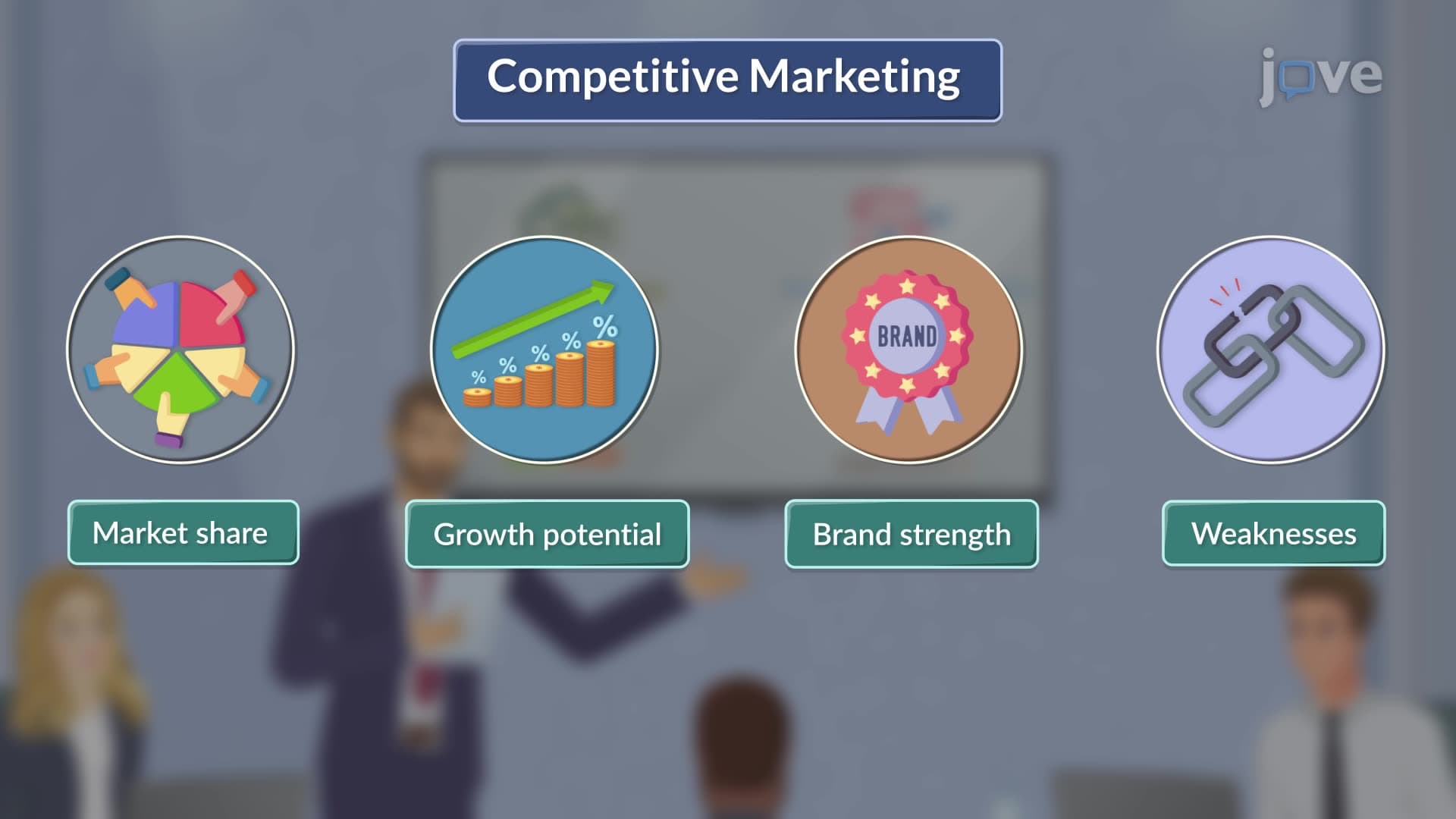
- Implement benchmarking processes comparing financial metrics, market share, and growth trajectories against key industry players
- Evaluate customer preferences and brand loyalty patterns to understand competitive positioning and market vulnerability
- Leverage competitor analysis insights to inform strategic planning, product development, and market positioning decisions
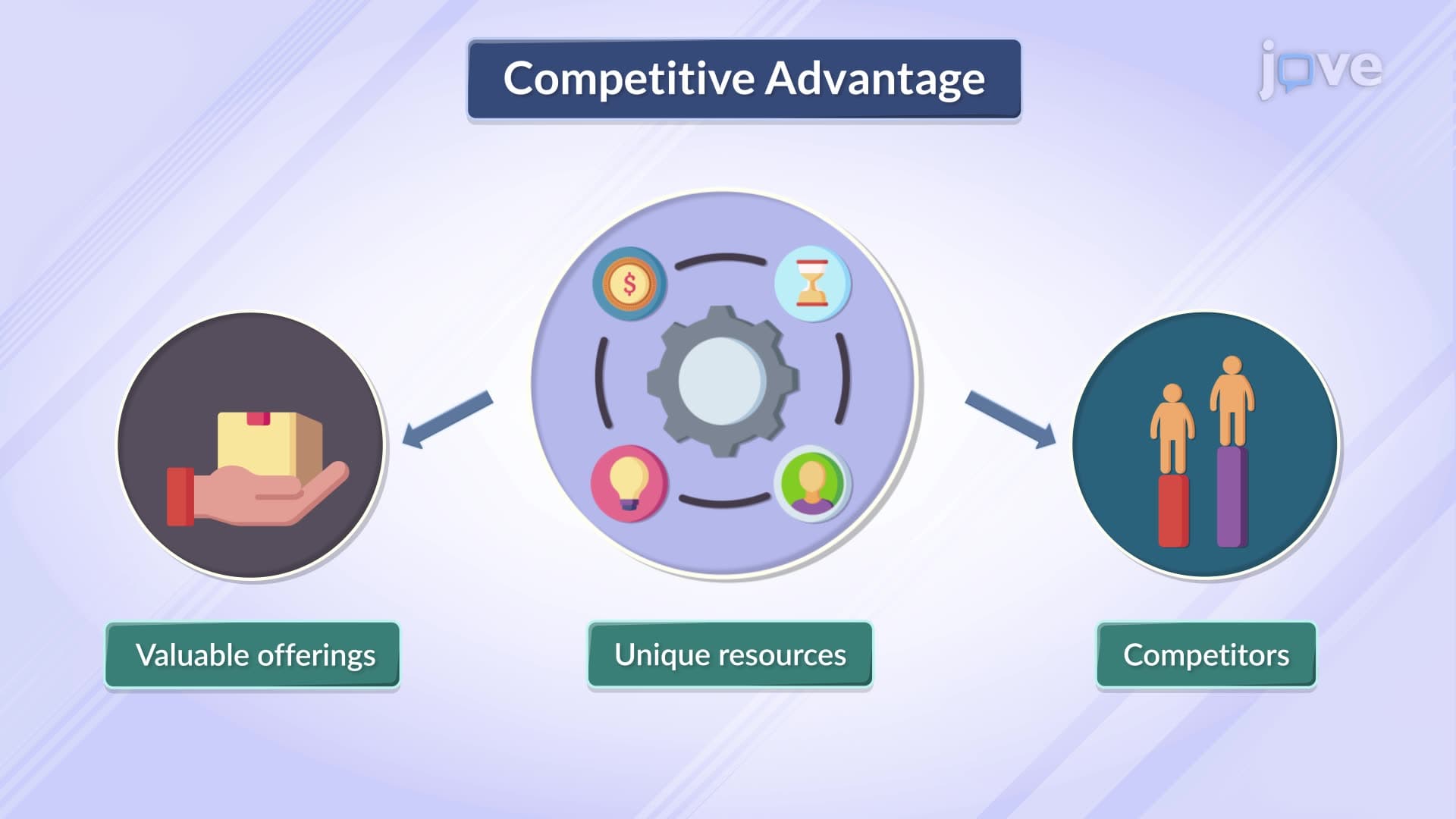
- Assess competitive rivalry intensity to optimize resource allocation and identify sustainable competitive advantages
- Compare industry dynamics across different market segments to identify expansion opportunities and strategic partnerships
Understanding Dealing With Competition Identify The Competitors Explained
In today's hyper-competitive business environment, executive teams regularly face critical decisions about market entry, product launches, and strategic investments. Consider Netflix's transformation from DVD-by-mail to streaming giant-their success stemmed from systematically identifying both traditional competitors (Blockbuster) and emerging threats (Amazon Prime, Disney+). This comprehensive competitive analysis framework enables senior leaders to make data-driven decisions that protect market position and drive sustainable growth.
Industry-Level Competitive Analysis Framework
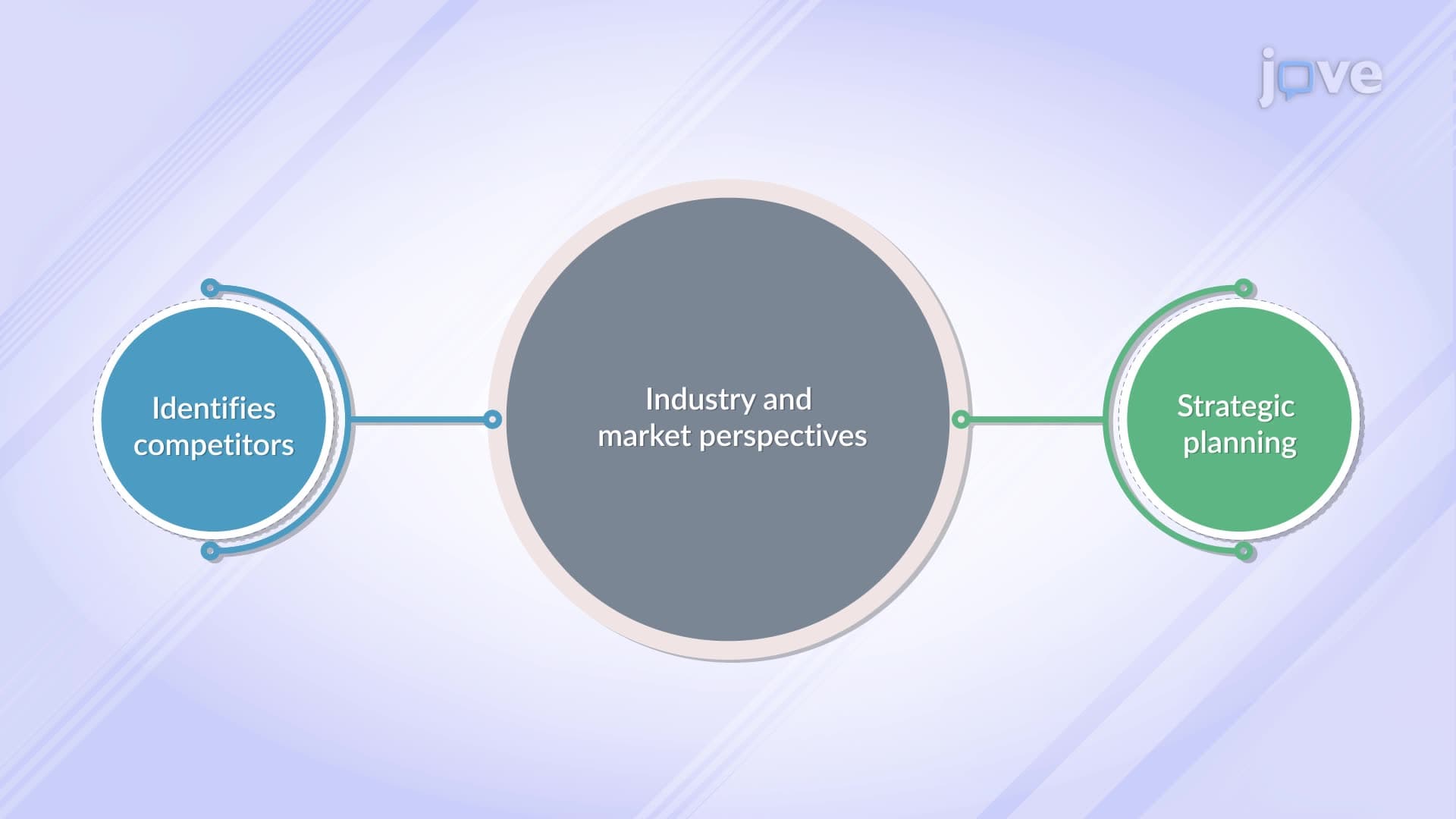
Porter's Five Forces remains the gold standard for industry analysis because it reveals structural competitive dynamics that impact profitability. When analyzing competitor rivalry, examine pricing power, market concentration, and differentiation strategies. For instance, the airline industry's intense rivalry forces carriers like Delta and United to compete aggressively on routes, driving down margins industry-wide. The threat of new entrants varies significantly-while regulatory barriers protect established airlines, technology sectors face constant disruption from startups. Supplier and buyer bargaining power directly impact P&L performance, as seen in automotive manufacturers negotiating with parts suppliers or retailers managing vendor relationships.
Direct and Indirect Competitor Identification Strategies
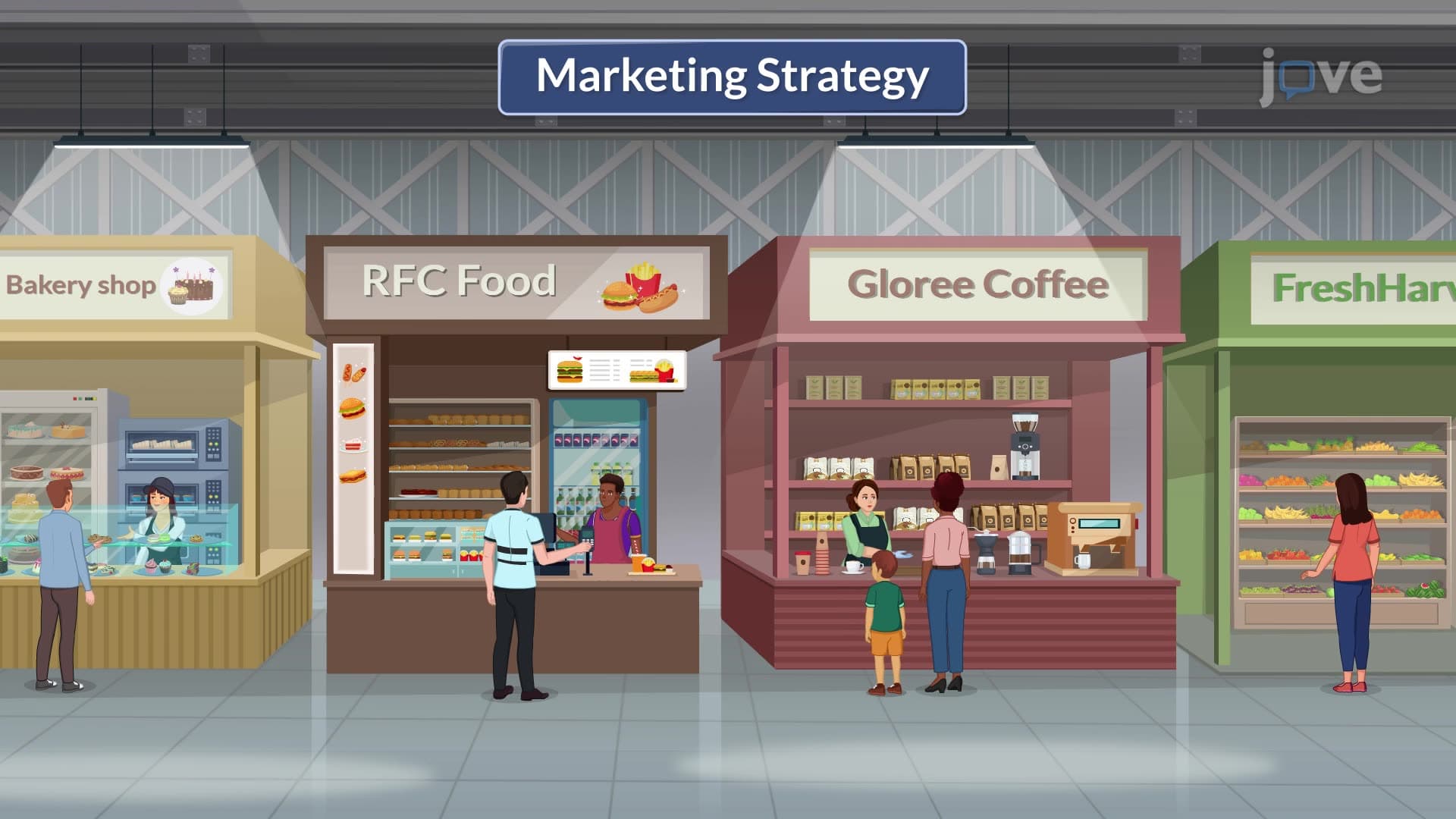
Direct competitors offer similar products to identical customer segments, requiring head-to-head competitive strategies. McDonald's and Burger King exemplify direct competition, battling for fast-food market share through pricing, menu innovation, and location strategies. However, indirect competition often poses greater strategic threats. Starbucks doesn't just compete with Dunkin' for coffee sales-they compete with convenience stores, energy drinks, and even workplace coffee programs for consumer caffeine consumption. This broader competitive lens helps executives identify blind spots that could erode market position.
Customer-Centric Competitive Intelligence
Understanding why customers choose competitors reveals actionable strategic insights. Nike's brand loyalty research shows customers value innovation and athlete endorsements over Adidas' focus on lifestyle positioning. This customer analysis drives product development priorities, marketing investment allocation, and partnership strategies. Smart executives combine quantitative metrics (market share, customer acquisition costs) with qualitative insights (brand perception, switching barriers) to build competitive advantages that resist imitation.
Frequently Asked Questions
It's a systematic framework for analyzing both industry-wide competitive forces and specific competitor threats to inform strategic decision-making. The approach combines Porter's Five Forces analysis with direct competitor mapping and customer behavior research. This enables executives to anticipate competitive moves, identify market opportunities, and develop sustainable competitive advantages.
Start with direct competitors offering similar products to your customer base, then expand to indirect competitors solving the same customer problems through alternative solutions. Use market research, customer surveys, and competitive intelligence tools to map the competitive landscape. Document competitor strengths, weaknesses, market positioning, and strategic initiatives to inform your planning discussions.
Integrate competitor analysis into quarterly business reviews, annual strategic planning, product launch decisions, and market expansion evaluations. Conduct deeper analysis before major investments, pricing strategy changes, or competitive responses. Continuous monitoring helps identify emerging threats and market opportunities before they impact financial performance.
Amazon systematically monitors competitors across multiple dimensions-from traditional retailers like Walmart in e-commerce to Microsoft in cloud services (AWS vs Azure). They analyze competitor pricing strategies, service offerings, and customer experience innovations. This comprehensive approach enables Amazon to anticipate competitive moves, invest in defensive capabilities, and identify new market opportunities.
While research experience helps, the framework is accessible to any business professional with strategic thinking skills. Focus on understanding your customers' decision-making process and alternative solutions they consider. Combine publicly available information (financial reports, press releases) with customer feedback and sales team insights to build competitive intelligence.
Demonstrating competitive intelligence skills shows strategic thinking and market awareness-critical competencies for senior leadership roles. Managers who can identify competitive threats and opportunities contribute meaningfully to strategic planning and risk management. This expertise positions you as a valuable strategic contributor in executive discussions and cross-functional projects.
Consider competitive intelligence systems, game theory applications in business strategy, and scenario planning methodologies. Blue ocean strategy frameworks help identify uncontested market spaces, while dynamic competitive analysis examines how competitive landscapes evolve over time. These concepts build on competitor identification to create sophisticated strategic planning capabilities.
Related Micro-courses