Loading video…


 15 Concepts
 4.2K views

Video Summary: What are Approaches to Marketing Strategy
In today's competitive market, 72% of marketing leaders report struggling to align their strategies with evolving consumer behaviors and business objectives. Effective approaches to marketing strategy enable companies to navigate this complexity while driving measurable growth. These systematic methods encompass goal alignment, market analysis, value proposition development, and data-driven decision-making frameworks. Amazon exemplifies this through its sophisticated recommendation engine, which leverages customer data to personalize marketing and drive $35 billion in additional revenue annually. Watch the full video on JoVE Coach to master this concept with expert-led visuals and step-by-step explanations.
When Netflix shifted from DVD-by-mail to streaming in 2010, the company demonstrated how strategic marketing approaches can transform entire industries. This transformation required aligning marketing strategy with technological capabilities, analyzing competitive threats from traditional media companies, and communicating a compelling value proposition to skeptical consumers. Today's business leaders face similar strategic challenges that demand sophisticated approaches to marketing strategy.
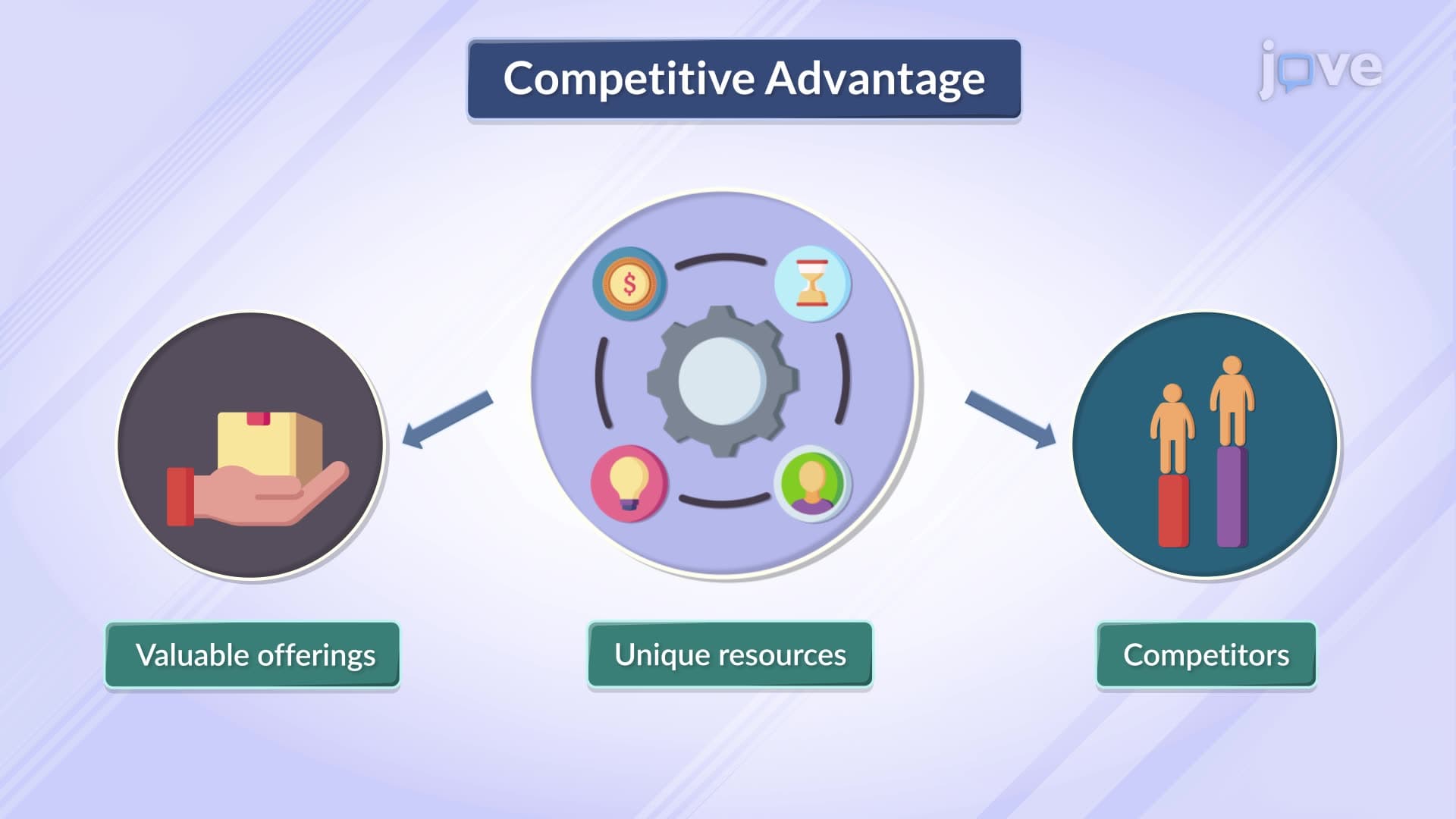
Modern approaches to marketing strategy center on creating sustainable competitive advantages through systematic planning and execution. The foundation begins with goal alignment-ensuring every marketing dollar spent contributes to measurable business outcomes. Microsoft's transformation under CEO Satya Nadella exemplifies this principle. The company shifted its marketing approach from product-centric messaging to customer-success narratives, directly supporting its strategic pivot to cloud services and subscription models.
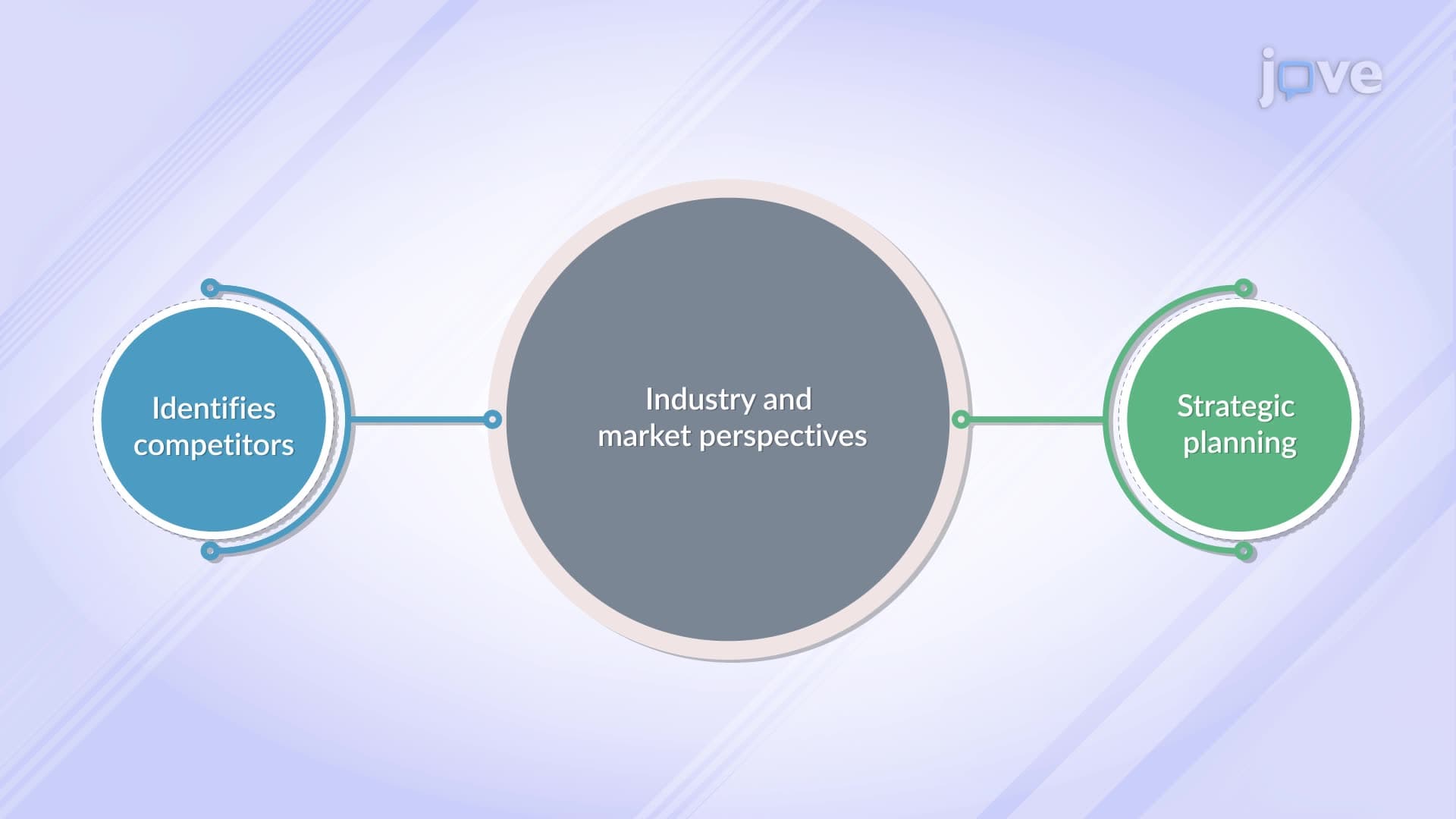
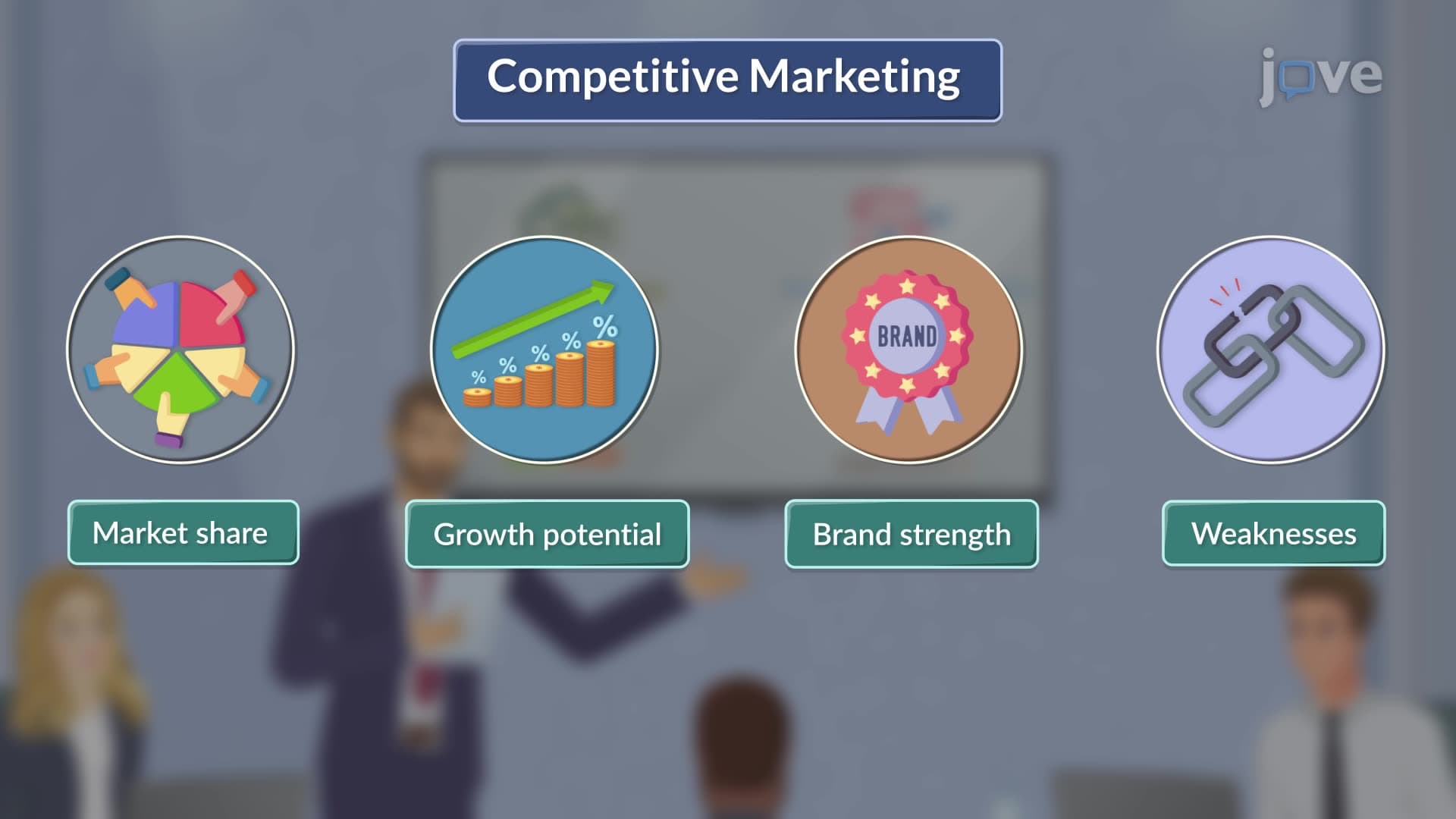
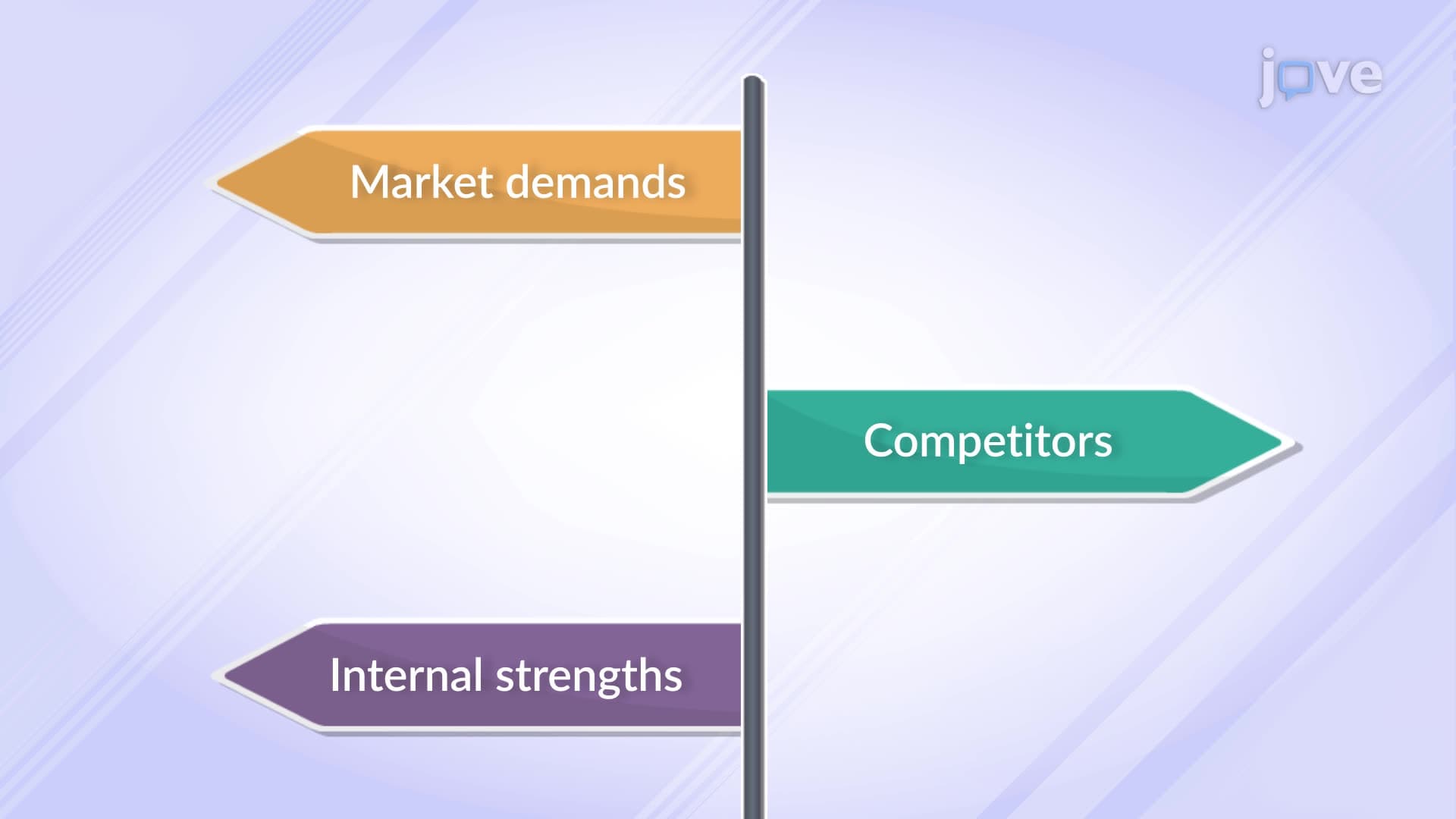
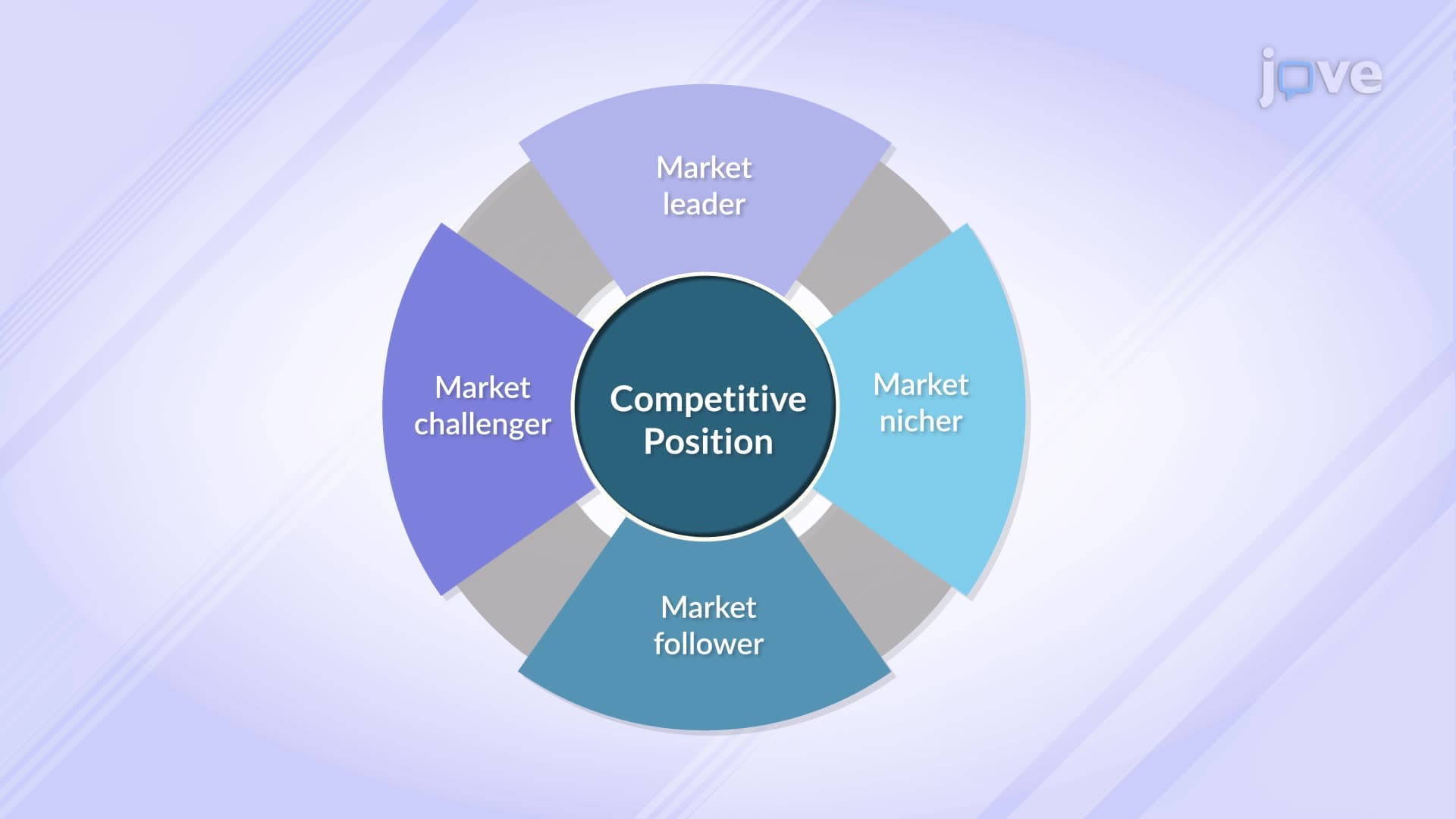
Market analysis forms the second pillar, requiring deep understanding of competitive dynamics, customer behavior patterns, and emerging industry trends. Tesla's marketing approach demonstrates this concept through its focus on sustainability messaging and direct-to-consumer sales model, positioning the company ahead of traditional automakers who relied heavily on dealer networks and conventional advertising.
The traditional 4 Ps framework-Product, Price, Place, and Promotion-remains relevant but requires modern interpretation for today's complex business environment. Apple's ecosystem strategy illustrates sophisticated 4 Ps implementation: premium product positioning, value-based pricing strategies, selective distribution through owned and partner channels, and integrated promotional campaigns that emphasize lifestyle benefits over technical specifications.
For working professionals, this framework serves as a diagnostic tool for evaluating marketing strategy effectiveness. When Starbucks expanded into grocery retail, the company carefully calibrated each element: product adaptation for home brewing, competitive pricing against established coffee brands, strategic placement in premium grocery sections, and promotional campaigns emphasizing the "third place" brand experience.
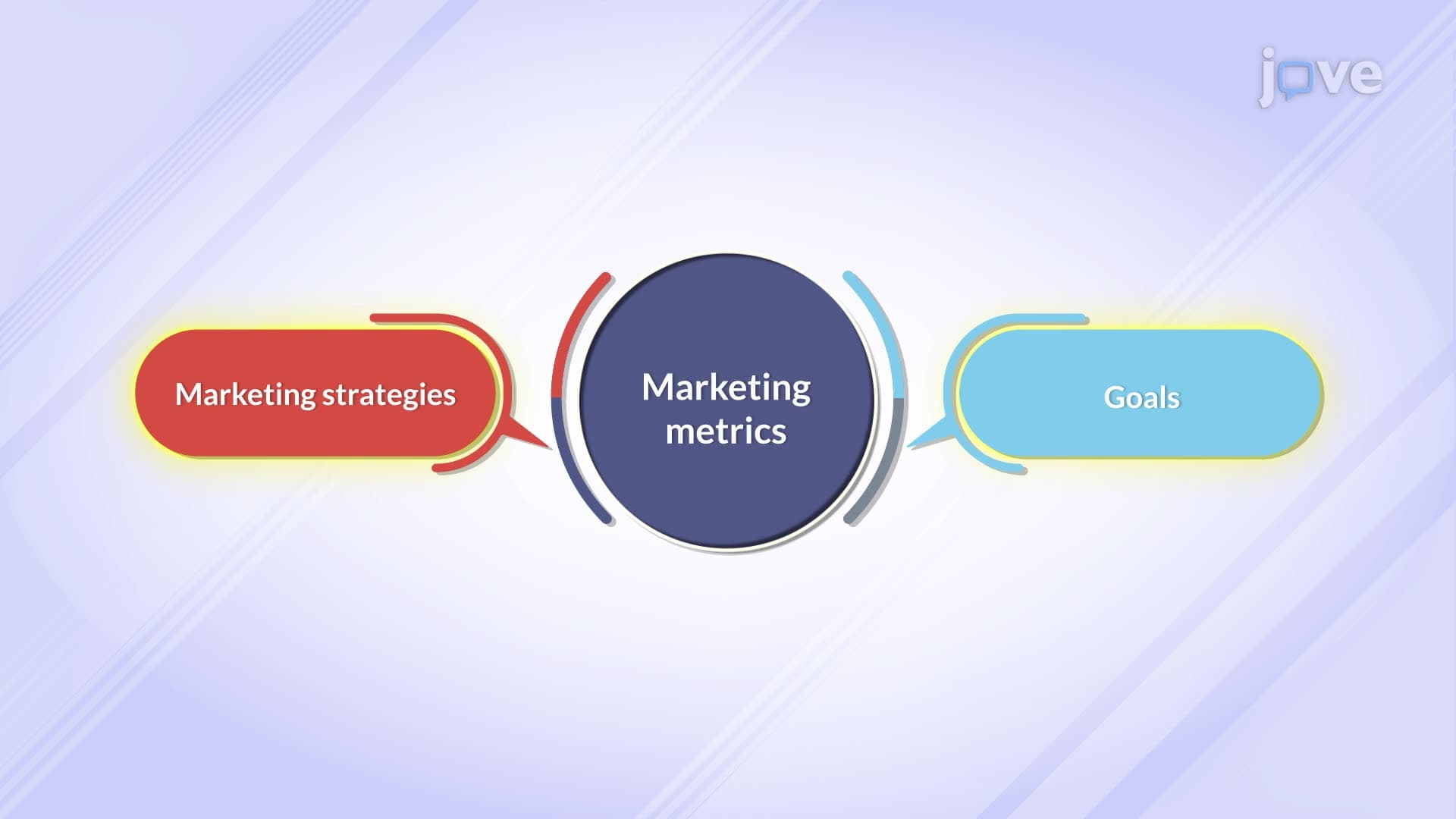
Contemporary marketing approaches increasingly rely on analytics and performance metrics to guide strategic decisions. Amazon's recommendation algorithms represent the pinnacle of data-driven marketing, generating approximately 35% of the company's revenue through personalized product suggestions. This approach transforms customer data into competitive advantage while improving customer experience and operational efficiency.
For business leaders, implementing data-driven approaches requires establishing clear measurement frameworks, investing in analytics capabilities, and creating organizational processes that translate insights into actionable strategy adjustments. The most successful companies treat marketing data as a strategic asset, not just a reporting requirement.
Related Micro-courses