Loading subject page…


4,181 views

Video Summary: What Is Marketing Strategy
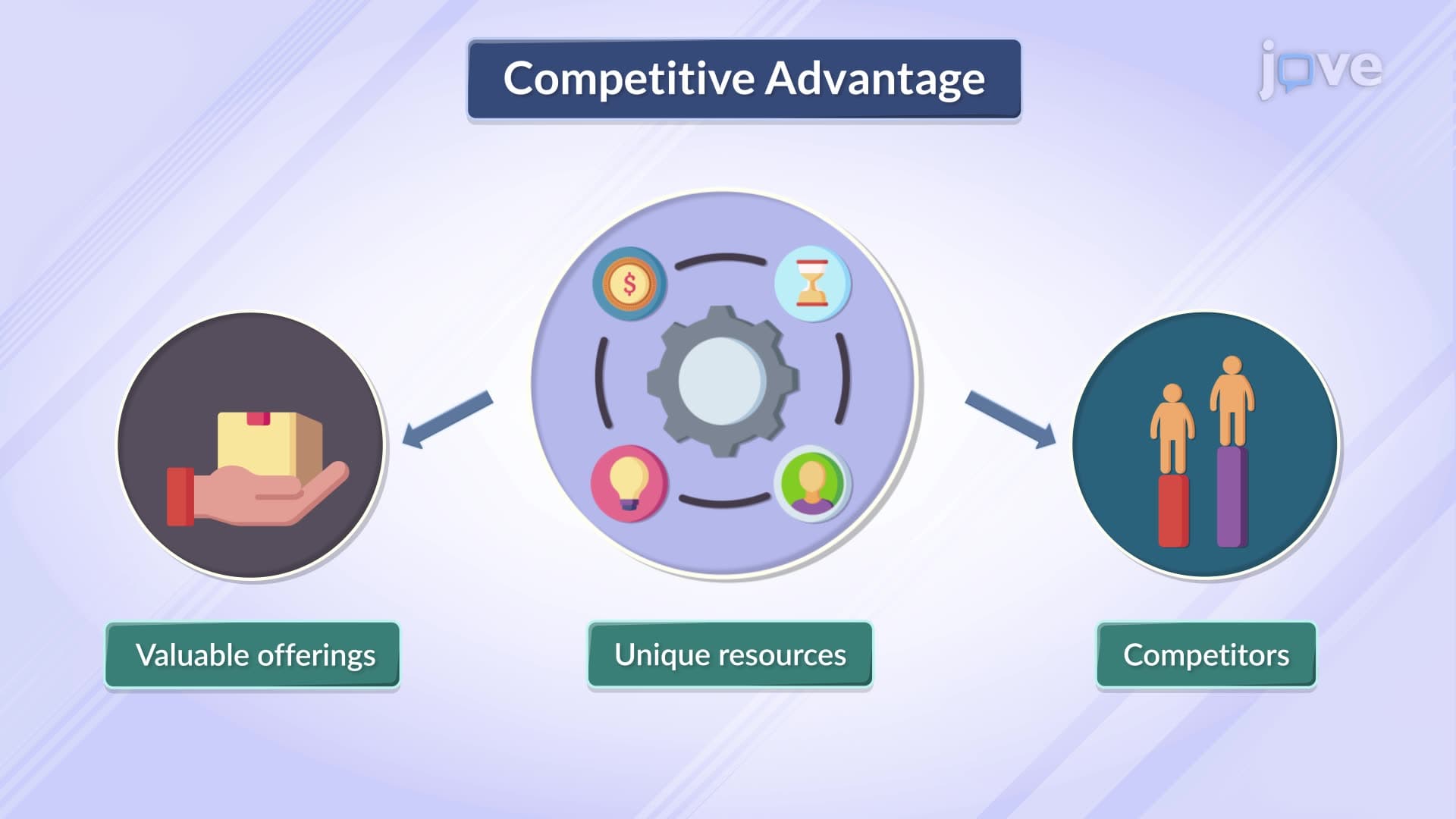
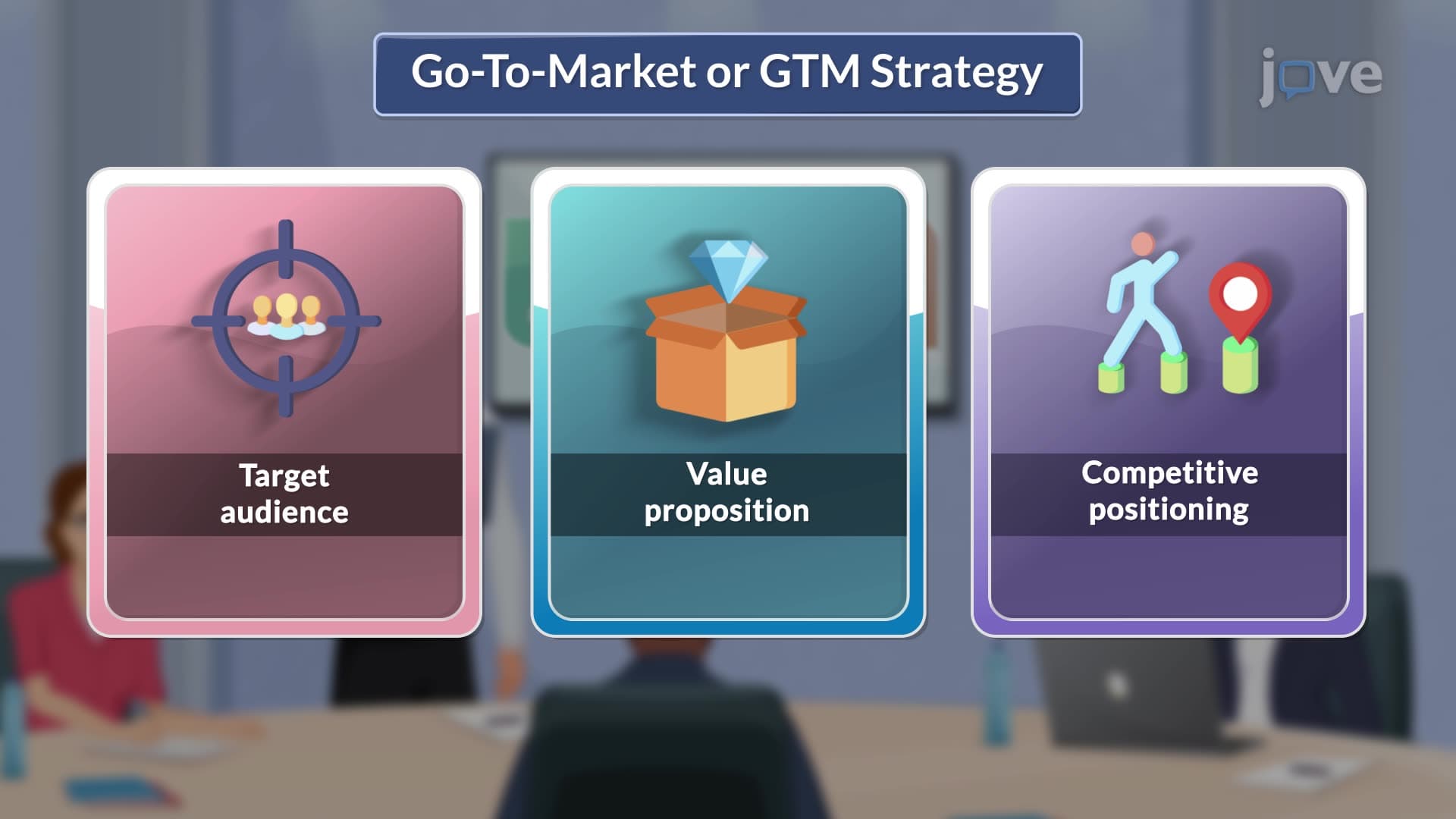
In today's hyper-competitive marketplace, companies without a clear marketing strategy lose 23% more market share annually. A marketing strategy defines how organizations position themselves to create sustainable customer value and competitive advantage. Consider how Apple transformed from near-bankruptcy to the world's most valuable company through strategic market positioning focused on premium user experience. The marketing strategy concept encompasses target market identification, value proposition development, and competitive landscape analysis. Watch the full video on JoVE Coach to master this concept with expert-led visuals and step-by-step explanations.
When Starbucks entered the Chinese market in 1999, they faced a tea-drinking culture with no coffeehouse tradition. Their marketing strategy success-now operating over 5,000 stores in China-demonstrates how strategic market positioning transcends simple product promotion. Marketing strategy represents the comprehensive blueprint for how organizations create, communicate, and capture value in competitive markets.
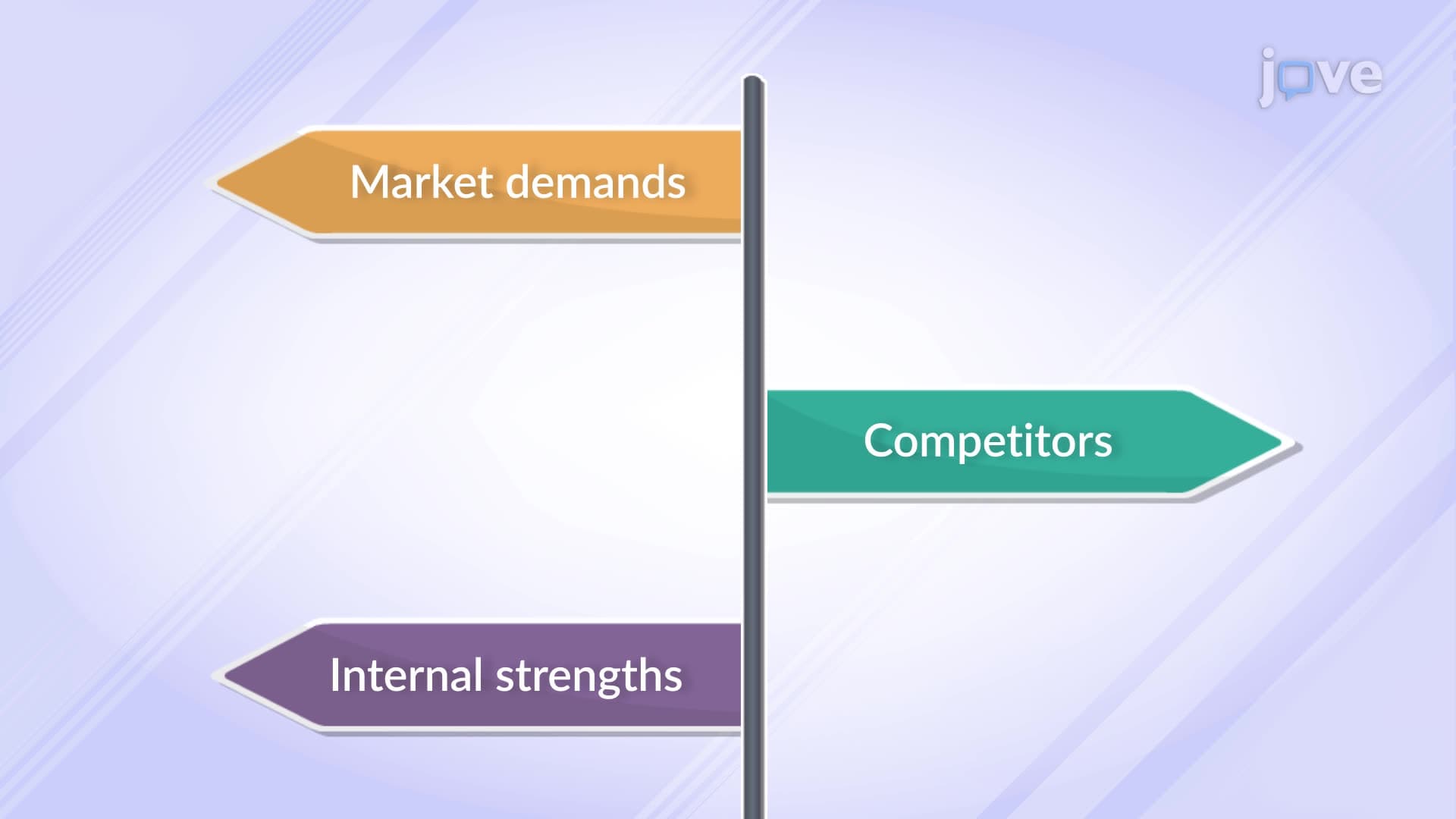
Modern marketing strategy rests on five interconnected elements that executives must continuously evaluate. Target customers represent more than demographics-they're the specific segments whose problems your organization can solve profitably. Netflix exemplifies this principle by shifting from DVD-by-mail to streaming, recognizing changing consumer behavior patterns before competitors.
Internal capabilities encompass not just resources, but distinctive competencies that create sustainable competitive advantages. Amazon's logistics infrastructure became their marketing strategy foundation, enabling everything from Prime delivery to AWS cloud services. Strategic partnerships multiply market reach and enhance value propositions-consider how Microsoft's partnerships with enterprise software vendors accelerated their cloud computing dominance.
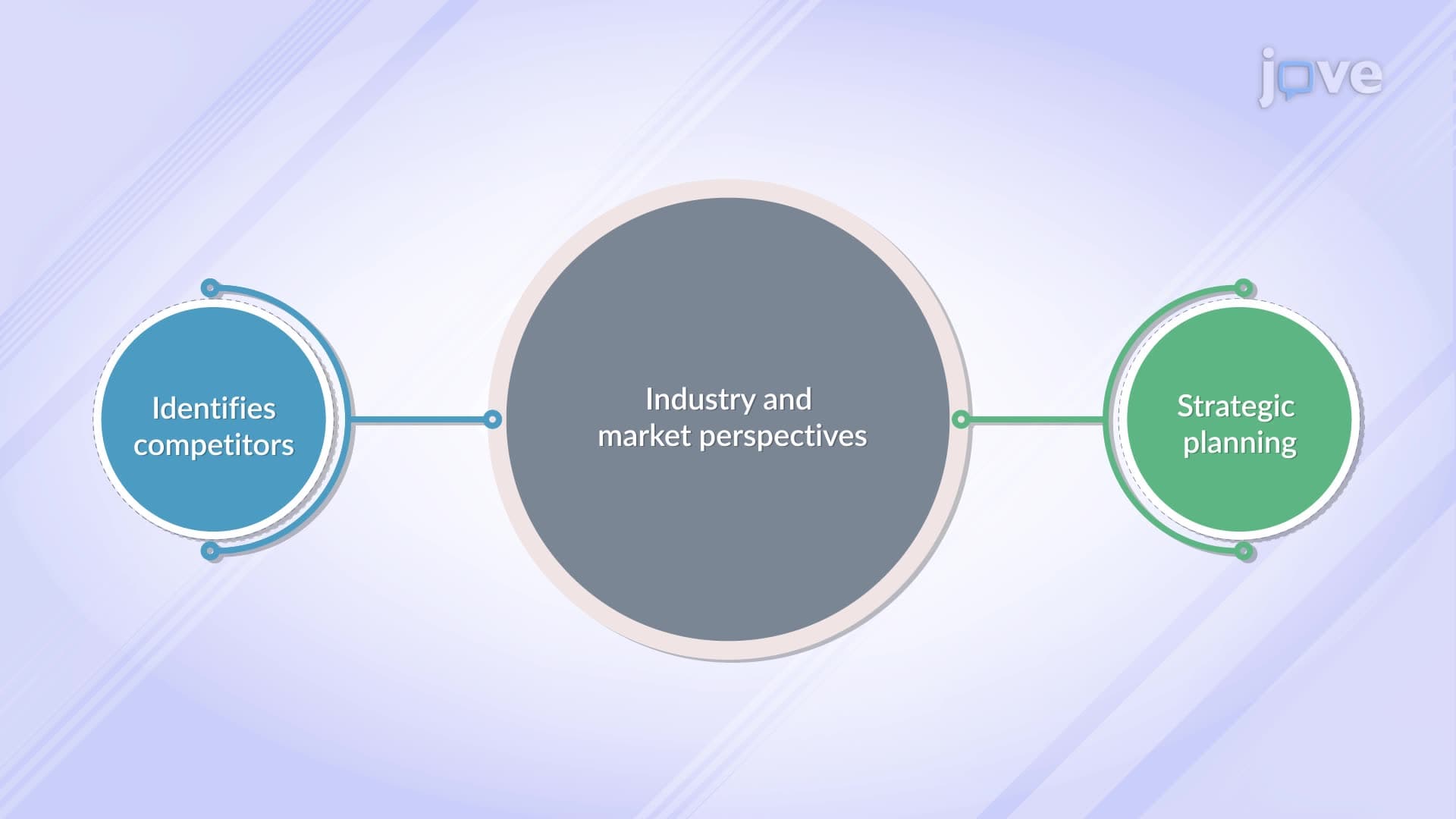
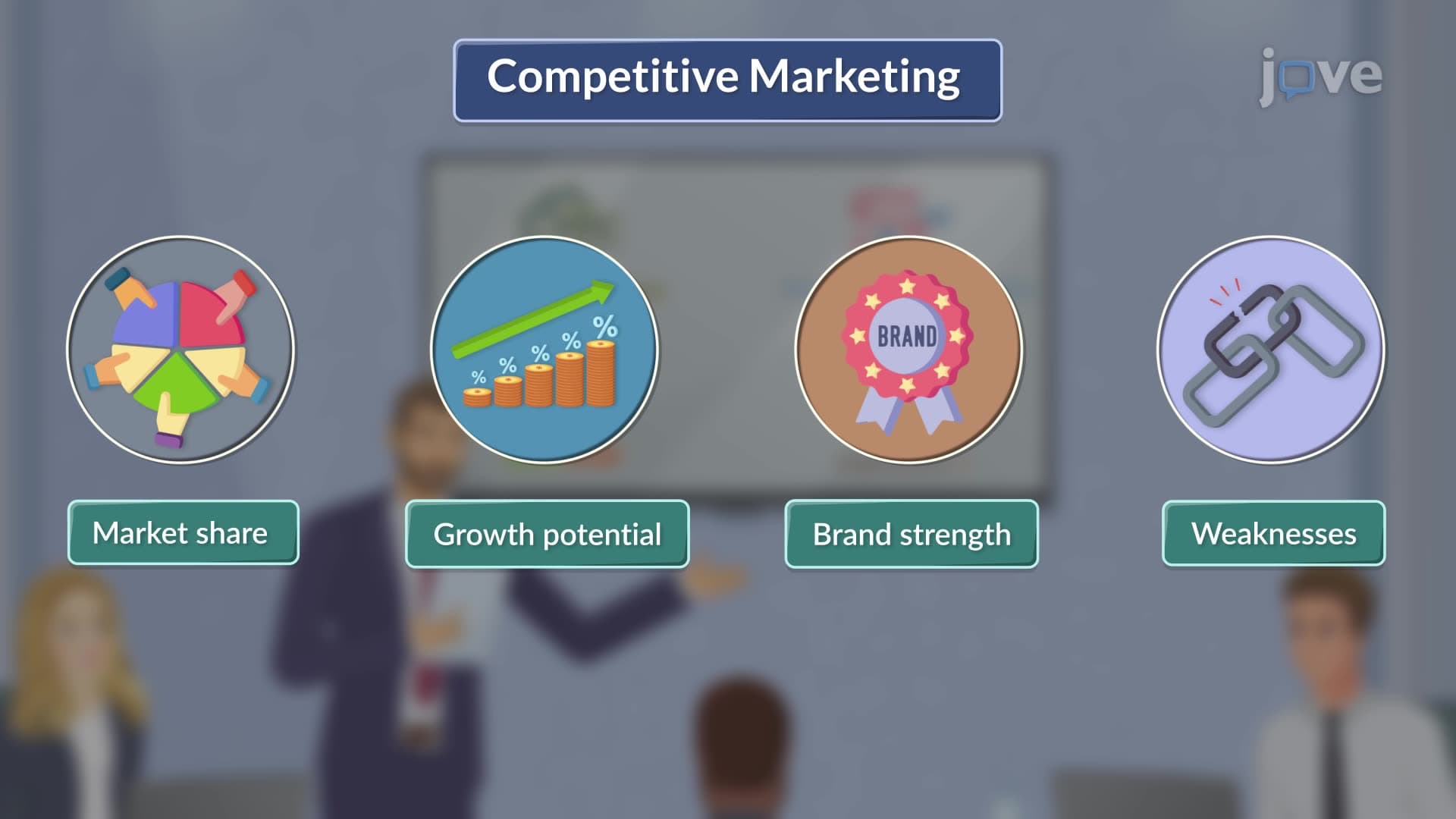
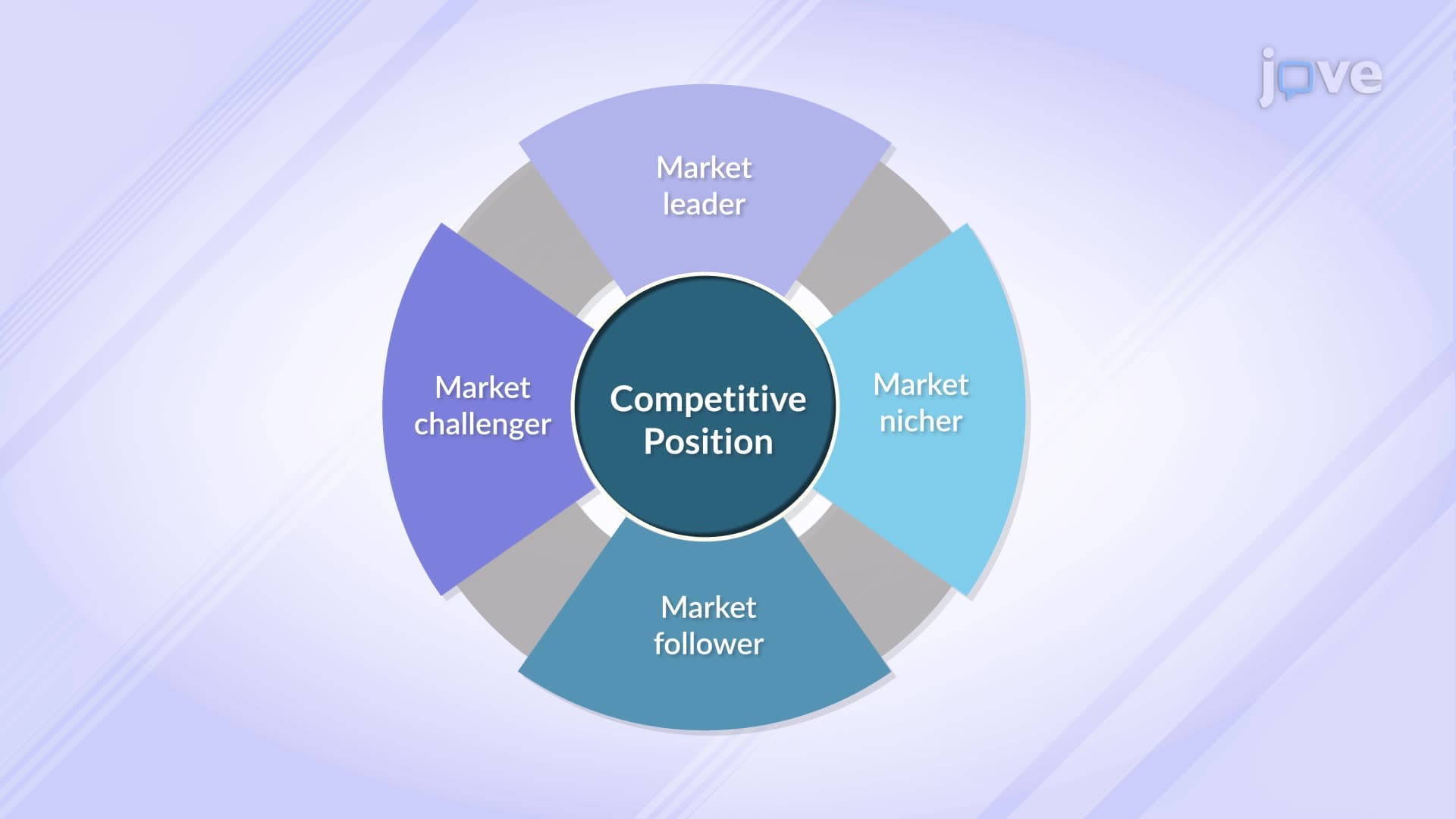
Competitor analysis extends beyond direct rivals to include substitute products and potential market entrants. Tesla disrupted not just automotive companies but energy providers, forcing traditional automakers to accelerate electric vehicle development. The external environment-encompassing economic conditions, regulatory changes, and technological shifts-creates both threats and opportunities that savvy organizations leverage strategically.
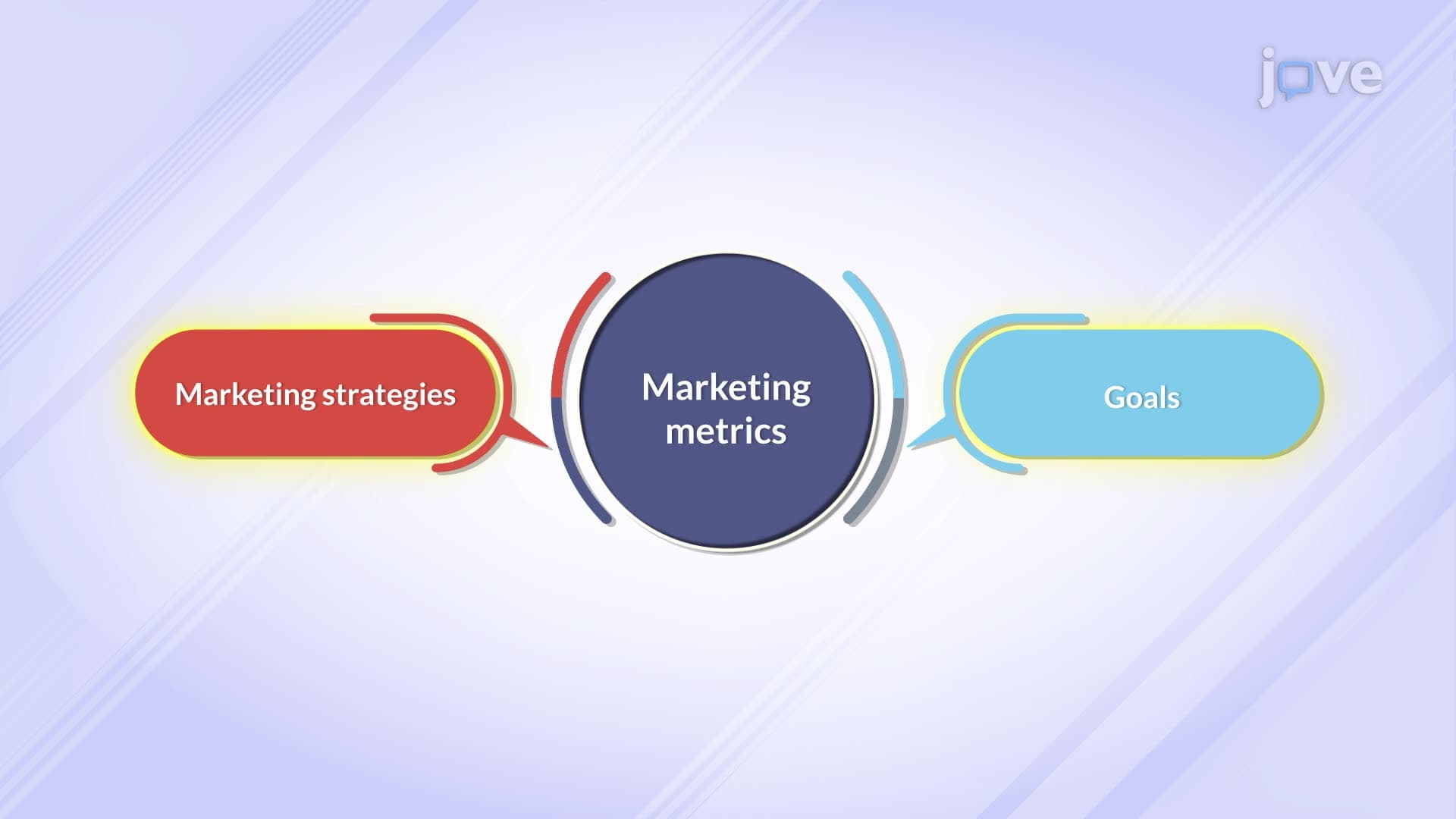
Successful marketing strategy implementation requires systematic resource allocation and performance measurement. Companies like Salesforce continuously adapt their positioning based on market feedback, regulatory changes, and competitive dynamics. Their evolution from simple CRM to comprehensive business platform illustrates how marketing strategy must remain dynamic while maintaining core value proposition consistency.
Effective marketing strategy bridges the gap between organizational capabilities and market opportunities, creating sustainable competitive advantages that drive revenue growth and market share expansion.
Related Micro-courses