Loading subject page…


6,287 views

Video Summary: Data Privacy and Consumer Information Protection Explained
With global data breach costs averaging $4.88 million per incident, data privacy consumer information protection has become a critical business imperative affecting customer retention and regulatory compliance. Companies like Microsoft have transformed their competitive positioning by implementing comprehensive data governance frameworks that build customer trust while avoiding costly penalties. Understanding data privacy and consumer information protection explained enables business leaders to make informed decisions about technology investments, vendor partnerships, and risk management strategies. Watch the full video on JoVE Coach to master this concept with expert-led visuals and step-by-step explanations.
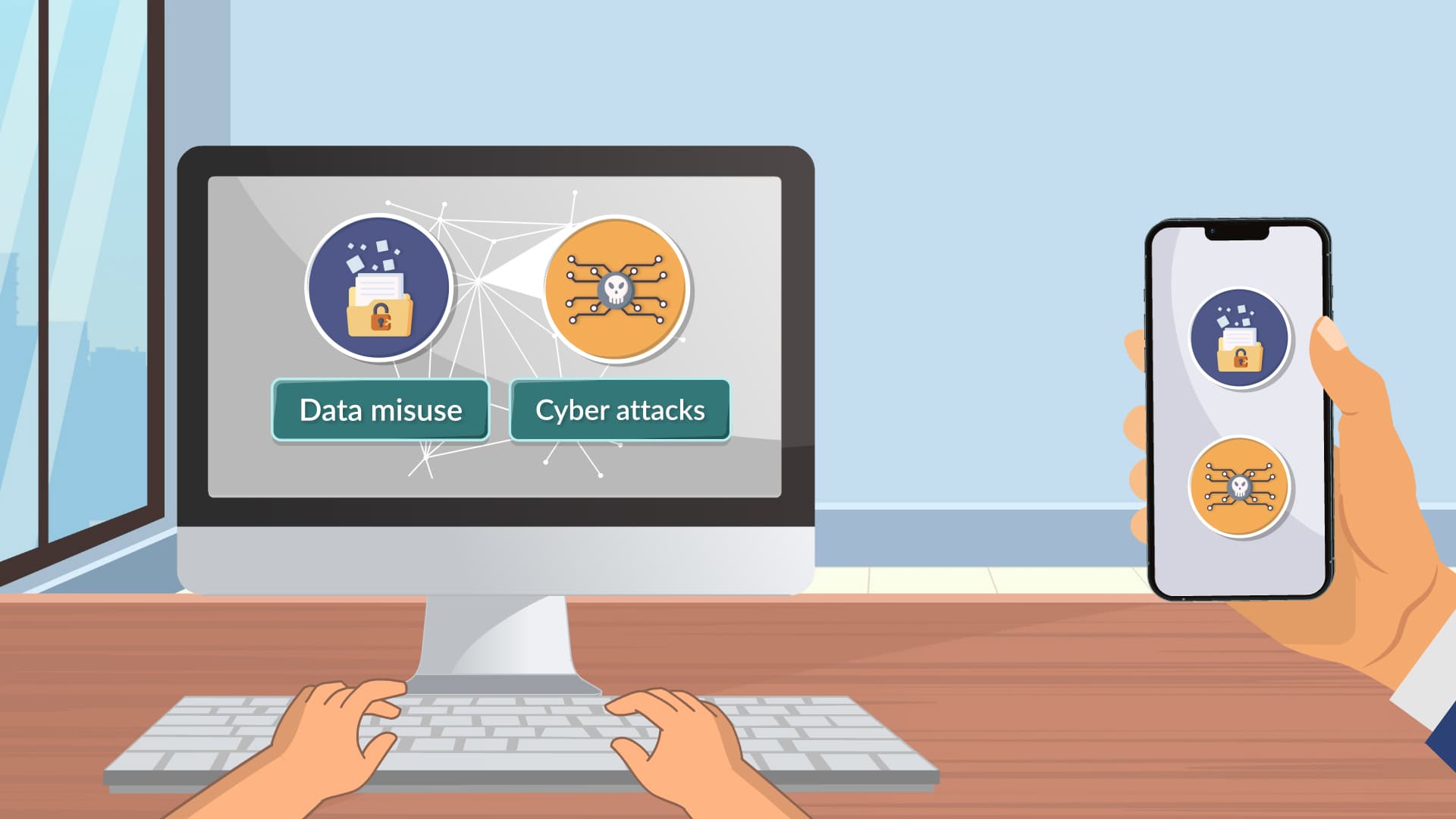
In today's hyperconnected marketplace, a single data privacy incident can destroy decades of brand equity overnight. Consider Equifax's 2017 breach, which cost the company over $1.4 billion and fundamentally altered consumer trust in financial data management. Data privacy consumer information protection has evolved from a compliance checkbox to a core business strategy that directly impacts customer lifetime value, acquisition costs, and market capitalization.
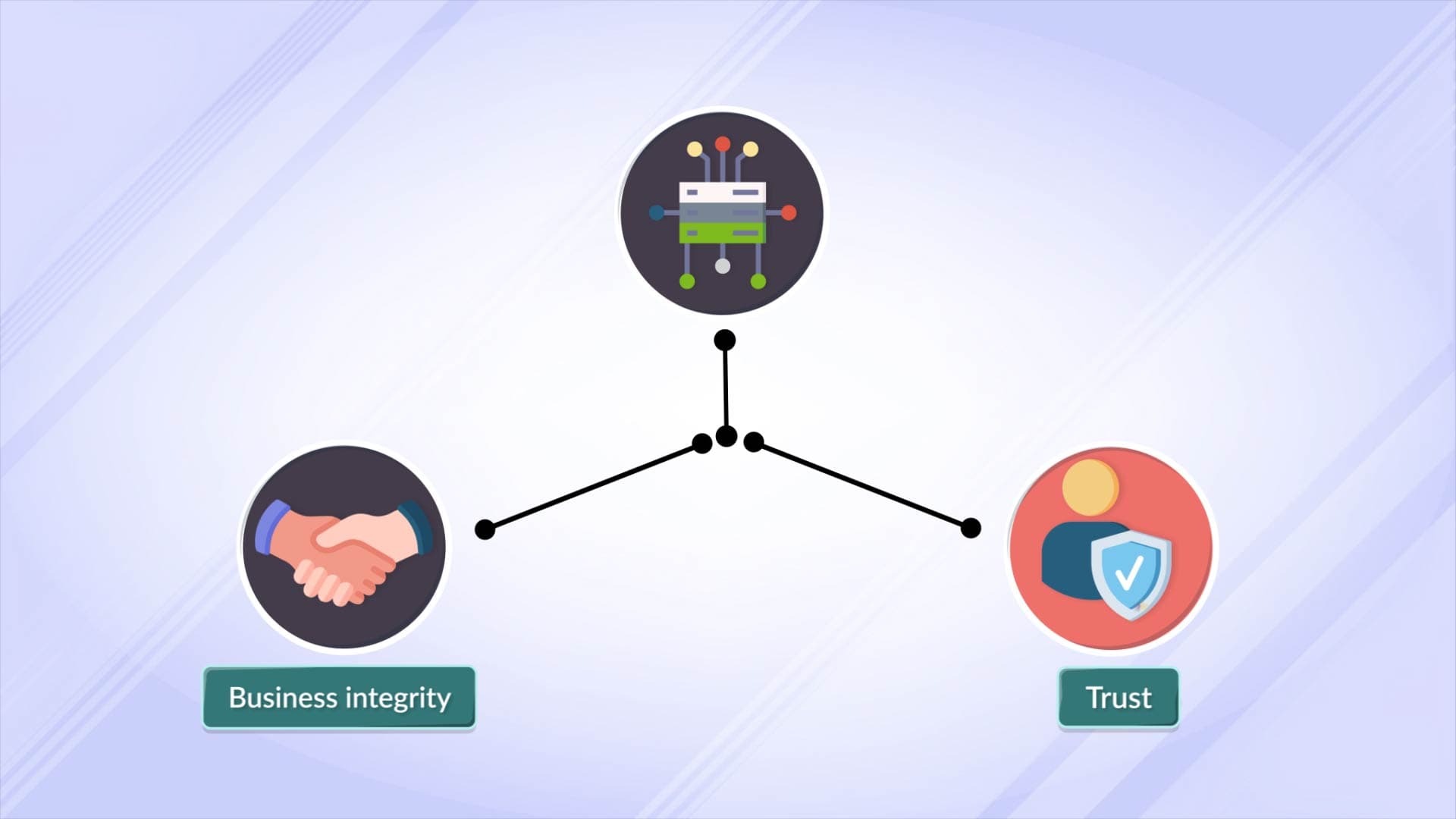
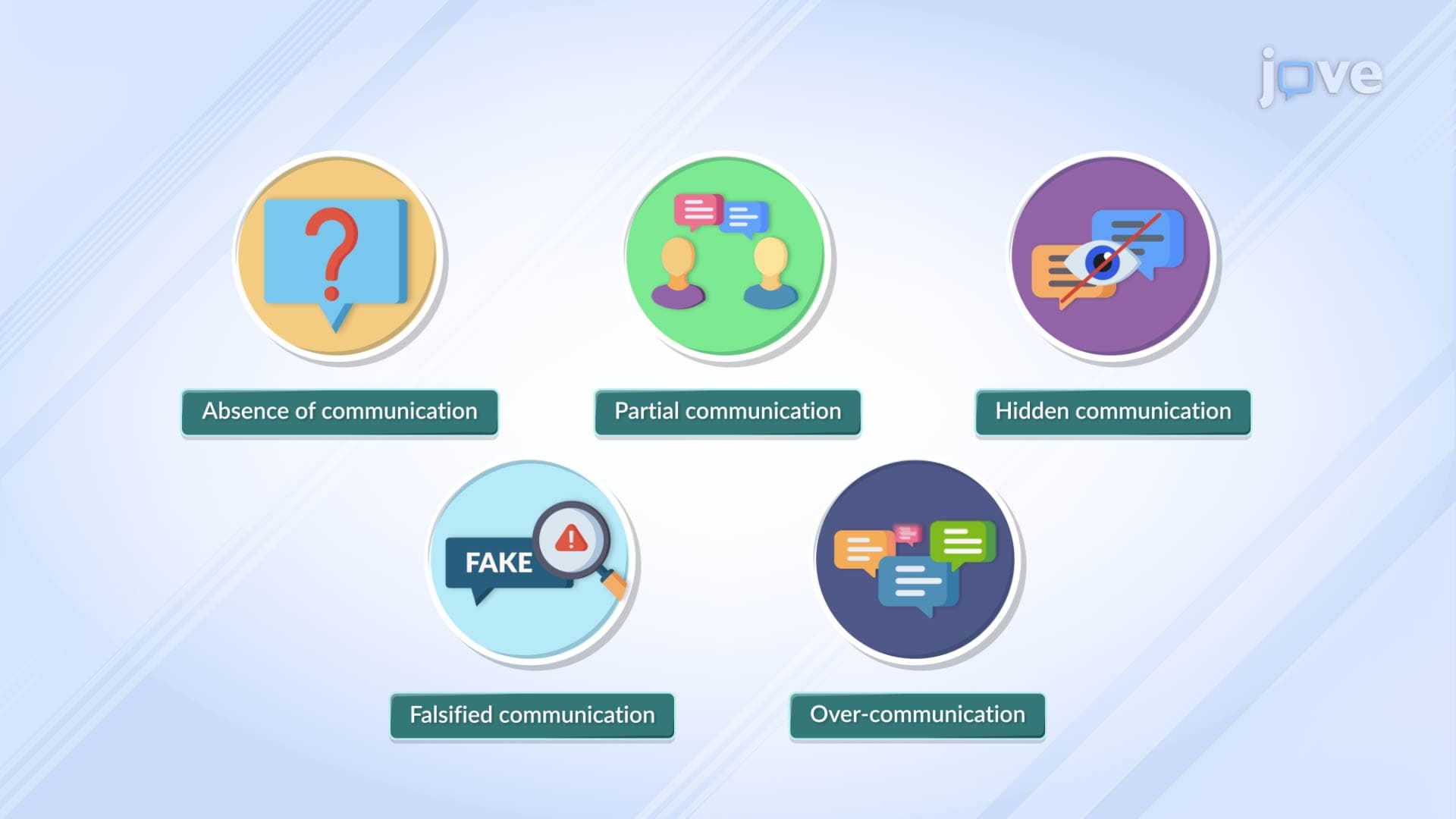
Leading organizations recognize that robust data privacy and consumer information protection creates measurable competitive advantages. Apple's privacy-first approach has enabled premium pricing strategies and customer loyalty metrics that competitors struggle to match. The company's clear communication about data collection policies and user consent mechanisms has become a key differentiator in hardware sales and services revenue. Similarly, Amazon Web Services has captured significant enterprise market share by positioning its encryption and secure server infrastructure as business-critical capabilities that enable client companies to protect their own customer relationships.
Successful data privacy programs require executive-level strategic thinking beyond basic compliance. Google's purpose limitation approach-collecting only specific, explicit data to enhance user experience-demonstrates how privacy controls can simultaneously reduce operational costs and improve product performance. This strategy minimizes data storage expenses while creating more targeted, effective customer experiences that drive revenue growth.
Microsoft's emphasis on licensed products as a data breach prevention strategy reflects sophisticated risk management thinking. Organizations using unauthorized software face compounded liability exposure: both the original security vulnerability and potential legal consequences from software vendors. This creates cascading financial risks that can impact everything from insurance premiums to M&A valuations.
Forward-thinking executives implement data privacy as a measurable business function with clear KPIs. Customer retention rates, Net Promoter Scores, and acquisition conversion rates all correlate with consumer trust in data handling practices. Organizations that enable customer data access, rectification, and deletion rights often see improved customer satisfaction metrics and reduced customer service costs. The alternative-reputational damage, sales losses, and regulatory penalties-creates quantifiable negative impacts on EBITDA and shareholder value that boards increasingly scrutinize in executive performance evaluations.
Related Micro-courses