Loading video…


 12 Concepts
 6.3K views

Video Summary: What Is Conscious Marketing
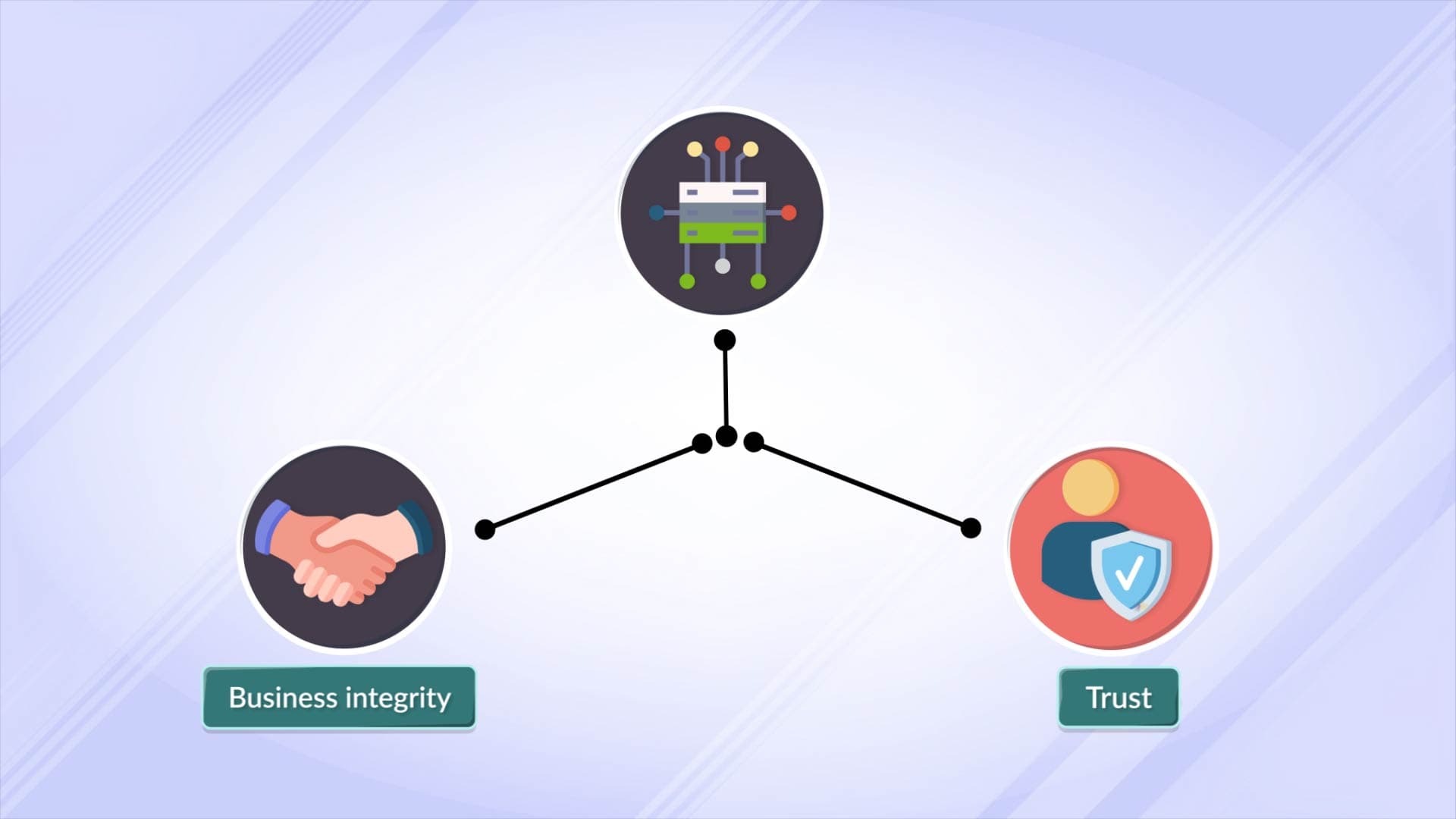
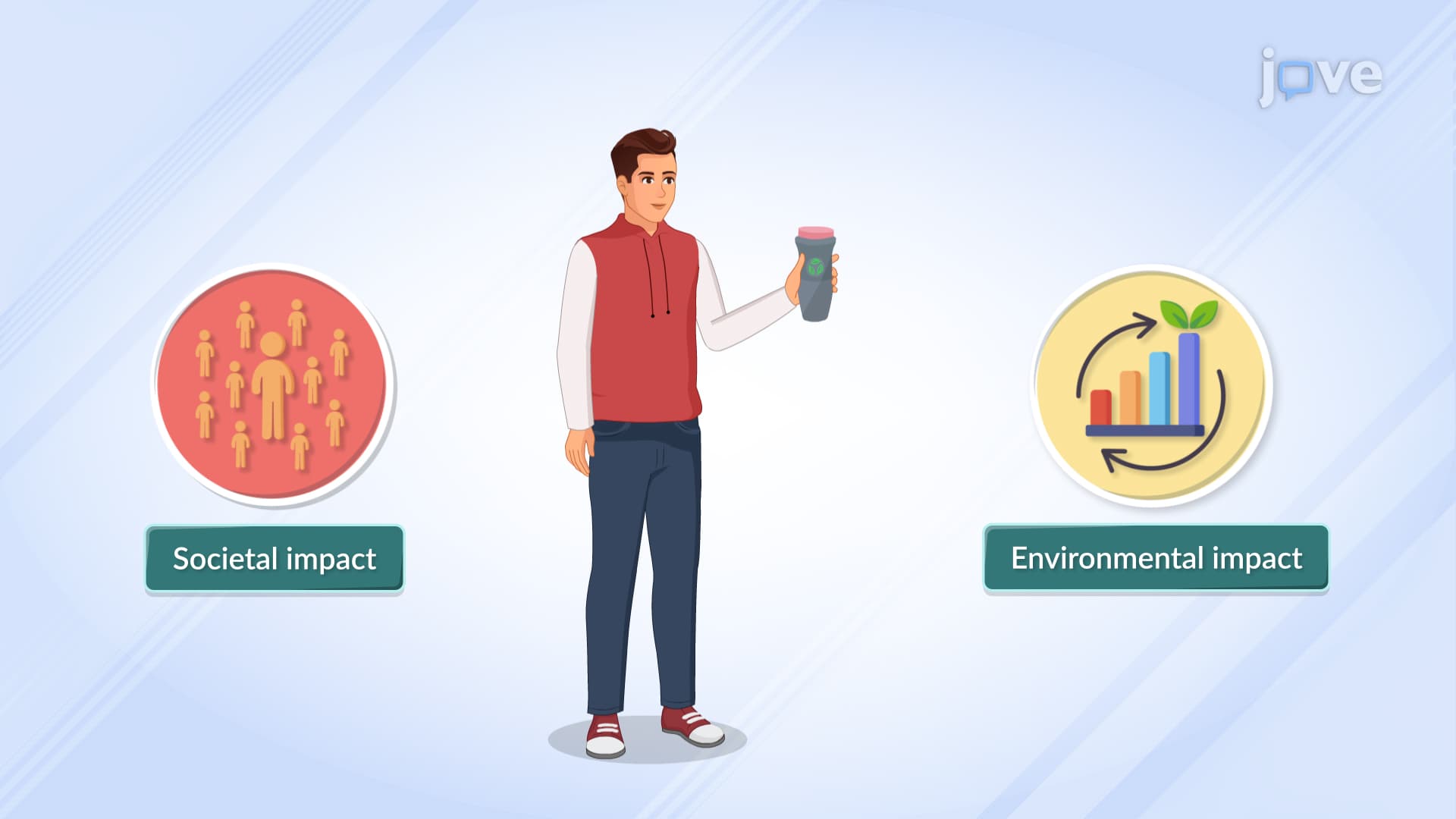
With 83% of millennials considering sustainability when making purchasing decisions, conscious marketing has evolved from a nice-to-have to a competitive necessity. This strategic approach integrates ethical practices and societal impact into core marketing operations, building authentic consumer relationships while driving business growth. Companies like Microsoft demonstrate this through their carbon-negative commitment and transparency initiatives, showcasing how conscious marketing creates measurable value for stakeholders. Watch the full video on JoVE Coach to master this concept with expert-led visuals and step-by-step explanations.
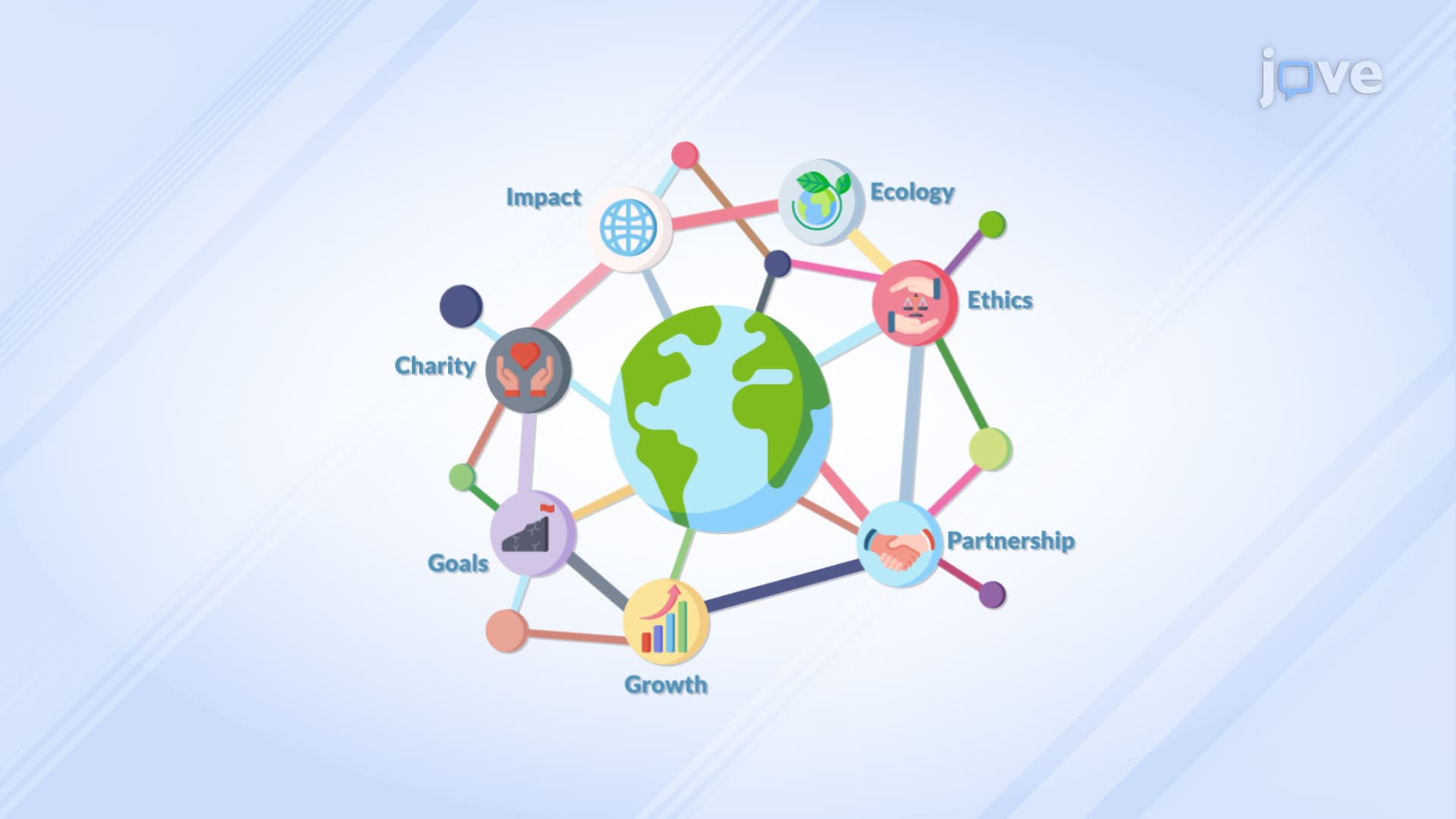
Modern executives face mounting pressure to balance profit maximization with social responsibility. Conscious marketing represents a fundamental shift from traditional promotional tactics to value-driven strategies that create sustainable competitive advantages while positively impacting society. This approach requires marketing leaders to integrate ethical considerations into every campaign decision, from messaging and channel selection to partnership choices and measurement frameworks.
Successful conscious marketing execution rests on four interconnected principles that transform how organizations approach customer engagement. First, recognizing your organization's authentic purpose beyond profit provides the foundation for credible messaging. Companies like Patagonia have built billion-dollar valuations by authentically connecting environmental activism with outdoor gear sales, demonstrating how purpose alignment drives both mission and margins.
Second, stakeholder consideration extends beyond immediate customers to include employees, communities, suppliers, and shareholders. This comprehensive view helps marketing leaders anticipate potential controversies while identifying untapped market opportunities. When Salesforce implemented pay equity initiatives, their conscious marketing approach attracted top talent while strengthening customer relationships with values-aligned organizations.
The third principle focuses on fostering ethical leadership and culture within marketing organizations. This involves establishing clear guidelines for campaign development, vendor selection, and crisis response protocols. Marketing teams must develop frameworks for evaluating potential partnerships, ensuring alignment with stated values while maintaining business objectives.
Finally, ethical decision-making processes create consistency across all marketing touchpoints. This systematic approach helps organizations navigate complex scenarios like influencer partnerships, data collection practices, and competitive positioning. Companies that excel in this area, such as Ben & Jerry's with their social mission integration, demonstrate how conscious marketing decisions can differentiate brands in saturated markets while building sustainable customer loyalty and premium pricing power.
Related Micro-courses