Loading subject page…


6,287 views

Video Summary: What Is Deceptive Practices
Deceptive practices cost US businesses billions annually in consumer trust erosion and regulatory penalties, making this knowledge essential for protecting brand integrity. These manipulative marketing tactics range from Wells Fargo's fake account scandals to subtle omissions in product messaging. Understanding what is deceptive practices enables professionals to navigate complex compliance landscapes while maintaining competitive advantage. Watch the full video on JoVE Coach to master this concept with expert-led visuals and step-by-step explanations.
When Theranos collapsed in 2016, it highlighted how deceptive practices can destroy billions in market value overnight. For business professionals, recognizing and preventing these practices isn't just about compliance-it's about sustainable competitive advantage and stakeholder trust.
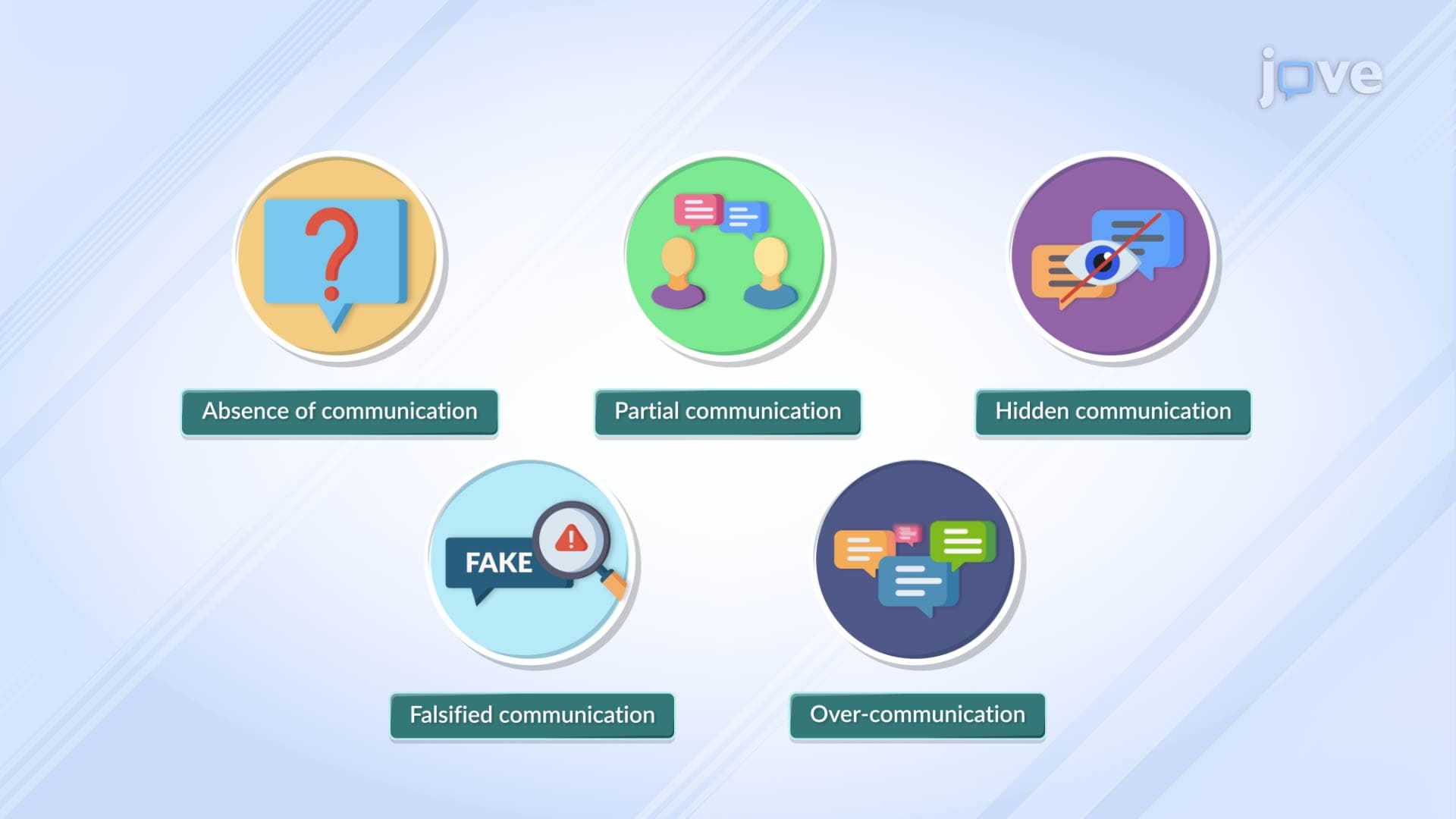
Absence of Critical Information represents the most common form of deception in B2B contexts. Consider how software companies promote "unlimited" storage without disclosing bandwidth throttling after specific usage thresholds. This omission strategy appears in everything from SaaS pricing to supply chain partnerships, where key limitations remain buried in lengthy contracts.
Falsified Communication involves outright misrepresentation of capabilities or results. The recent scrutiny of ESG reporting demonstrates how companies face severe consequences when sustainability claims don't match actual practices. Investment firms particularly must navigate this carefully when presenting fund performance data or risk assumptions to institutional clients.
Partial Communication Tactics plague industries like insurance and financial services, where complex products require careful explanation. When firms highlight potential returns while minimizing risk disclosures, they create compliance vulnerabilities and customer relationship damage. Smart professionals structure communications to address both benefits and limitations proactively.
Over-communication and Information Overload presents a sophisticated challenge. While transparency builds trust, excessive data dumps can overwhelm decision-makers and obscure critical details. Successful executives master the balance between comprehensive disclosure and digestible presentation, particularly in board presentations and investor communications.
Hidden Communication Costs extend beyond immediate regulatory penalties. When credit card companies face billions in fines for unclear fee structures, the broader industry suffers reputation damage. Forward-thinking organizations use transparency as competitive positioning, clearly articulating value propositions while competitors struggle with complex, unclear messaging.
Related Micro-courses