Loading subject page…


6,287 views

Video Summary: What Is Ethics in Data Gathering
Recent data breaches cost US companies an average of $9.48 million per incident, making ethics in data gathering a critical business competency. Ethics data gathering encompasses the principles and practices that ensure responsible collection, use, and protection of customer information while maintaining legal compliance and consumer trust. Companies like Apple have transformed industry standards through privacy-focused initiatives, demonstrating how ethical data practices can become competitive advantages. Understanding what is ethics in data gathering enables professionals to navigate complex privacy regulations, protect brand reputation, and build sustainable customer relationships. Watch the full video on JoVE Coach to master this concept with expert-led visuals and step-by-step explanations.
When Target's predictive analytics famously revealed a teenager's pregnancy to her father before she had disclosed it, the incident highlighted how powerful data capabilities must be balanced with ethical responsibility. Ethics in data gathering represents the intersection of legal compliance, consumer trust, and business sustainability in our data-driven economy.
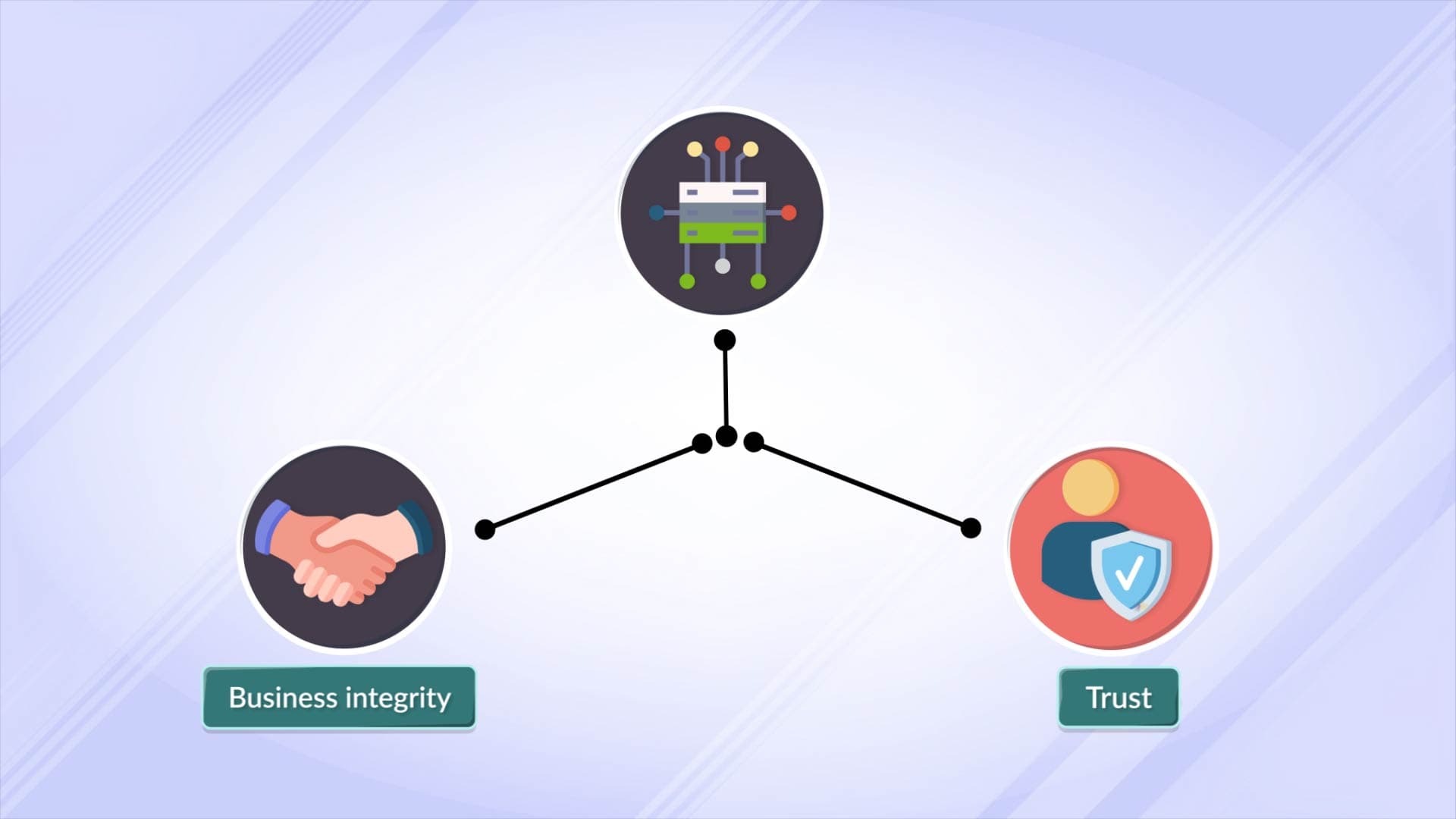
Modern enterprises collect vast amounts of customer information to drive personalization, optimize operations, and create competitive advantages. However, the stakes have never been higher. The Federal Trade Commission imposed a $5 billion fine on Facebook for privacy violations, while state-level regulations like the California Consumer Privacy Act (CCPA) create complex compliance requirements. Organizations that prioritize ethical data practices position themselves for long-term success by avoiding regulatory penalties, maintaining consumer confidence, and differentiating their brand in increasingly privacy-conscious markets.
Effective consent management forms the foundation of ethical data collection. Leading organizations implement clear, granular consent mechanisms that give consumers meaningful control over their information. Salesforce's customer data platform exemplifies this approach by providing detailed privacy controls that customers can easily access and modify.
Transparency in data usage builds the trust necessary for sustainable customer relationships. Companies must clearly communicate what data they collect, how it's used, and who has access to it. Microsoft's privacy dashboard demonstrates industry best practices by providing customers with comprehensive visibility into their data usage across all company products and services.
Data security represents the operational backbone of ethical data practices. Financial institutions like JPMorgan Chase invest billions annually in cybersecurity infrastructure, recognizing that customer trust depends on robust protection mechanisms. Multi-factor authentication, encryption protocols, and access controls aren't just technical requirements-they're strategic investments in brand reputation and customer loyalty.
Smart organizations also establish clear data retention policies, ensuring they collect only necessary information and dispose of it appropriately. This approach reduces storage costs, minimizes security risks, and demonstrates respect for customer privacy preferences.
Related Micro-courses