Loading video…


 12 Concepts
 6.3K views

Video Summary: What Is Sustainable Marketing
Consumer expectations are driving 73% of global companies to fundamentally reshape their marketing strategies, with sustainable marketing emerging as a critical competitive differentiator. This comprehensive framework balances environmental responsibility with profitable growth through five core principles. Companies like Patagonia have demonstrated how consumer-focused, value-based approaches can drive both brand loyalty and bottom-line results while addressing societal needs. Watch the full video on JoVE Coach to master this concept with expert-led visuals and step-by-step explanations.
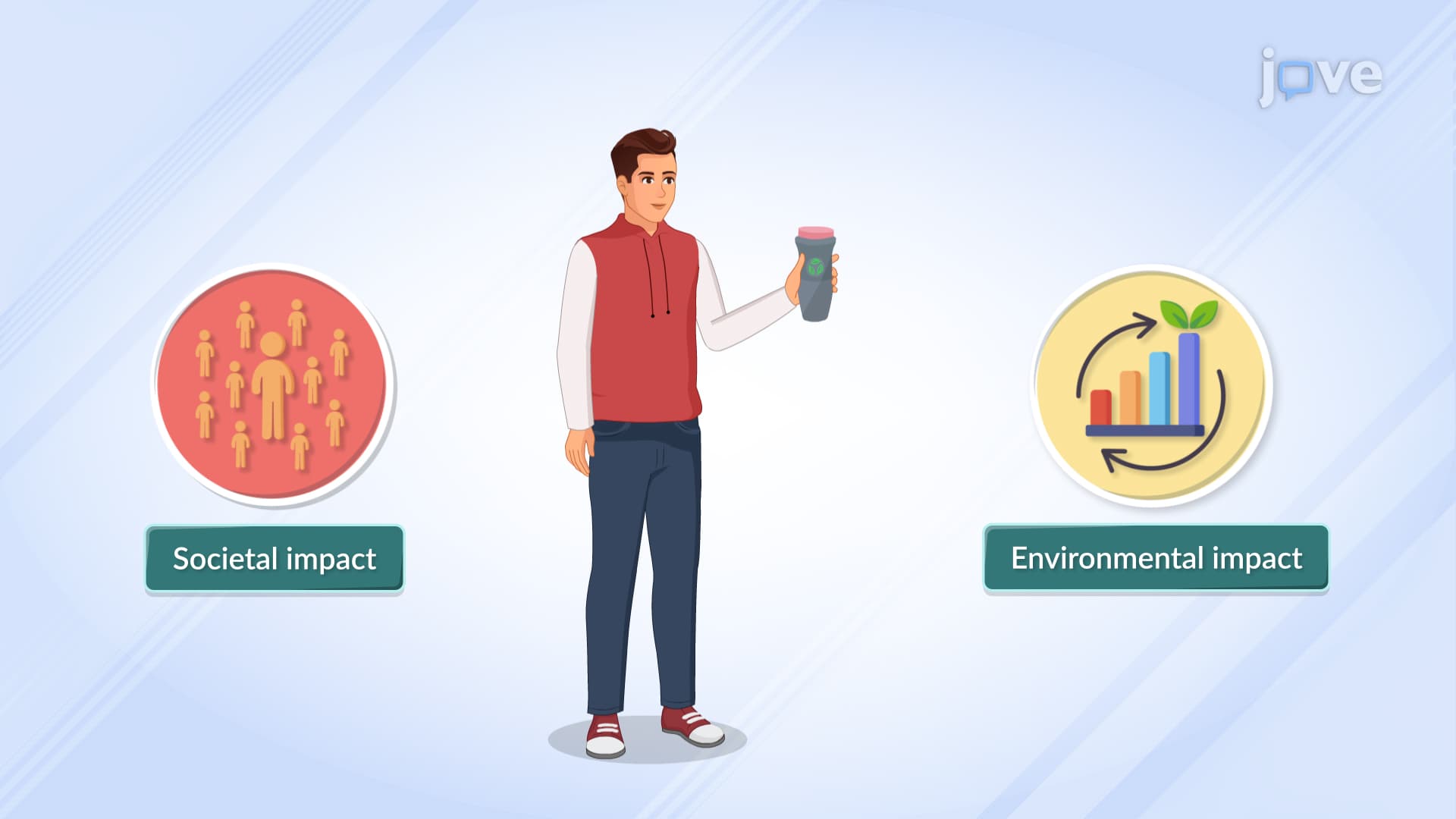
When Unilever announced its Sustainable Living Plan, targeting $1 billion in sales from sustainable brands, it wasn't just making a corporate social responsibility statement-it was responding to fundamental shifts in consumer behavior and investor expectations. Sustainable marketing represents a strategic evolution beyond traditional profit-maximization models, integrating environmental stewardship and social responsibility into core business operations while maintaining financial viability.
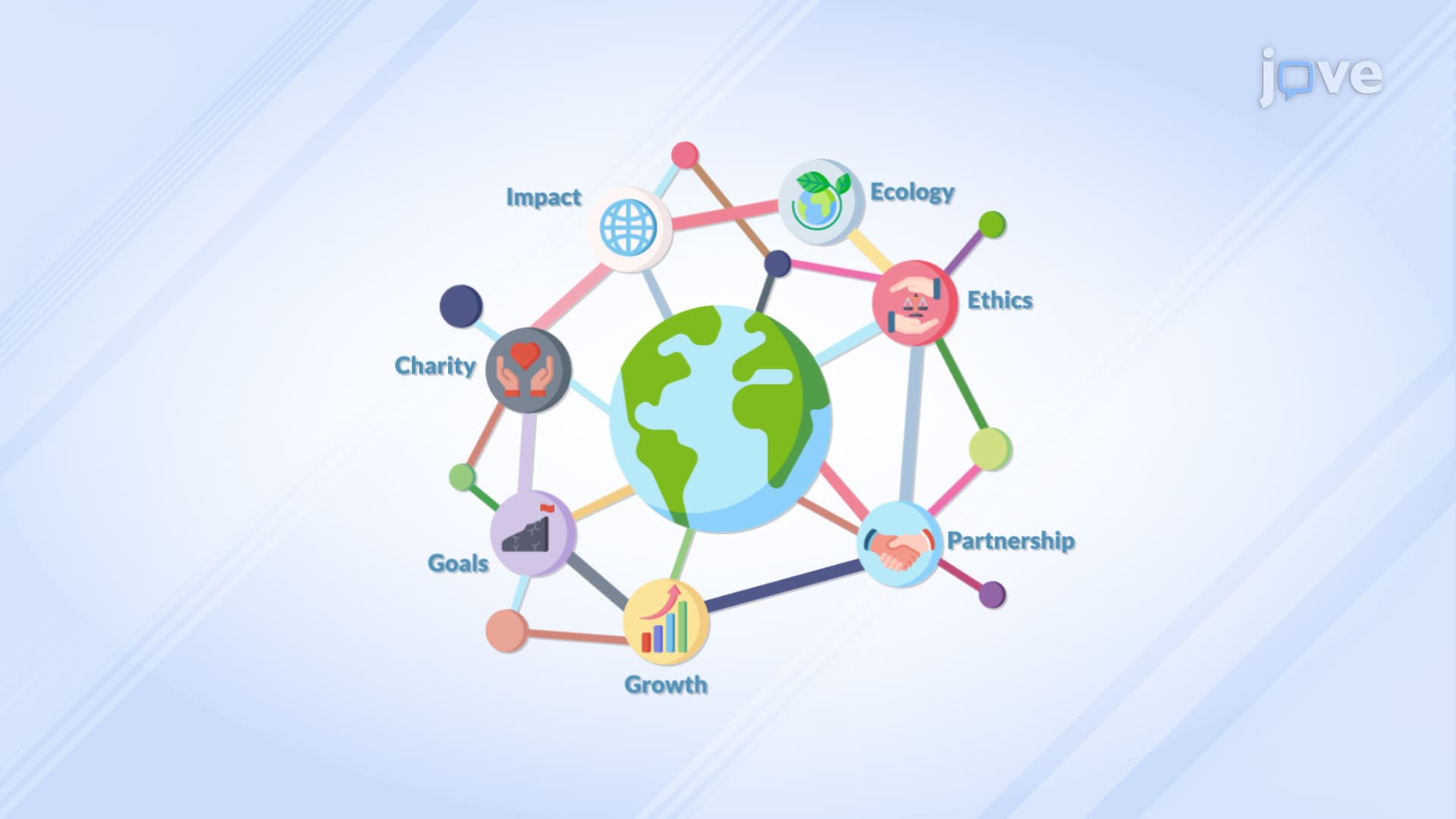
The sustainable marketing model operates on five interconnected principles that create competitive advantage. Consumer-focused marketing has evolved beyond demographic targeting to values-based segmentation. When Coca-Cola reduced sugar content across its portfolio and introduced Coca-Cola Life with natural sweeteners, it responded to health-conscious consumer demands while preserving market share in declining categories.
Value-based marketing creates differentiation through authentic community impact. Whole Foods Market's commitment to locally-sourced products doesn't just reduce transportation costs-it builds customer loyalty through transparent supply chain practices and community economic development, justifying premium pricing strategies.
Innovative marketing in sustainability contexts drives both cost reduction and revenue growth. Amazon's Frustration-Free Packaging initiative eliminated excess materials while reducing shipping costs by 15%, demonstrating how environmental innovation translates to operational efficiency. These innovations often become industry standards, creating first-mover advantages.
Mission-driven marketing aligns corporate purpose with market positioning. Starbucks' commitment to ethical sourcing through its Coffee and Farmer Equity (C.A.F.E.) practices doesn't just ensure supply chain stability-it differentiates the brand in competitive coffee markets and supports premium pricing strategies that enhance profit margins.
Societal marketing represents the strategic integration of all sustainable marketing principles. McDonald's shift toward cage-free eggs, antibiotic-free chicken, and locally-sourced ingredients addresses multiple stakeholder concerns while building operational resilience. This approach reduces regulatory risk, improves supply chain reliability, and positions the company favorably with increasingly conscious consumers and institutional investors focused on ESG criteria.
Related Micro-courses