Loading subject page…


3,495 views


Video Summary: What Is Customer Profitability Metrics I
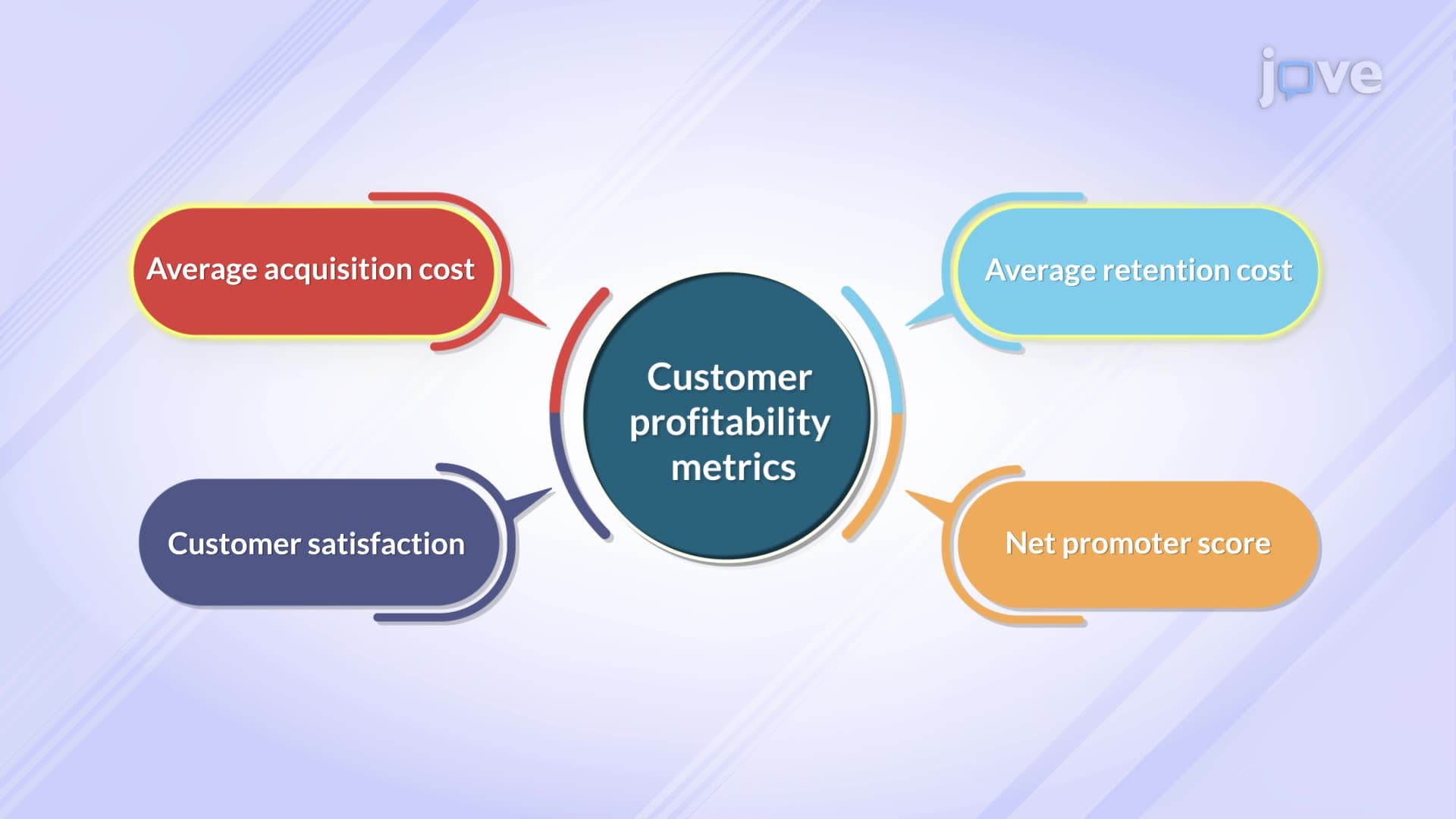
Customer profitability metrics drive critical resource allocation decisions across American enterprises, with companies like Netflix investing billions based on these insights. Customer profitability metrics definition explained reveals how organizations systematically measure customer value to optimize acquisition spending, retention strategies, and portfolio management decisions. What is customer profitability metrics i encompasses four core measurements: Customer Lifetime Value (CLV), Customer Profit, Retention Rate, and Churn Rate. These metrics directly impact executive compensation, board presentations, and competitive positioning in saturated markets. Watch the full video on JoVE Coach to master this concept with expert-led visuals and step-by-step explanations.
Modern American businesses face intensifying competition for customer attention, making customer profitability metrics essential for survival. When Starbucks decides whether to open a new location or Amazon determines Prime membership benefits, these decisions rely heavily on sophisticated customer value calculations that directly impact shareholder returns and competitive positioning.
Customer Lifetime Value (CLV) represents the cornerstone metric for strategic planning. Microsoft's Office 365 subscription model exemplifies this approach-rather than selling software once, they've created recurring revenue streams where a $99 annual subscription can generate $1,000+ over a decade. CLV calculations inform everything from sales compensation structures to marketing budget allocations, enabling executives to justify customer acquisition costs that might seem excessive in isolation.
Customer Profit Analysis moves beyond revenue to examine true profitability after all associated costs. Costco's membership model demonstrates this principle-while they operate on razor-thin product margins, membership fees create highly profitable customer relationships. This metric helps identify which customer segments actually drive bottom-line growth versus those that simply inflate top-line revenue.
Retention Rate serves as a leading indicator of business health and competitive moat strength. Apple's ecosystem creates industry-leading retention rates exceeding 90%, directly translating to predictable revenue streams and premium market valuations. High retention rates reduce acquisition costs and enable premium pricing strategies.
Churn Rate measurement enables proactive intervention strategies. When Spotify notices increased churn among specific user cohorts, they deploy targeted retention campaigns, playlist personalization, or promotional offers. Understanding churn patterns helps organizations allocate retention budgets effectively and identify product improvement opportunities before they impact broader customer bases.
These metrics collectively inform board-level strategic decisions, from market expansion priorities to product development investments, making them indispensable tools for modern business leadership.
Related Micro-courses