Loading subject page…


3,495 views

Video Summary: What Is Customer Profitability Metrics Ii
Customer profitability metrics drive critical resource allocation decisions across industries, with companies like Amazon investing billions annually in customer acquisition and retention. Understanding what is Customer Profitability Metrics II becomes essential when evaluating the true financial impact of your customer relationships beyond initial revenue figures. These advanced metrics help executives determine which customers generate sustainable value and inform strategic decisions about marketing spend, pricing strategies, and customer service investments. Watch the full video on JoVE Coach to master this concept with expert-led visuals and step-by-step explanations.
Modern businesses face mounting pressure to demonstrate clear ROI on customer investments. While basic customer metrics focus on transaction volume, customer profitability metrics definition explained reveals a more sophisticated approach to measuring true customer value. Companies like Salesforce have built billion-dollar businesses by mastering these advanced metrics to guide strategic decisions about customer relationships.
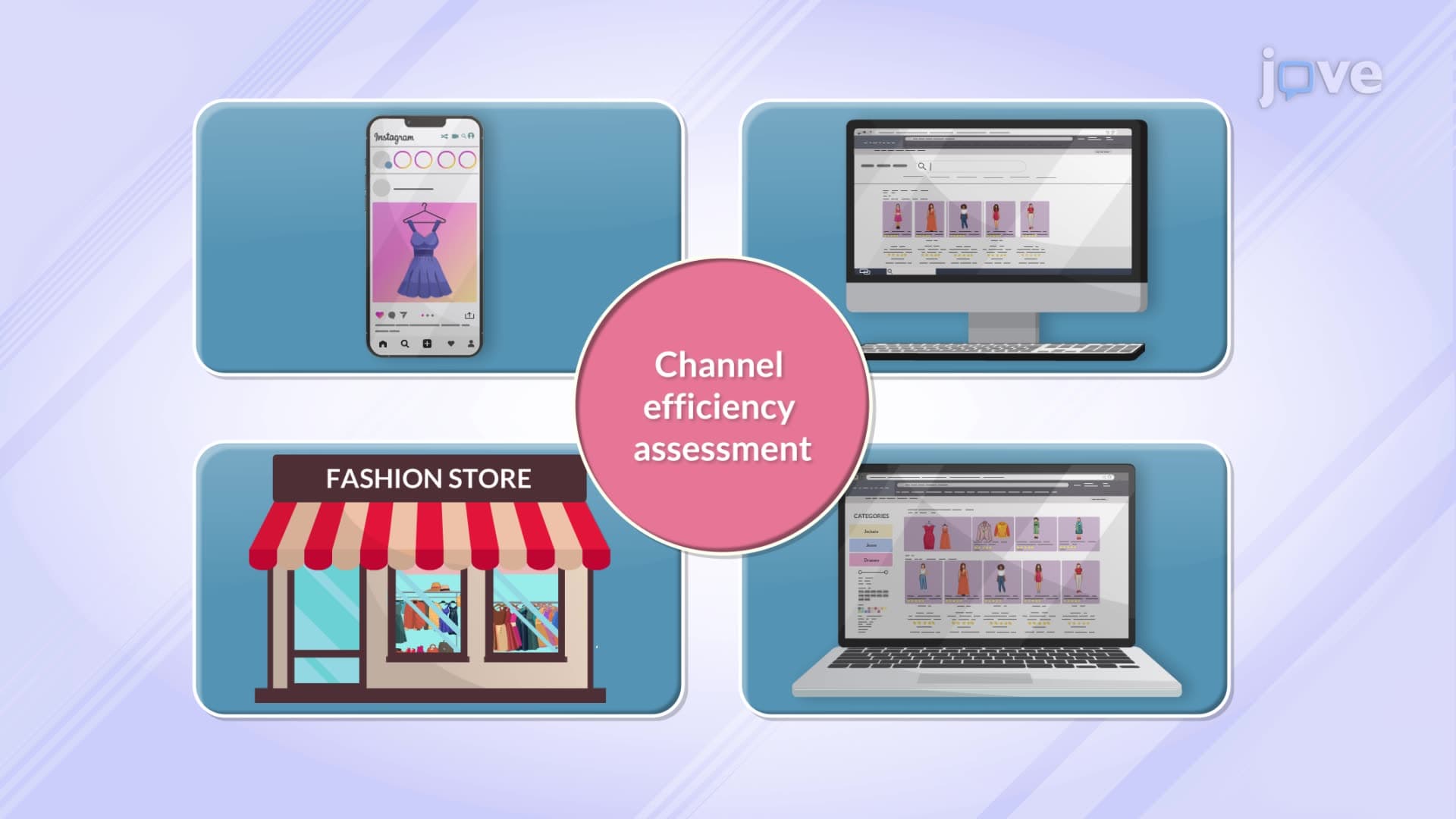
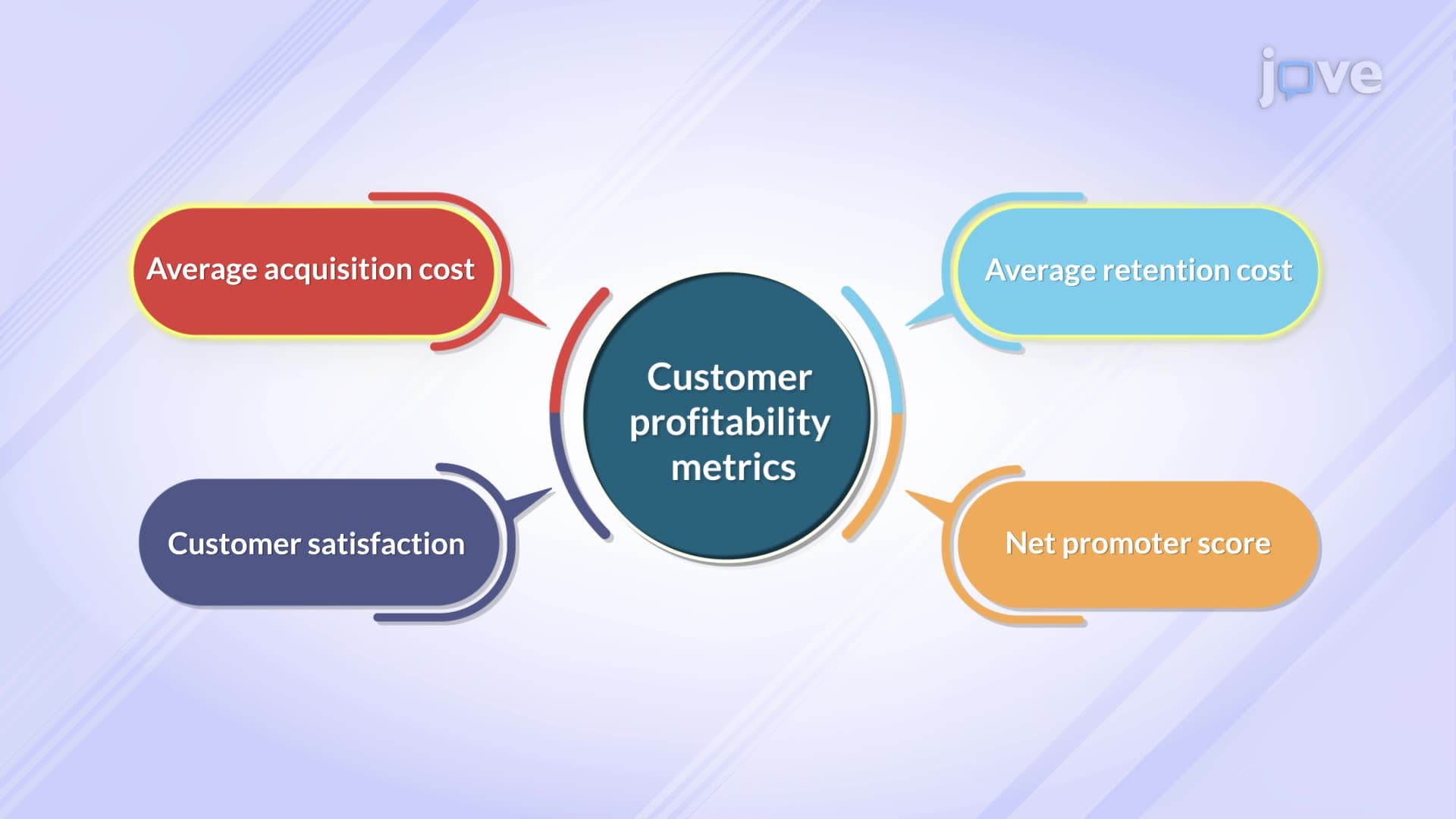
Customer acquisition cost extends far beyond advertising expenses to include sales team salaries, onboarding costs, and technology infrastructure. Netflix, for example, reports acquisition costs exceeding $100 per subscriber when factoring in content licensing, platform development, and regional marketing campaigns. Smart executives use this metric to evaluate channel effectiveness, with many discovering that referral programs often deliver lower acquisition costs than paid advertising while generating higher-quality customers.
Customer retention cost analysis reveals why subscription-based companies like Microsoft prioritize customer success teams. The customer profitability metrics concept explained shows that retention investments typically cost 5-7 times less than acquiring new customers. Progressive companies track retention costs by customer segment, discovering that enterprise clients may justify higher retention investments due to their substantial lifetime value contribution to overall profitability.
Customer satisfaction and Net Promoter Score function as early warning systems for revenue performance. Companies like Apple consistently achieve high NPS scores (70+) that correlate directly with premium pricing power and market share growth. These metrics help executives anticipate customer behavior changes before they impact financial results, enabling proactive adjustments to service delivery, product development, and pricing strategies that protect long-term profitability.
Related Micro-courses