Loading subject page…


3,495 views

Video Summary: What Is Digital Marketing Metrics I
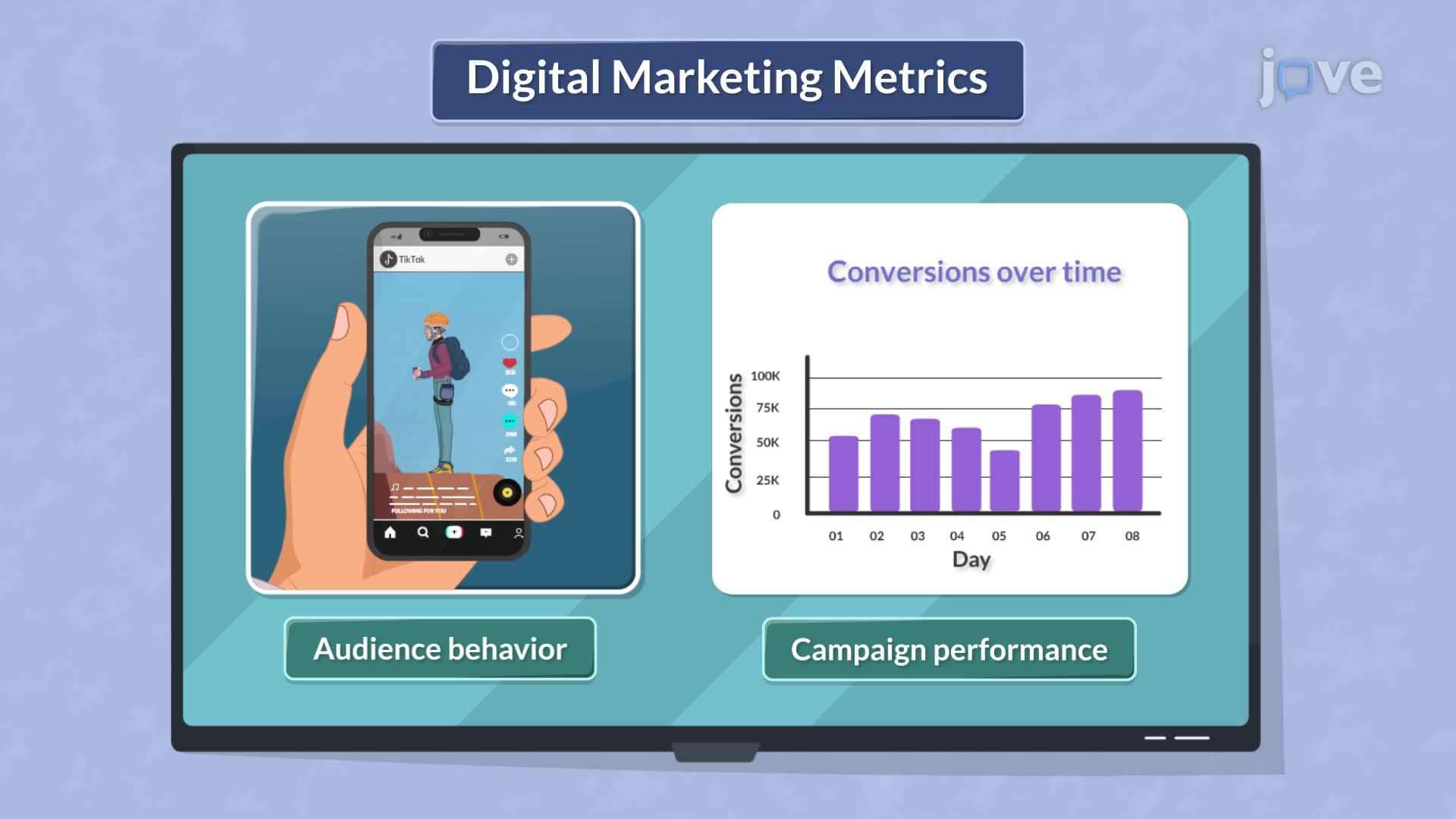
With 73% of CMOs facing board pressure to demonstrate marketing ROI, digital marketing metrics have become critical business intelligence tools for measuring campaign effectiveness and audience engagement. Companies like Amazon leverage these metrics to optimize their $11 billion annual advertising spend across traffic, engagement, financial, and revenue categories. Understanding What is Digital Marketing Metrics I enables executives to make data-driven resource allocation decisions and justify marketing investments to stakeholders. Watch the full video on JoVE Coach to master this concept with expert-led visuals and step-by-step explanations.
When Starbucks launched its mobile app initiative, executives needed concrete ways to measure success beyond traditional sales figures. This challenge illustrates why digital marketing metrics have become essential business tools for measuring campaign effectiveness, audience behavior, and return on investment across all marketing channels.
Traffic metrics serve as the foundation for understanding your digital footprint in competitive markets. Page views indicate content consumption patterns and help executives assess whether their messaging resonates with target audiences. For instance, when Nike launches seasonal campaigns, tracking page views across product categories reveals which offerings generate the most consumer interest, enabling strategic inventory and promotional decisions.
These metrics become particularly valuable during board presentations, where demonstrating reach and brand engagement supports budget requests and strategic initiatives. Traffic data also informs competitive positioning-understanding your digital presence relative to industry benchmarks helps identify market opportunities and threats.
Beyond raw traffic numbers, engagement metrics reveal the quality of customer interactions with your brand. Unique visitors and session duration provide insights into audience loyalty and content effectiveness. Companies like Home Depot use these metrics to optimize their online customer experience, ensuring that high-intent visitors convert into actual purchases.
Visit frequency patterns help marketing leaders understand customer journey complexity and identify touchpoints that require additional investment. When engagement metrics show declining session quality, it often signals the need for content strategy adjustments or user experience improvements.
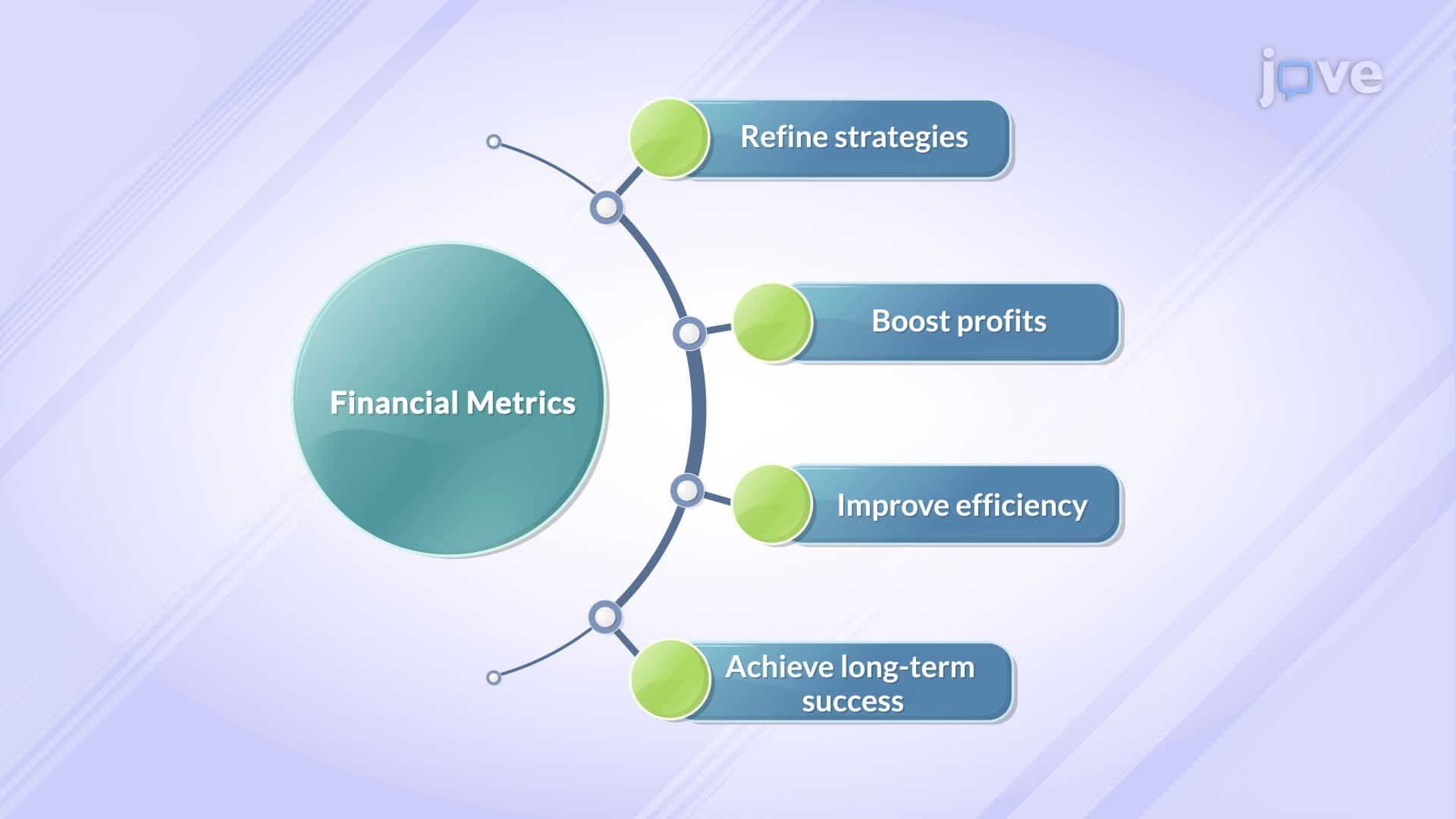
Cost per acquisition and cost per order directly link marketing activities to P&L impact, making these metrics essential for CFO and board discussions. Target Corporation extensively uses these financial metrics to optimize their omnichannel marketing approach, ensuring that digital advertising spend generates profitable customer relationships.
Average annual revenue per customer provides long-term strategic insight, helping executives understand whether their marketing investments build sustainable business value or merely generate short-term transactions. This metric becomes particularly crucial during economic uncertainty when customer retention outweighs acquisition in importance.
Related Micro-courses