Loading subject page…


3,495 views


Video Summary: What Is Measuring Marketing Metrics
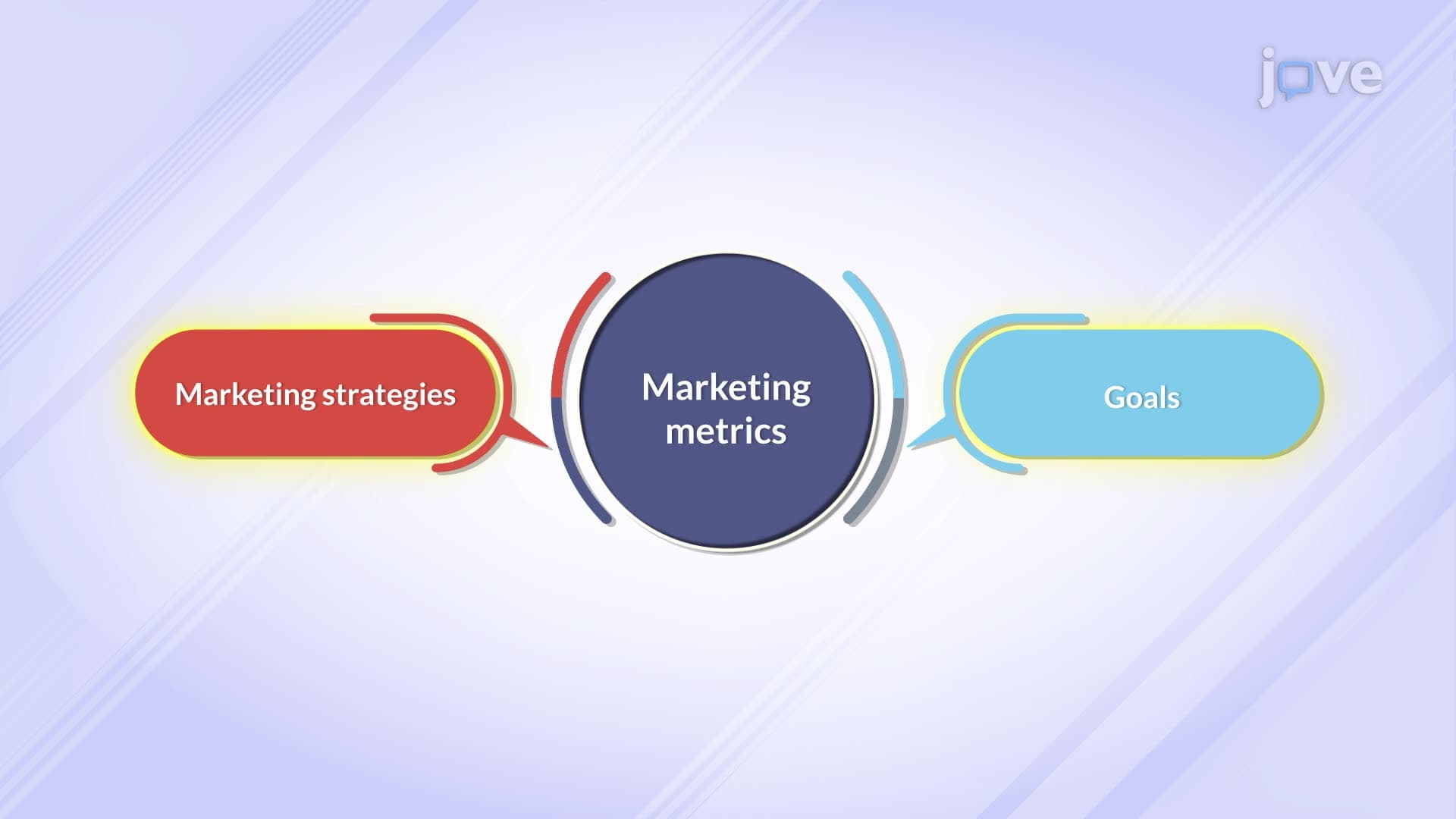
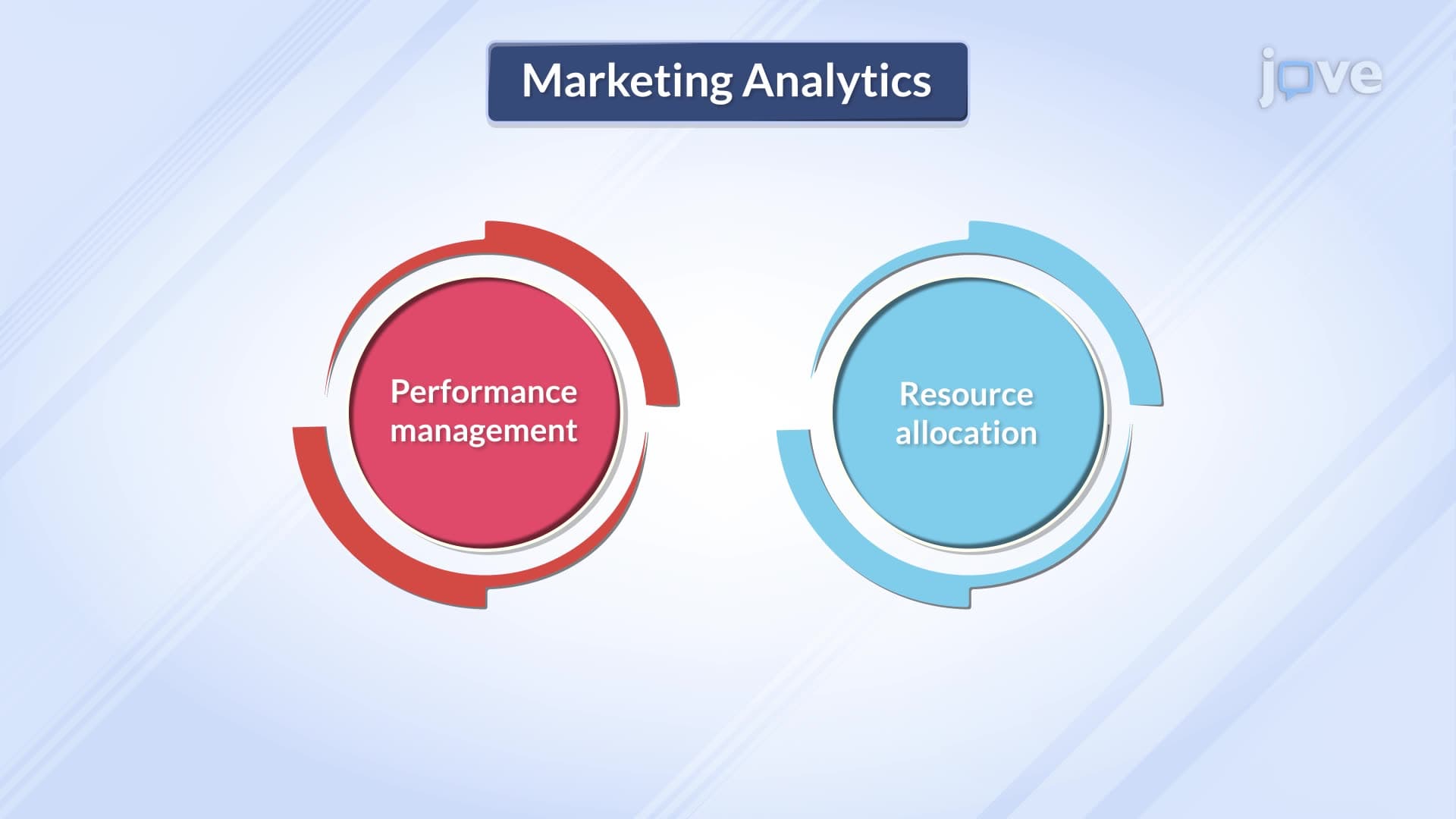
When Amazon analyzes its Prime membership growth or Nike evaluates brand loyalty across demographics, they're leveraging the power of measuring marketing metrics to drive strategic decisions. Measuring marketing metrics enables business leaders to quantify campaign effectiveness, optimize resource allocation, and demonstrate ROI to stakeholders across market share, customer acquisition, and digital engagement channels. This systematic approach transforms marketing from cost center to profit driver, providing the data foundation for competitive positioning and growth strategies. Watch the full video on JoVE Coach to master this concept with expert-led visuals and step-by-step explanations.
When Starbucks decides to expand into new metropolitan markets or Walmart evaluates the success of its digital transformation initiatives, both companies rely on comprehensive marketing metrics frameworks to guide multimillion-dollar decisions. The strategic measurement of marketing performance has evolved from simple sales tracking to sophisticated analytics that inform everything from quarterly earnings calls to long-term competitive strategy.
Market share metrics provide the foundation for understanding competitive dynamics and growth potential. Companies like Coca-Cola continuously monitor their share of throat across beverage categories, while simultaneously tracking penetration rates to identify underserved demographics or geographic regions. These metrics directly influence capacity planning, distribution strategies, and acquisition decisions. Industry leaders combine traditional market research with real-time sales data to maintain competitive advantages and respond quickly to market shifts.
Heart and mind share metrics transcend simple awareness tracking to measure emotional connection and purchase intent. Apple's consistent premium pricing strategy succeeds partly because their brand recognition and preference metrics demonstrate strong customer loyalty that translates to reduced price sensitivity. Logo recognition, aided recall, and consistent brand preference indicators help marketing executives justify advertising investments and guide brand positioning decisions during product launches or market expansions.
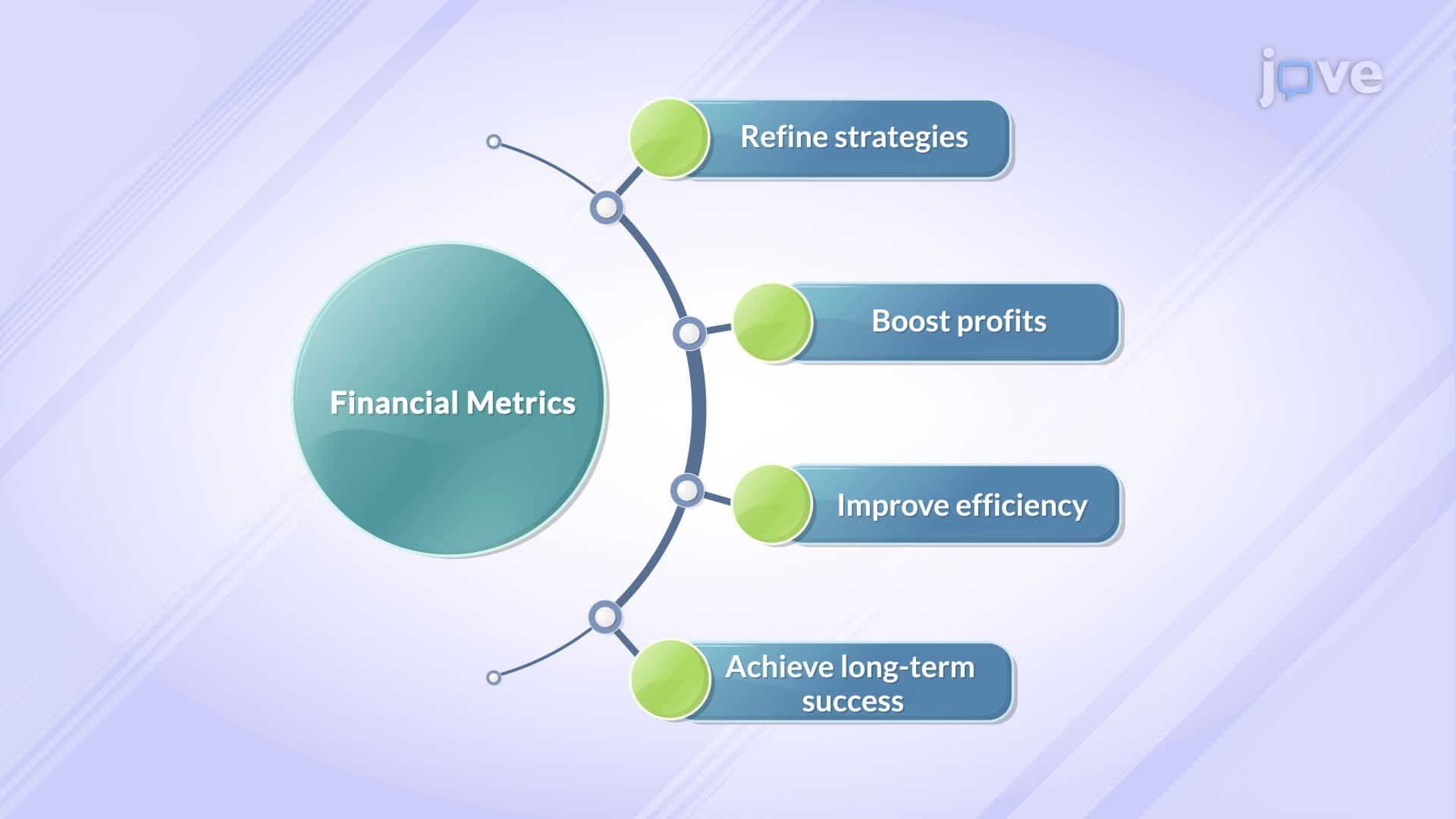
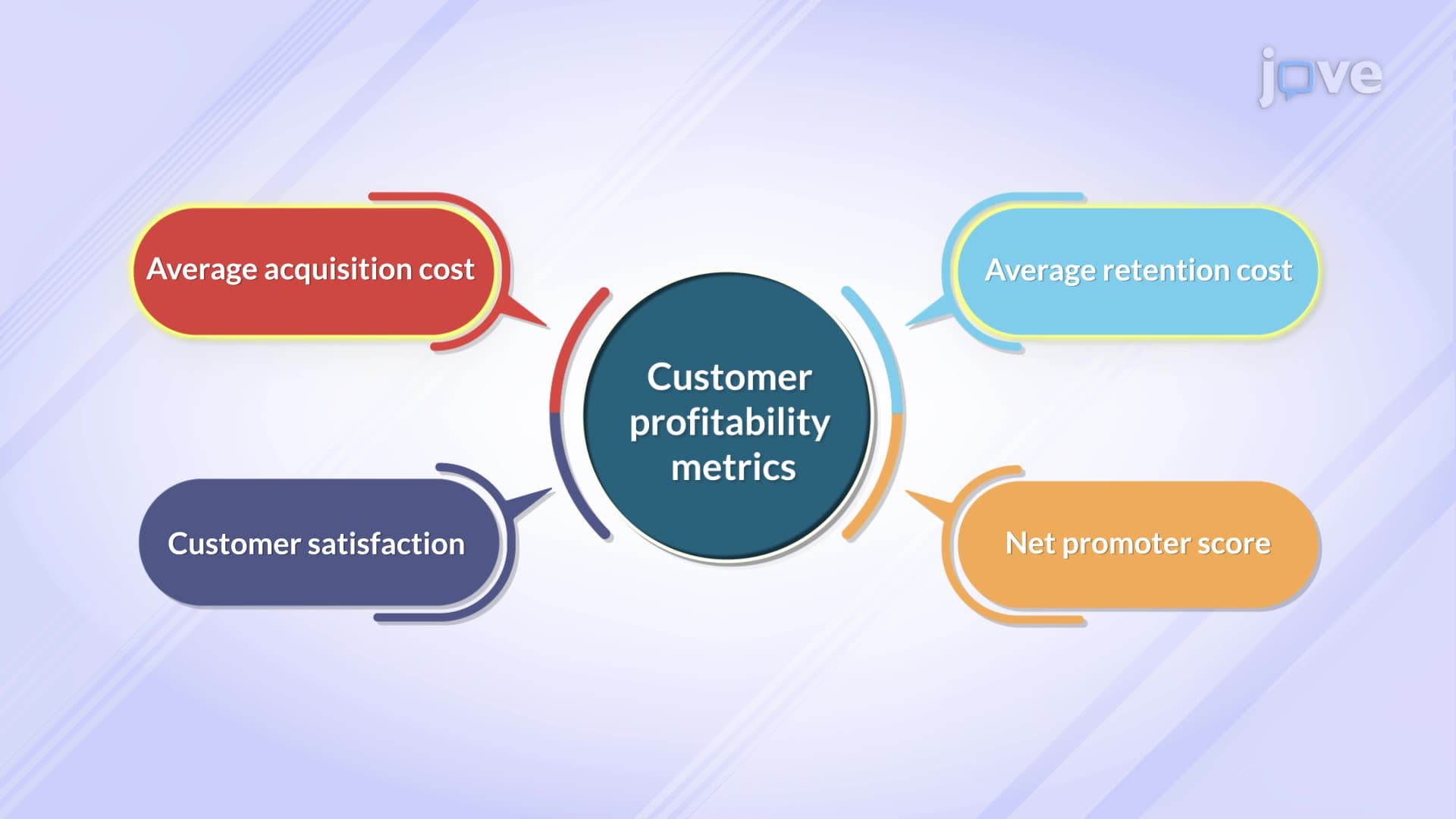
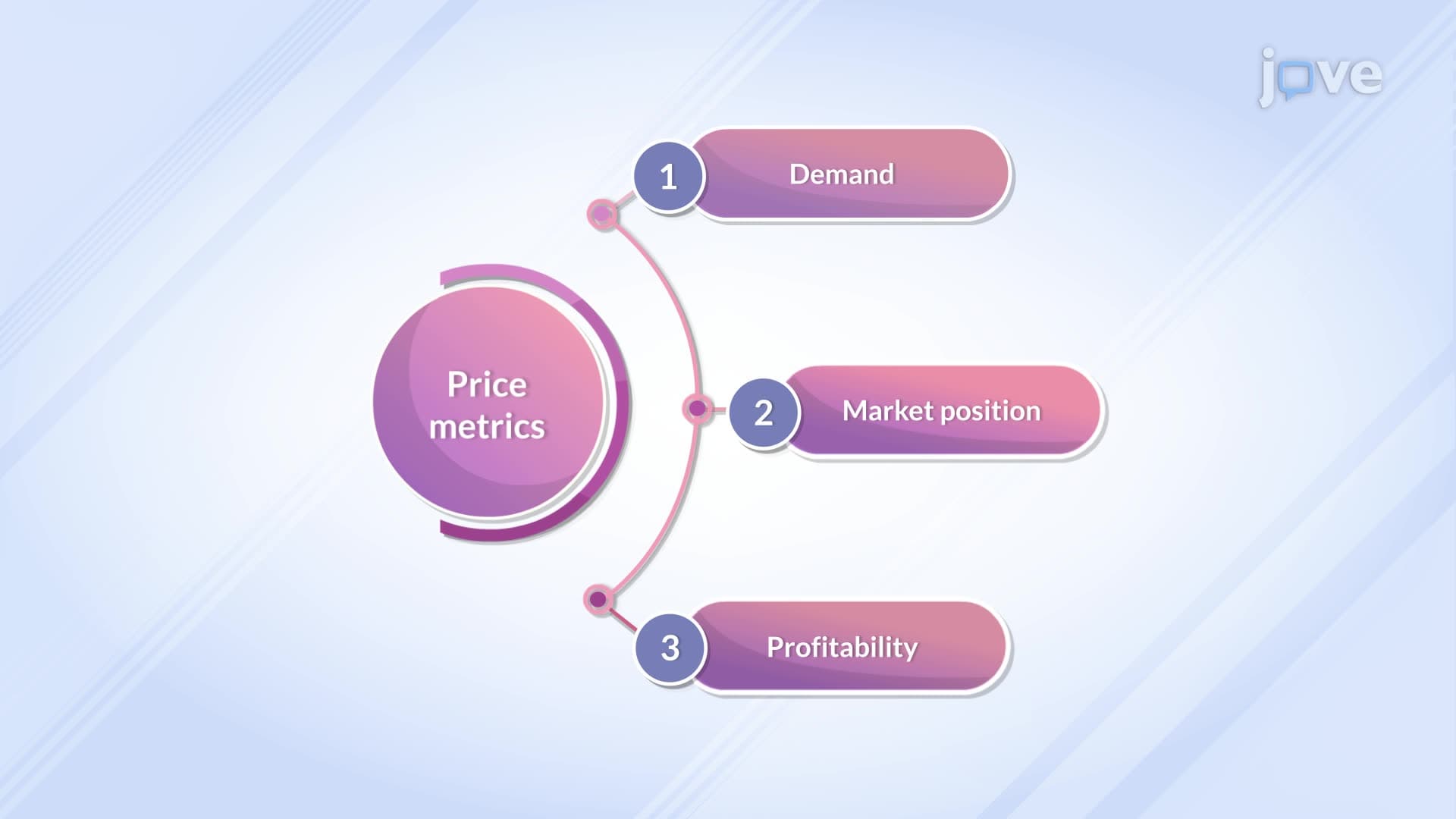
Profitability metrics transform marketing from expense to investment by connecting campaigns directly to bottom-line results. Gross margin analysis by customer segment helps companies like Target optimize their product mix and promotional strategies. Return on marketing investment calculations enable CFOs and CMOs to allocate budgets across channels, while customer acquisition cost benchmarking against lifetime value ensures sustainable growth models that satisfy both growth and profitability objectives.
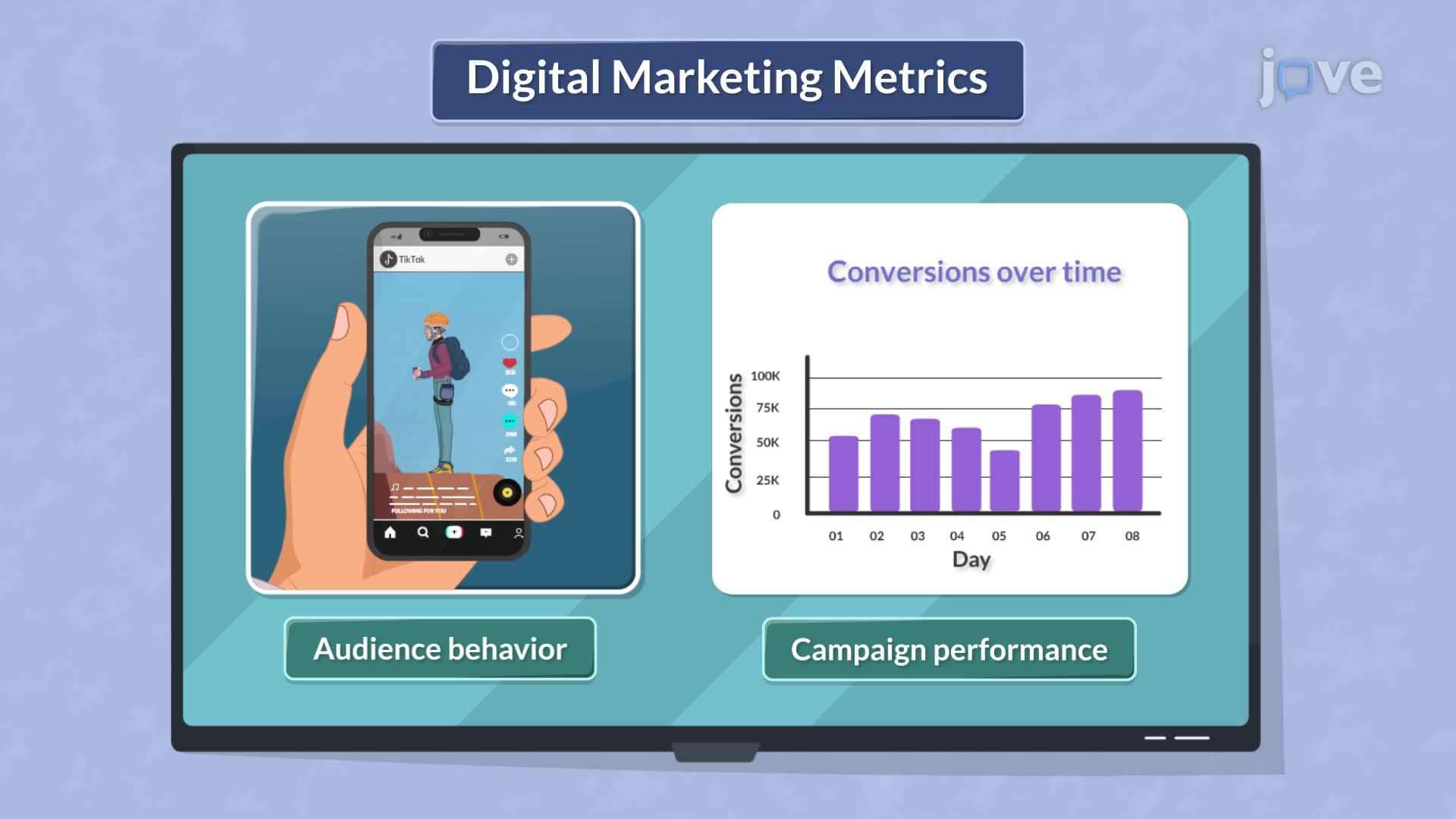
Modern marketing measurement increasingly focuses on digital touchpoints and cross-channel attribution. Companies like Home Depot integrate website traffic analysis, social media engagement metrics, and online conversion tracking to optimize their omnichannel customer experience. These digital marketing metrics inform everything from website redesigns to social media content strategies, enabling data-driven decisions about technology investments and digital marketing personnel allocation.
Related Micro-courses