Loading subject page…

3,495 views

Video Summary: What Is Price Metrics
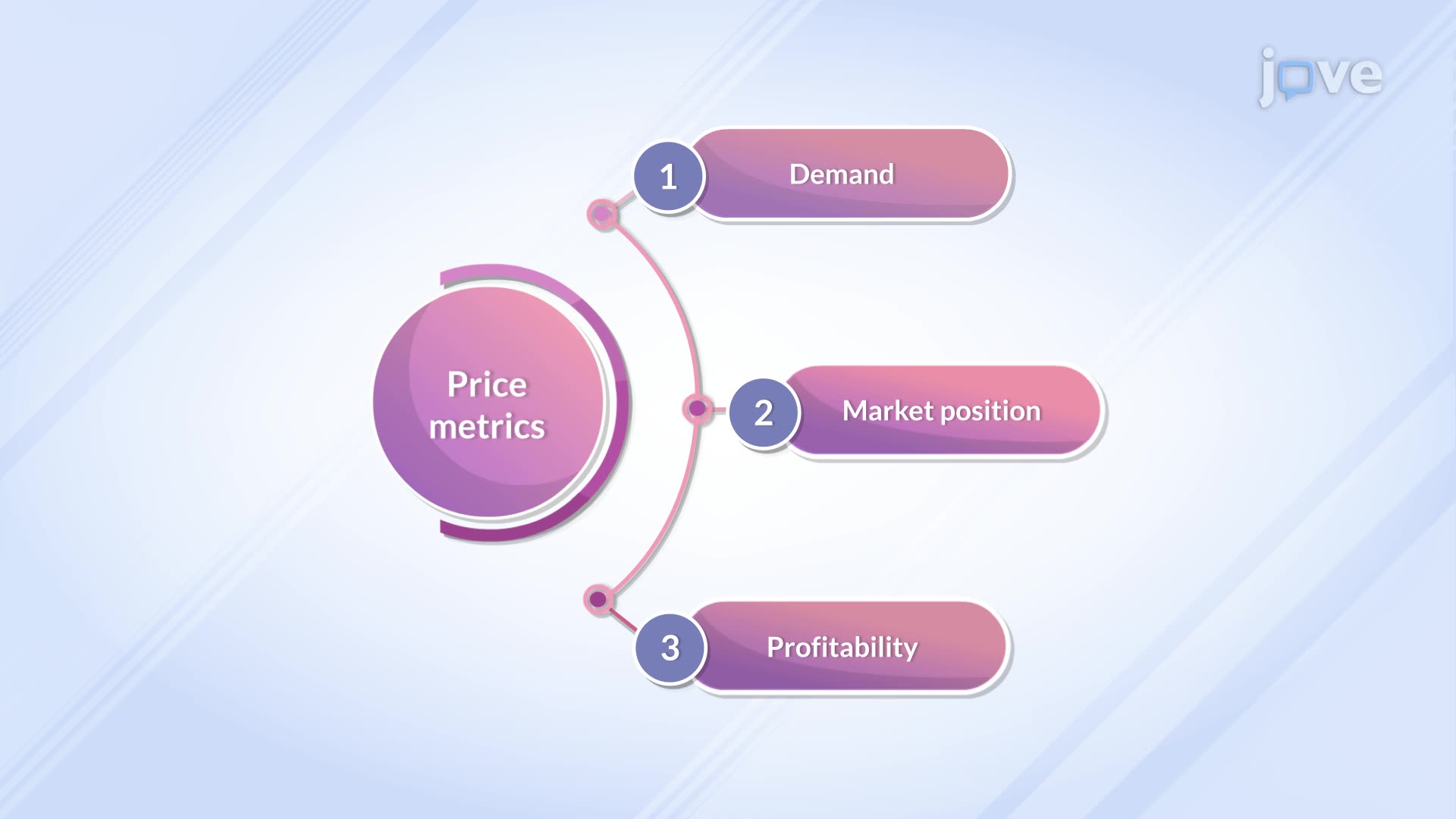
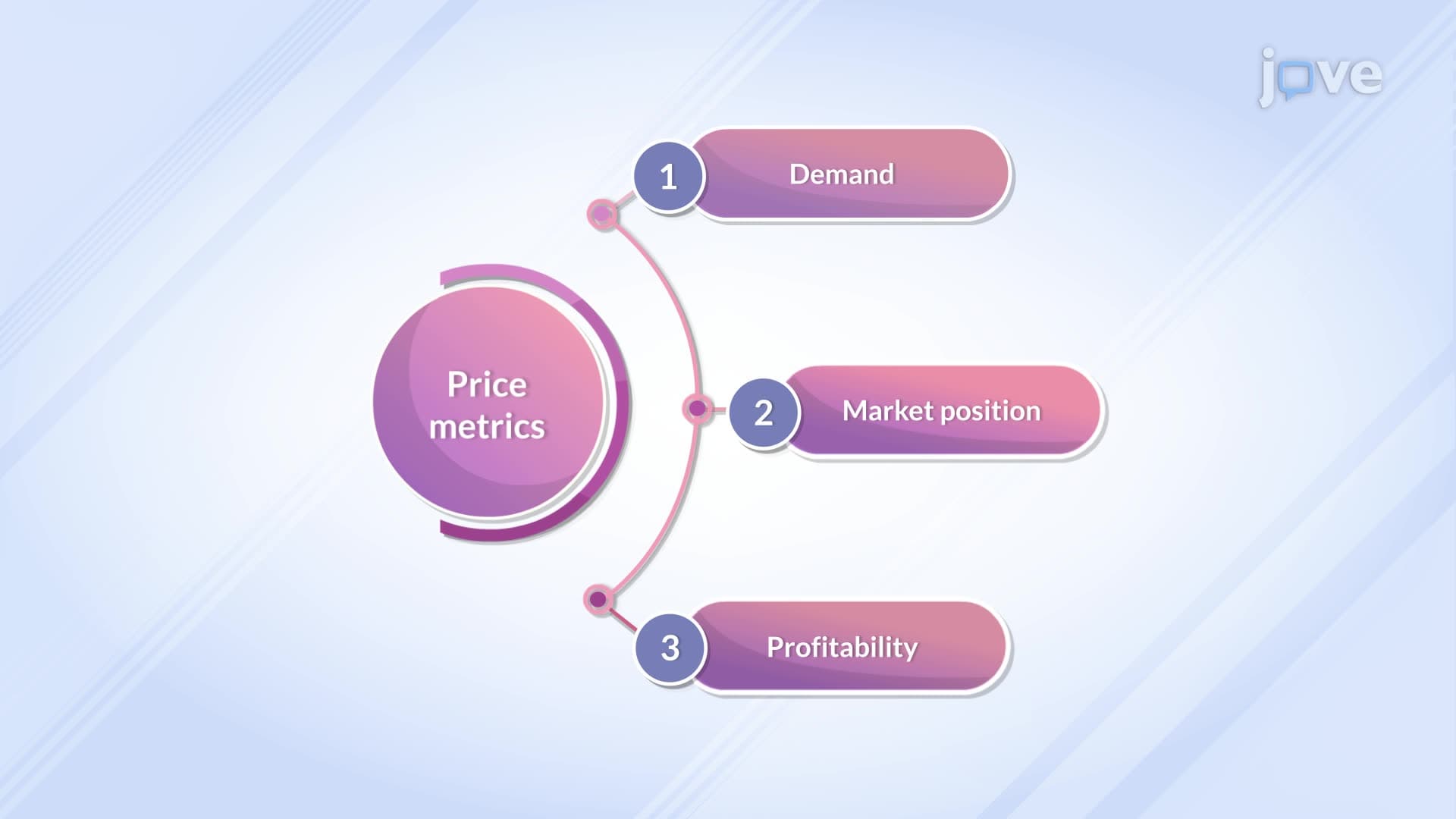
Modern pricing decisions can make or break quarterly earnings, with companies like Netflix losing billions in market cap from pricing missteps. Price metrics provide the analytical foundation for revenue optimization, helping executives quantify how price changes impact demand, competitive positioning, and bottom-line profitability. These quantitative tools-including elasticity analysis, optimal pricing models, and break-even calculations-transform pricing from guesswork into data-driven strategy. Watch the full video on JoVE Coach to master this concept with expert-led visuals and step-by-step explanations.
In today's hyper-competitive marketplace, pricing decisions directly impact shareholder value and market positioning. When Disney+ raised subscription prices by 38% in late 2022, the company leveraged sophisticated price metrics to model subscriber retention and revenue optimization scenarios. This strategic approach exemplifies how modern enterprises use quantitative pricing frameworks to navigate complex market dynamics.
Price metrics encompass a comprehensive suite of analytical tools that transform raw market data into actionable pricing intelligence. These measurements provide executives with the quantitative foundation needed to optimize revenue streams, defend market share, and maximize profitability across diverse business portfolios.
Price elasticity of demand serves as the cornerstone metric, measuring how quantity demanded responds to price changes. When Starbucks implements regional pricing variations, elasticity analysis helps predict customer behavior across different market segments. A -0.8 elasticity coefficient indicates that a 10% price increase typically results in an 8% demand decrease-critical intelligence for revenue forecasting and competitive strategy.
Optimal pricing models integrate cost structures, competitive landscapes, and demand curves to identify profit-maximizing price points. Apple's iPhone pricing strategy exemplifies this approach, where premium pricing ($999+ for flagship models) reflects calculated optimization between unit sales and margin contribution. These models consider multiple variables: production costs, R&D investment, competitive positioning, and brand equity valuation.
Price discrimination strategies enable revenue optimization across customer segments with varying price sensitivities. Amazon Prime's tiered subscription model demonstrates sophisticated price discrimination, offering different value propositions (monthly vs. annual, student discounts, senior pricing) to capture diverse consumer segments while maximizing total revenue extraction.
Price premium analysis quantifies brand value and competitive positioning strength. Tesla's ability to command 20-30% premiums over comparable electric vehicles reflects measured brand equity and technological differentiation. These metrics inform strategic decisions about R&D investment, marketing spend allocation, and competitive response strategies.
Break-even price change calculations provide risk management frameworks during cost volatility periods. When raw material costs surge, manufacturers like General Motors use break-even analysis to determine minimum price increases required to maintain target margins while preserving market competitiveness.
Successful price metrics implementation requires cross-functional collaboration between finance, marketing, and operations teams. Leading companies establish pricing committees with C-level oversight to ensure metrics-driven decisions align with broader strategic objectives. This organizational approach transforms pricing from tactical execution into strategic competitive advantage, enabling sustainable revenue growth and market share protection in dynamic business environments.
Related Micro-courses