Loading subject page…


3,495 views

Video Summary: What Is Promotion Metrics
Promotion metrics drive critical marketing investment decisions, with companies like Target allocating billions annually across channels while measuring precise ROI on promotional spend. Understanding promotion metrics enables marketing leaders to optimize campaign effectiveness, justify budget allocations, and demonstrate measurable business impact through baseline sales analysis, incremental lift measurement, and customer engagement tracking. Watch the full video on JoVE Coach to master this concept with expert-led visuals and step-by-step explanations.
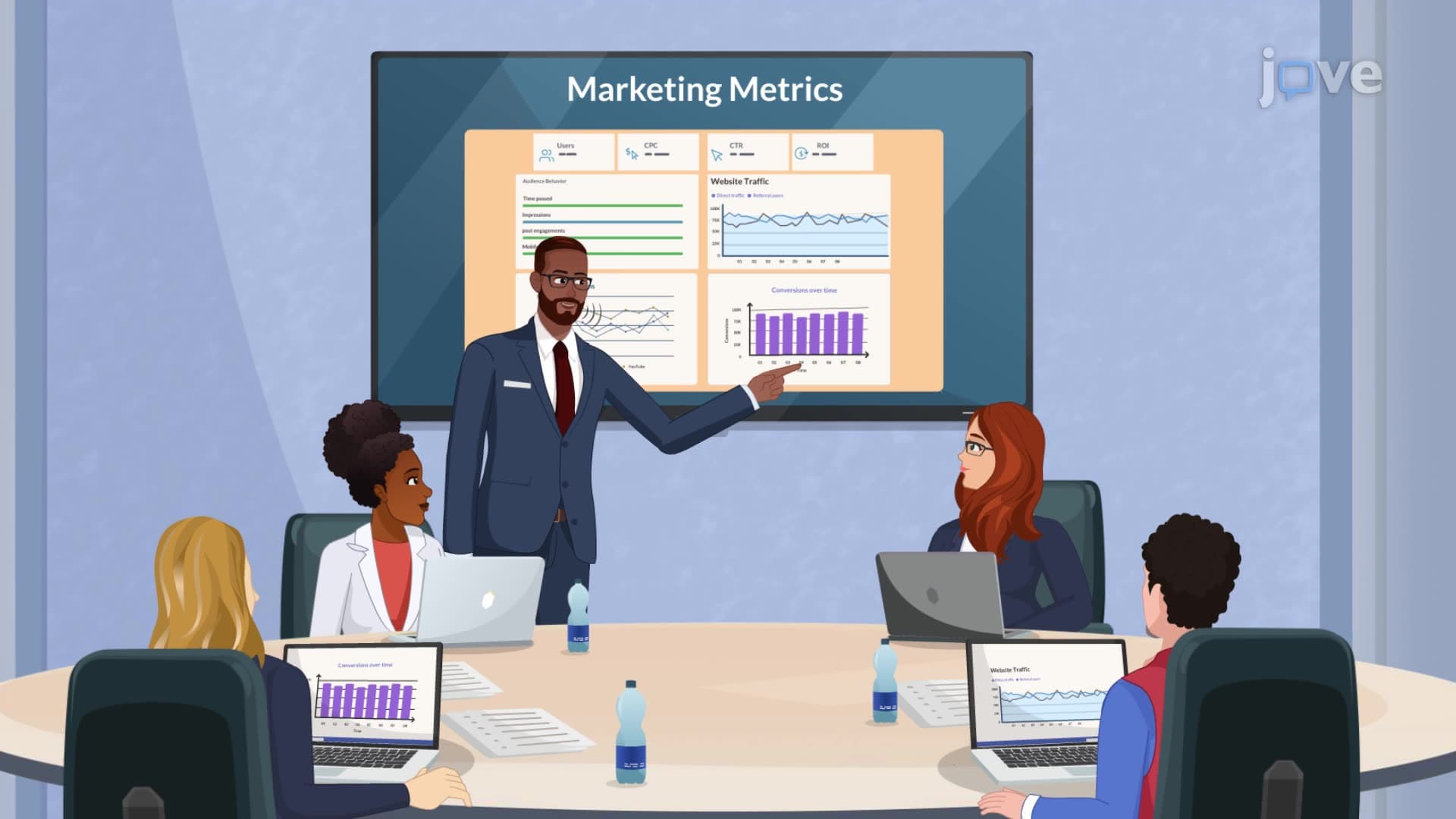
When Coca-Cola's marketing team plans a major promotional campaign, they rely on sophisticated promotion metrics to ensure every dollar generates measurable business impact. Promotion metrics provide the analytical framework that transforms marketing from a cost center into a profit driver, enabling executives to make data-driven decisions about resource allocation and campaign optimization.
Baseline sales represent your product's natural performance without promotional intervention-essentially your business-as-usual revenue stream. This metric serves as the control group for measuring promotional effectiveness. Incremental sales capture the additional revenue directly attributable to promotional activities, providing clear evidence of campaign ROI.
Consider Amazon's Prime Day strategy: their baseline sales data from comparable non-promotional periods enables precise measurement of promotional lift. If a product category typically generates $10 million in weekly sales but reaches $25 million during Prime Day, the $15 million incremental lift demonstrates the promotion's direct impact. This granular analysis helps Amazon's leadership team allocate promotional budgets across categories and optimize future campaign strategies.
Cost-per-thousand impressions (CPM) serves as the fundamental unit for media buying decisions. A $5 CPM means reaching 1,000 potential customers costs $5-enabling direct comparison across channels and optimization of media mix. Finance teams use CPM data to evaluate promotional spending efficiency and negotiate better rates with media partners.
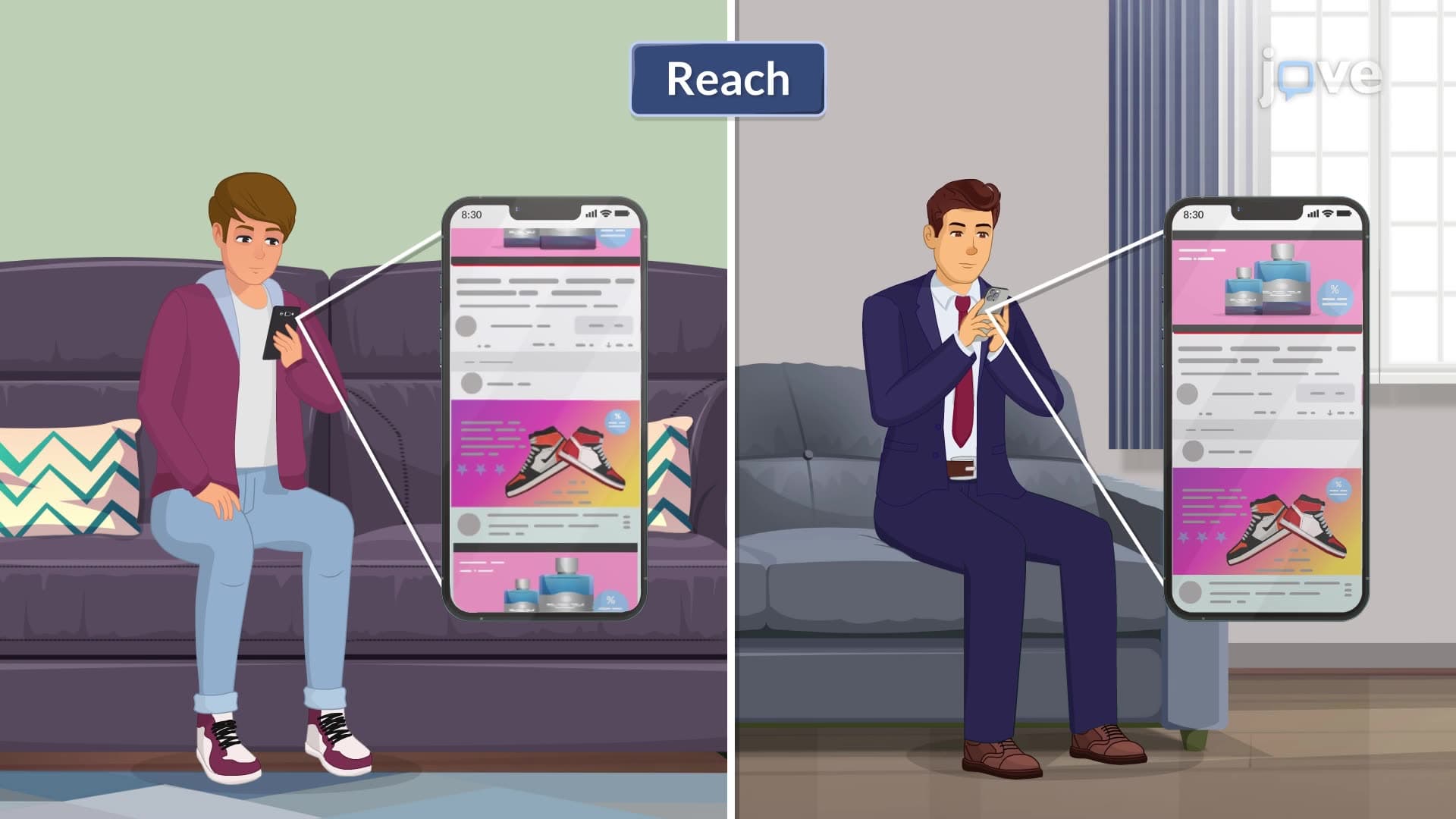
The reach versus frequency balance represents a critical strategic decision point. Reaching 10,000 unique customers three times each requires different budget allocation than reaching 30,000 customers once. McDonald's promotional strategy exemplifies this balance: their national campaigns prioritize broad reach for brand awareness, while local promotions focus on higher frequency to drive immediate store visits.
Coupon redemption rates provide immediate feedback on promotional appeal and execution effectiveness. Modern digital platforms enable real-time tracking of redemption patterns, helping marketing teams adjust campaigns mid-flight and optimize future promotional designs based on customer response data.
Related Micro-courses