Loading subject page…

3,495 views
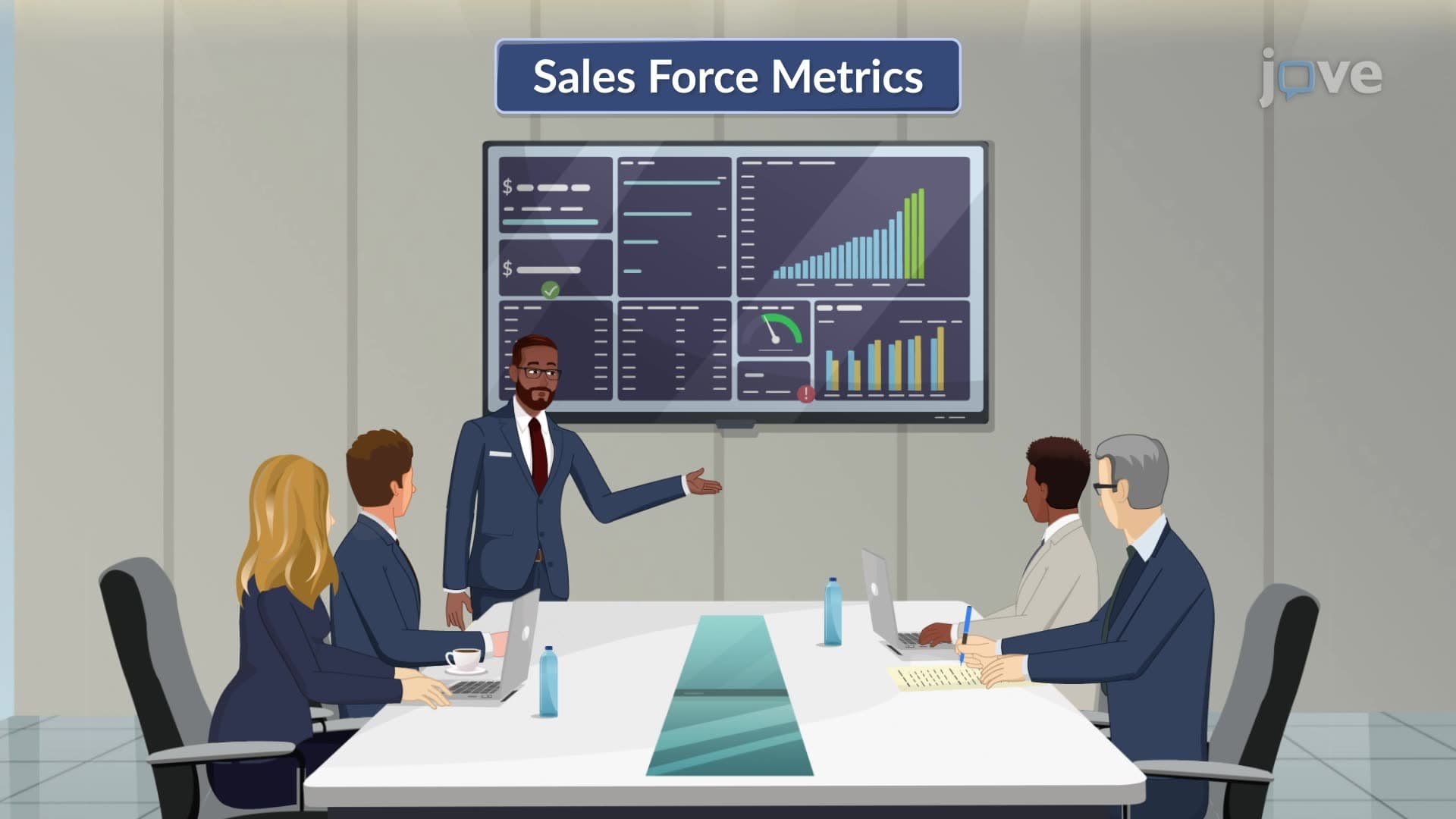

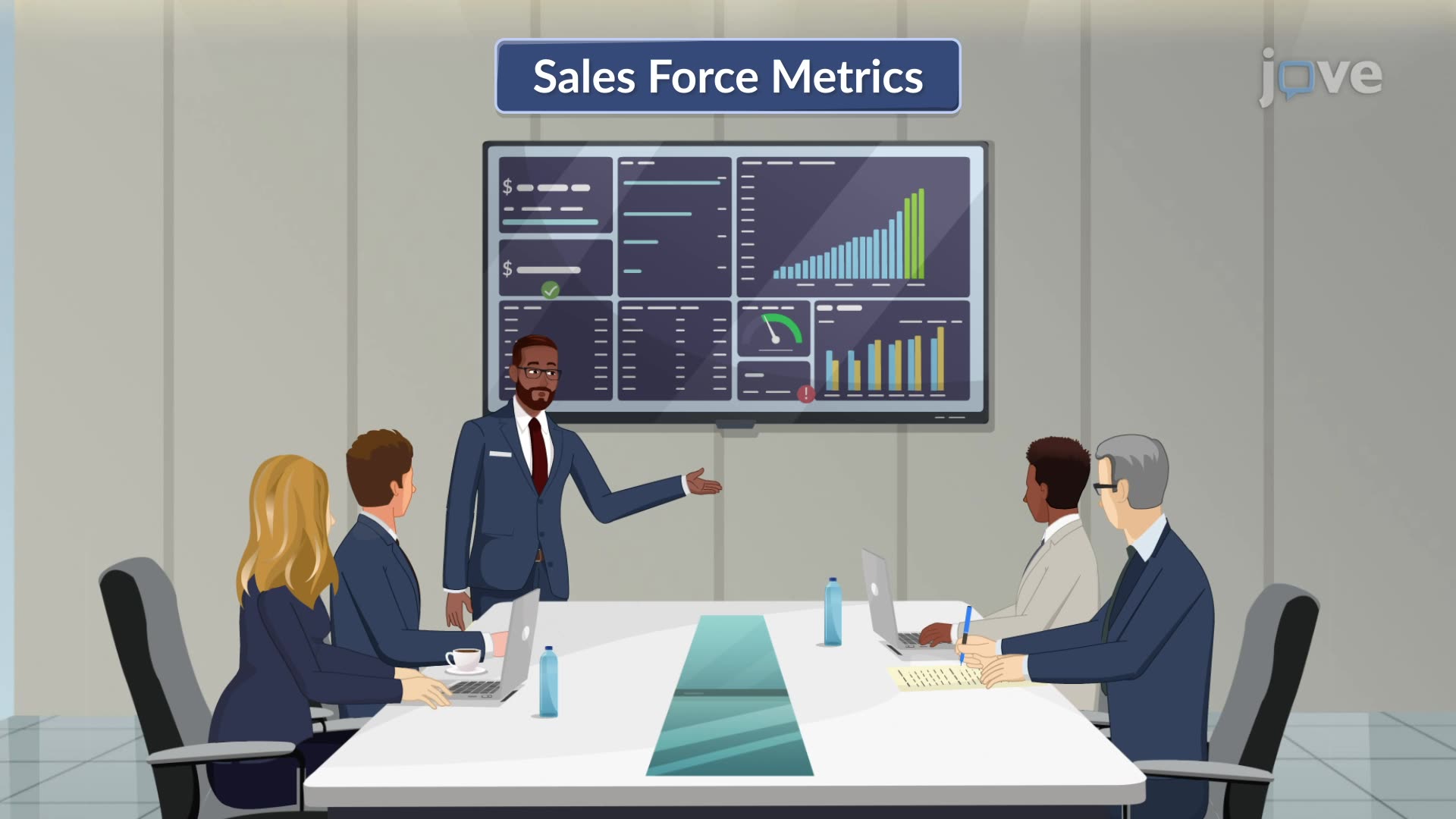
Video Summary: What Is Sales Force Metrics
Sales leaders across industries struggle to translate team activity into predictable revenue outcomes. Sales force metrics provide the quantitative foundation for building high-performing sales organizations, enabling executives to optimize resource allocation and drive consistent growth. Companies like Salesforce have built their entire business model around helping organizations harness these performance indicators to scale revenue operations efficiently. Understanding what is sales force metrics becomes critical when you're accountable for quarterly targets, team productivity, and market share expansion. Watch the full video on JoVE Coach to master this concept with expert-led visuals and step-by-step explanations.
Revenue leaders face unprecedented pressure to demonstrate ROI while navigating complex buyer journeys and longer sales cycles. Sales force metrics serve as the operational intelligence system that transforms raw sales activity into actionable business insights, enabling data-driven decisions that directly impact bottom-line performance.
Sales Forecasting Accuracy becomes your strategic compass for resource planning and investor communications. Companies like Target leverage sophisticated forecasting models to predict seasonal demand fluctuations, ensuring optimal inventory levels across their 1,800+ stores while minimizing carrying costs and stockouts.
Lead Quality and Conversion Metrics reveal the efficiency of your marketing-to-sales handoff process. Technology companies such as Microsoft track lead scoring models that identify enterprise prospects most likely to convert, allowing sales teams to prioritize high-value opportunities and maximize quota attainment.
Closure Rate Analysis provides visibility into sales process effectiveness and individual rep performance. SaaS companies like HubSpot monitor conversion rates from free trial to paid subscription, identifying friction points that impact customer acquisition costs and lifetime value calculations.
Sales Force Effectiveness encompasses broader organizational capabilities, including training ROI, territory optimization, and compensation plan performance. Companies like IBM use these metrics to restructure sales territories, reassign accounts, and adjust commission structures to drive desired behaviors and outcomes.
Successful metrics implementation requires alignment between sales operations, finance, and executive leadership. Organizations must establish clear measurement cadences, automate data collection where possible, and create accountability mechanisms that tie individual performance to corporate objectives. The most effective sales leaders use these metrics not just for reporting, but as early warning systems for market shifts and competitive threats.
Related Micro-courses