Loading subject page…

- Marketing
- Delivering Customer Value: Place to Everywhere
- Channel Design Decisions
Micro-course: Delivering Customer Value: Place to Everywhere
7,838 views
Learn key concepts and earn your certificate.








Channel Design Decisions

00:00
01:19
Video Summary: What are Channel Design Decisions
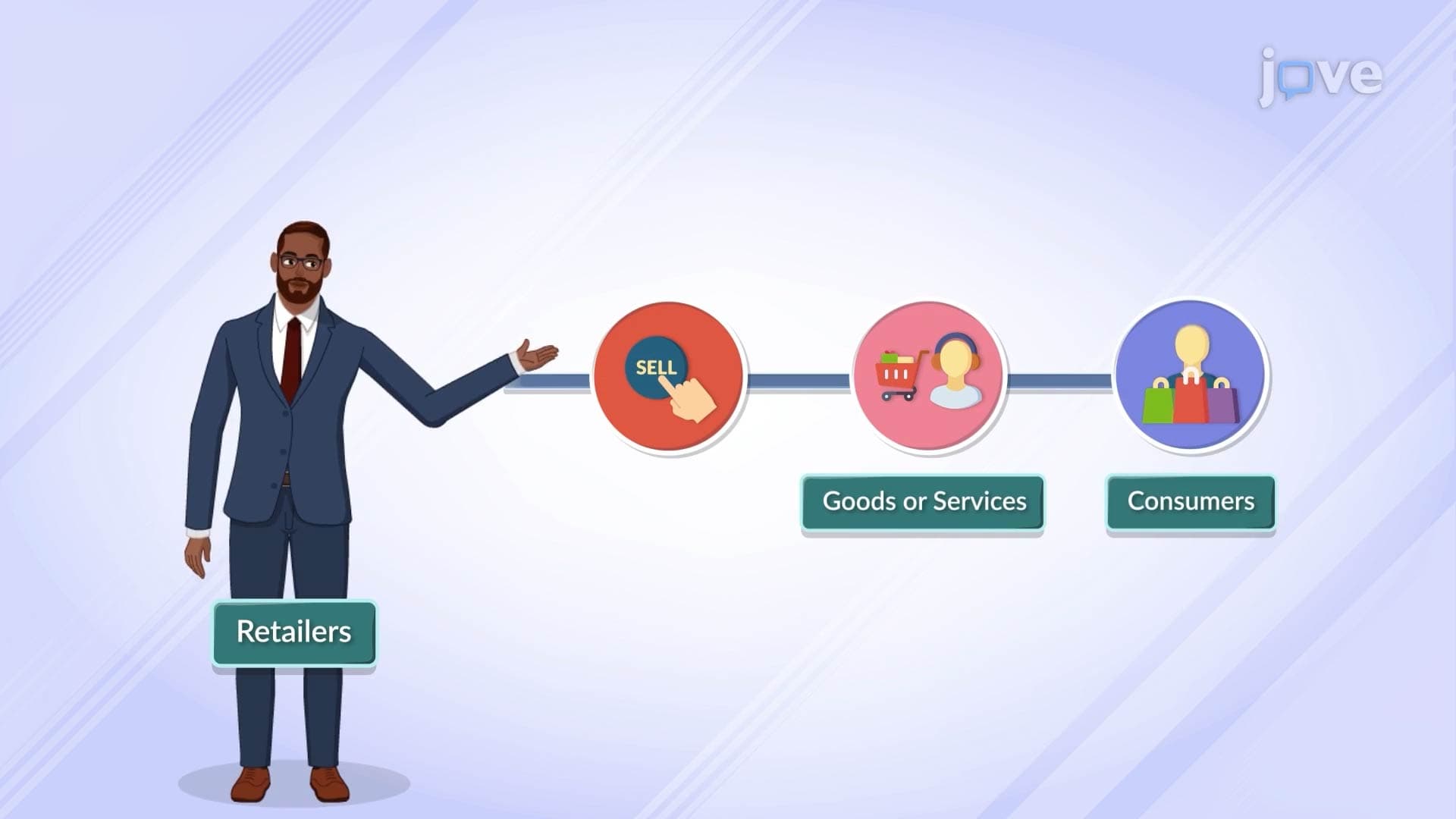
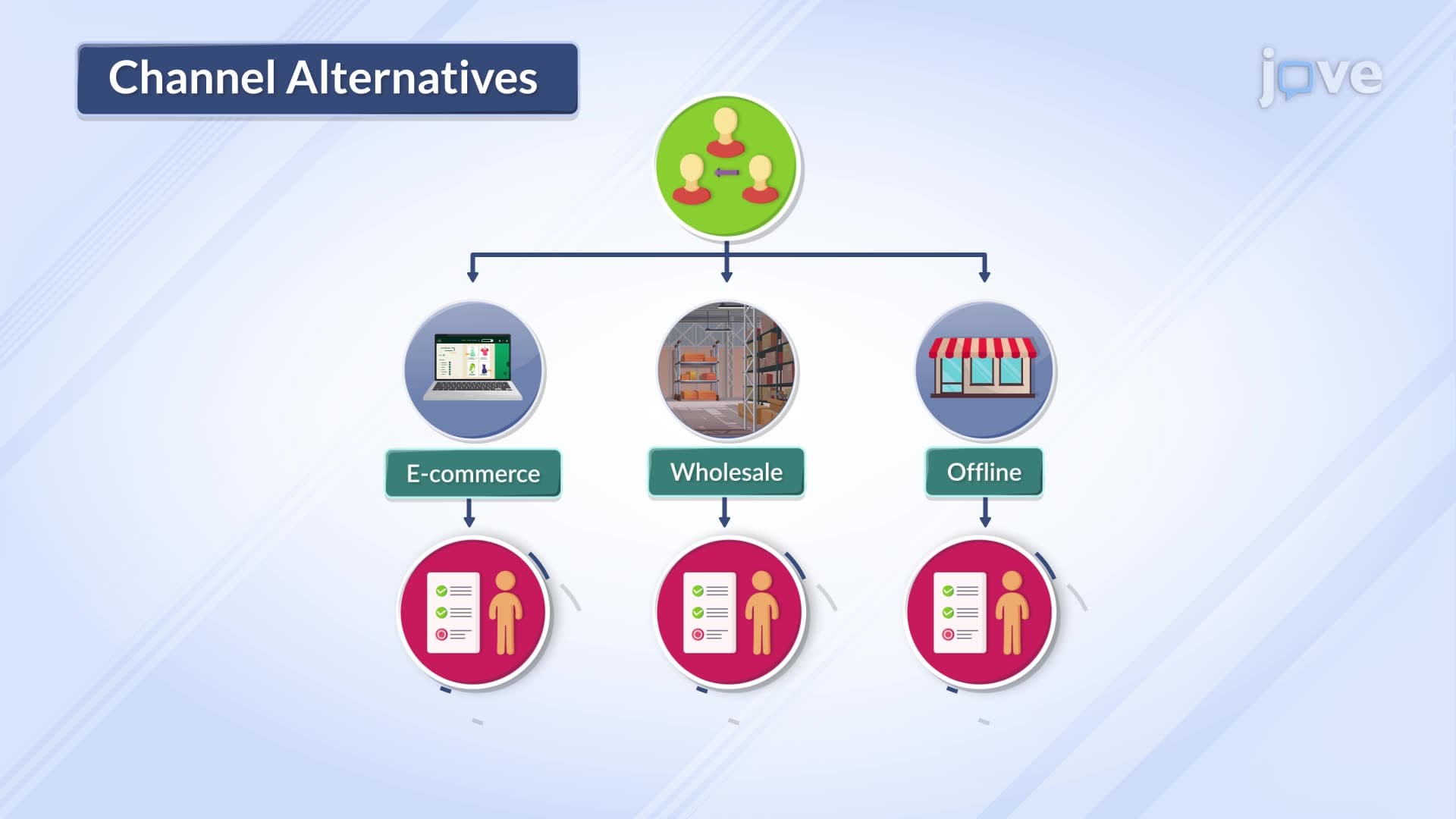
When Amazon's marketplace strategy disrupted traditional retail distribution, it highlighted how channel design decisions can reshape entire industries. Channel design decisions represent the strategic framework businesses use to determine how products reach customers, balancing cost efficiency with market reach. Companies like Walmart have mastered this concept, seamlessly integrating physical stores with e-commerce platforms to meet diverse customer preferences. These decisions directly impact revenue, customer satisfaction, and competitive positioning in today's multi-channel marketplace. Watch the full video on JoVE Coach to master this concept with expert-led visuals and step-by-step explanations.
- Analyze customer channel preferences to align distribution strategy with market demand and optimize conversion rates across touchpoints
- Evaluate intermediary options and their cost structures to build efficient distribution networks that maximize profit margins
- Implement multi-channel strategies that balance customer convenience with operational control and brand consistency
- Assess economic viability of channel alternatives using quantitative metrics like cost-per-acquisition and lifetime customer value
- Apply channel design frameworks to international market entry decisions, considering regulatory and cultural factors
- Identify optimal service levels for different customer segments to enhance competitive positioning and market share
- Leverage technology integration across channels to create seamless customer experiences and operational efficiencies
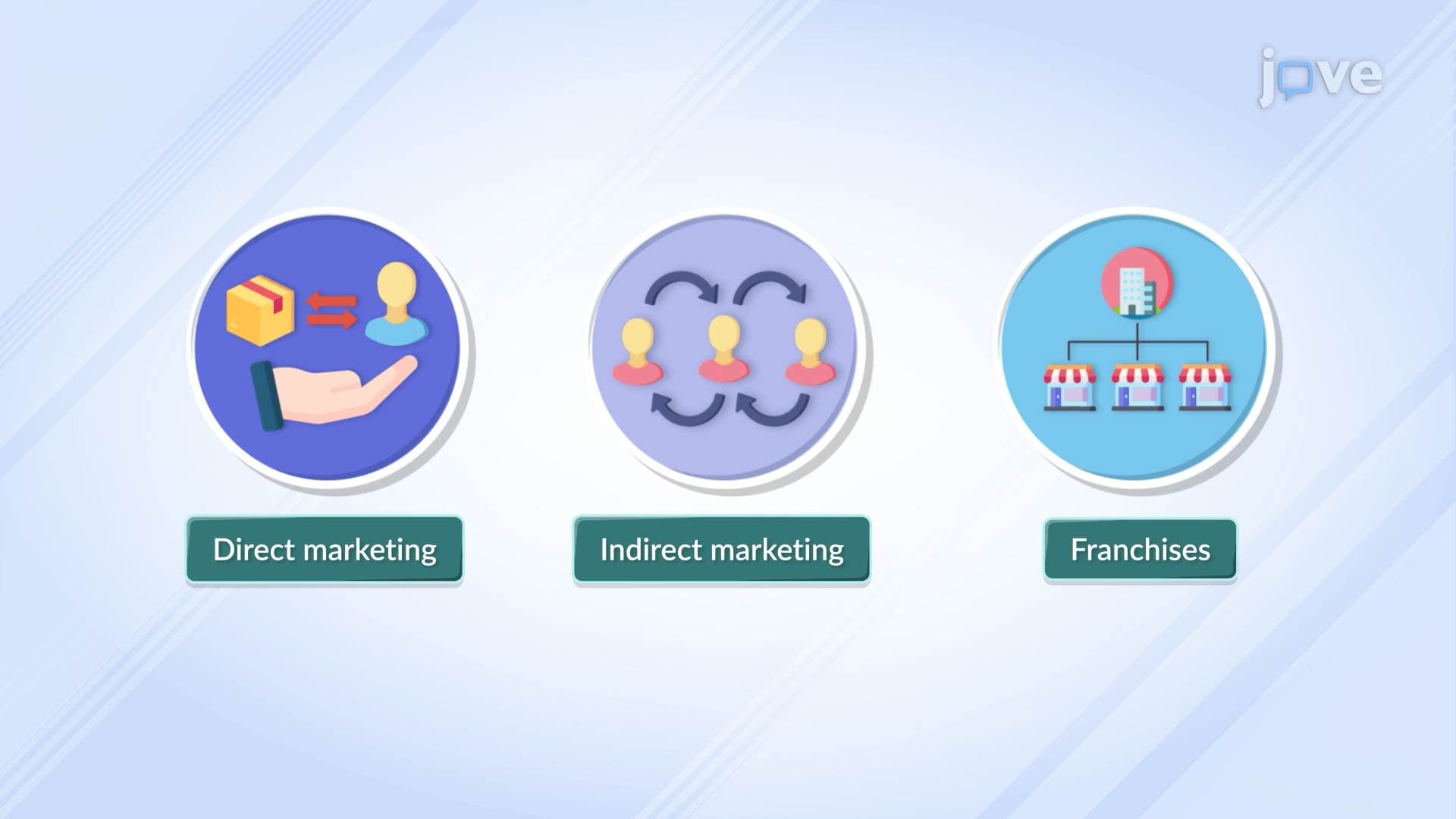
- Compare direct versus indirect distribution models to determine the best approach for specific product categories and market conditions
Understanding Channel Design Decisions in Modern Business
Channel design decisions form the backbone of successful go-to-market strategies, determining how companies connect with customers in an increasingly complex marketplace. Consider how Nike transformed its distribution approach by reducing reliance on department stores and investing heavily in direct-to-consumer channels through Nike.com and flagship stores. This strategic shift allowed greater control over brand experience and customer data while improving profit margins.
Strategic Framework for Channel Selection
Effective channel design begins with comprehensive customer analysis. Companies must evaluate where their target audiences prefer to shop, their price sensitivity, and service expectations. Best Buy exemplifies this approach by recognizing that electronics customers often research online but prefer hands-on evaluation before purchasing high-ticket items. Their "showrooming" strategy turns potential disadvantages into competitive advantages by offering price matching and expert consultation.
The framework involves three critical assessments: economic viability, control requirements, and adaptability. Economic analysis includes direct costs, opportunity costs, and long-term profitability projections. Control considerations involve brand consistency, customer experience management, and strategic flexibility. Adaptability focuses on scalability and responsiveness to market changes.
Intermediary Strategy and Channel Conflict Management
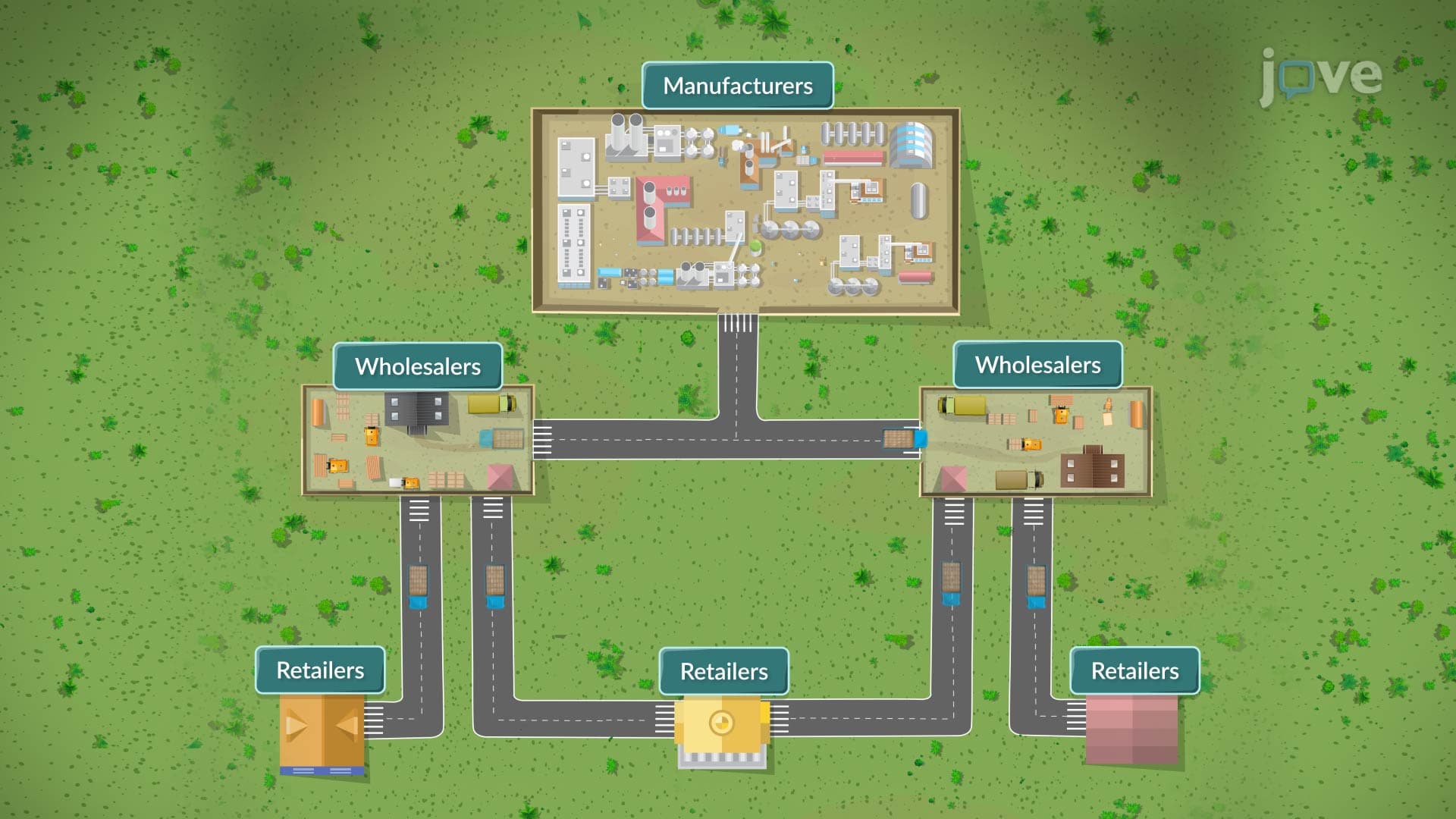
Modern businesses must carefully balance direct and indirect channels to avoid channel conflict while maximizing market coverage. Apple's approach demonstrates masterful channel orchestration-they maintain premium pricing across authorized retailers while using their direct channels for new product launches and premium services. This strategy preserves relationships with partners like Best Buy and Verizon while maintaining control over critical customer touchpoints.
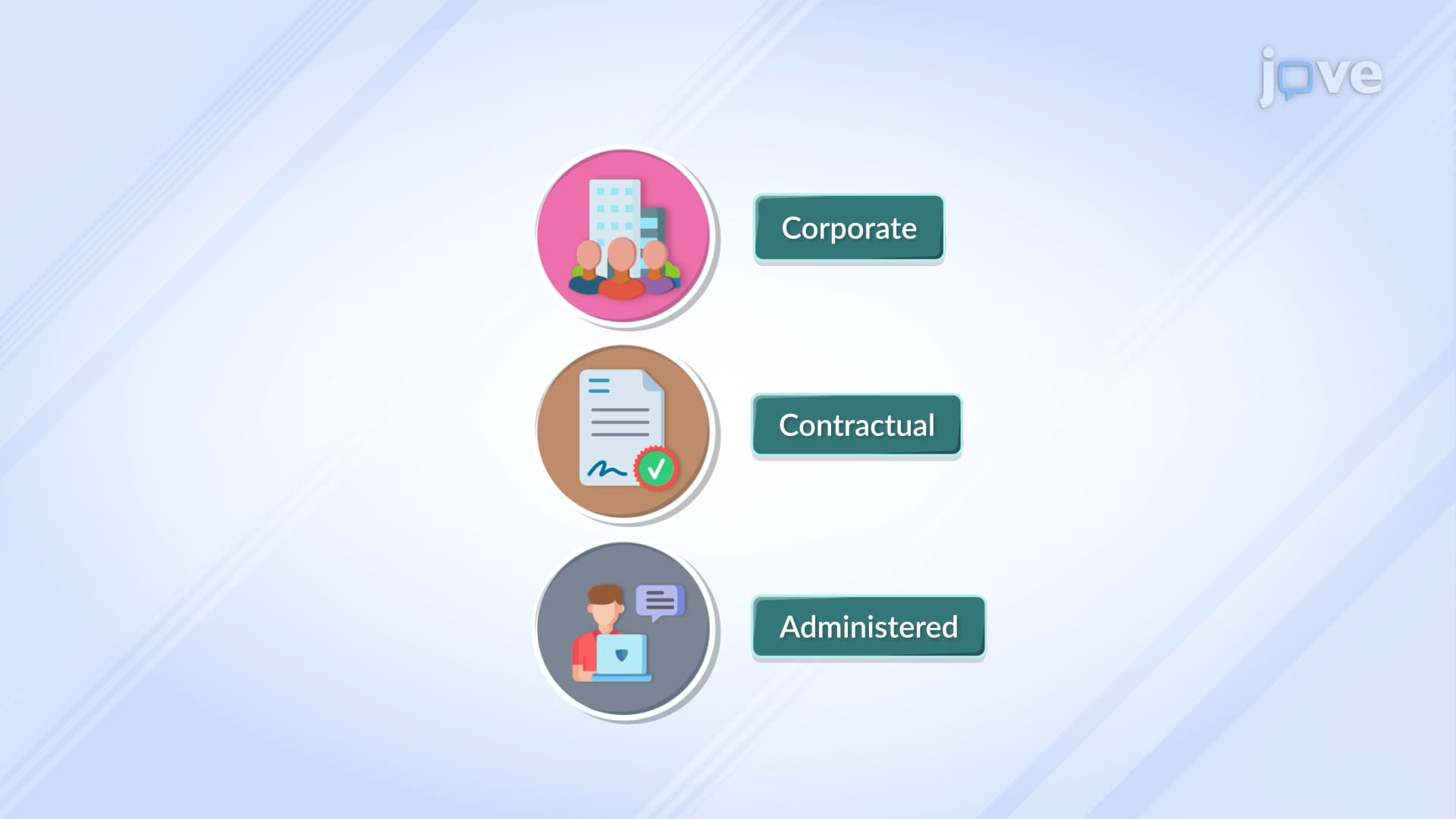
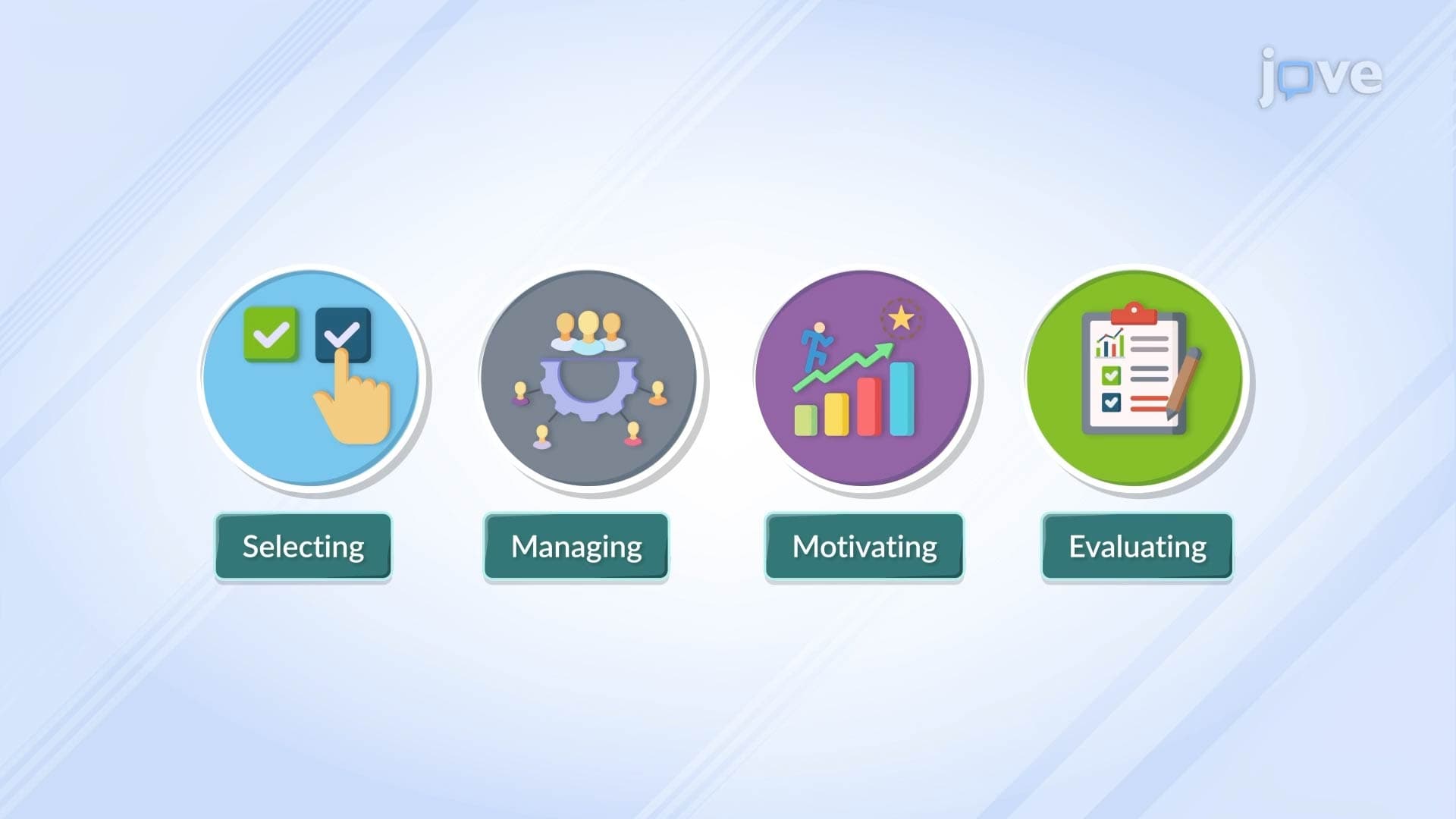
Channel member responsibilities must be clearly defined to prevent conflicts and ensure consistent customer experiences. Successful companies establish performance metrics, support systems, and incentive structures that align intermediary behavior with overall business objectives.
International Channel Complexity
Global expansion introduces additional channel design challenges. Regulatory requirements, cultural preferences, and infrastructure limitations vary significantly across markets. Starbucks adapts its channel strategy by country-emphasizing drive-through locations in the United States while focusing on delivery partnerships with Uber Eats in urban international markets. These decisions reflect local consumer behavior patterns and competitive landscapes.
Frequently Asked Questions
Channel design decisions are strategic choices about how to distribute and deliver products or services to customers most effectively. They encompass selecting distribution methods, intermediary partnerships, service levels, and customer touchpoints. These decisions directly impact revenue, costs, customer satisfaction, and competitive positioning in the marketplace.
Start by analyzing your customer preferences, purchase behavior, and service expectations through surveys and market research. Evaluate each channel option's economic viability by calculating costs, potential revenue, and profit margins. Consider your need for control over customer experience versus cost efficiency. Test pilot programs before full implementation to validate assumptions.
Channel decisions significantly impact operational budgets, staffing requirements, and capital investments. Direct channels typically require higher upfront investment but offer better margins long-term. Indirect channels reduce initial costs but involve ongoing partner management and potentially lower margins. These choices affect quarterly P&L statements and multi-year strategic planning cycles.
Focus on quantifiable business outcomes like projected revenue impact, cost savings, and ROI timelines. Present customer research data supporting your recommendations and include competitive analysis showing market positioning implications. Use scenario planning to demonstrate risks and opportunities, and provide implementation timelines with resource requirements and success metrics.
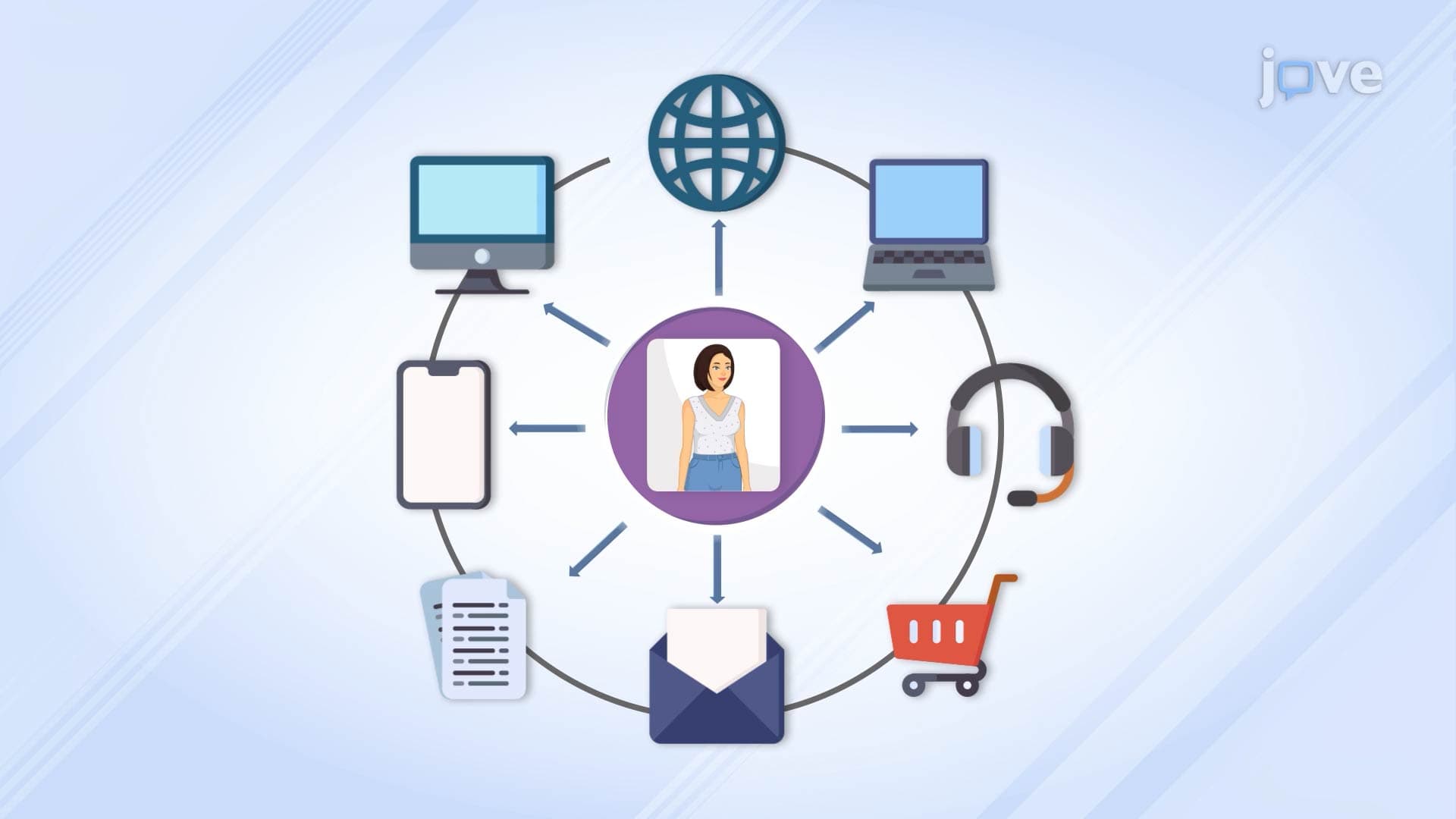
Target integrated online and offline channels through initiatives like buy-online-pickup-in-store, same-day delivery, and curbside service. They invested in supply chain technology to enable inventory visibility across channels and redesigned store formats to serve as fulfillment centers. This omnichannel approach increased customer convenience while leveraging existing store infrastructure for competitive advantage.
While supply chain knowledge helps, channel design is primarily about understanding customer behavior and business strategy. Focus on learning customer journey mapping, basic financial analysis, and competitive positioning concepts. Many successful channel strategies come from marketing and business development professionals who prioritize customer insights over operational complexity.
Channel design expertise positions you for roles in business development, marketing strategy, and general management. Companies value professionals who understand how to reach customers efficiently and profitably. This knowledge is essential for P&L ownership, strategic planning roles, and international expansion initiatives across industries.
Study omnichannel customer experience design, digital transformation strategies, and international market entry frameworks. Explore supply chain optimization, customer lifetime value modeling, and competitive intelligence gathering. Understanding these interconnected concepts will enhance your strategic thinking and business leadership capabilities.
Related Micro-courses



19 Concepts