Loading subject page…

- Marketing
- Delivering Customer Value: Place to Everywhere
- Delivery Networks
Micro-course: Delivering Customer Value: Place to Everywhere
7,838 views
Learn key concepts and earn your certificate.










Delivery Networks


00:00
01:23
Video Summary: What are Delivery Networks
Modern retailers face mounting pressure to deliver seamless omnichannel experiences while managing complex supply chains across multiple touchpoints. Delivery networks serve as the critical infrastructure connecting manufacturers, retailers, and customers through coordinated information flow and merchandise distribution. Companies like Samsung leverage sophisticated delivery network strategies to manage relationships with major retailers like Best Buy, ensuring real-time data sharing drives production planning and inventory optimization. Watch the full video on JoVE Coach to master this concept with expert-led visuals and step-by-step explanations.
- Apply delivery network principles to optimize your organization's supply chain partnerships and reduce distribution costs
- Analyze real-time data flow systems to improve inventory forecasting and production planning decisions
- Evaluate channel partner relationships to identify opportunities for streamlined information exchange and operational efficiency
- Implement Advanced Shipping Notice (ASN) protocols to enhance supplier-retailer coordination and payment processing
- Assess the strategic value of direct-to-retailer versus distribution center models for your product categories
- Leverage point-of-sale data integration to drive pricing strategies and product development initiatives
- Identify key performance indicators within delivery networks that directly impact your P&L and customer satisfaction metrics
- Compare omnichannel distribution strategies to determine optimal market penetration approaches for your business
Understanding Delivery Networks in Modern Commerce
In today's hypercompetitive retail landscape, executives must navigate increasingly complex distribution ecosystems where customer expectations for flexibility and convenience drive strategic decisions. Consider Walmart's challenge of maintaining inventory accuracy across 4,700+ U.S. stores while supporting online orders, curbside pickup, and home delivery-all requiring seamless coordination between suppliers, distribution centers, and retail locations.
Strategic Information Flow Architecture
Delivery networks function as sophisticated information highways that transform transactional data into strategic intelligence. When a customer purchases a Samsung refrigerator at a Best Buy location, the point-of-sale system doesn't merely process payment-it triggers a cascade of data that influences Samsung's production schedules, inventory allocation, and pricing models. This real-time visibility enables manufacturers to respond rapidly to market demand shifts and optimize working capital deployment.
For business leaders, understanding this information architecture is crucial for negotiating supplier agreements and optimizing channel partnerships. Companies that master data integration across their delivery networks achieve 15-20% improvements in inventory turnover and significant reductions in stockout scenarios that damage customer relationships and revenue performance.
Operational Excellence Through Advanced Shipping Protocols
The implementation of Advanced Shipping Notice (ASN) systems represents a critical operational discipline that separates high-performing supply chains from their competitors. When Samsung prepares shipments for Best Buy's distribution centers, detailed ASN documentation enables receiving facilities to pre-schedule labor, allocate warehouse space, and streamline payment processing. This coordination reduces handling costs and accelerates cash conversion cycles-key metrics that directly impact quarterly earnings and operational efficiency ratios.
Competitive Differentiation Through Network Design
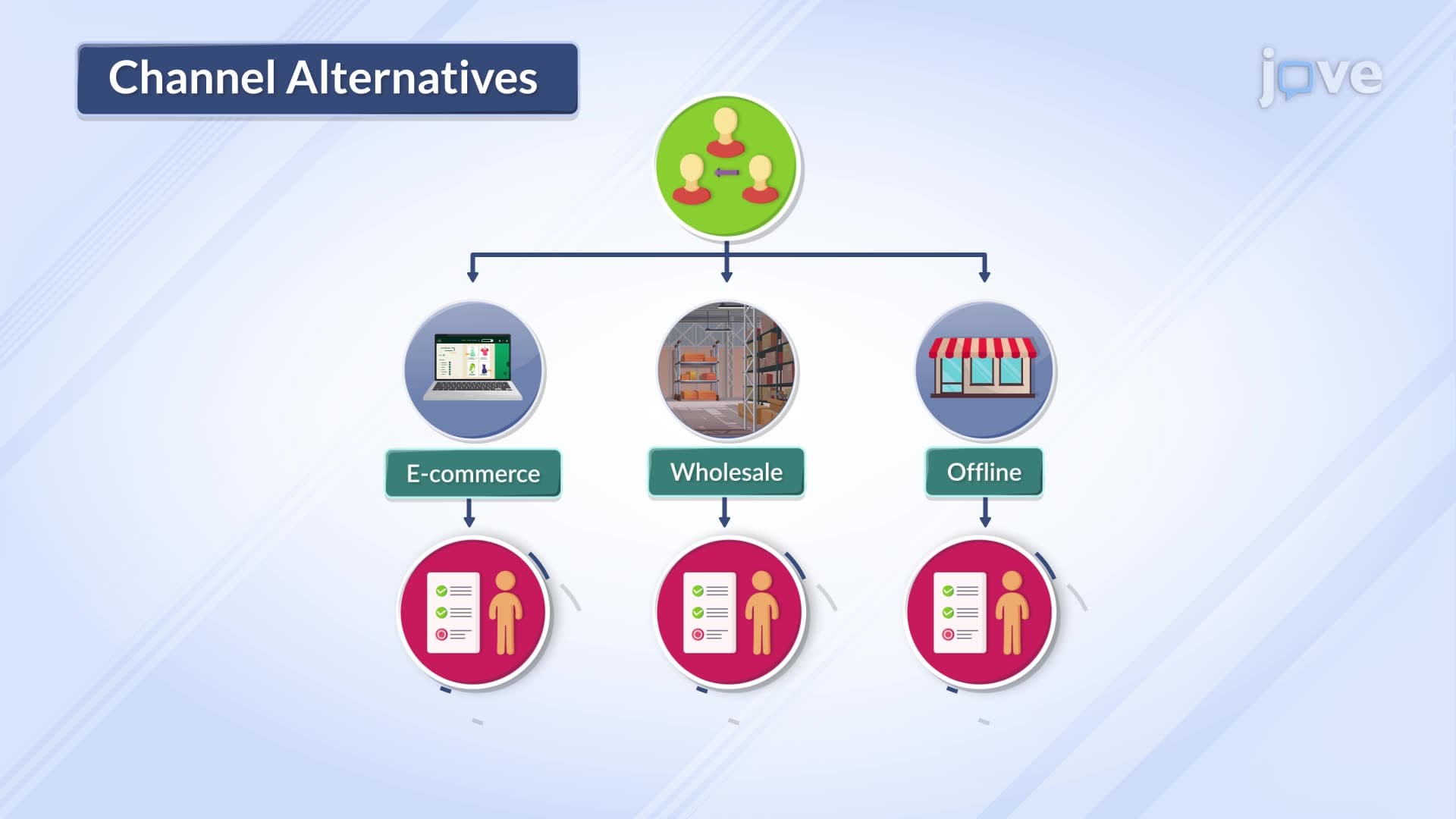
Strategic delivery network design decisions create lasting competitive advantages that are difficult for rivals to replicate. Samsung's dual approach-direct shipping to company outlets while simultaneously serving Best Buy's distribution network-demonstrates sophisticated channel management that maximizes market coverage while maintaining pricing control. This hybrid model enables Samsung to capture premium margins through direct sales while leveraging Best Buy's extensive retail footprint for volume growth.
Frequently Asked Questions
Delivery networks are integrated systems that coordinate information flow and merchandise distribution between manufacturers, retailers, and customers. They encompass the technology infrastructure, logistics partnerships, and operational processes that enable seamless product movement from production facilities to end consumers across multiple sales channels.
Well-designed delivery networks directly improve key financial metrics including inventory turnover ratios, working capital efficiency, and gross margin optimization. Companies with integrated networks typically achieve 10-15% faster cash conversion cycles and reduced carrying costs, translating to improved EBITDA margins and stronger quarterly earnings performance.
Focus on data integration capabilities, channel partner performance metrics, and inventory positioning strategies. Evaluate whether direct-to-retailer shipping or distribution center models optimize your cost structure, and assess real-time information sharing capabilities that enable demand forecasting accuracy and production planning efficiency.
Amazon's delivery network prioritizes direct-to-consumer fulfillment through proprietary infrastructure, while traditional models like Samsung-Best Buy partnerships leverage established retail networks for market penetration. Amazon's approach offers greater customer data control and margin capture, while traditional networks provide broader market reach with lower infrastructure investment requirements.
While supply chain knowledge helps, delivery networks are fundamentally about strategic business relationships and information management. Marketing professionals, business development managers, and operations leaders can quickly grasp these concepts by focusing on customer experience outcomes and financial performance drivers rather than technical logistics details.
Delivery network expertise positions you as a strategic thinker who understands cross-functional business operations, making you valuable for senior management roles in operations, business development, and general management. This knowledge is particularly crucial for leadership positions in retail, manufacturing, and e-commerce sectors.
Consider studying omnichannel strategy, supply chain finance, and customer experience optimization. These complementary areas will deepen your understanding of how delivery networks create competitive advantages and drive long-term business value creation.
Related Micro-courses



19 Concepts