Loading subject page…

- Marketing
- Delivering Customer Value: Place to Everywhere
- Vertical Marketing Systems
Micro-course: Delivering Customer Value: Place to Everywhere
7,838 views
Learn key concepts and earn your certificate.










Vertical Marketing Systems

00:00
01:23
Video Summary: What are Vertical Marketing Systems
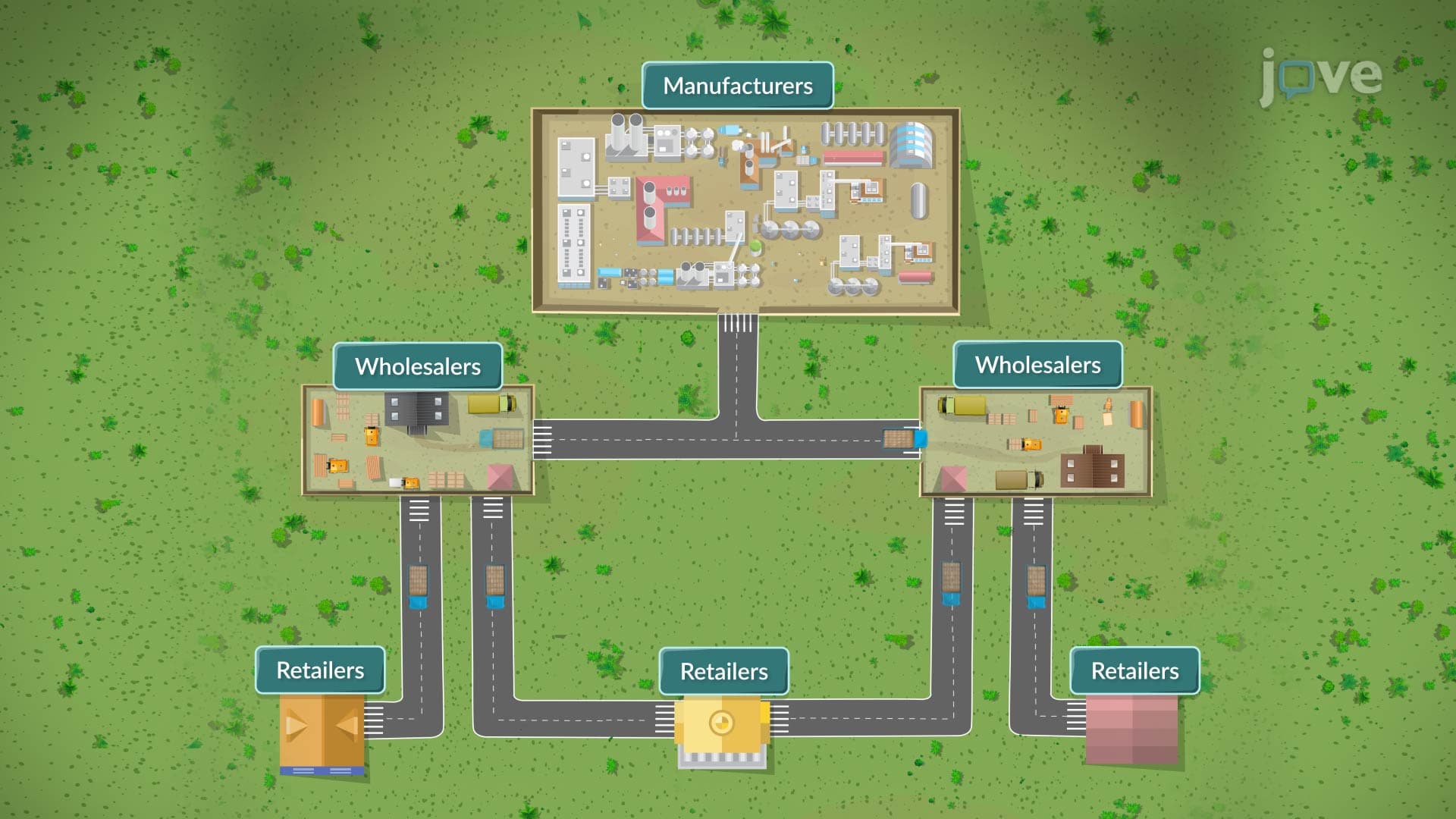
Supply chain disruptions cost U.S. companies $184 billion annually, making vertical marketing systems a critical strategic tool for maintaining competitive advantage. These integrated channel structures unite producers, wholesalers, and retailers to achieve economies of scale and operational efficiency. Zara exemplifies this approach, using corporate vertical marketing systems to control everything from design to retail operations, enabling 15-day product cycles versus the industry standard of 6 months. Watch the full video on JoVE Coach to master this concept with expert-led visuals and step-by-step explanations.
- Apply vertical marketing systems frameworks to evaluate supply chain vulnerabilities and identify integration opportunities in your organization
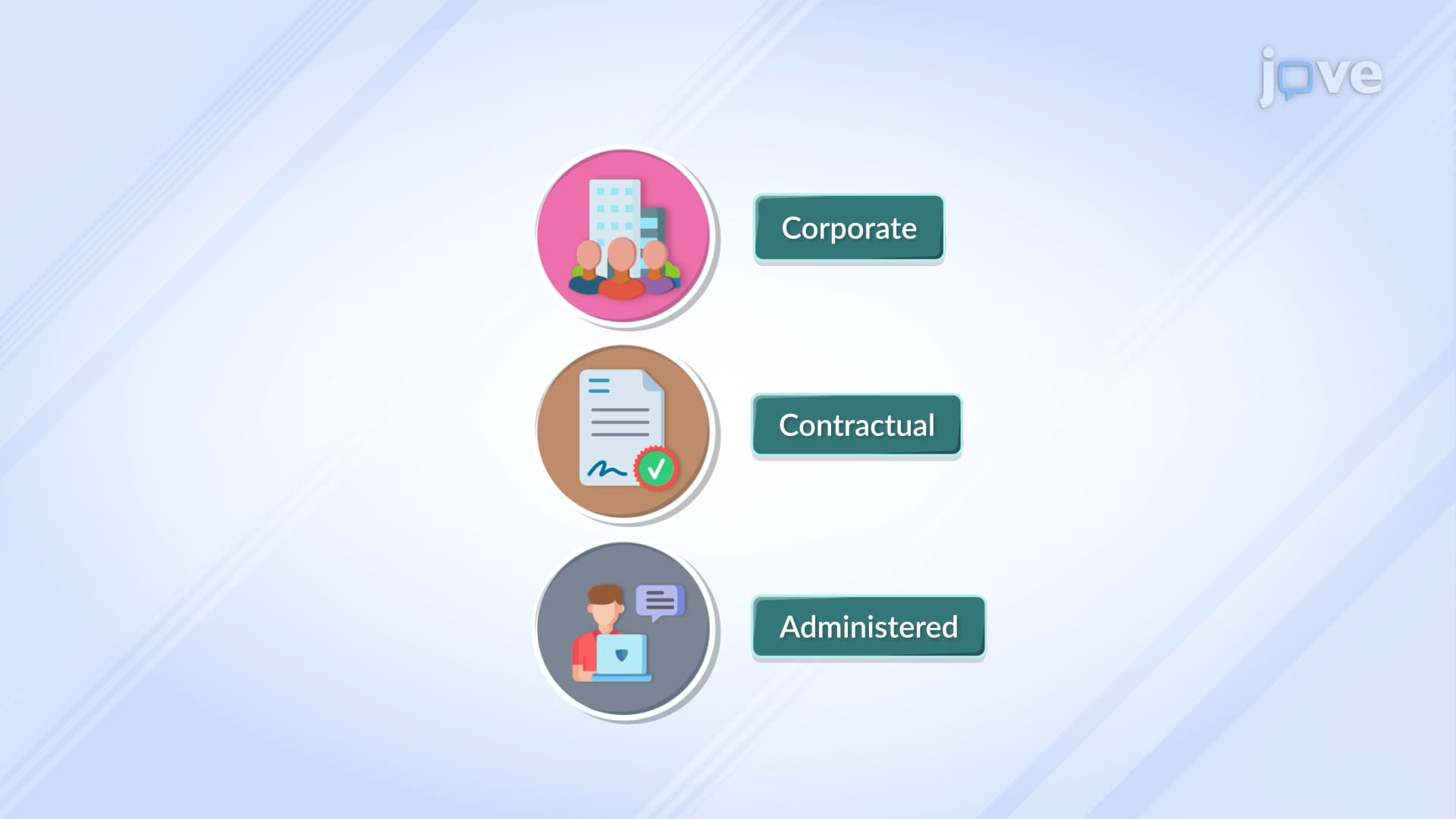
- Analyze the cost-benefit implications of corporate, contractual, and administered VMS structures for strategic planning initiatives
- Evaluate competitive positioning advantages gained through vertical integration versus traditional channel partnerships
- Implement contractual VMS strategies to strengthen distributor relationships while maintaining operational flexibility
- Assess market power dynamics within administered systems to negotiate better terms with dominant channel partners
- Compare vertical integration ROI against alternative market entry strategies for expansion planning
- Identify optimal channel coordination mechanisms to reduce friction costs and improve margin performance
- Leverage VMS principles to streamline vendor management and procurement processes in complex supply chains
Understanding Vertical Marketing Systems in Today's Economy
When Procter & Gamble executives faced mounting pressure from Amazon's direct-to-consumer expansion in 2019, they turned to vertical marketing systems strategy to maintain market position. This scenario illustrates why understanding channel integration has become essential for business leaders navigating increasingly complex distribution landscapes.
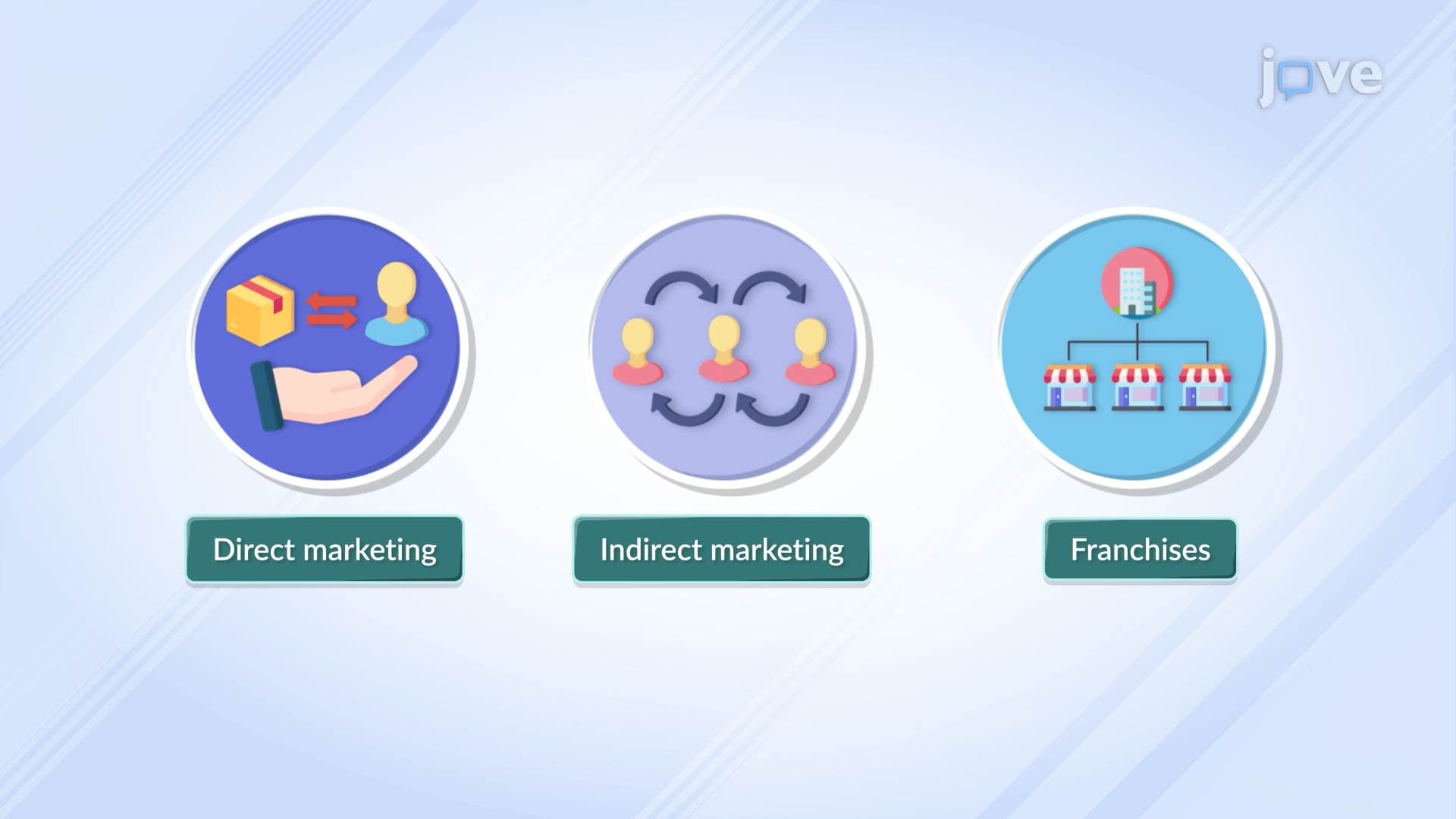
Corporate Vertical Marketing Systems: Full Integration Strategy
Corporate VMS represents the most comprehensive approach, where single ownership controls all distribution stages. Beyond Zara's fast-fashion success, consider Apple's retail strategy. The company operates 272 U.S. stores while maintaining strict control over manufacturing partnerships, creating seamless customer experiences that generate $5,546 per square foot-nearly double the luxury retail average.
This integration delivers three core advantages: pricing control across channels, consistent brand messaging, and rapid market response capabilities. However, it requires substantial capital investment and operational expertise across multiple business functions. CFOs must weigh integration costs against long-term margin improvements and competitive positioning benefits.
Contractual Vertical Marketing Systems: Strategic Partnerships
Ford's dealership model demonstrates contractual VMS effectiveness in capital-intensive industries. Through exclusive territorial agreements, Ford maintains quality control and brand consistency while avoiding the financial burden of owning 3,000+ retail locations. This approach generates $156 billion in annual revenue through coordinated independent operators.
Contractual systems excel when market penetration requires local expertise or regulatory compliance varies by region. Franchise operations like McDonald's leverage this model to achieve rapid scaling while maintaining operational standards through comprehensive training and supply chain coordination.
Administered Vertical Marketing Systems: Market Power Dynamics
Walmart's administered VMS showcases how market dominance creates de facto channel control without ownership or formal contracts. With $611 billion in annual revenue, Walmart's purchasing power enables inventory management demands, pricing negotiations, and operational requirements that suppliers must accept to access their customer base.
This dynamic appears across industries-Amazon's marketplace requirements, Costco's packaging specifications, and Home Depot's vendor scorecards all demonstrate administered system principles. Understanding these power relationships helps smaller companies navigate dominant retailer requirements while identifying niche opportunities.
Frequently Asked Questions
Vertical marketing systems integrate producers, wholesalers, and retailers into coordinated channel structures to reduce costs and improve efficiency. They matter because companies using VMS strategies typically achieve 15-25% better margins than traditional independent channel approaches. This integration becomes critical when facing supply chain disruptions, intense competition, or market expansion challenges.
Evaluate three factors: capital availability, market expertise requirements, and control needs. Corporate VMS suits companies with substantial resources seeking maximum control, like Tesla's direct sales model. Contractual VMS works when you need rapid market penetration with limited capital, similar to franchising. Administered VMS applies when you have significant market power to influence channel partners without formal agreements.
Recommend vertical integration when margins justify capital investment and your company has operational expertise across channel functions. Choose partnerships when market entry speed outweighs control benefits or when local expertise is essential. Consider Amazon's approach-they use corporate VMS for Prime delivery while maintaining contractual relationships with third-party sellers, maximizing both control and market reach.
Costco leverages its $226 billion revenue and 118 million members to dictate terms to suppliers without ownership or formal contracts. They require specific packaging sizes, limit brand selection per category, and demand promotional support. Suppliers comply because Costco's volume justifies operational changes, demonstrating how market power creates channel coordination without integration costs.
No extensive background is required, but understanding basic channel economics helps significantly. Focus on margin analysis, partner evaluation criteria, and competitive positioning implications. Many successful VMS implementations start with pilot programs or single product lines before expanding. The key is matching system complexity to your organization's operational capabilities and strategic objectives.
VMS expertise positions you for strategic roles in business development, operations, and general management. Companies increasingly value professionals who understand channel optimization, partner relationship management, and supply chain strategy. This knowledge proves especially valuable in consulting, private equity, and executive roles where M&A decisions often involve vertical integration analysis.
VMS represents the strategic framework while supply chain management handles tactical execution. Understanding both enables you to evaluate make-versus-buy decisions, assess acquisition targets, and optimize vendor relationships. This combination proves essential for roles involving operational strategy, procurement leadership, and business development planning.
Related Micro-courses



19 Concepts