Loading subject page…


7,838 views

Video Summary: What Is Marketing Channel Designs
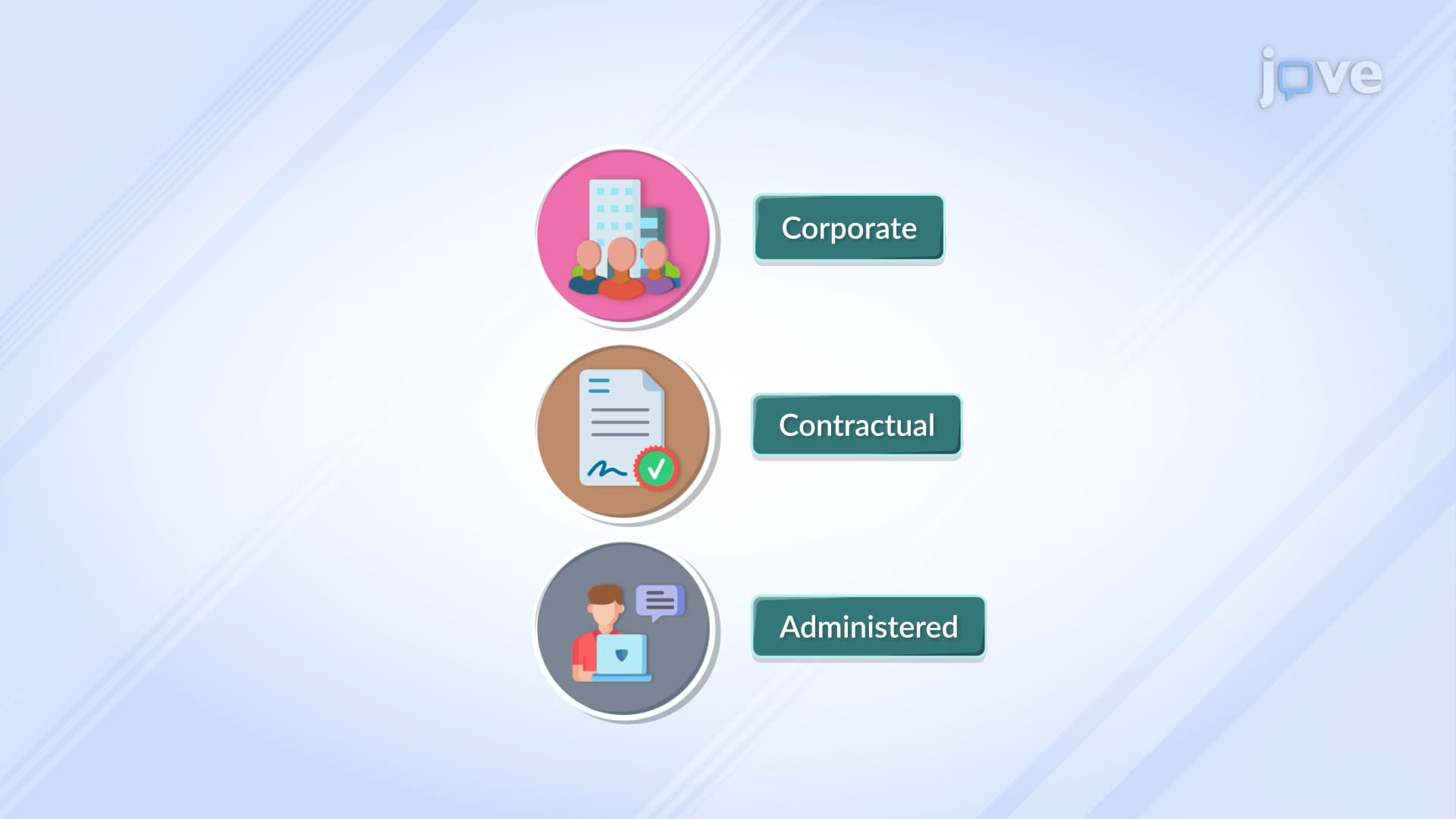
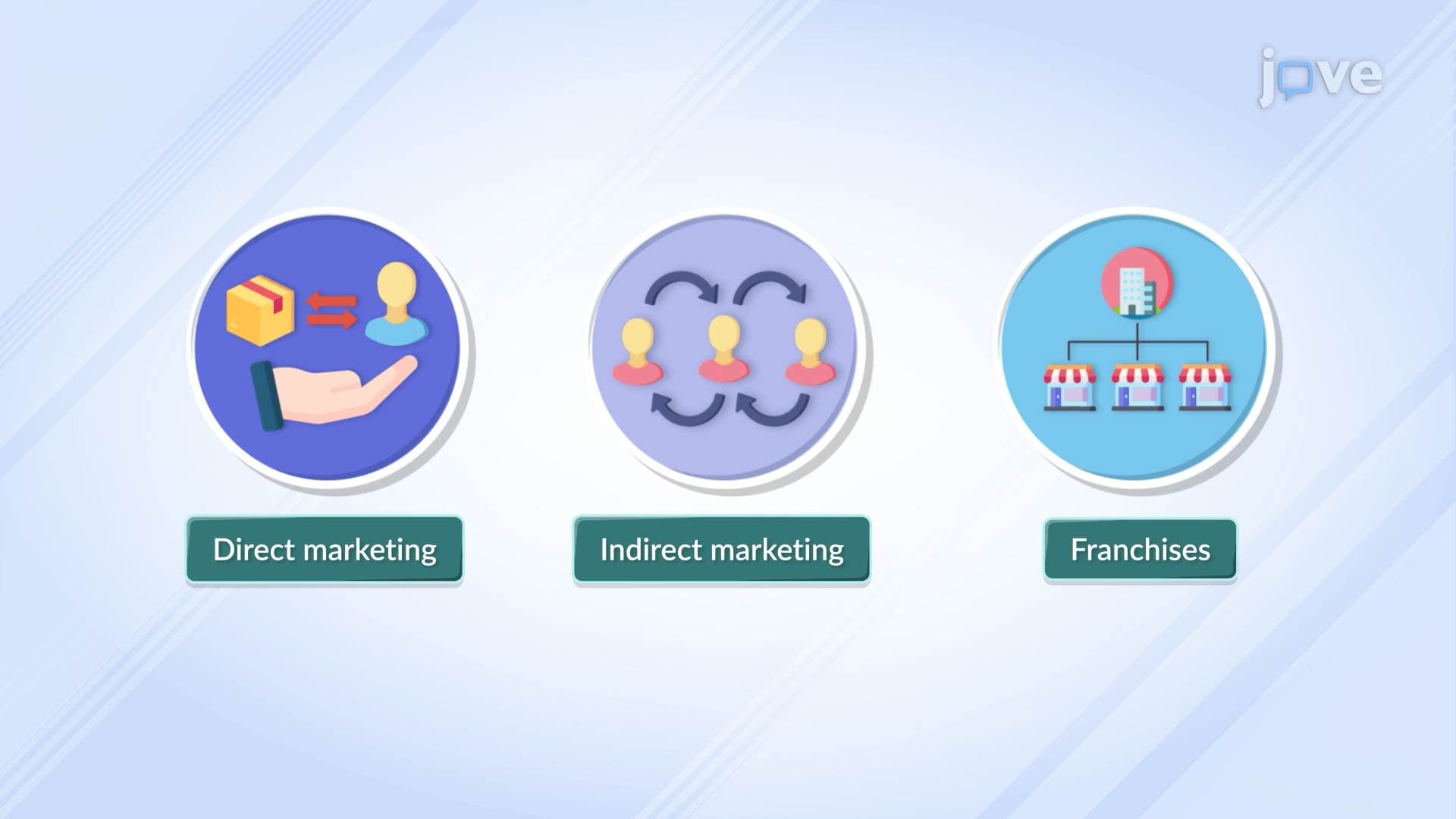
Strategic marketing channel designs determine how companies deliver products to customers while maximizing profitability and market penetration. Marketing channel designs encompass three core pathways: direct sales (like Apple's retail stores), indirect distribution through intermediaries (Coca-Cola's retailer network), and franchising models (Starbucks' licensed locations). Each design impacts pricing control, operational costs, and customer relationships differently. Watch the full video on JoVE Coach to master this concept with expert-led visuals and step-by-step explanations.
When Warby Parker disrupted the eyewear industry, their direct-to-consumer channel design became a competitive weapon against traditional players like LensCrafters. Marketing channel designs represent the strategic architecture companies use to move products from production to end customers, fundamentally shaping profitability, customer relationships, and competitive positioning.
Direct marketing channels give companies complete control over pricing, customer experience, and brand messaging. Tesla exemplifies this approach, selling exclusively through company-owned showrooms and online platforms. This model enables premium pricing maintenance, direct customer data collection, and unified brand experience delivery. However, direct channels require substantial capital investment in infrastructure, inventory management, and customer service capabilities. The strategic advantage lies in higher profit margins and deeper customer insights, making this model particularly effective for premium brands or innovative products requiring customer education.
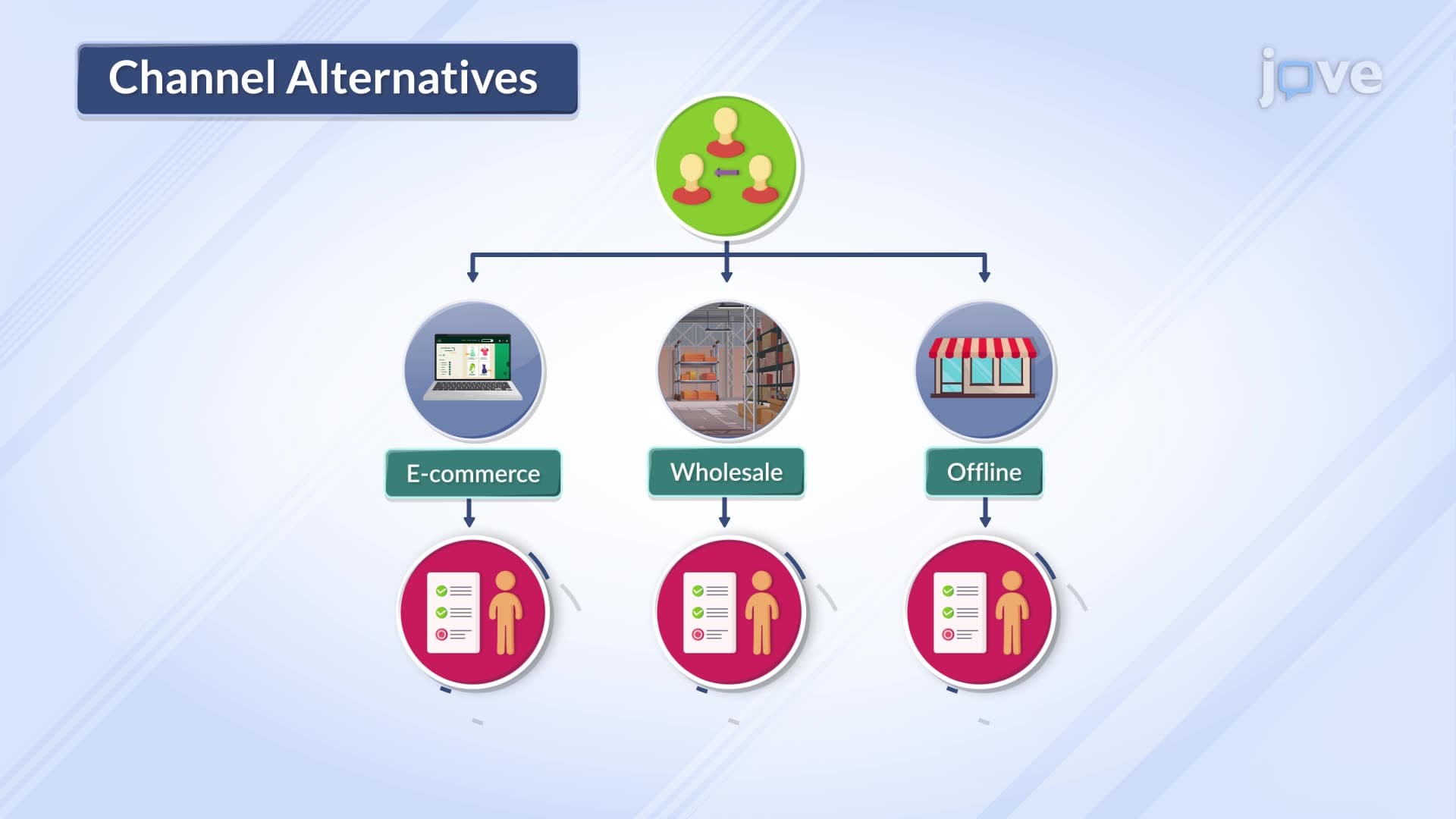
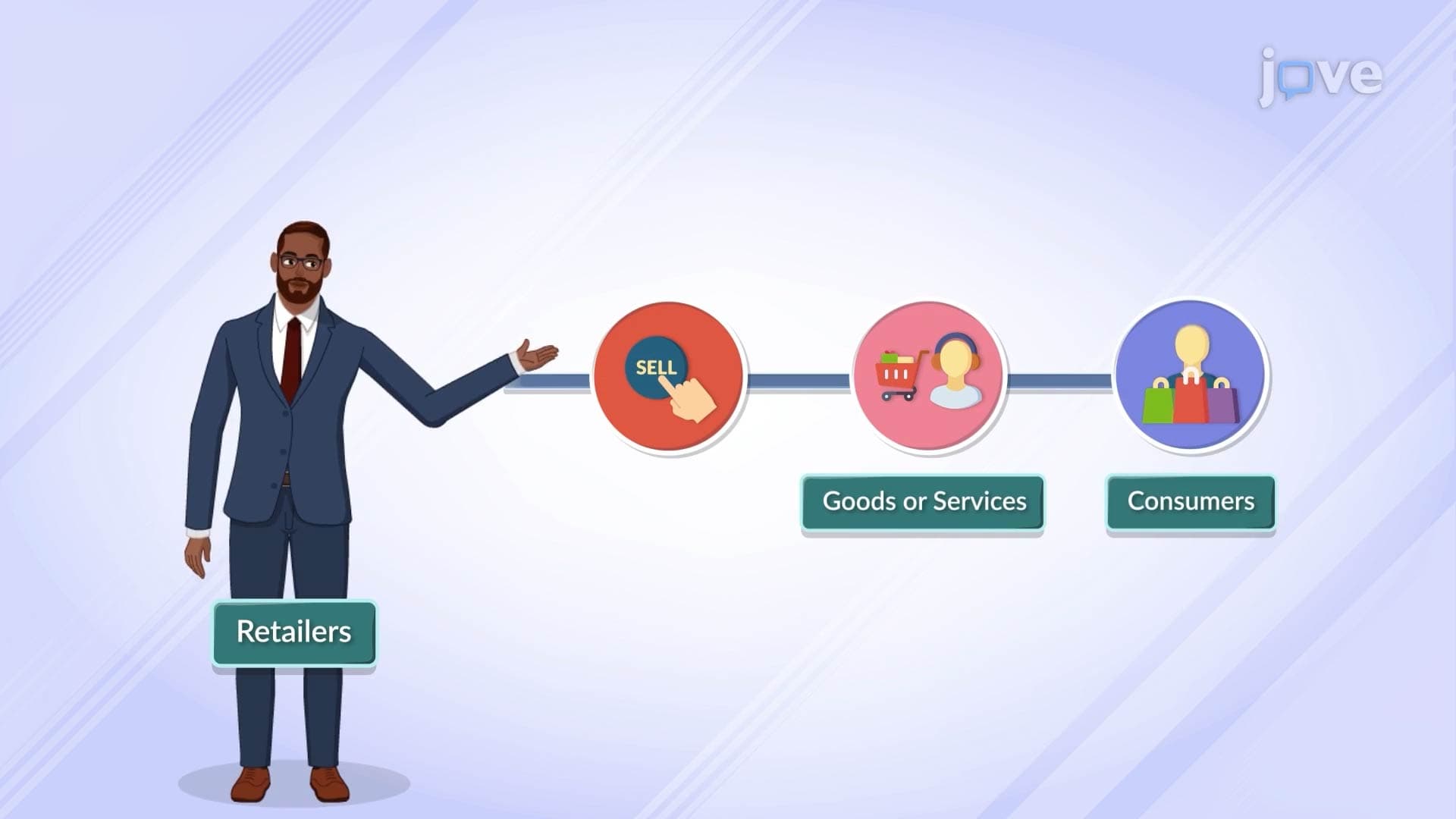
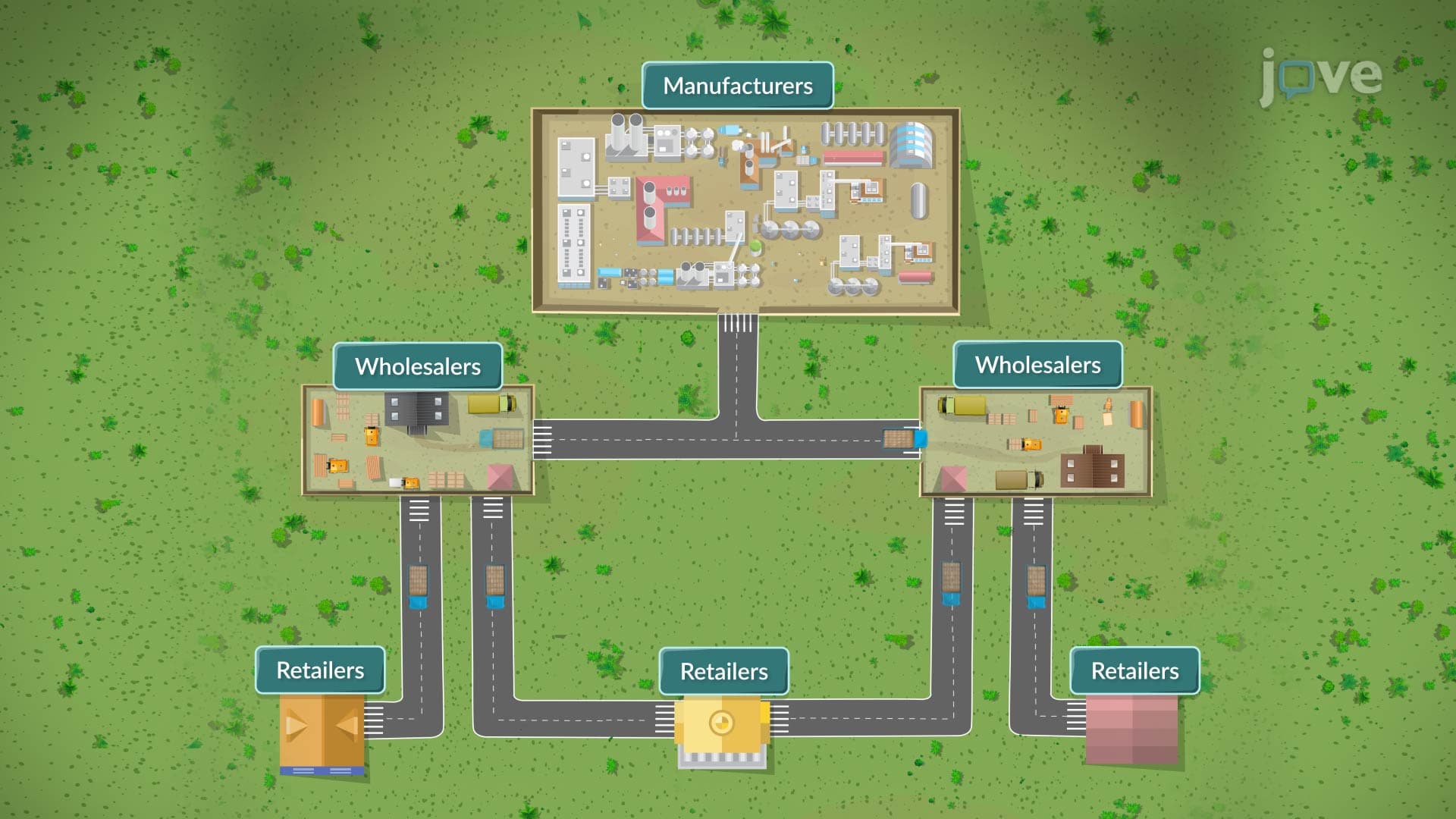
Indirect channels utilize intermediaries-wholesalers, distributors, retailers-to achieve broader market penetration with lower capital requirements. Procter & Gamble masterfully employs this strategy, leveraging Walmart's distribution network to reach millions of customers nationwide. This approach enables rapid geographic expansion, shared marketing costs, and access to established customer relationships. The trade-off involves reduced profit margins, limited customer data access, and potential brand dilution. Strategic success requires careful partner selection, performance monitoring, and channel conflict management.
Franchising represents a hybrid channel design where companies license their business model, brand, and operational systems to independent operators. McDonald's pioneered this approach, achieving global scale while minimizing capital requirements and operational risk. Franchisees invest their capital and assume operational liability, while franchisors collect fees and maintain brand standards. This model accelerates growth velocity, reduces geographic risk exposure, and creates aligned incentives between corporate strategy and local execution. However, maintaining quality control and brand consistency across diverse operators requires robust systems and ongoing oversight.
Related Micro-courses