Loading subject page…

- Marketing
- Delivering Customer Value: Place to Everywhere
- Omnichannel Strategy
Micro-course: Delivering Customer Value: Place to Everywhere
7,838 views
Learn key concepts and earn your certificate.







Omnichannel Strategy

00:00
01:23
Video Summary: What Is Omnichannel Strategy
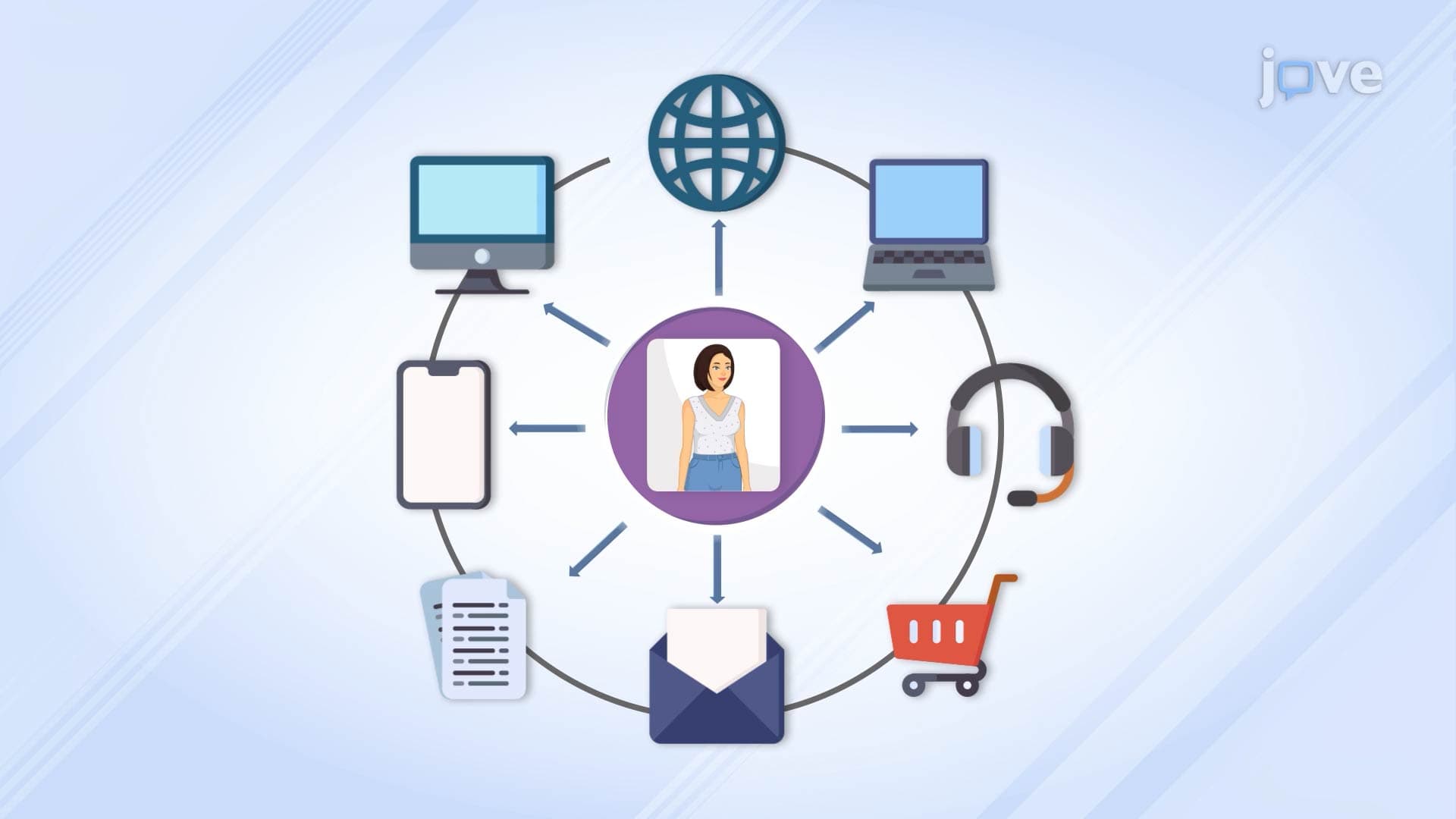
Modern consumers expect seamless brand interactions across every touchpoint, creating a $6 trillion challenge for retailers struggling with fragmented customer experiences. An omnichannel strategy integrates all customer-facing channels into a unified ecosystem, enabling consistent messaging, synchronized inventory, and seamless transitions between online and offline interactions. Companies like Target exemplify this approach by allowing customers to browse online, buy in-store, and return through multiple channels while maintaining unified customer profiles. Watch the full video on JoVE Coach to master this concept with expert-led visuals and step-by-step explanations.
- Apply unified inventory management principles to eliminate customer frustration from out-of-stock scenarios across channels
- Evaluate cross-channel customer journey touchpoints to identify revenue optimization opportunities
- Implement synchronized promotional strategies that maintain brand consistency while maximizing conversion rates
- Analyze customer data integration requirements for delivering personalized experiences at scale
- Leverage omnichannel flexibility to reduce operational costs through optimized fulfillment and return processes
- Identify technology infrastructure gaps that prevent seamless customer experience delivery
- Assess competitive positioning advantages gained through superior channel integration
- Compare multichannel versus omnichannel approaches to determine strategic investment priorities
Understanding Omnichannel Strategy in Today's Business Landscape
When Best Buy faced the "showrooming" crisis in 2012-customers examining products in-store before purchasing online elsewhere-the electronics retailer transformed this challenge into competitive advantage through comprehensive omnichannel implementation. This scenario illustrates why omnichannel strategy has evolved from marketing buzzword to business imperative: companies must create unified customer experiences or risk losing market share to more integrated competitors.
Strategic Components of Omnichannel Excellence
Successful omnichannel strategy encompasses four critical pillars. First, unified data architecture enables real-time inventory visibility and customer profile synchronization across all touchpoints. Walmart's investment in cloud infrastructure allows customers to check product availability across 4,700+ stores while maintaining consistent pricing and promotional messaging.
Second, integrated technology platforms facilitate seamless transitions between channels. Starbucks exemplifies this through their mobile app integration with in-store payment systems, enabling customers to order ahead, customize preferences, and earn rewards through unified digital and physical experiences.
Operational Excellence Through Channel Integration
The third pillar focuses on operational synchronization, where supply chain, customer service, and fulfillment processes operate as integrated systems rather than siloed functions. Home Depot's success stems from treating their 2,300+ stores as fulfillment centers, enabling buy-online-pick-up-in-store (BOPIS) services while reducing shipping costs and improving inventory turnover.
Measuring Omnichannel ROI and Performance
Finally, performance measurement frameworks must capture cross-channel customer lifetime value rather than traditional channel-specific metrics. Companies implementing omnichannel strategies typically see 9.5% annual revenue increases and 7.5% year-over-year decreases in cost-per-contact, according to Aberdeen Group research. However, successful implementation requires 18-24 months and significant technology investment, making executive commitment crucial for long-term success.
Frequently Asked Questions
Omnichannel strategy creates integrated customer experiences across all touchpoints with unified data and consistent messaging. Unlike multichannel approaches that operate independent channels, omnichannel ensures customers can seamlessly transition between online, mobile, and physical interactions while maintaining continuity in their journey and preferences.
Present omnichannel as a revenue growth and cost optimization initiative rather than just a technology upgrade. Companies with strong omnichannel engagement retain 89% of customers compared to 33% for weak omnichannel companies. Focus on competitive threats, customer acquisition costs, and lifetime value improvements to build your business case.
Treating omnichannel as a technology project rather than a business transformation initiative. Successful implementation requires organizational alignment across marketing, operations, IT, and customer service teams. Without executive sponsorship and cross-functional collaboration, technology investments often create more silos instead of integration.
Amazon leverages unified customer profiles across Prime Video, Alexa, Whole Foods, and e-commerce platforms to create personalized experiences. Their omnichannel approach includes voice commerce through Alexa, physical retail integration with Whole Foods, and seamless transitions between digital and physical touchpoints while maintaining consistent Prime membership benefits.
While technical understanding helps, successful omnichannel leadership requires strong project management, change management, and strategic thinking skills. Focus on understanding customer journey mapping, data integration concepts, and business process optimization. Partner with technical teams while maintaining focus on business outcomes and customer experience improvements.
Omnichannel strategy skills position you as a digital transformation leader, opening opportunities in customer experience management, digital marketing, and operations roles. As companies prioritize customer-centric strategies, professionals who understand cross-channel integration and customer journey optimization become increasingly valuable for senior management positions.
Customer journey mapping and customer experience (CX) design represent natural progressions from omnichannel strategy. Understanding how to design and optimize customer touchpoints across their entire lifecycle-from awareness through retention-builds upon omnichannel foundations while developing advanced customer-centric business strategy capabilities.
Related Micro-courses



19 Concepts