Loading subject page…

- Marketing
- Delivering Customer Value: Place to Everywhere
- Place and Everywhere
Micro-course: Delivering Customer Value: Place to Everywhere
7,838 views
Learn key concepts and earn your certificate.





Place and Everywhere

00:00
01:24
Video Summary: What Is Place and Everywhere
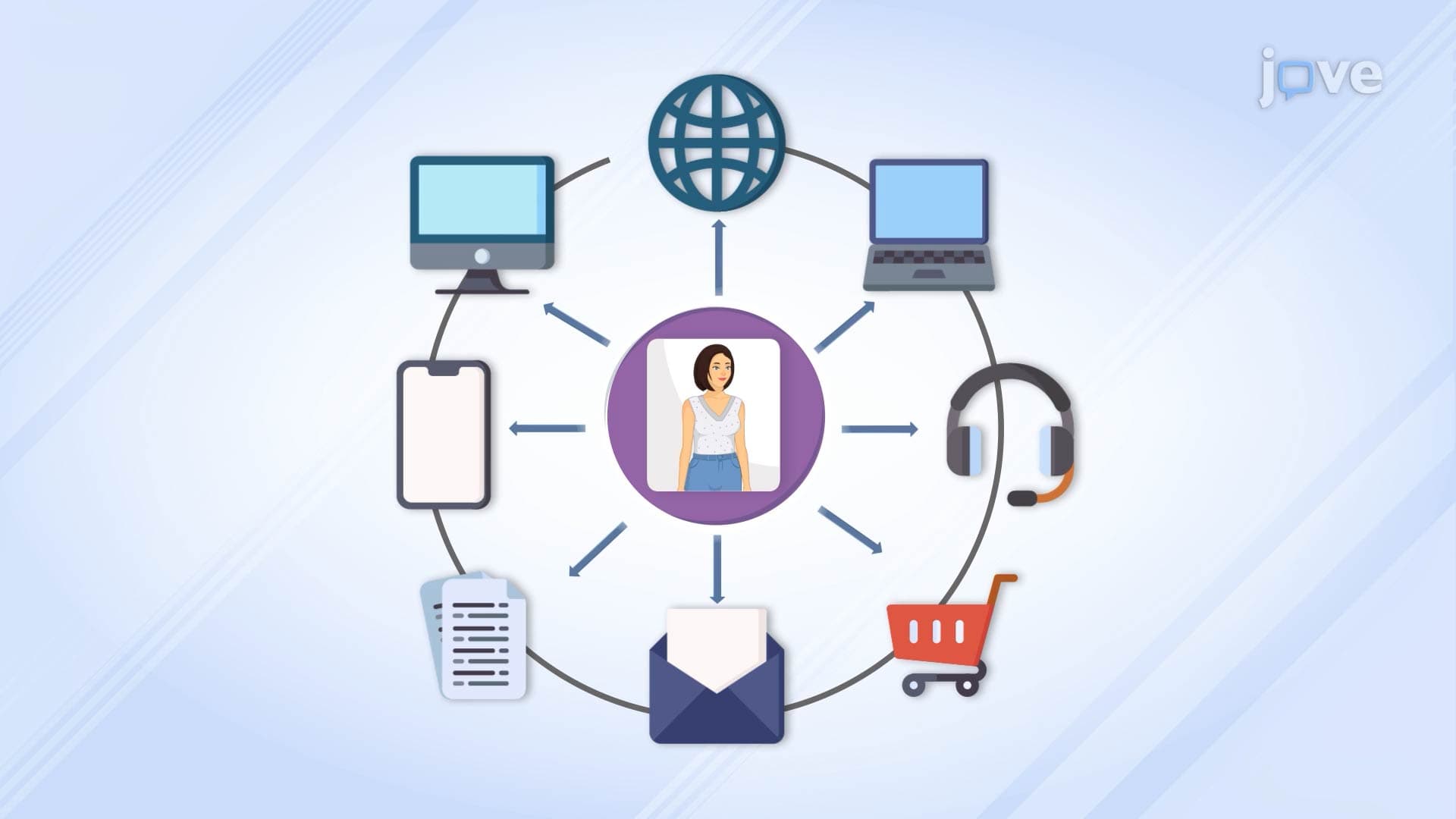
Distribution strategy decisions directly impact revenue and customer acquisition costs, making place everywhere a critical component of competitive advantage. Major retailers like Amazon have redefined What is Place And Everywhere by creating omnichannel distribution networks that serve customers through physical stores, digital platforms, and hybrid fulfillment models. This integrated approach ensures product availability across all customer touchpoints, maximizing market penetration and operational efficiency. Watch the full video on JoVE Coach to master this concept with expert-led visuals and step-by-step explanations.
- Apply omnichannel distribution strategies to expand market reach while optimizing logistics costs and delivery timelines
- Evaluate the trade-offs between direct-to-consumer channels and third-party distribution partnerships for revenue optimization
- Analyze customer journey touchpoints to identify distribution gaps that competitors could exploit in your market segments
- Implement value delivery networks that integrate suppliers, manufacturers, and intermediaries for seamless customer experience
- Compare physical versus digital distribution channels based on customer acquisition costs, lifetime value, and operational complexity
- Leverage geographic and demographic data to optimize retail location selection and inventory allocation decisions
- Identify distribution inefficiencies that impact customer satisfaction scores and repeat purchase behavior
- Assess the scalability of current distribution infrastructure to support business growth and market expansion plans
Understanding What is Place And Everywhere in Modern Distribution Strategy
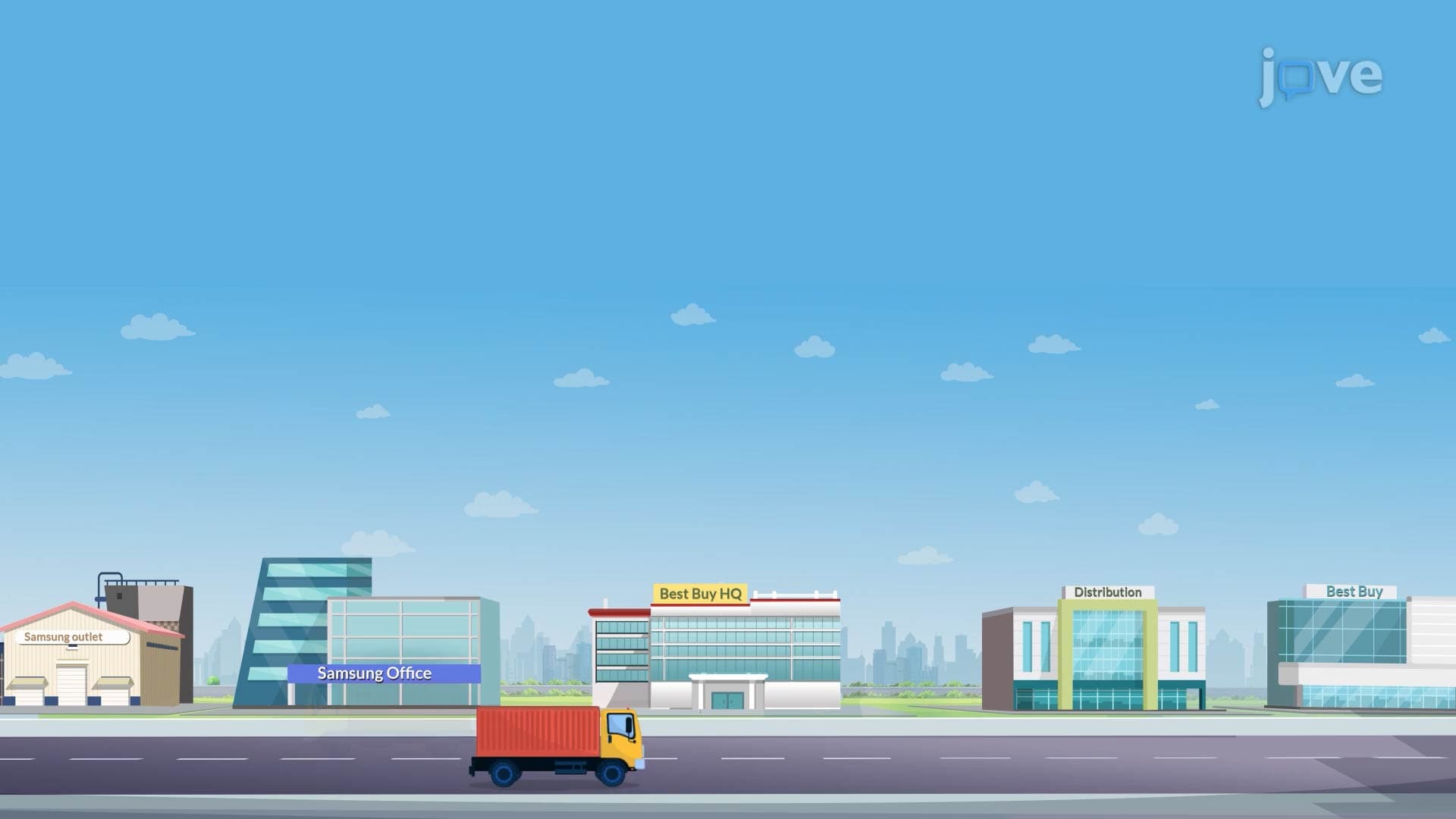
Today's business leaders face unprecedented complexity in distribution decisions. Consider how Best Buy transformed from near-bankruptcy in 2012 to sustained profitability by reimagining their place strategy. They created a "place everywhere" approach that turned physical stores into showrooms, fulfillment centers, and customer service hubs while expanding their digital presence.
The Strategic Evolution of Distribution Networks
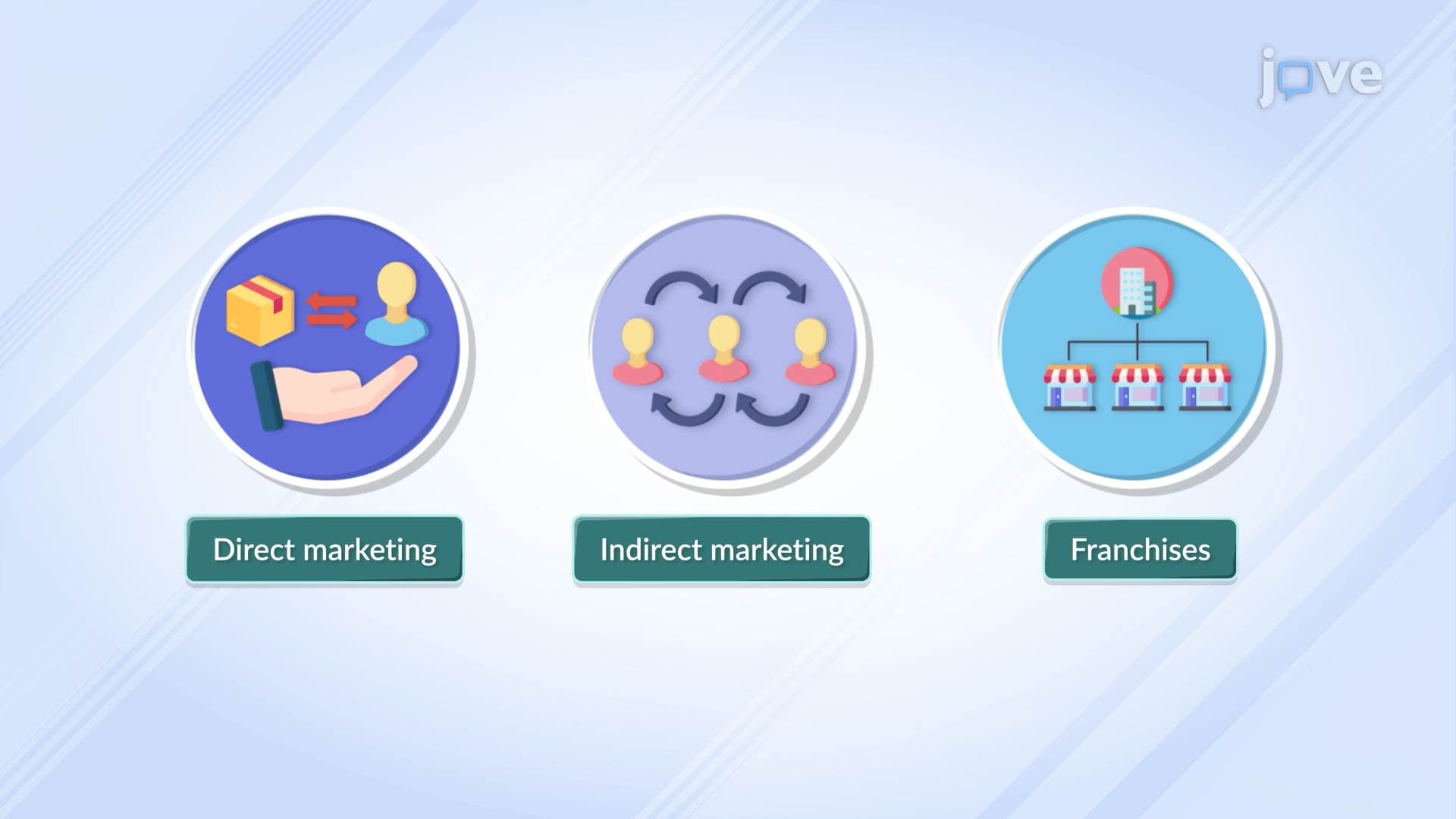
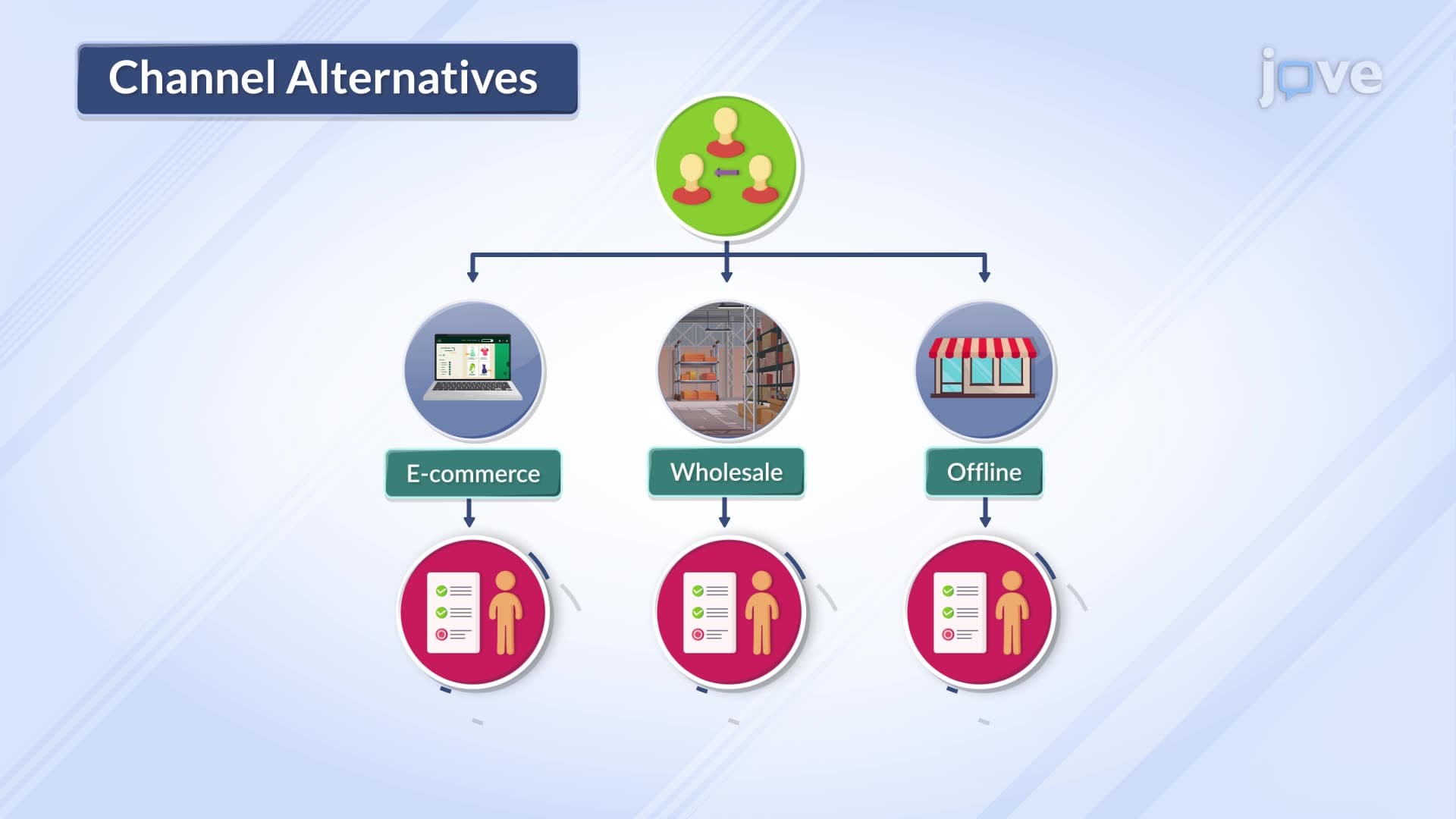
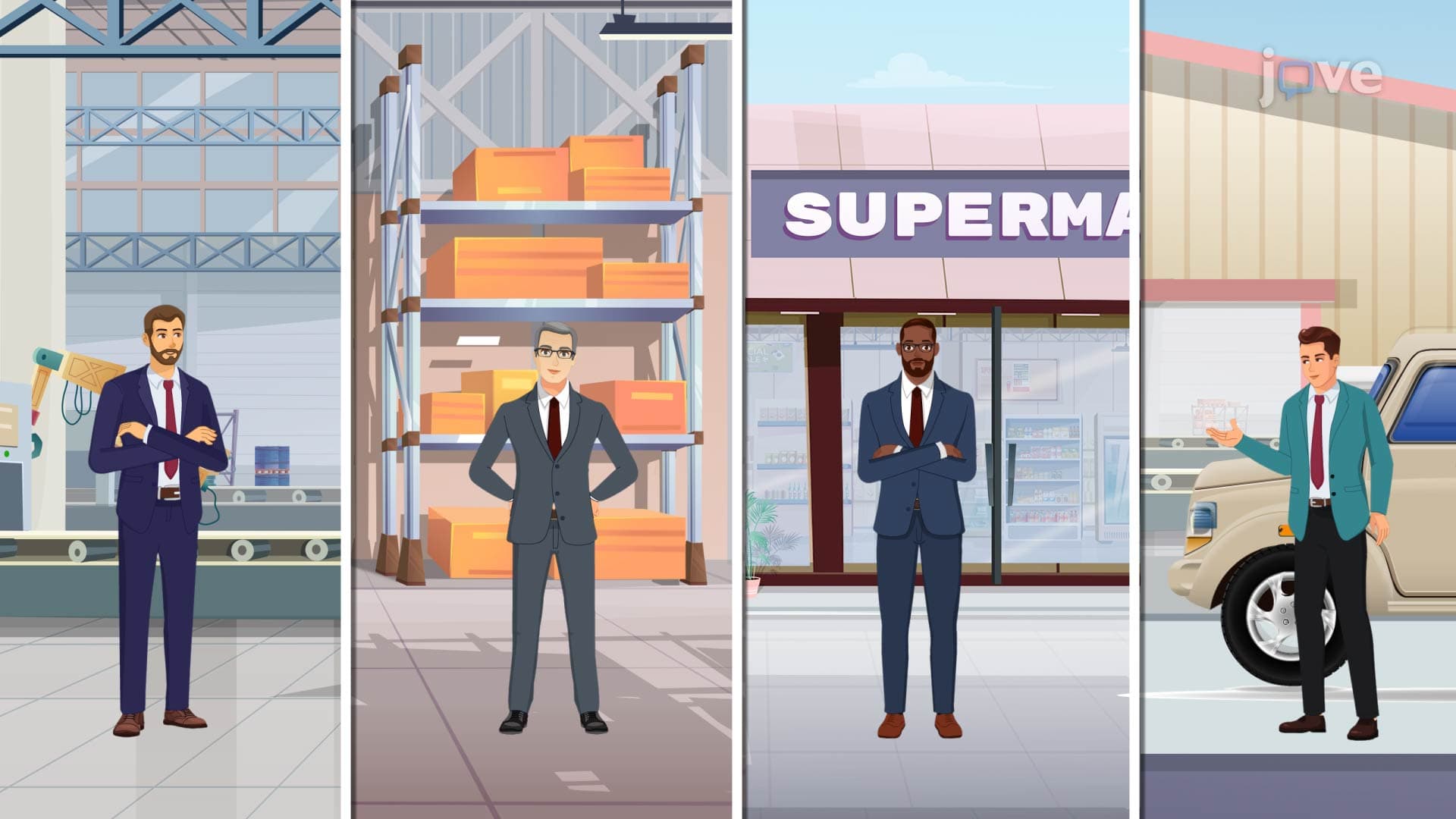
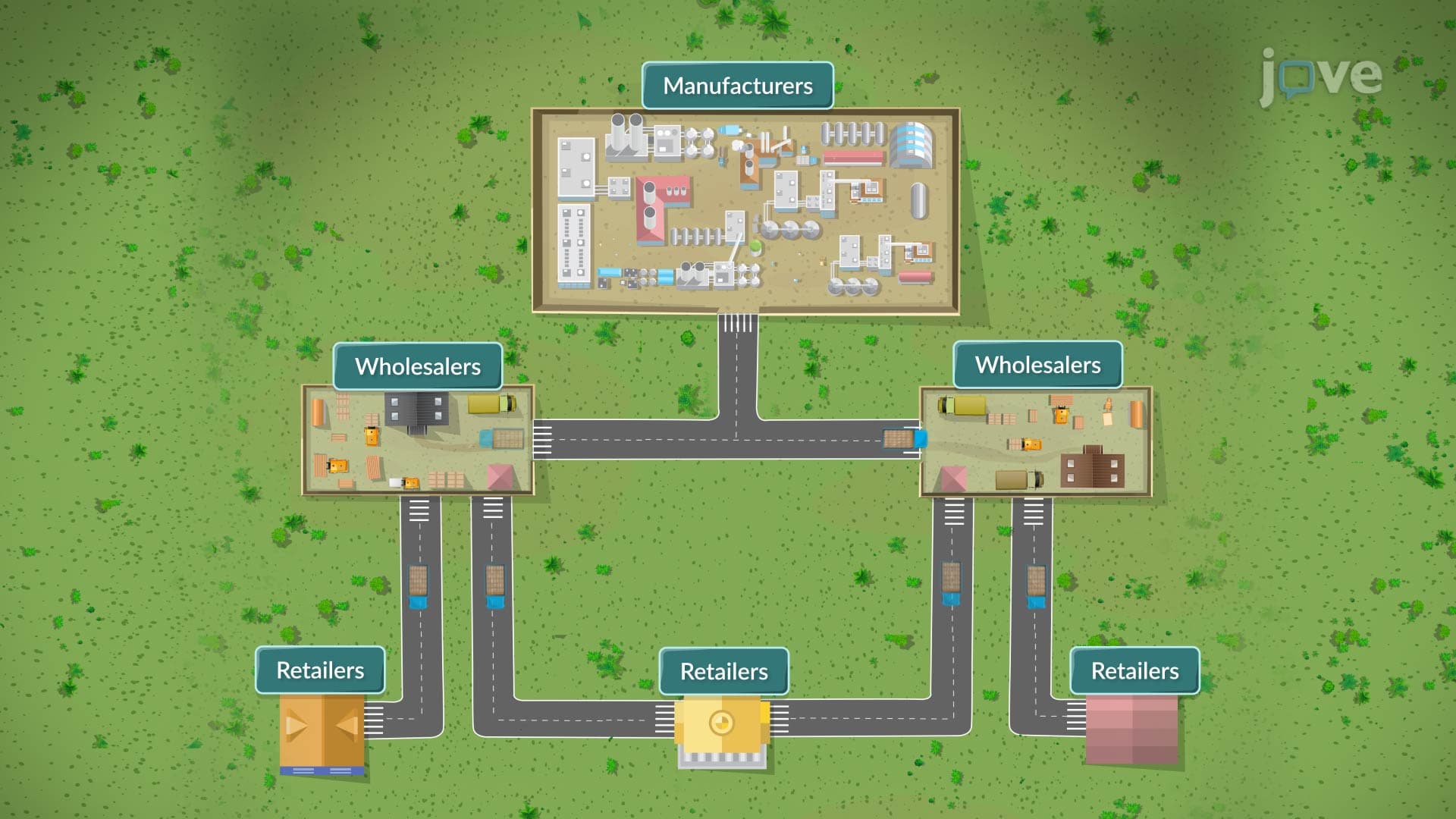
Modern distribution transcends traditional channel thinking. Companies now orchestrate value delivery networks-interconnected systems of suppliers, manufacturers, distributors, and technology platforms that ensure product availability regardless of customer location or preferred shopping method. Target exemplifies this with their same-day delivery, drive-up service, and in-store pickup options, all supported by a unified inventory management system.
This evolution requires executives to think beyond simple channel conflict management. Instead, they must architect complementary channel strategies where each touchpoint reinforces brand value while serving distinct customer segments and purchase occasions.
Competitive Implications of Place Strategy
Distribution decisions create lasting competitive advantages that are difficult to replicate. Walmart's distribution network, built over decades, involves over 150 distribution centers and a private truck fleet that competitors cannot easily match. This infrastructure enables everyday low prices while maintaining healthy margins-a competitive moat that pure digital players struggle to overcome.
Implementation Framework for Business Leaders
Successful place everywhere strategies require three core elements: infrastructure scalability, technology integration, and customer experience consistency. Leaders must evaluate each distribution channel's contribution to customer lifetime value, not just immediate transaction volume. This means analyzing data from inventory turns, shipping costs, customer satisfaction metrics, and channel-specific profit margins to optimize the entire network performance.
The most successful implementations involve cross-functional teams that break down silos between marketing, operations, technology, and finance. Companies that treat distribution as purely an operational concern miss strategic opportunities to create customer value and competitive differentiation.
Frequently Asked Questions
Place everywhere refers to an omnichannel distribution strategy where products and services are accessible through multiple integrated touchpoints-physical stores, websites, mobile apps, and third-party platforms. It ensures customers can purchase, receive, and service products through their preferred channels while maintaining consistent brand experience and operational efficiency.
Analyze your customer acquisition costs, average transaction values, and lifetime value by channel. Physical locations work best for high-consideration purchases, complex products, or markets where customers prefer tactile experiences. Digital channels typically offer lower operational costs and broader geographic reach, making them ideal for standardized products and repeat purchases.
Distribution decisions directly impact revenue growth, margin structure, and competitive positioning, making them crucial for strategic planning. Board discussions should focus on distribution's role in market share expansion, customer retention, and operational scalability. Consider how distribution choices affect your ability to enter new markets, serve different customer segments, and respond to competitive threats.
Home Depot integrated their 2,300+ stores with digital platforms, enabling services like buy-online-pickup-in-store, same-day delivery, and pro contractor services. Their stores serve as fulfillment centers, reducing shipping costs while providing immediate product access. This approach increased customer convenience while leveraging existing real estate investments to compete with pure-play online retailers.
While supply chain knowledge helps, the key requirement is understanding customer behavior and competitive dynamics. Focus on learning how different distribution channels affect customer experience, acquisition costs, and retention rates. Partner with operations experts for tactical implementation while maintaining strategic oversight of how distribution choices impact overall business performance.
Distribution expertise positions you for senior roles in marketing, operations, and general management. Companies increasingly value leaders who understand omnichannel strategy, as it directly impacts revenue and customer satisfaction. This knowledge is particularly valuable for roles in retail, e-commerce, consumer goods, and any business expanding into new markets or channels.
Study integrated marketing communications (IMC) to understand how promotional strategies must align across all distribution channels. This knowledge helps ensure consistent messaging and customer experience regardless of how customers interact with your brand, maximizing the effectiveness of your place everywhere strategy.
Related Micro-courses



19 Concepts