Loading subject page…

Micro-course: Delivering Customer Value: Place to Everywhere
7,838 views
Learn key concepts and earn your certificate.







Retailers

00:00
01:26
Video Summary: What Is Retailers
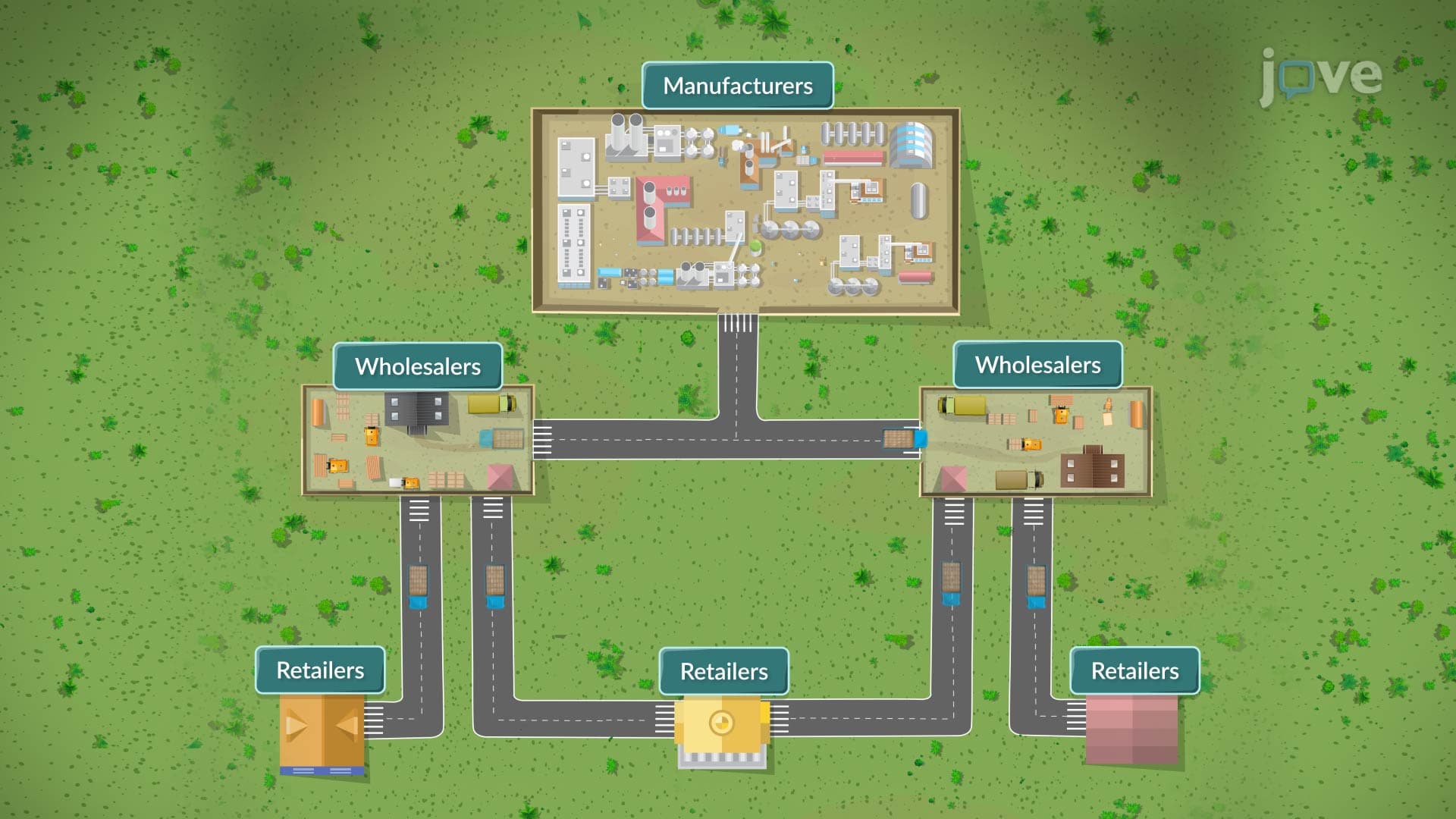
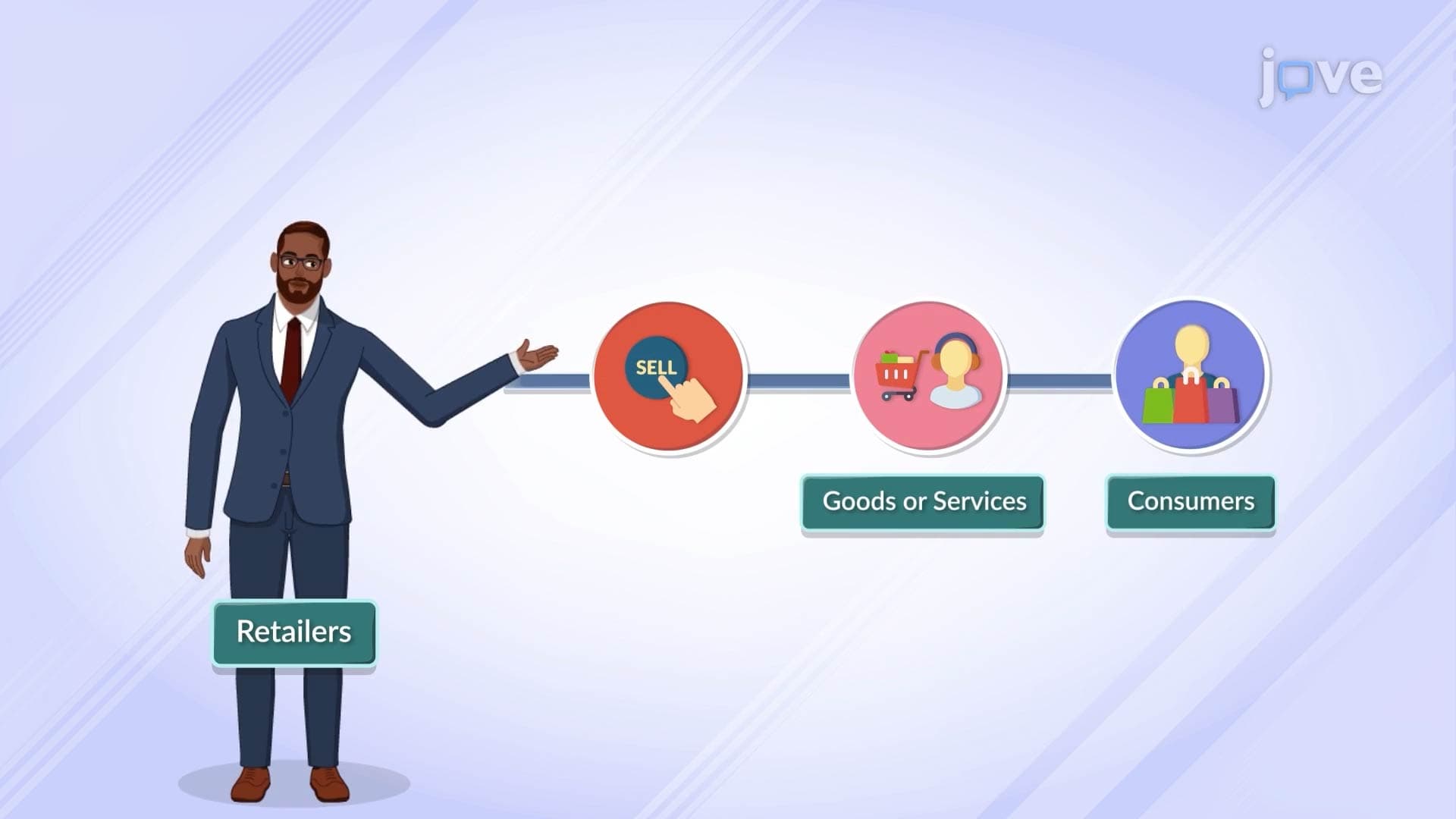
Modern retail strategy determines whether companies reach consumers effectively or lose market share to competitors. Retailers serve as the critical distribution bridge between manufacturers and end consumers, with industry leaders like Walmart and Amazon reshaping how businesses approach market penetration and customer acquisition. Understanding what retailers are and their various forms-from department stores like Macy's to e-commerce platforms-enables professionals to make informed decisions about distribution partnerships, competitive positioning, and market entry strategies. Watch the full video on JoVE Coach to master this concept with expert-led visuals and step-by-step explanations.
- Apply retail channel analysis to evaluate which distribution partnerships align with your company's growth objectives and target market requirements
- Identify optimal retail formats for product launches based on consumer behavior patterns and competitive landscape dynamics
- Assess the strategic value of different retailer relationships in terms of market reach, brand positioning, and revenue potential
- Leverage retailer feedback mechanisms to refine product development and marketing strategies for better market fit
- Analyze competitive retail positioning to identify market gaps and differentiation opportunities within your industry
- Evaluate the cost-benefit trade-offs between traditional brick-and-mortar partnerships versus direct-to-consumer digital channels
- Implement retail partner selection criteria that maximize distribution efficiency while maintaining brand integrity and profit margins
- Compare retailer performance metrics to optimize your distribution mix and resource allocation decisions
Understanding Retailers in Modern Business Strategy
When P&G executives evaluate distribution channels for new product launches, they're making critical decisions about retailer partnerships that can determine market success or failure. Retailers function as the essential intermediaries connecting manufacturers with consumers, but their role extends far beyond simple product placement-they influence brand perception, customer experience, and ultimately, revenue performance.
Strategic Retail Categories and Business Applications
Department stores like Nordstrom serve as premium brand showcases, offering manufacturers access to affluent customer segments willing to pay higher margins. These partnerships work best for products requiring personal consultation or experiential marketing. Conversely, discount retailers such as Costco prioritize volume and efficiency, making them ideal for commodity products or brands seeking rapid market penetration.
Specialty retailers like Home Depot create focused expertise around specific categories, providing manufacturers with knowledgeable sales support and targeted customer access. For B2B companies, these relationships offer opportunities to reach professional contractors and serious DIY enthusiasts who influence broader purchasing decisions.
Digital Transformation and Omnichannel Strategy
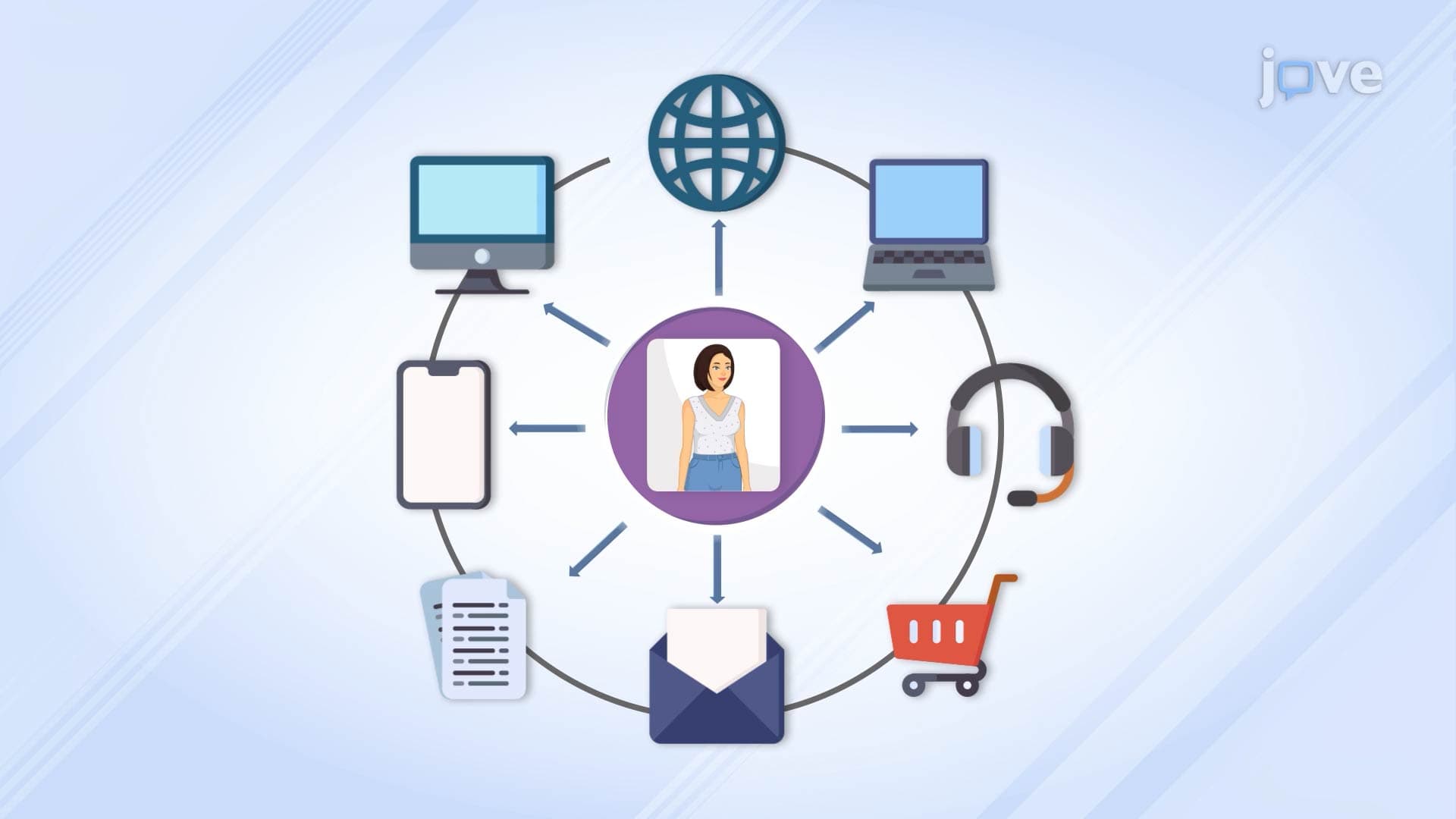
E-commerce giants like Amazon have fundamentally altered retailer dynamics, forcing traditional retailers to adopt omnichannel approaches. For business leaders, this shift requires understanding how different retail formats complement each other rather than compete. Target's successful integration of online and physical presence demonstrates how retailers can create seamless customer experiences that benefit all supply chain partners.
Economic Impact and Strategic Considerations
Retailers generate significant economic activity beyond direct sales-they create jobs, drive real estate development, and influence local economic conditions. For executives making location-based decisions or evaluating market entry strategies, understanding retailer concentration and performance in specific regions provides crucial intelligence for business planning and competitive analysis.
Frequently Asked Questions
Retailers are businesses that sell products or services directly to end consumers, serving as the final link in the distribution chain. They include everything from Walmart's massive discount operations to specialized boutiques, each offering different strategic advantages for manufacturers and unique value propositions for customers.
Evaluate potential retail partners based on target customer alignment, geographic coverage, brand positioning compatibility, and financial terms. Consider whether Home Depot's contractor-focused environment suits your product better than Lowe's broader consumer approach, and assess each retailer's growth trajectory and market influence.
Large chains like CVS offer broad market reach and standardized processes but often demand lower margins and strict compliance requirements. Independent retailers provide flexibility, local market knowledge, and often higher margins, but require more relationship management and may have limited growth potential.
Amazon's dominance has forced manufacturers to reconsider pricing strategies, inventory management, and brand control across all retail channels. Companies now must balance Amazon's massive reach against potential conflicts with traditional retail partners who compete directly with the platform.
While retail experience helps, success depends more on understanding your target customers, maintaining consistent product quality, and building strong relationship management skills. Many successful vendor relationships develop through industry knowledge and reliable execution rather than prior retail background.
Retail channel expertise opens opportunities in business development, strategic partnerships, marketing, and general management roles. Professionals who understand how different retail formats impact customer acquisition and brand positioning become valuable assets for companies expanding distribution or entering new markets.
Focus on omnichannel strategy, retail analytics, and customer journey mapping. Understanding how retailers collect and use consumer data, manage inventory across multiple channels, and create integrated customer experiences will enhance your strategic decision-making capabilities.
Related Micro-courses


19 Concepts