Loading subject page…


7,838 views

Video Summary: What Is Wholesalers
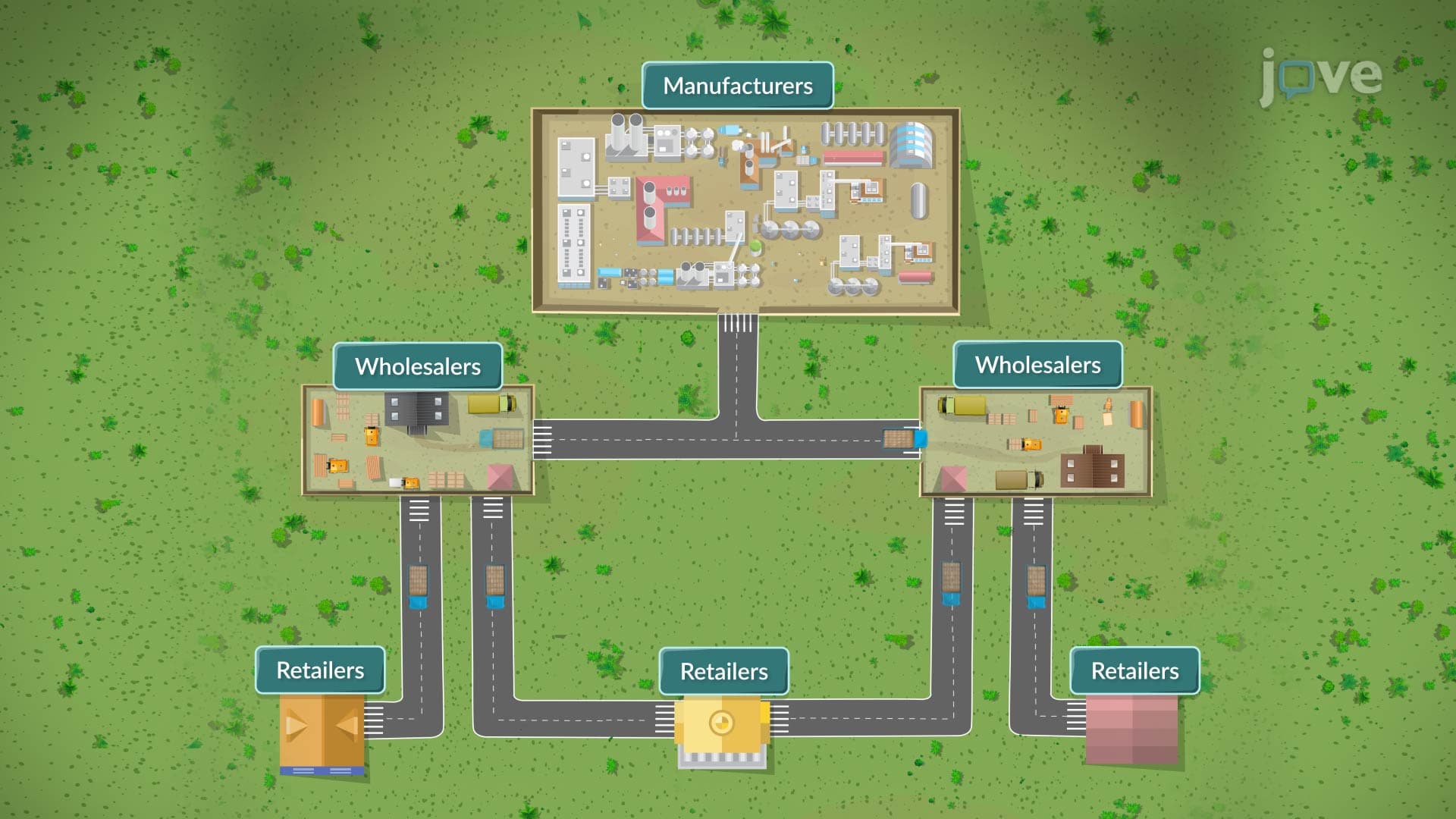
Wholesalers drive supply chain efficiency by serving as critical intermediaries between manufacturers and retailers, enabling companies like Walmart to source thousands of products without managing individual supplier relationships. These distribution partners fall into two main categories: merchant wholesalers who take ownership of goods (like Sysco providing comprehensive services to restaurants) and agents/brokers who facilitate transactions without ownership. Understanding wholesalers is essential for optimizing procurement strategies and distribution costs. Watch the full video on JoVE Coach to master this concept with expert-led visuals and step-by-step explanations.
When Home Depot revolutionized the home improvement industry, they didn't achieve dominance by managing thousands of individual manufacturer relationships. Instead, they leveraged sophisticated wholesaler networks to efficiently stock 35,000+ SKUs across 2,300+ stores. This strategic approach exemplifies how wholesalers function as essential intermediaries, enabling both manufacturers and retailers to focus on their core competencies while optimizing distribution efficiency.
Merchant wholesalers represent the backbone of American distribution, taking legal ownership of goods and providing varying service levels. Sysco Corporation, the $70+ billion foodservice distributor, exemplifies the full-service merchant wholesaler model. Beyond simple product delivery, Sysco provides restaurants with menu planning, nutritional analysis, marketing support, and flexible payment terms. This comprehensive approach allows restaurant operators to focus on customer service while Sysco manages complex supply chain logistics.
Conversely, limited-service merchant wholesalers like cash-and-carry operations serve price-sensitive market segments. Costco Business Centers operate on this model, offering bulk quantities at competitive prices while requiring customers to handle their own logistics and immediate payment. This approach reduces operational costs and passes savings to business customers willing to accept reduced service levels.
Manufacturer's representatives and brokers serve different strategic functions within wholesale distribution. Independent sales agents representing multiple non-competing manufacturers can efficiently cover territorial markets that would be cost-prohibitive for individual companies to serve directly. For example, a manufacturer's rep might represent kitchen appliance brands, plumbing fixtures, and lighting systems to serve the construction industry comprehensively.
Real estate brokers provide another familiar example of this model-facilitating transactions between buyers and sellers while earning commissions without taking ownership. In B2B contexts, commodity brokers connect agricultural producers with food manufacturers, managing price discovery and risk mitigation without holding inventory.
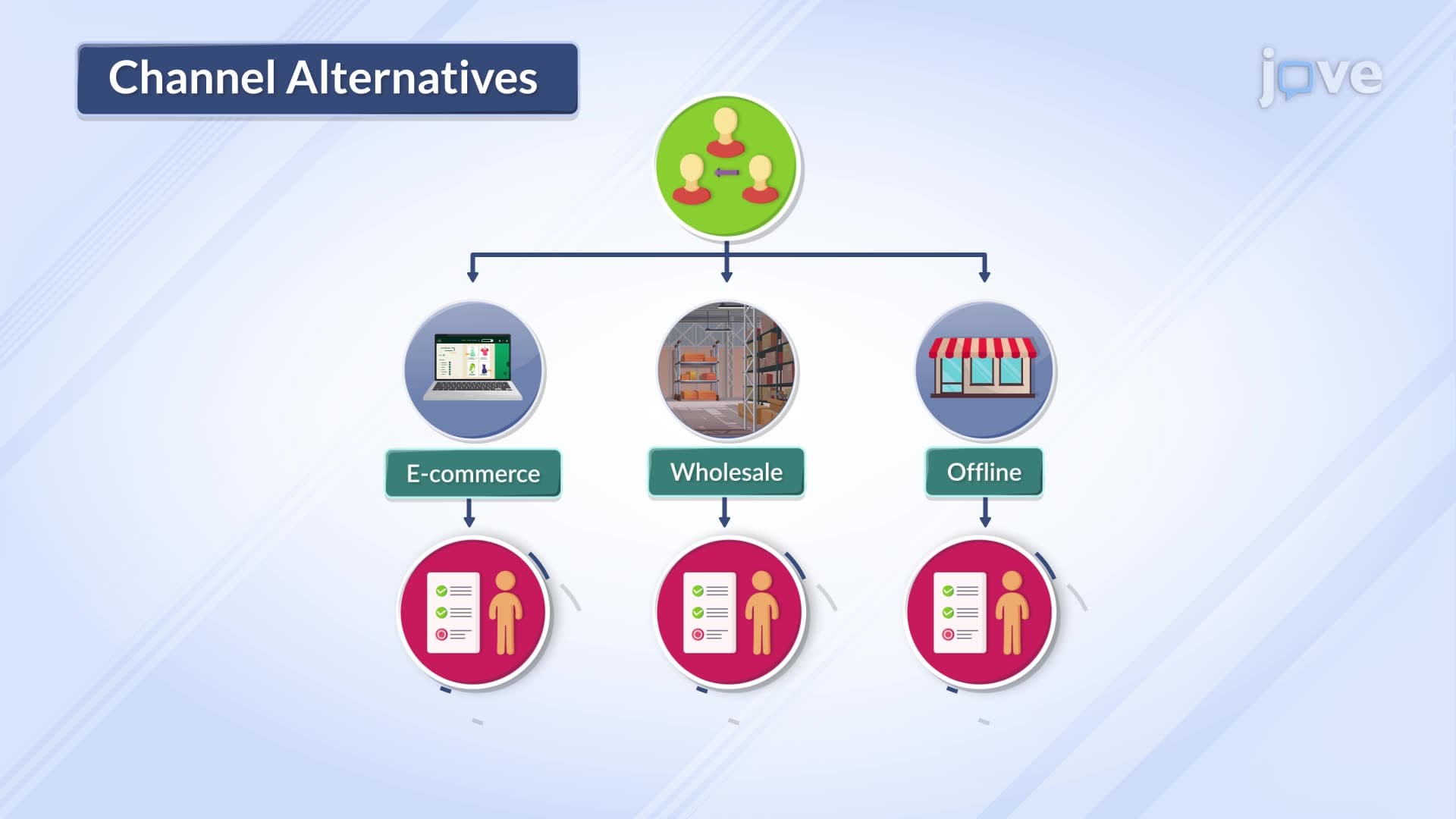
Wholesaler selection directly impacts working capital requirements, market penetration speed, and competitive positioning. Companies must evaluate whether to work through established wholesale networks or develop direct distribution capabilities. Amazon's acquisition of Whole Foods demonstrated how controlling wholesale distribution can create competitive advantages, while traditional retailers increasingly compete with Amazon's expanding B2B wholesale operations through Amazon Business.
Related Micro-courses