Loading subject page…


17,060 views


Video Summary: Individual Product and Service Decisions Explained
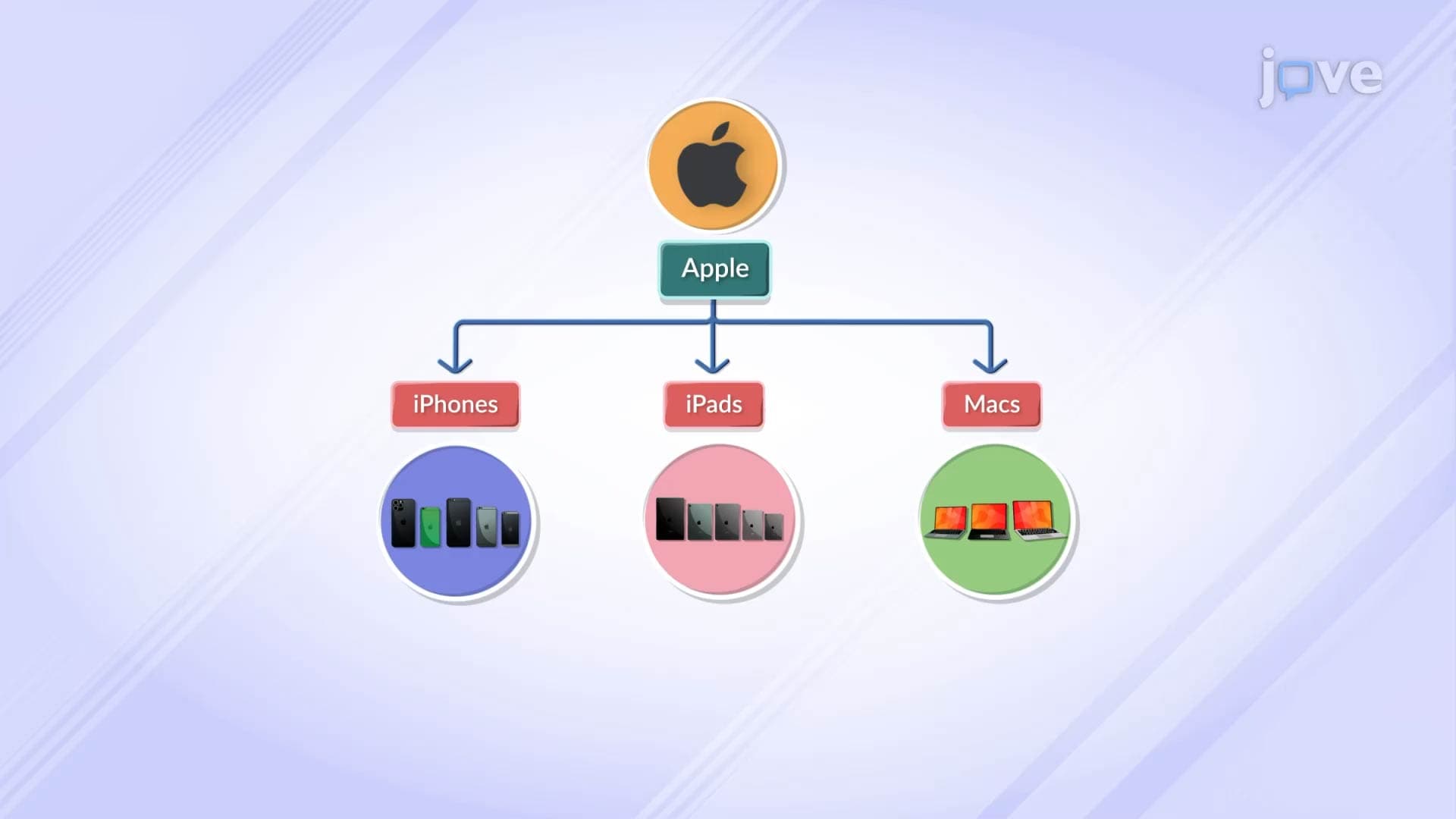
Smart individual product service decisions can make or break quarterly revenue targets, as evidenced by companies that fail to align product attributes with customer expectations. Understanding individual product and service decisions explained becomes critical when executives face portfolio optimization challenges or market positioning dilemmas. Apple's systematic approach to design, branding, packaging, and support services demonstrates how integrated decision-making drives market leadership and customer loyalty. Watch the full video on JoVE Coach to master this concept with expert-led visuals and step-by-step explanations.
When Netflix decided to transition from DVD-by-mail to streaming, executives faced complex individual product service decisions that would reshape their entire business model. These decisions-encompassing everything from user interface design to content delivery infrastructure-illustrate how seemingly isolated product choices create cascading effects throughout an organization's value chain.
Product attributes represent the foundation of differentiation strategy. Quality, features, and design don't exist in isolation-they form integrated systems that either reinforce or undermine market positioning. Consider Tesla's approach: their decision to prioritize software-driven features over traditional automotive luxury created an entirely new competitive category. Working professionals must understand that attribute decisions directly impact gross margins, customer acquisition costs, and long-term defensibility.
The strategic question isn't simply "what features should we include?" but rather "which attributes create sustainable competitive advantages while supporting our target cost structure?" This requires analyzing customer value perception, competitive responses, and operational capabilities simultaneously.
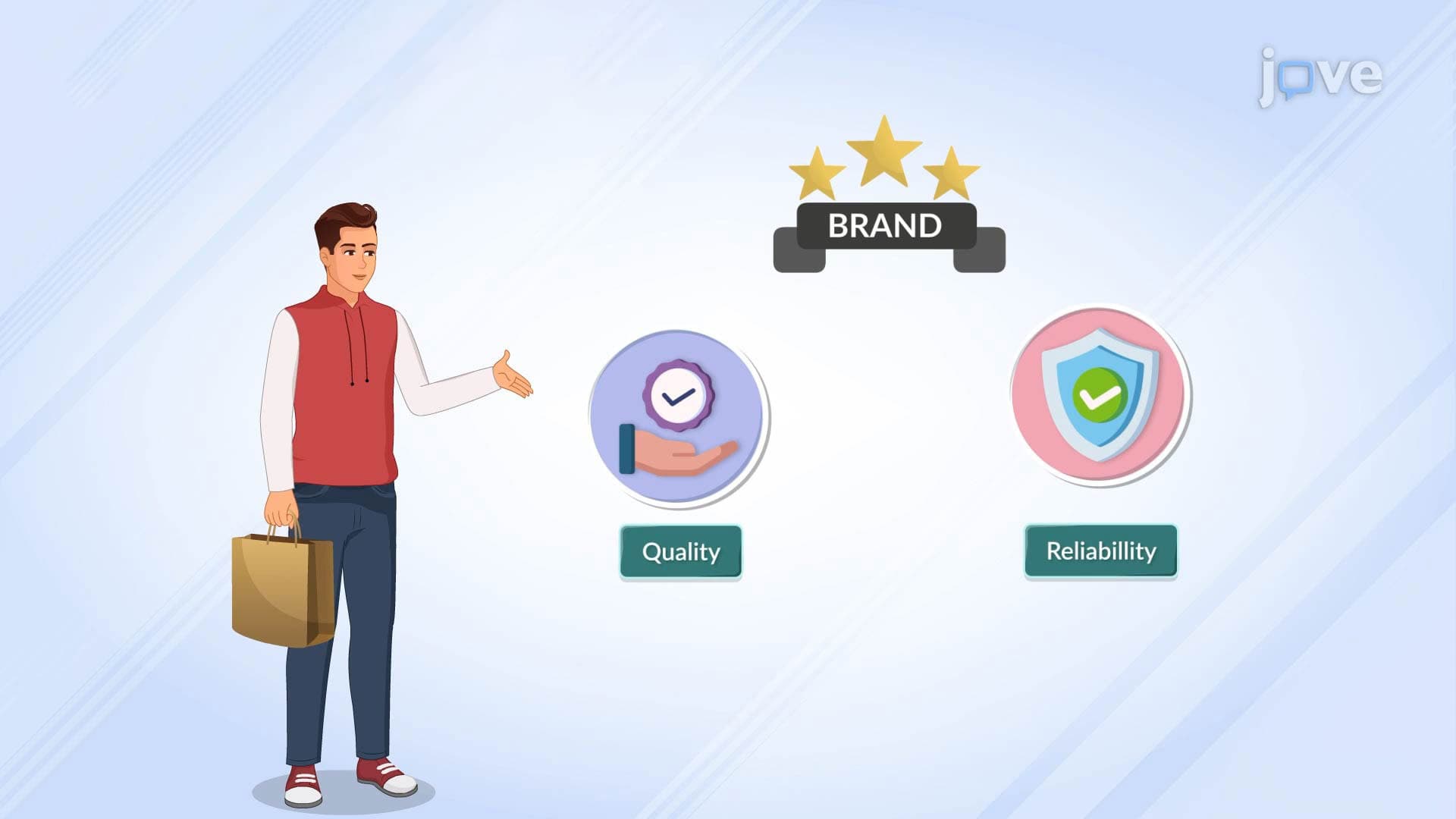
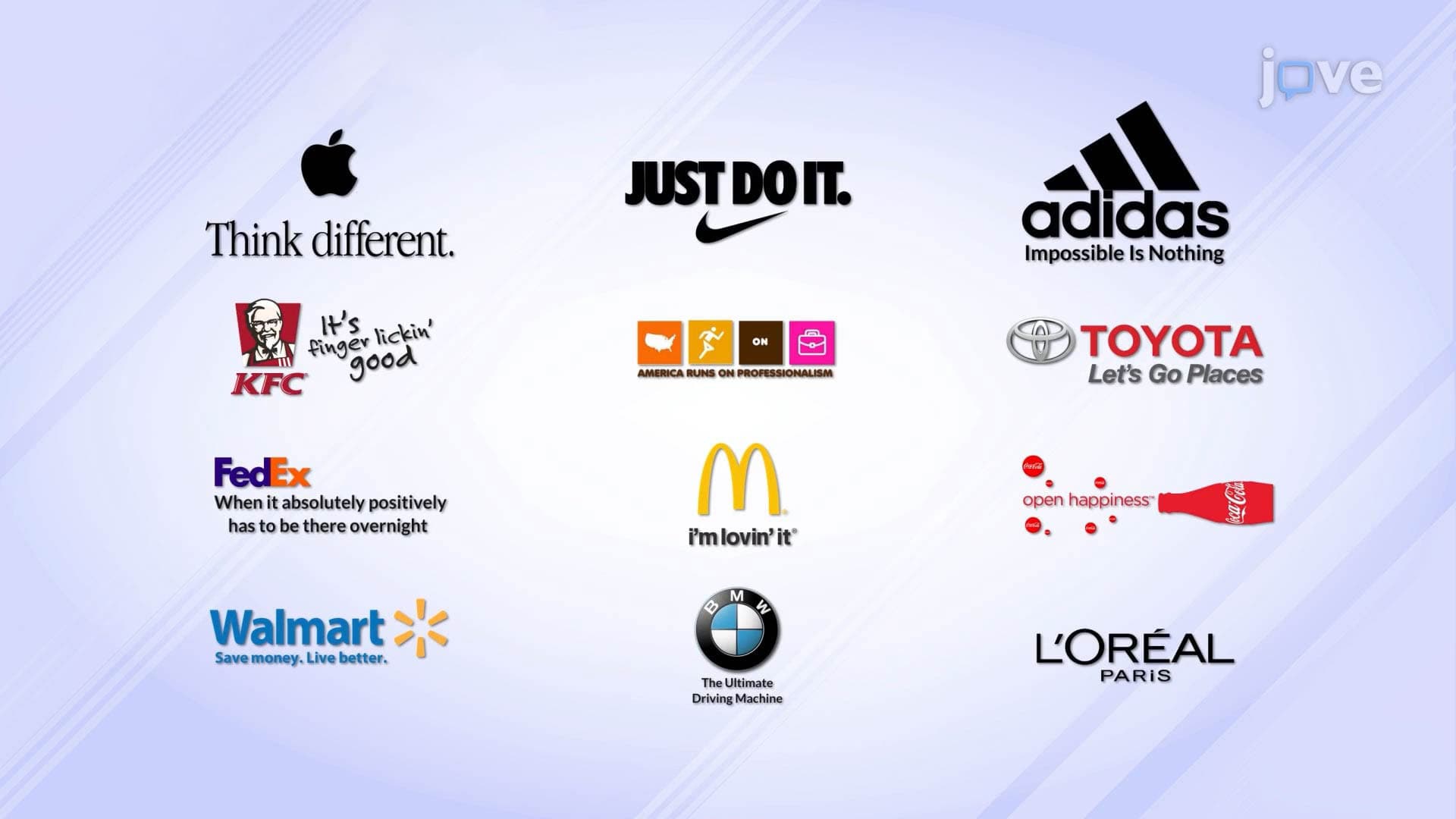
Branding decisions extend far beyond logo design into fundamental questions of market positioning and customer perception management. Amazon's evolution from online bookstore to "everything store" demonstrates how branding choices must support strategic pivots while maintaining customer trust and recognition.
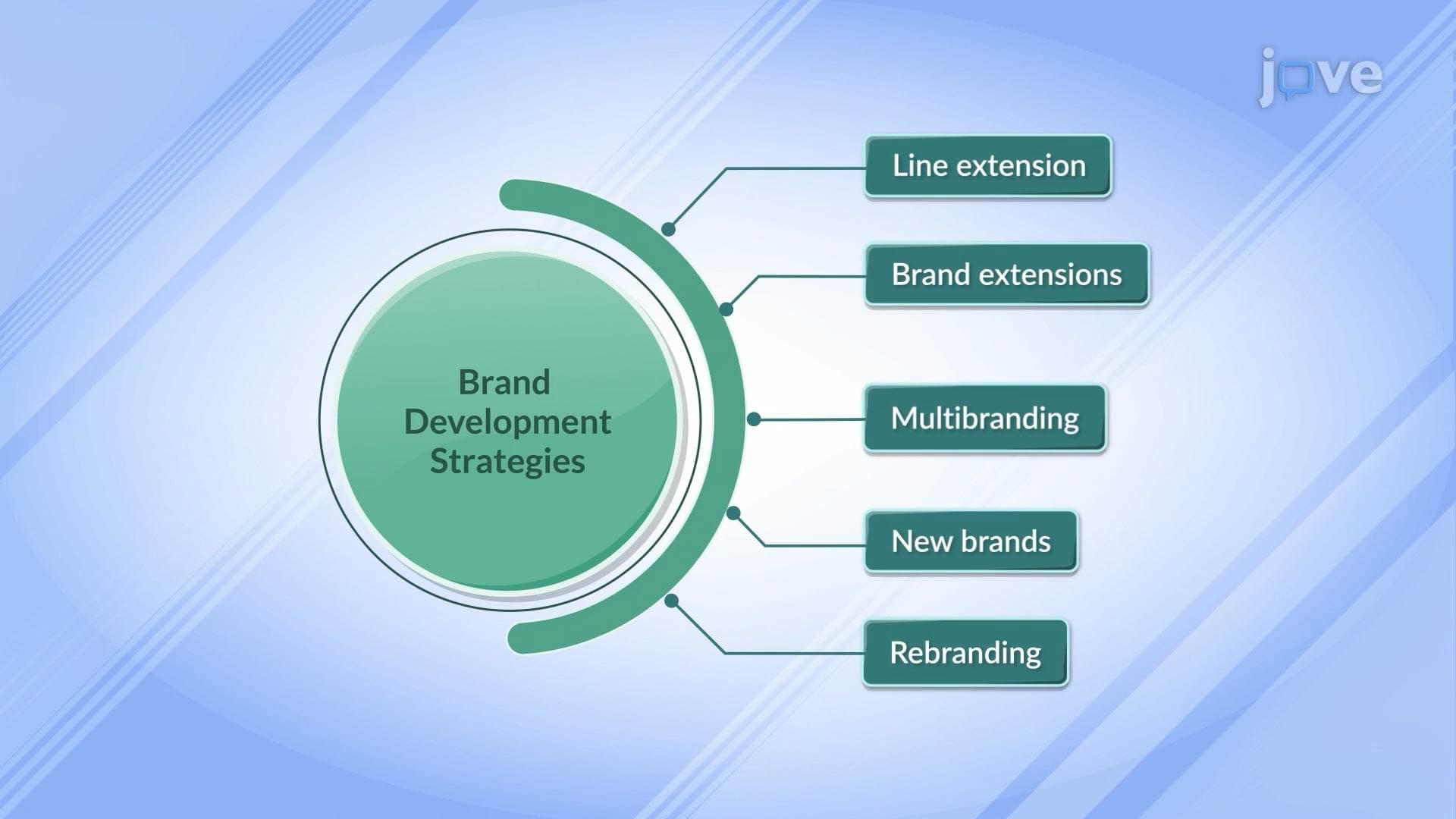
For business leaders, branding decisions involve significant resource allocation questions: How much should we invest in brand building versus performance marketing? Should we leverage master brand equity or develop distinct sub-brands? These choices directly impact customer lifetime value, pricing power, and expansion opportunities.
Packaging and labeling represent the intersection of marketing strategy and operational efficiency. Costco's bulk packaging strategy exemplifies how these decisions support broader business model choices-their packaging reinforces value perception while optimizing warehouse operations and inventory turns.
Modern packaging decisions must balance multiple stakeholder requirements: regulatory compliance, sustainability mandates, supply chain efficiency, and customer experience. Leaders who master this integration create significant competitive advantages through reduced costs and enhanced customer satisfaction.
Related Micro-courses