Loading subject page…

- Marketing
- Creating Customer Value: Product to Experience
- Marketing Considerations for Consumer Products
Micro-course: Creating Customer Value: Product to Experience
17,060 views
Learn key concepts and earn your certificate.








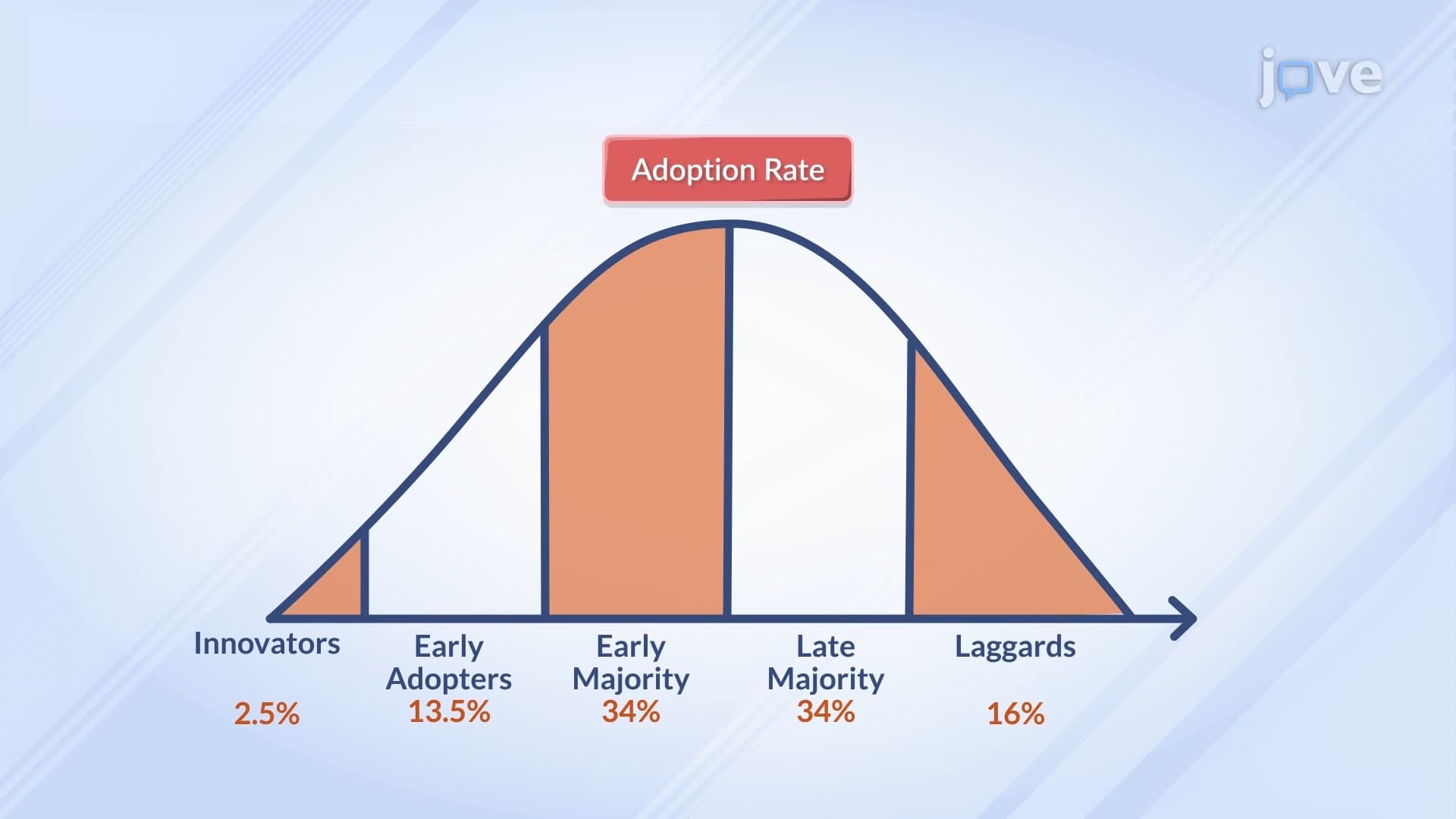
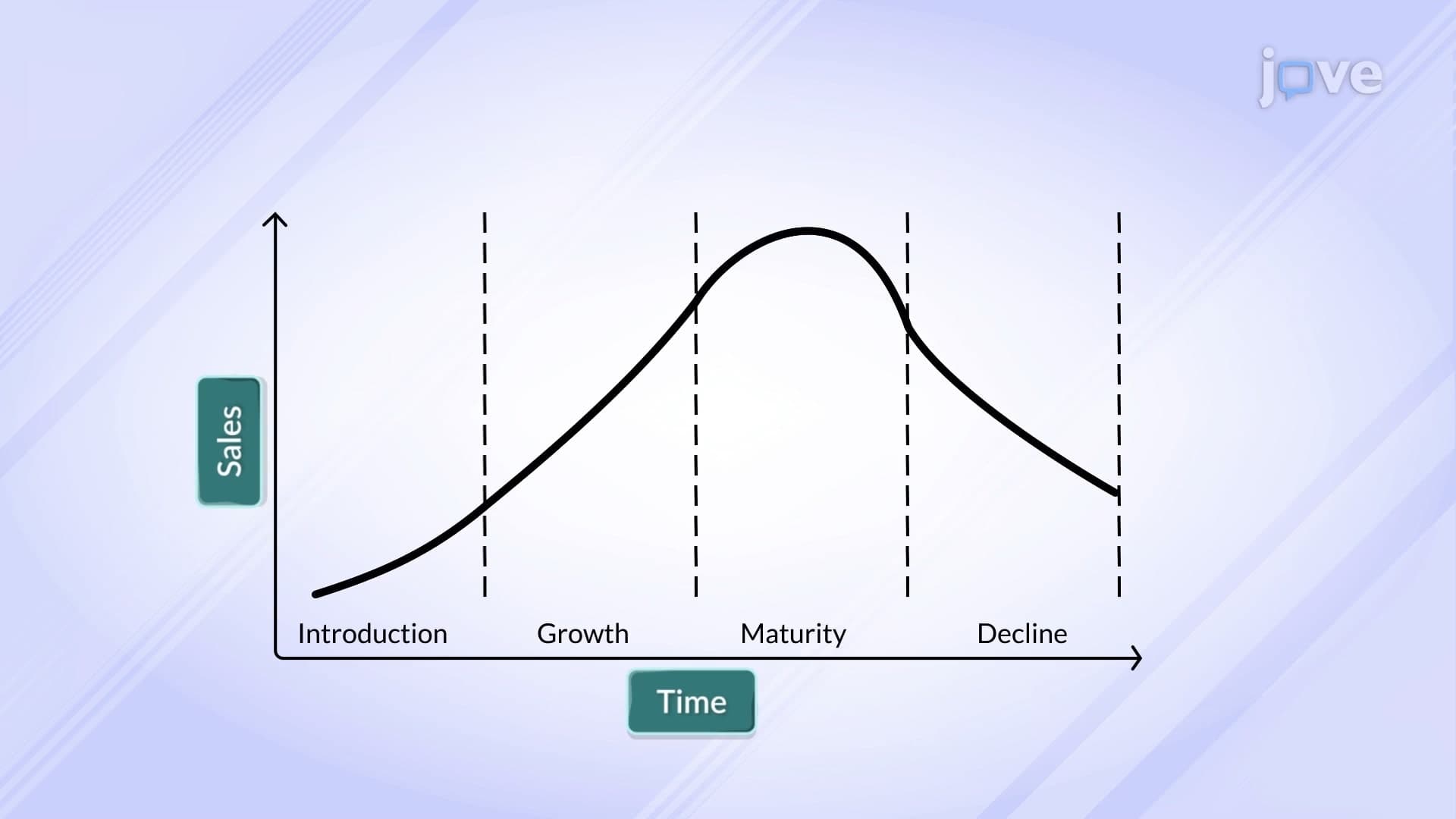
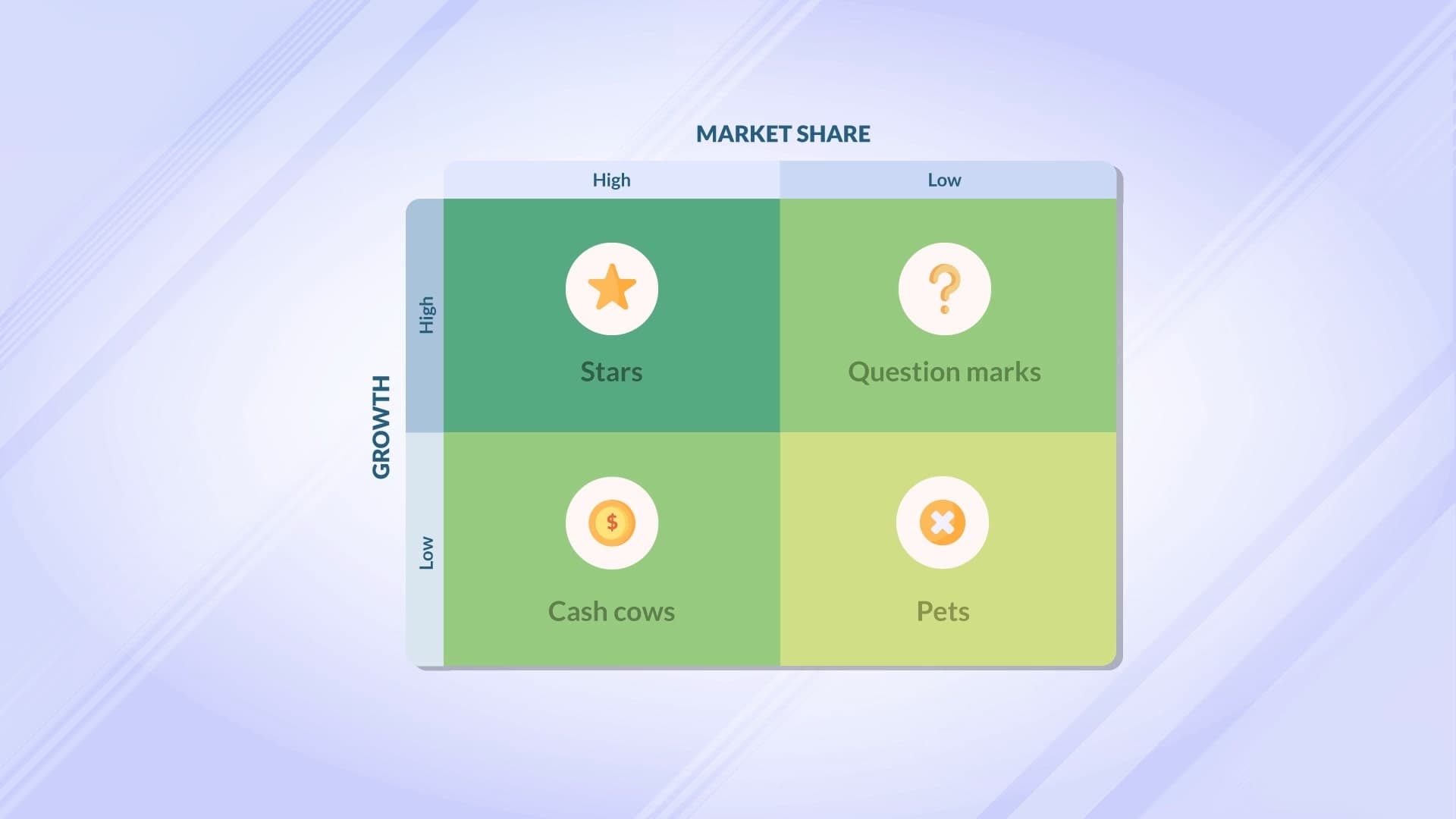
Marketing Considerations for Consumer Products


00:00
01:23
Video Summary: Marketing Considerations for Consumer Products Explained
Effective marketing considerations for consumer products directly impact revenue performance and competitive positioning across retail categories. Companies like Procter & Gamble demonstrate how strategic product classification drives distribution decisions, pricing strategies, and promotional investments that determine market share success. Understanding Marketing Considerations For Consumer Products Explained enables business leaders to optimize resource allocation across convenience, shopping, specialty, and unsought product categories while maximizing ROI on marketing spend. Watch the full video on JoVE Coach to master this concept with expert-led visuals and step-by-step explanations.
- Apply consumer product classification frameworks to optimize marketing budget allocation across convenience, shopping, specialty, and unsought categories
- Evaluate distribution channel strategies based on product type to maximize market penetration and profitability
- Analyze pricing positioning relative to consumer purchasing behaviors and competitive landscape dynamics
- Implement targeted promotional strategies that align with consumer decision-making processes for each product category
- Compare marketing mix effectiveness across different consumer product types to drive strategic resource allocation
- Leverage consumer behavior insights to develop differentiated go-to-market strategies for product portfolio expansion
- Identify optimal media channel selection based on product classification and target audience characteristics
- Assess competitive positioning opportunities within established consumer product categories to capture market share
Understanding Marketing Considerations For Consumer Products Framework
Modern consumer product marketing requires sophisticated strategic frameworks that align promotional investments with purchasing behaviors and competitive dynamics. Senior marketing executives at companies like Unilever and General Mills continuously evaluate how product classification impacts everything from supply chain decisions to digital advertising spend, recognizing that misaligned marketing strategies can erode profit margins by 15-20% annually.
Convenience Products: Mass Market Penetration Strategy
Convenience products represent the highest-volume, lowest-margin category requiring aggressive distribution and promotional strategies. Companies like Mars Wrigley successfully position M&Ms and Snickers through ubiquitous availability-from grocery chains like Kroger to vending machine networks across corporate America. The strategic imperative focuses on maximizing touchpoints while maintaining cost-effective supply chain operations. Marketing considerations emphasize broad-reach media buying, promotional pricing strategies, and impulse-purchase merchandising that drives incremental revenue growth.
Shopping Products: Selective Distribution Excellence
Shopping products demand sophisticated positioning strategies that balance accessibility with brand premium. Lindt's US operations exemplify effective shopping product marketing through selective retail partnerships with Target, Whole Foods, and specialty confectionery sections. These marketing considerations require detailed competitive analysis, strategic pricing relative to category benchmarks, and targeted digital campaigns that influence purchase decisions during active comparison shopping phases.
Specialty Products: Exclusivity and Premium Positioning
Specialty consumer products like Ghirardelli's premium gift collections require entirely different marketing considerations focused on exclusivity, brand storytelling, and targeted audience development. These high-margin categories justify sophisticated customer acquisition strategies, including direct-to-consumer e-commerce platforms, premium retail partnerships, and experiential marketing initiatives. Business leaders must carefully balance limited distribution with brand accessibility to maintain premium positioning while achieving growth targets.
Unsought Products: Awareness-Driven Marketing Investment
Unsought products present unique marketing challenges requiring substantial awareness-building investments before demand generation becomes viable. Companies must deploy aggressive educational marketing strategies, often leveraging healthcare professional endorsements, seasonal timing, and problem-solution messaging frameworks that create category need recognition among target consumers.
Frequently Asked Questions
Marketing considerations for consumer products encompass strategic decisions about positioning, distribution, pricing, and promotion based on how consumers research, evaluate, and purchase different product types. These considerations directly impact revenue performance, market share growth, and competitive positioning across retail categories. Business leaders use these frameworks to optimize marketing investments and resource allocation decisions.
Product classification fundamentally determines marketing budget distribution across channels, with convenience products requiring broad-reach mass media investments while specialty products justify targeted, high-value customer acquisition strategies. Companies typically allocate 60-80% of convenience product budgets to distribution and promotional support, compared to specialty products that invest heavily in brand storytelling and exclusive partnerships. This strategic alignment prevents budget waste and maximizes ROI across product portfolios.
Marketing leaders should evaluate product classification quarterly during strategic planning cycles, particularly when competitive dynamics shift, consumer behavior data indicates changing purchase patterns, or distribution channel performance metrics decline. Market disruption events, seasonal performance variations, and new competitive entrants often signal classification reassessment needs. Regular evaluation ensures marketing strategies remain aligned with actual consumer purchasing behaviors rather than outdated assumptions.
Amazon strategically categorizes products across its platform using sophisticated algorithms that mirror traditional consumer product classifications, with convenience items promoted through Prime delivery and impulse-purchase positioning, while specialty products receive enhanced product pages, customer reviews emphasis, and recommendation engine priority. Their marketplace strategy demonstrates how digital platforms can optimize marketing considerations through data-driven personalization and strategic product placement that drives conversion rates across different consumer product categories.
Business professionals from finance, operations, or general management backgrounds can effectively apply consumer product marketing frameworks through systematic analysis of customer data, competitive positioning, and distribution channel performance. The concepts build on fundamental business principles around customer segmentation, pricing strategy, and channel optimization. Most frameworks become intuitive once professionals understand the relationship between purchasing behavior and marketing strategy alignment.
Expertise in consumer product marketing considerations positions professionals for senior marketing roles, brand management positions, and strategic consulting opportunities across retail, consumer goods, and e-commerce industries. This knowledge directly applies to P&L management, strategic planning, and cross-functional leadership roles where marketing strategy impacts business performance. Companies consistently promote professionals who demonstrate strategic thinking about customer acquisition, market positioning, and revenue optimization.
Advanced professionals should explore omnichannel marketing integration, customer lifetime value optimization, and digital transformation strategies that enhance traditional consumer product frameworks. Brand portfolio management, international market expansion strategies, and performance marketing analytics represent natural progressions that build upon foundational consumer product marketing knowledge.
Related Micro-courses


