Loading video…


 19 Concepts
 17.1K views

Video Summary: What are Levels of a Product
When Amazon's marketplace teams evaluate new product listings, they don't just assess basic functionality-they analyze how core benefits, tangible features, and value-added services create competitive differentiation. Understanding the levels of a product framework enables marketing managers and product strategists to identify untapped value propositions and optimize customer acquisition costs across diverse market segments. This strategic lens transforms how professionals approach product positioning, pricing decisions, and competitive analysis in today's experience-driven economy. Watch the full video on JoVE Coach to master this concept with expert-led visuals and step-by-step explanations.
Product managers at companies like Microsoft don't simply launch software-they orchestrate comprehensive value ecosystems that span functional utility, brand differentiation, and service excellence. The levels of a product framework provides executives with a structured approach to maximize customer value and competitive advantage across three distinct but interconnected dimensions.
The core product represents the essential problem-solving benefit customers actually purchase. When Tesla's leadership team developed their vehicle strategy, they recognized that customers weren't buying cars-they were buying sustainable transportation, status, and technological innovation. This core benefit insight drove everything from charging infrastructure investments to autonomous driving development priorities.
For working professionals, identifying your product's core benefit requires stepping beyond internal feature discussions to understand the underlying customer job-to-be-done. Management consultants at firms like McKinsey regularly apply this lens when advising clients on market entry strategies, recognizing that successful products solve meaningful customer problems better than existing alternatives.
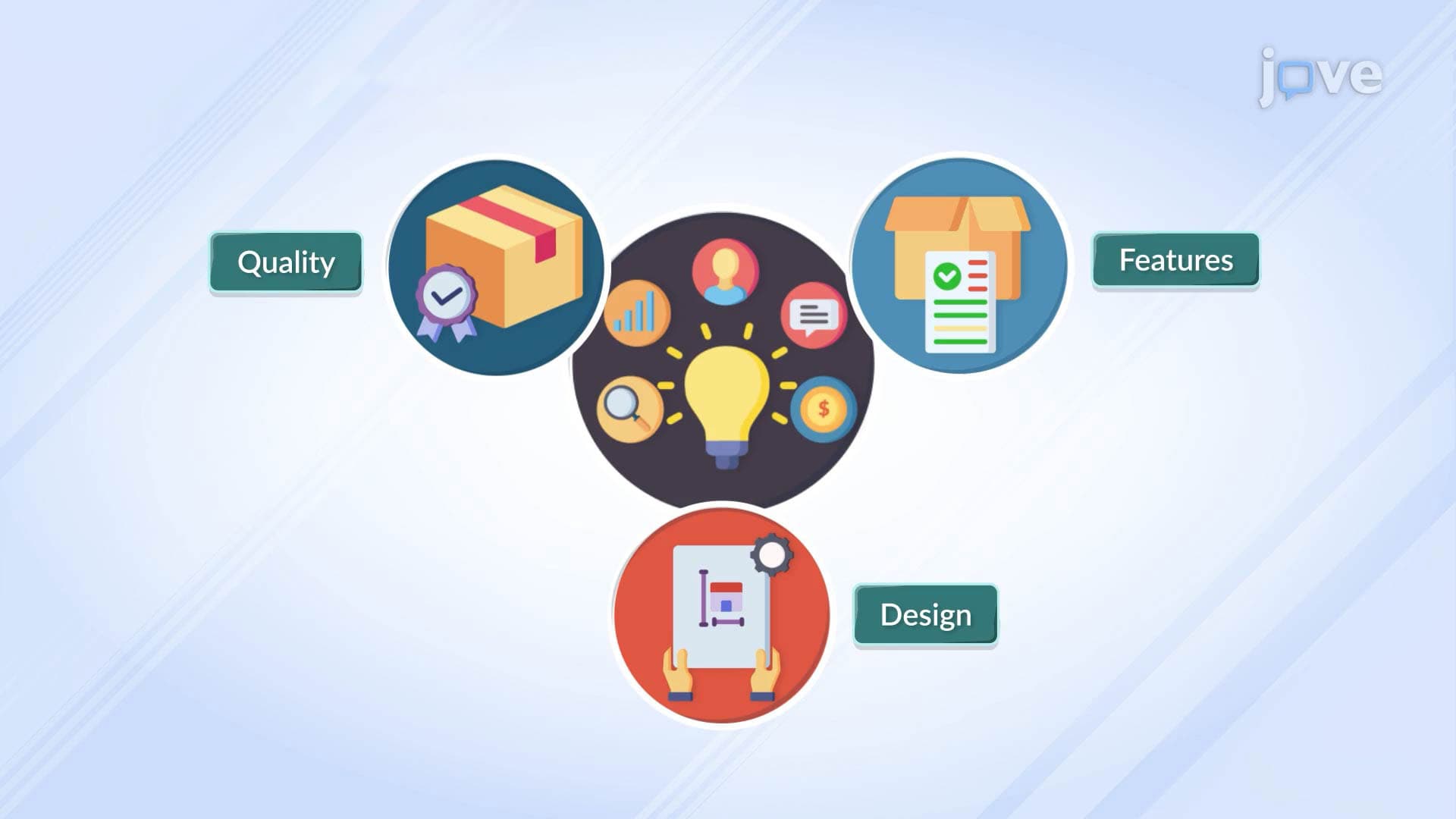
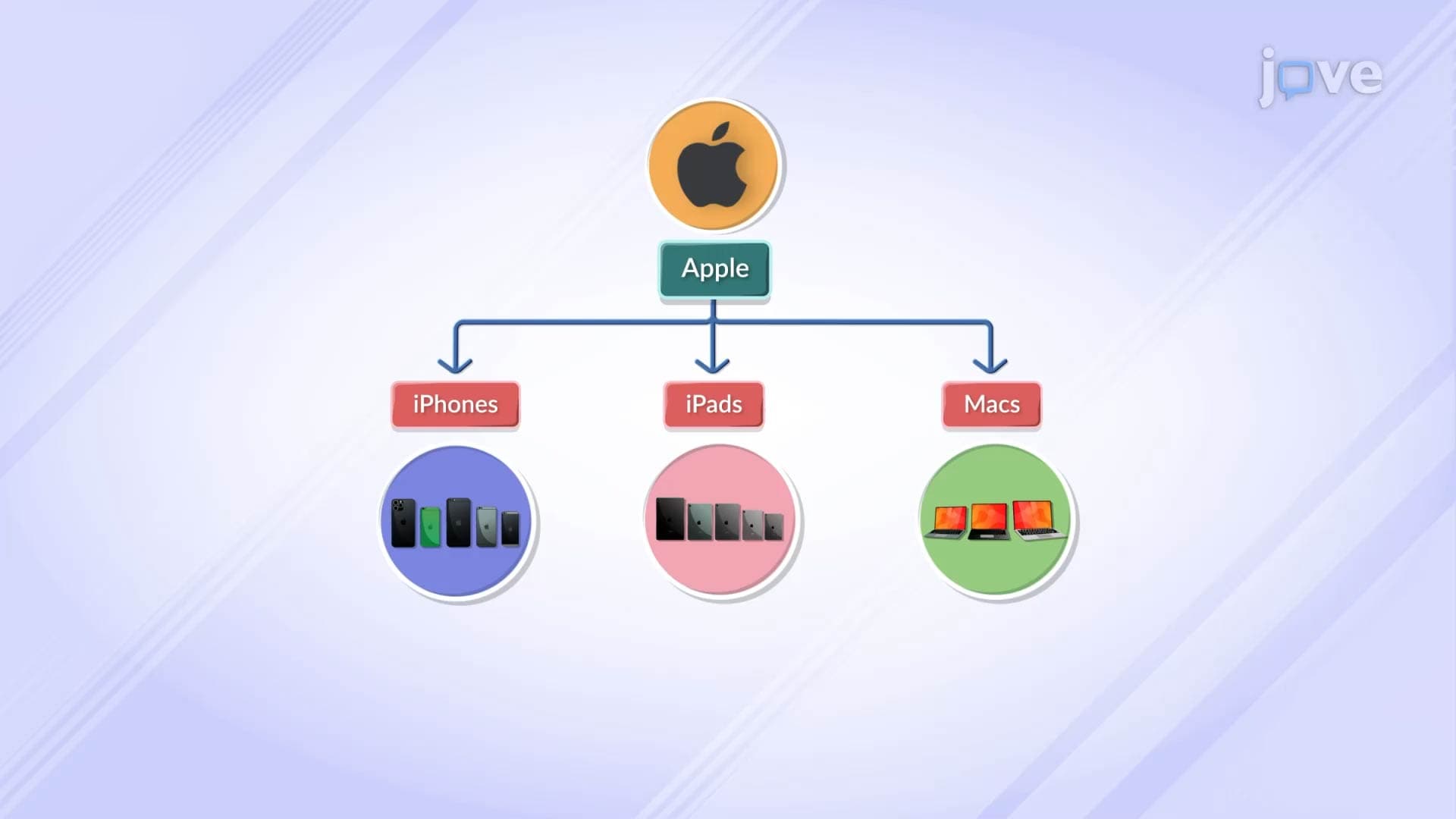
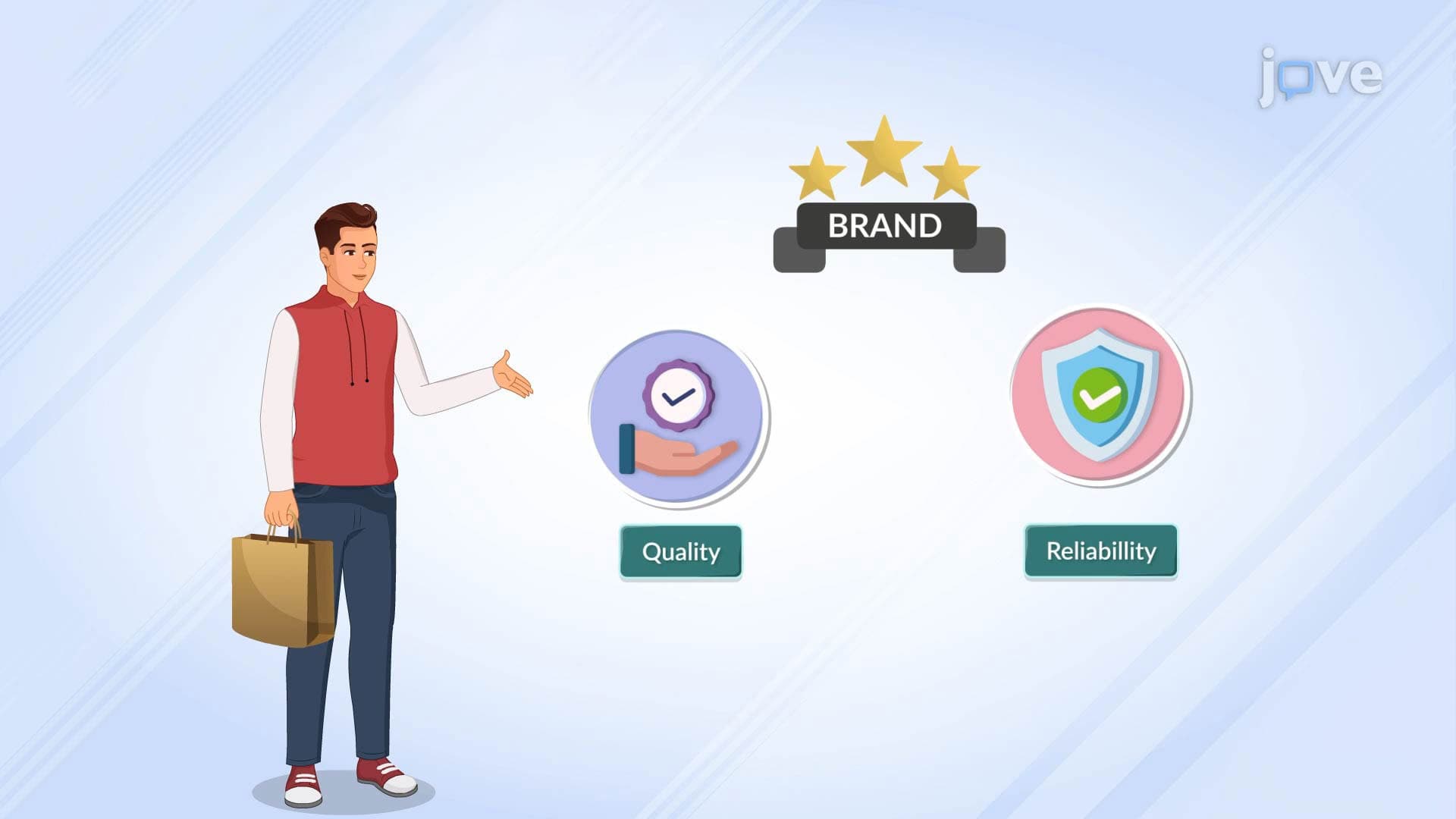
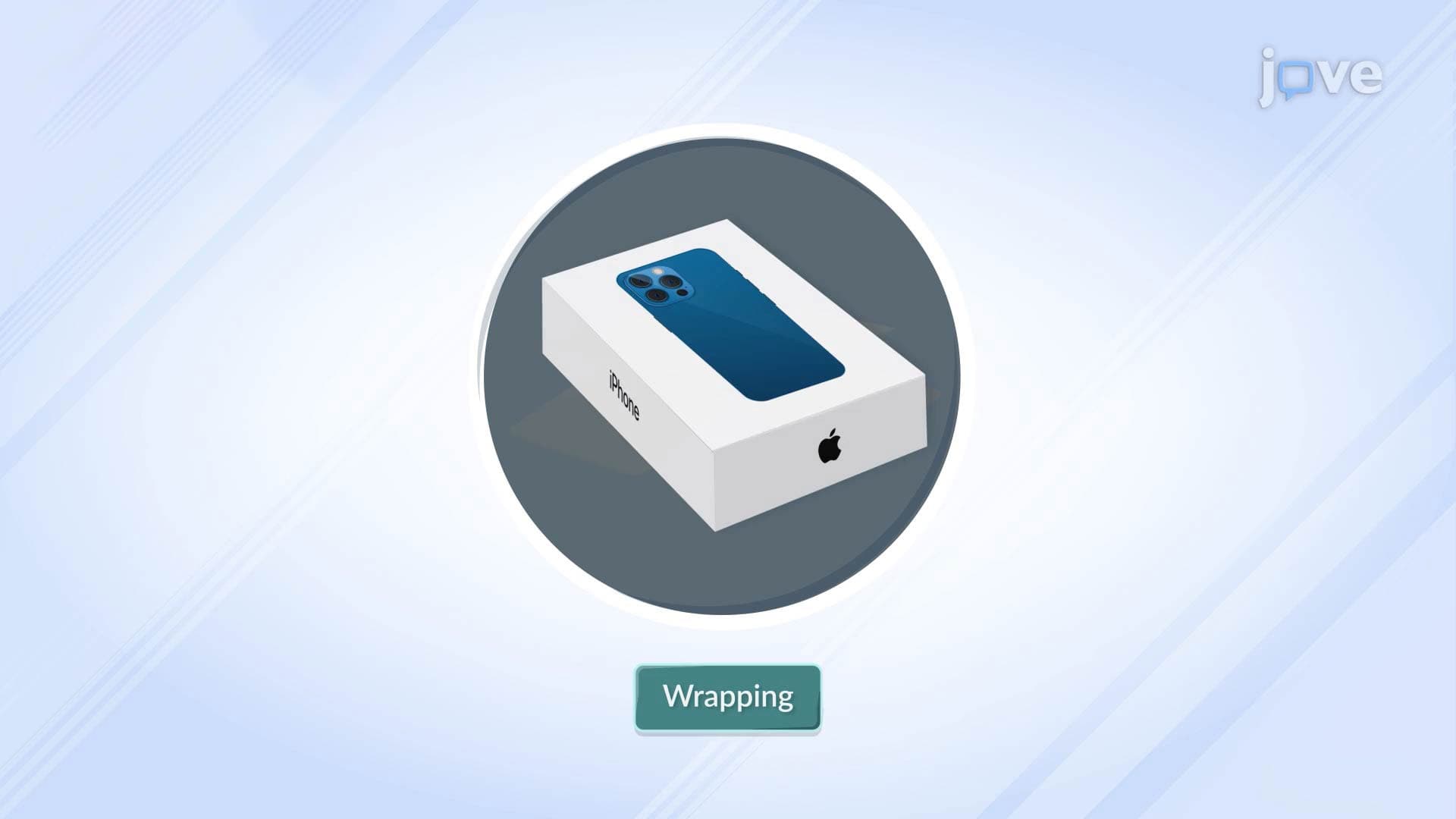
The actual product encompasses the specific features, design elements, quality standards, and brand attributes that customers can directly evaluate. Apple's iPhone strategy exemplifies masterful actual product execution-from materials selection and user interface design to ecosystem integration capabilities that create switching costs.
Strategic implications extend far beyond product development. Pricing teams use actual product analysis to justify premium positioning, while sales organizations leverage these tangible differentiators during competitive displacement campaigns. The actual product level often determines win rates in enterprise sales cycles and influences customer acquisition cost efficiency.
Augmented product elements create sustainable competitive moats through service excellence, support systems, warranties, and complementary offerings. Amazon Web Services transformed cloud computing not just through core infrastructure capabilities, but via comprehensive documentation, training programs, partner ecosystems, and 24/7 technical support that reduced customer implementation risk.
Forward-thinking organizations recognize augmented products as profit centers, not cost centers. Extended warranties generate high-margin revenue streams, while customer success programs reduce churn and drive expansion revenue. These elements often determine customer satisfaction scores and Net Promoter Scores that correlate directly with long-term business performance.
Related Micro-courses