Loading subject page…

- Marketing
- Creating Customer Value: Product to Experience
- Product Line Decisions
Micro-course: Creating Customer Value: Product to Experience
17,060 views
Learn key concepts and earn your certificate.










Product Line Decisions

00:00
01:18
Video Summary: What are Product Line Decisions
Strategic product line decisions can make or break a company's market position and profitability. Product line decisions involve the critical choices businesses make about expanding, contracting, or repositioning their portfolio of related products to maximize competitive advantage and revenue growth. Microsoft exemplifies masterful product line management through its Office suite, Xbox gaming division, and Azure cloud services-each targeting distinct market segments while leveraging core competencies. These decisions require careful analysis of market gaps, consumer demand, and resource allocation to ensure optimal portfolio performance. Watch the full video on JoVE Coach to master this concept with expert-led visuals and step-by-step explanations.
- Apply line filling strategies to identify profitable opportunities within existing product categories and optimize revenue per customer segment
- Evaluate upward and downward line stretching opportunities to capture untapped market segments and defend against competitive threats
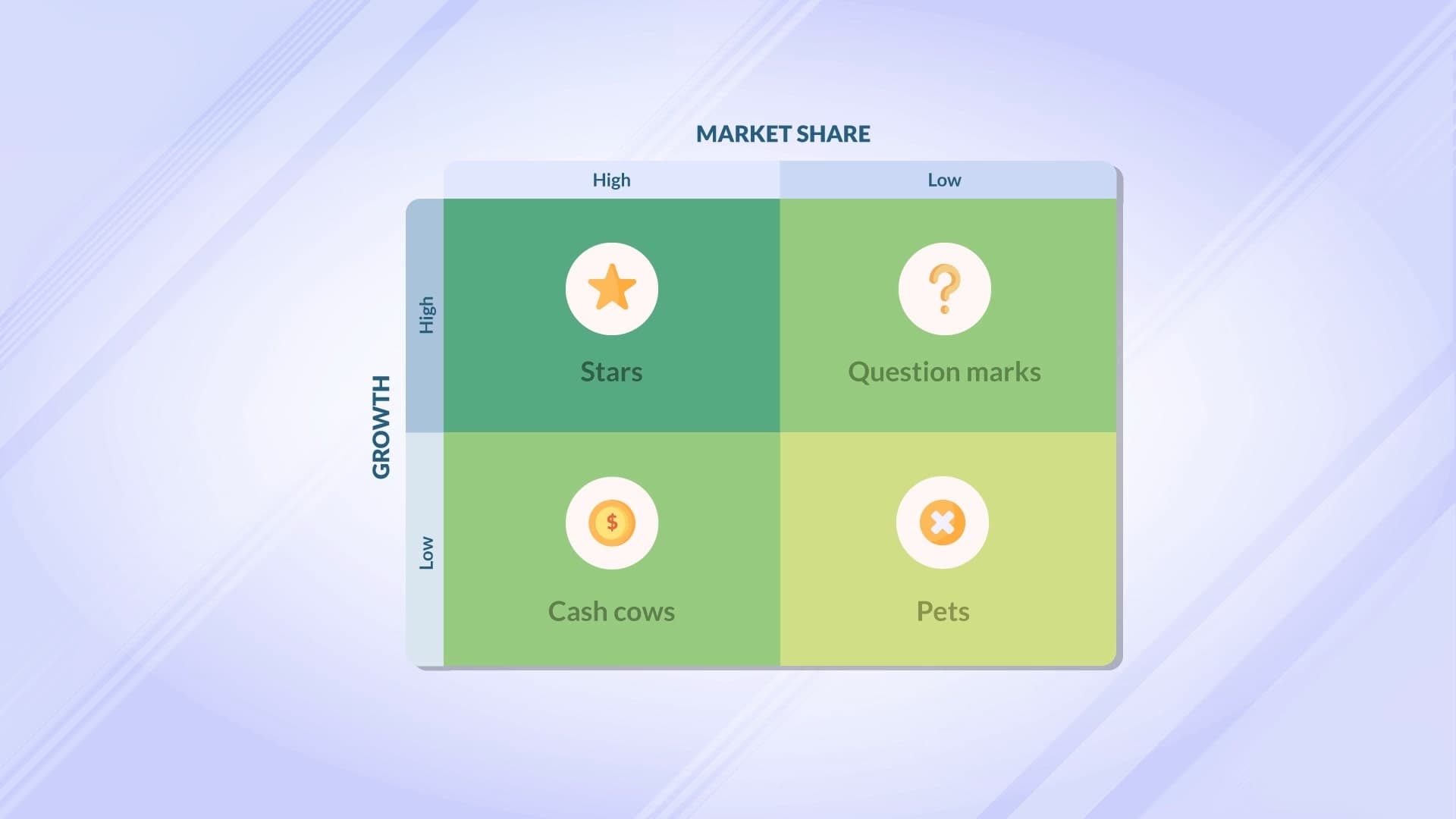
- Analyze portfolio performance metrics to determine which products enhance profitability and which drain resources from core business objectives
- Implement strategic product line decisions that align with corporate growth objectives and market positioning goals
- Compare line extension strategies across industry leaders to benchmark competitive positioning and identify market white spaces
- Leverage product line diversification to mitigate business risks and create multiple revenue streams for sustainable growth
- Identify market gaps where new product lines can establish competitive moats and premium pricing opportunities
- Assess the financial and operational implications of product line decisions on overall business performance and resource allocation
Understanding Product Line Decisions in Strategic Context
When Procter & Gamble's board evaluates whether to launch a new Tide variant or discontinue an underperforming brand, they're making product line decisions that directly impact market share and profit margins. These strategic choices determine how companies organize, expand, and optimize their portfolio of related products to maximize competitive advantage and financial performance.
The Strategic Framework: Line Filling vs. Line Stretching
Product line decisions fall into two primary categories that serve distinct strategic purposes. Line filling involves adding products within existing categories to capture more market share and meet diverse customer needs. When Coca-Cola introduces Diet Coke Cherry or Coke Zero Sugar, they're executing line filling to prevent competitors from capturing incremental demand within the cola category.
Line stretching represents a more aggressive growth strategy, involving expansion into new market segments through upward or downward positioning. General Motors demonstrates both approaches effectively-their Cadillac division targets luxury consumers (upward stretch), while Chevrolet serves mainstream markets (downward stretch). This multi-tiered approach allows GM to compete across price points while maintaining brand differentiation.
Financial and Competitive Implications
Smart product line decisions require rigorous analysis of cannibalization risks, resource allocation, and competitive response. When Amazon expanded from books to electronics, then to cloud services with AWS, each decision involved careful evaluation of market opportunity versus operational complexity. Companies must balance portfolio breadth with operational efficiency-spreading resources too thin can dilute brand equity and operational excellence.
Implementation Considerations for Business Leaders
Successful product line management requires cross-functional coordination between marketing, operations, and finance teams. Leaders must establish clear criteria for product line additions and deletions, including minimum profitability thresholds, market size requirements, and strategic fit assessments. Regular portfolio reviews ensure resources flow to the highest-performing segments while underperforming lines receive remediation or elimination.
Frequently Asked Questions
Product line decisions are strategic choices about expanding, modifying, or eliminating groups of related products within a company's portfolio. These decisions directly impact market positioning, resource allocation, and profitability by determining which products to develop, maintain, or discontinue based on market demand and competitive dynamics.
Product line decisions directly impact revenue growth and margin expansion by optimizing the product mix for profitability. Strategic line extensions can increase market share and pricing power, while eliminating underperforming products reduces operational costs and improves overall portfolio ROI, creating immediate and long-term financial benefits.
Line filling works best when market research shows unmet demand within existing categories and when competitors are gaining share in similar segments. Line stretching becomes necessary when current markets show saturation or when significant opportunities exist in adjacent price points or customer segments that align with company capabilities and brand positioning.
Netflix exemplifies masterful product line evolution-transitioning from DVD-by-mail to streaming, then adding original content production. Each decision represented strategic line stretching that captured new market opportunities while maintaining core entertainment value propositions, ultimately transforming Netflix from a logistics company into a global media powerhouse.
No advanced degree is required, though basic business acumen helps. Product line decisions rely more on market intuition, customer understanding, and financial analysis skills that working professionals develop through experience. The key is learning to evaluate opportunities systematically and understanding how product decisions connect to broader business strategy.
Product line decision skills demonstrate strategic thinking and P&L ownership-qualities highly valued for management roles. Professionals who can identify profitable growth opportunities and optimize product portfolios become candidates for brand management, strategic planning, and general management positions across industries.
Brand portfolio management and market segmentation strategies are natural next steps. Understanding how companies like Unilever manage dozens of brands across categories, or how Tesla segments its vehicle lineup for different customer profiles, builds on product line decision fundamentals.
Related Micro-courses


