Loading subject page…


17,060 views

Video Summary: What Is Brand and Product Portfolio
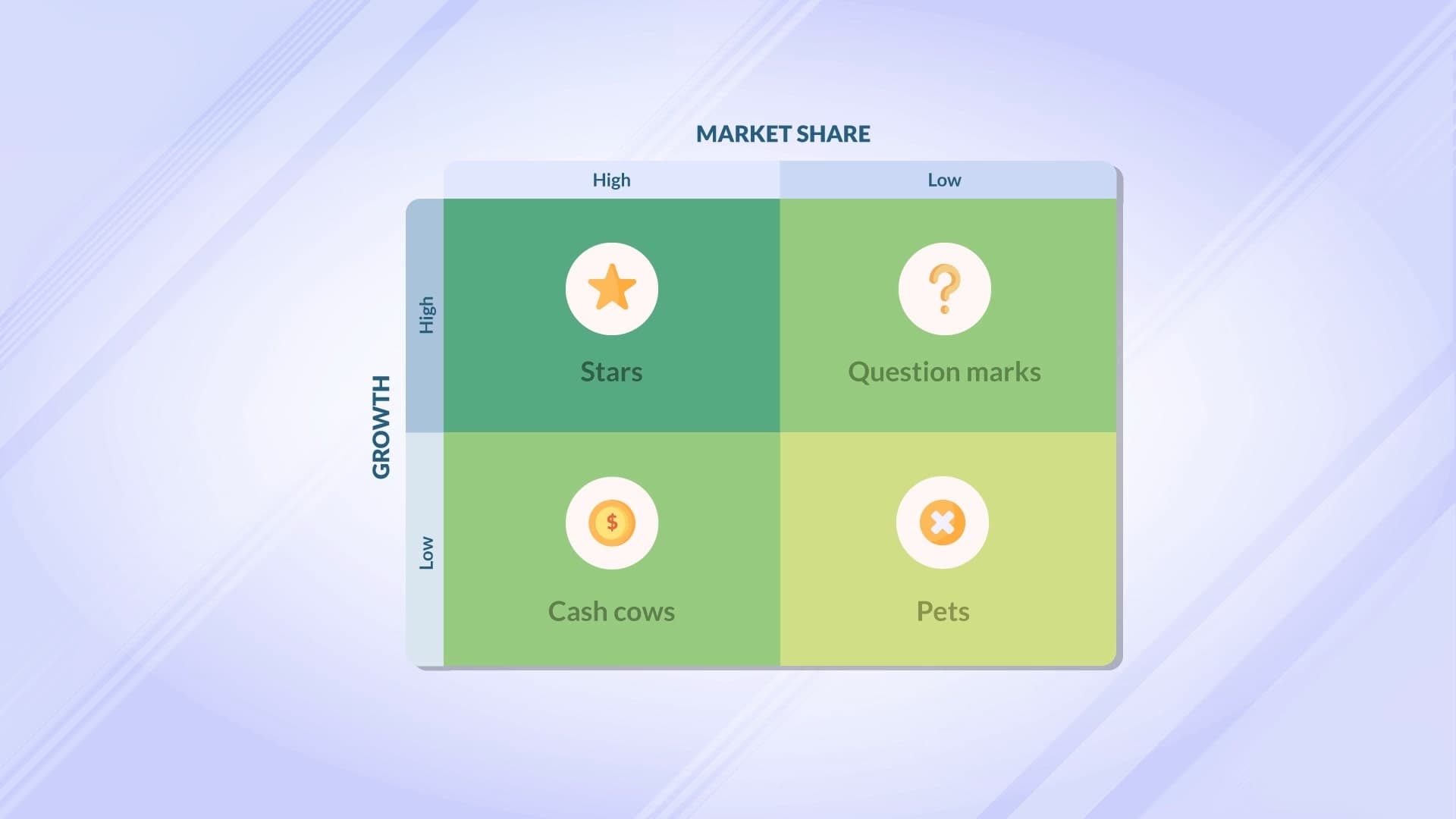
Strategic resource allocation across multiple brands determines competitive advantage in today's saturated markets. Brand product portfolio management enables executives to optimize investments using frameworks like the Growth Share Matrix, which categorizes assets into Cash Cows, Question Marks, Stars, and Dogs based on market performance metrics. Toyota exemplifies this approach, treating established models like Corolla as Cash Cows while investing in hydrogen technology as potential Stars. Watch the full video on JoVE Coach to master this concept with expert-led visuals and step-by-step explanations.
When General Electric divested from multiple business units in recent years, it demonstrated the critical importance of strategic portfolio management. A brand product portfolio represents the comprehensive collection of all brands and their associated products under corporate ownership, requiring systematic evaluation and strategic alignment with business objectives.
The Boston Consulting Group's Growth Share Matrix provides executives with a proven methodology for portfolio optimization. This framework categorizes portfolio elements into four distinct quadrants based on relative market share and market growth rates. Cash Cows generate substantial revenue with minimal investment requirements, typically representing mature brands in stable markets. Stars combine high market share with rapid growth, demanding continued investment to maintain competitive position. Question Marks show high growth potential but lack market dominance, requiring significant capital to capture share. Dogs exhibit both low growth and limited market presence, often candidates for divestiture.
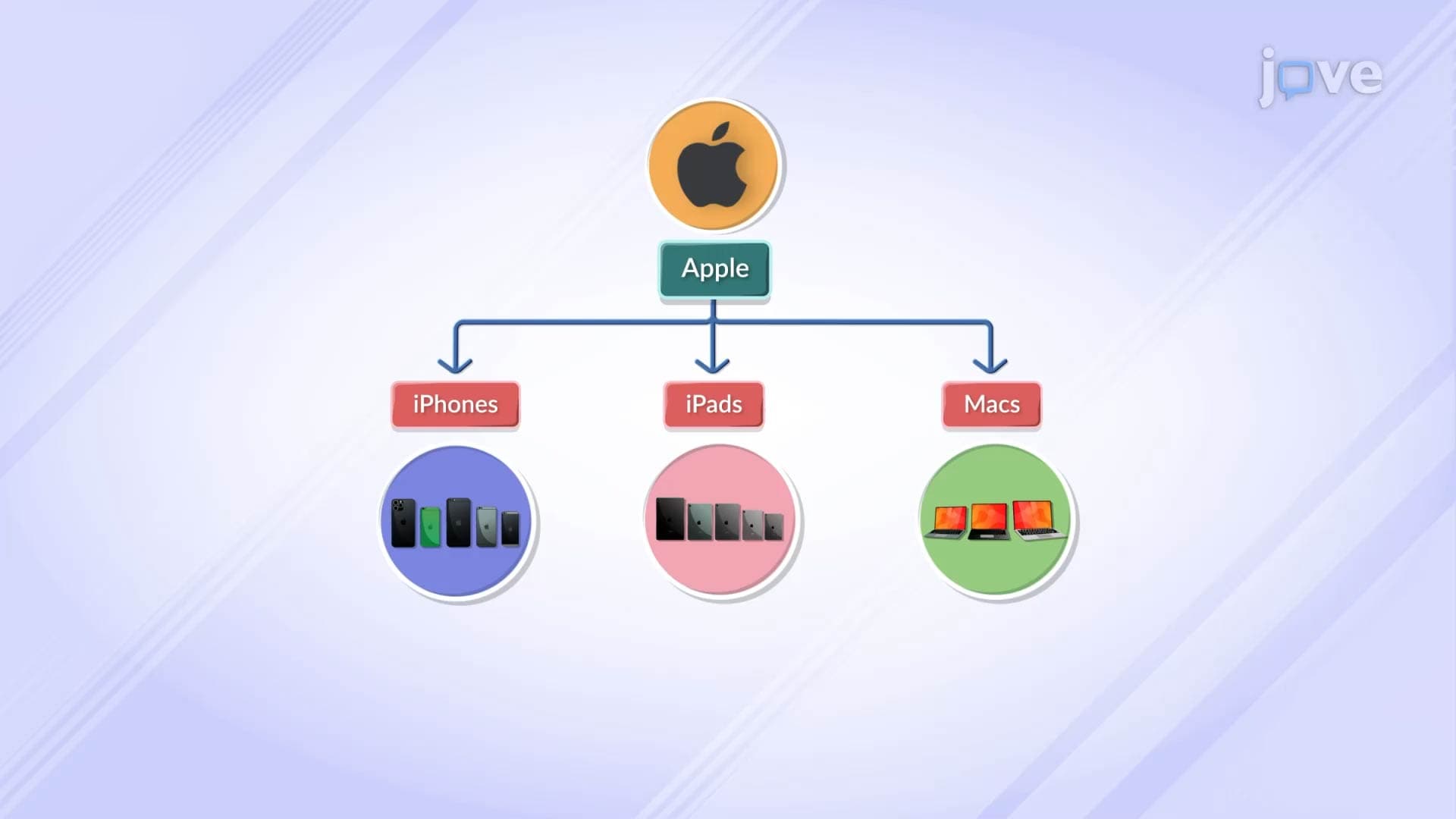
Apple exemplifies masterful portfolio management through strategic brand architecture. The company maintains Cash Cows like the iPhone while investing heavily in Services as a growing Star. Apple Watch began as a Question Mark before transitioning to Star status through sustained marketing investment. Meanwhile, products like iPod evolved from Stars to Cash Cows before eventual phase-out as market dynamics shifted.
Effective portfolio management requires disciplined capital allocation based on quantitative performance metrics. Cash Cows should generate surplus cash flow to fund Question Mark development and maintain Star positions. Companies must resist the temptation to over-invest in Dogs, instead focusing resources on assets with sustainable competitive advantages. Portfolio reviews should occur quarterly, incorporating market intelligence, competitive analysis, and financial performance data to inform strategic decisions about brand investment, repositioning, or divestiture.
Related Micro-courses