Loading subject page…

Micro-course: Creating Customer Value: Product to Experience
17,060 views
Learn key concepts and earn your certificate.






Branding II


00:00
01:24
Video Summary: What Is Branding Ii
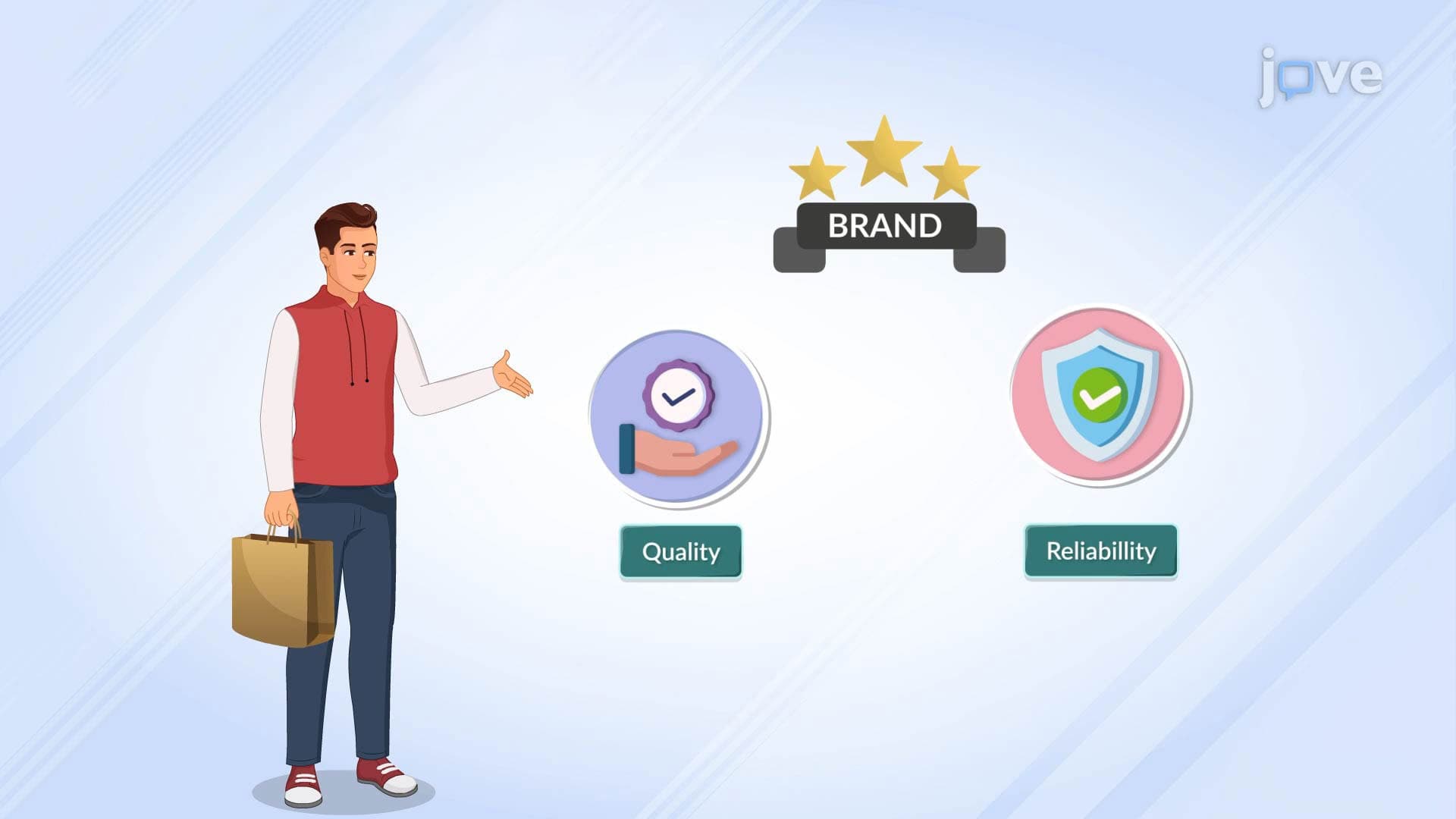
Modern branding drives $2.3 trillion in annual consumer spending, yet many professionals struggle to differentiate their companies in saturated markets. Branding encompasses far more than logos-it's the strategic foundation for customer connection, loyalty, and competitive advantage. Companies like Airbnb transformed entire industries by mastering what is branding II principles, creating emotional bonds that command premium pricing. This comprehensive branding definition explained covers positioning strategies, naming decisions, and portfolio management approaches that separate market leaders from followers. Watch the full video on JoVE Coach to master this concept with expert-led visuals and step-by-step explanations.
- Apply attribute-based, benefit-focused, and value-oriented positioning strategies to differentiate your company's market presence and justify premium pricing
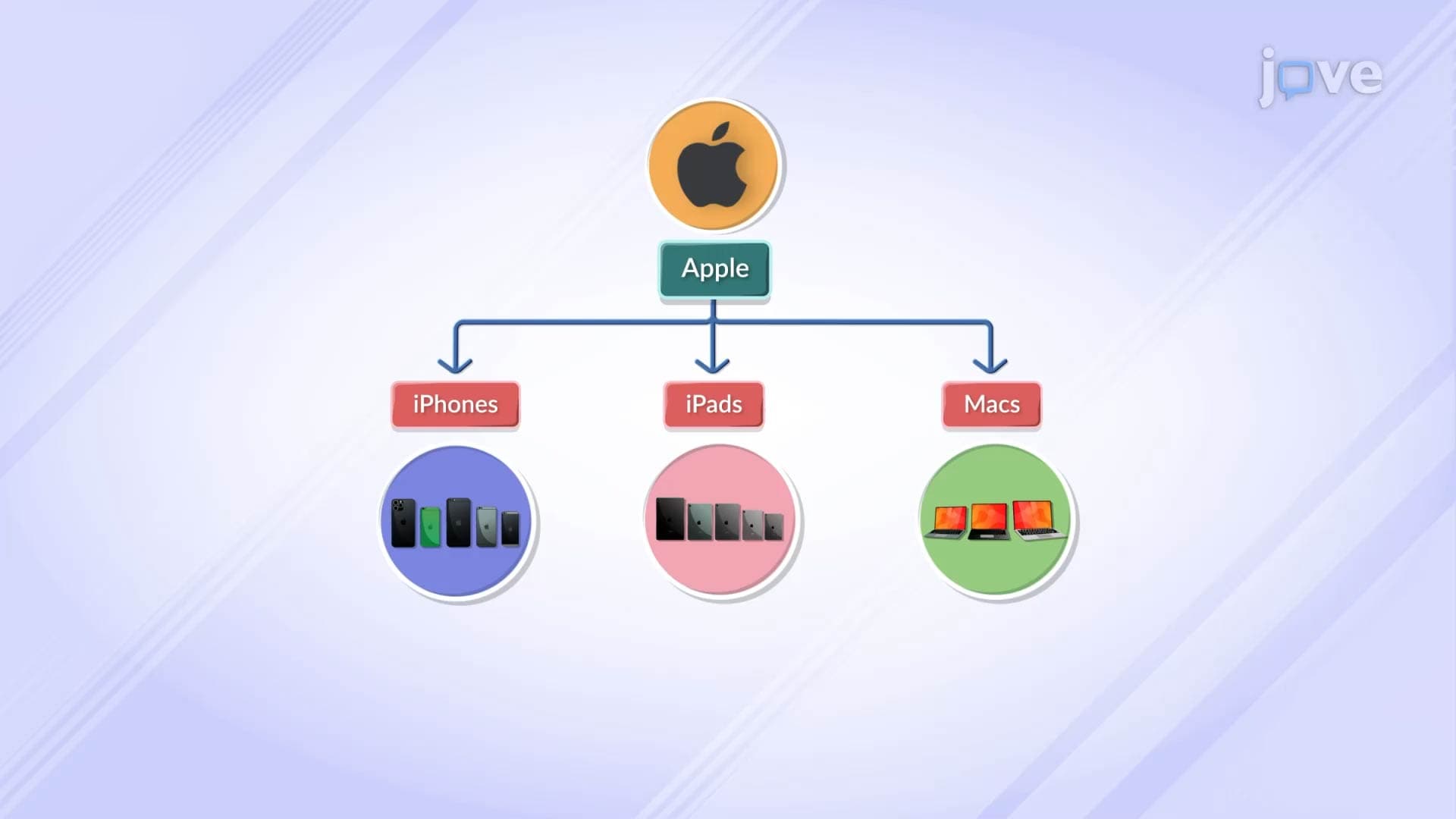
- Evaluate individual versus family branding architectures to optimize portfolio synergies and resource allocation across product lines
- Analyze consumer perception gaps between brand identity and market reality to inform strategic repositioning initiatives
- Implement brand name selection criteria that enhance recognition, recall, and market extensibility for new product launches
- Compare competitive positioning strategies to identify white space opportunities and defensive market positions
- Leverage emotional branding elements to build customer loyalty and reduce price sensitivity in commodity markets
- Identify brand equity measurement metrics that correlate with revenue growth and shareholder value creation
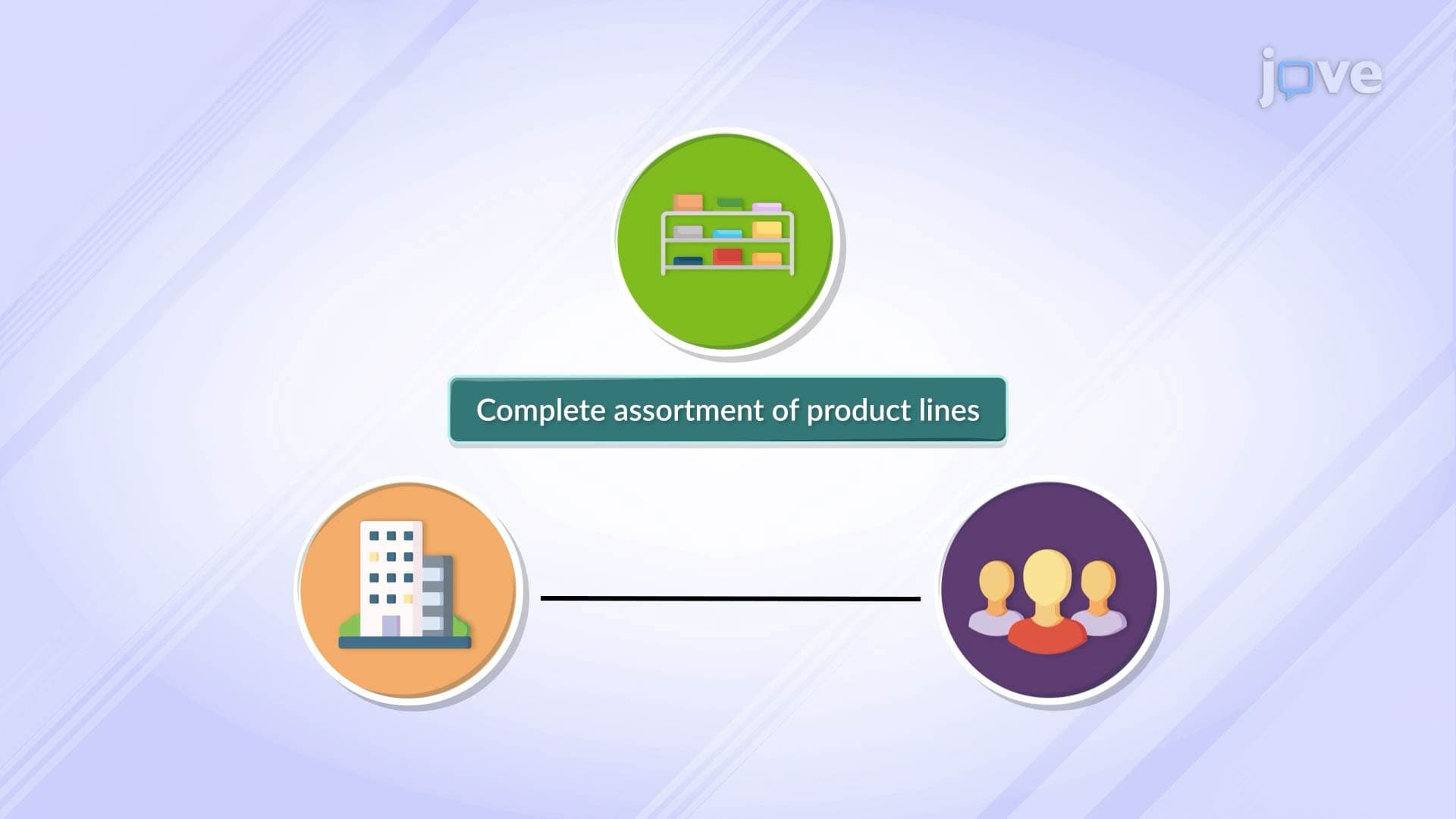
- Assess brand portfolio coherence to maximize cross-selling opportunities and operational efficiencies
Understanding What is Branding II in Strategic Context
In today's hyper-competitive marketplace, executives face a critical challenge: how do you build sustainable competitive advantage when products become commoditized overnight? The answer lies in mastering advanced branding principles that transform functional offerings into emotional experiences. While basic branding covers logos and messaging, branding II focuses on strategic positioning, portfolio architecture, and customer psychology-the elements that drive long-term market dominance.
Strategic Brand Positioning: Beyond Product Features
Successful brand positioning requires choosing one of three strategic approaches, each with distinct P&L implications. Attribute-based positioning focuses on functional superiority-Taco Bell's late-night availability created a $13 billion revenue stream by owning a specific usage occasion. Benefit-focused positioning emphasizes customer outcomes-Southwest Airlines built a $24 billion market cap by consistently delivering on low-cost reliability. Value-oriented positioning transcends functionality entirely-Apple commands 50% profit margins by making customers feel innovative and exclusive.
The positioning choice fundamentally impacts resource allocation, competitive vulnerability, and growth trajectories. Attribute-based brands face constant feature wars, benefit-focused brands compete on operational excellence, while value-oriented brands invest heavily in customer experience and emotional connection.
Brand Architecture: Individual vs. Family Brand Strategies
Portfolio management decisions determine how companies leverage brand equity across product lines. Individual branding allows targeted positioning for diverse markets-Procter & Gamble's strategy enables Tide to dominate premium detergents while Gain captures value-conscious consumers, preventing brand dilution and maximizing shelf space.
Family branding leverages established equity for faster market entry and reduced marketing costs-Kraft's unified approach across cheese, condiments, and packaged goods generates over $26 billion annually through consumer trust transfer and operational synergies.
Brand Name Selection and Market Extensibility
Strategic naming decisions impact decades of growth potential. Effective brand names must reflect core benefits while allowing category expansion-Amazon evolved from books to everything, while BlackBerry's device-specific name hindered smartphone evolution. Professional naming frameworks evaluate phonetic memorability, legal protectability, international scalability, and digital domain availability.
Frequently Asked Questions
Branding is the strategic process of creating a distinctive company identity that influences customer behavior and drives premium pricing. It encompasses positioning, naming, visual identity, and customer experience elements that differentiate your offering from competitors. Effective branding transforms commodities into preferred choices, enabling sustained profitability and market leadership.
Evaluate your competitive landscape, customer research, and operational capabilities to choose between attribute-based, benefit-focused, or value-oriented positioning. Attribute positioning works when you have sustainable functional advantages, benefit positioning succeeds with superior delivery capabilities, and value positioning requires significant customer experience investment. Consider long-term defensibility and profit margin implications.
Choose individual branding when targeting distinct customer segments or price points that could create brand confusion-like luxury versus value markets. Family branding works best when products share similar quality levels, target audiences, and brand values. Consider marketing budget efficiency, cross-selling opportunities, and risk of negative spillover effects between products.
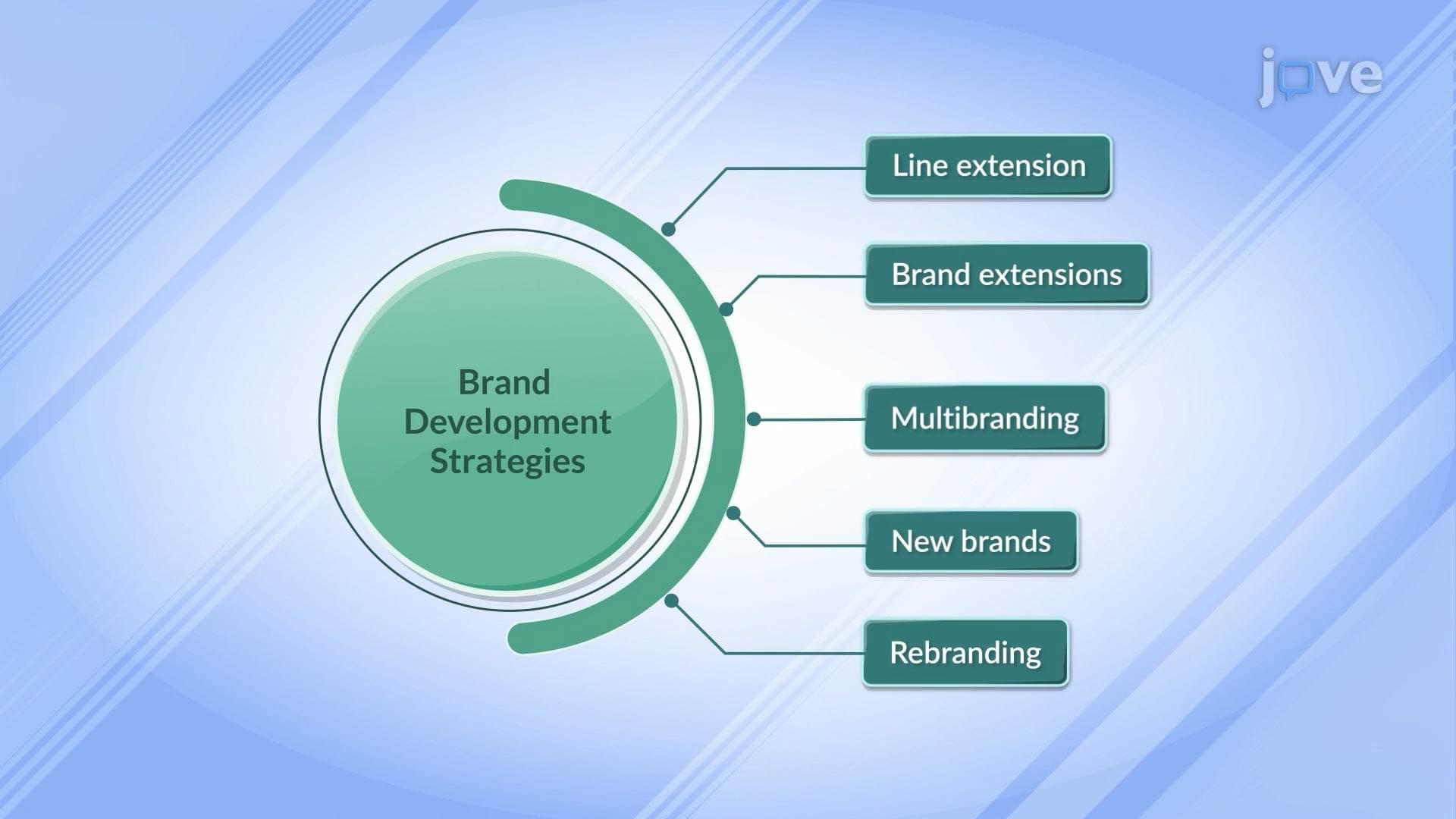
Rebranding carries significant risks and costs, so first verify positioning problems through customer research and competitive analysis. Minor positioning adjustments often solve perception issues without full rebranding. Complete rebrands make sense when entering new markets, recovering from reputation damage, or when current positioning limits growth opportunities.
Southwest built its entire business model around delivering low-cost, reliable air travel, consistently reinforcing this positioning through operational decisions, pricing strategies, and customer communications. Their benefit promise of affordable flying enabled market expansion and customer loyalty, proving that consistent benefit delivery can create sustainable competitive advantage even in commodity industries.
Strong branding skills are learnable through practical application and business experience. While marketing knowledge helps, successful branding requires understanding customer psychology, competitive dynamics, and business strategy-skills developed through cross-functional experience. Focus on customer research, competitive analysis, and measuring brand performance against business outcomes.
Branding expertise positions you for senior marketing, general management, and consulting roles across industries. Companies increasingly seek leaders who understand customer psychology, competitive positioning, and brand-building strategies. These skills become essential for P&L responsibility, business development, and strategic planning roles at director and VP levels.
Study customer segmentation strategies, competitive positioning frameworks, and brand equity measurement methodologies. Understanding pricing psychology, customer experience design, and digital marketing analytics will enhance your ability to execute comprehensive branding strategies that drive measurable business results and sustainable competitive advantage.
Related Micro-courses


