Loading subject page…


17,060 views

Video Summary: What Is Services Marketing Ii
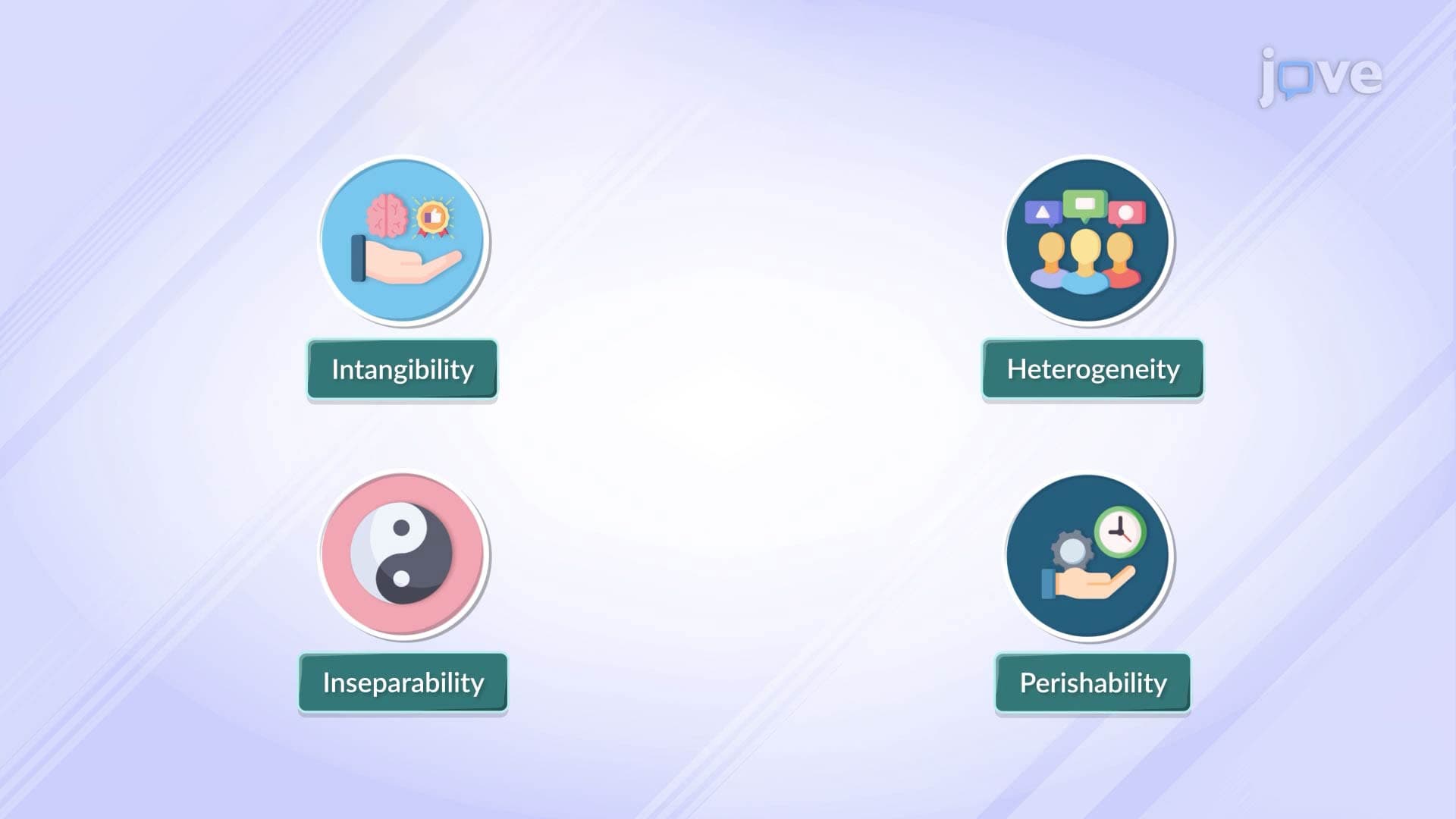
In today's $1.6 trillion US services economy, services marketing strategies directly impact competitive positioning and revenue growth. Unlike product marketing, services present unique challenges-from Amazon Web Services' reliability demonstrations to Marriott's physical evidence investments. What is Services Marketing II explores how intangibility, variability, inseparability, and perishability fundamentally reshape marketing approaches across healthcare, hospitality, and technology sectors. Watch the full video on JoVE Coach to master this concept with expert-led visuals and step-by-step explanations.
When Satya Nadella transformed Microsoft's strategy toward cloud services, the company faced a fundamental marketing challenge: how do you sell something customers can't touch, test, or return to a shelf? This scenario illustrates why services marketing requires distinctly different approaches from traditional product marketing, affecting everything from pricing models to customer acquisition costs.
Intangibility Management Through Physical Evidence Services lack physical form, creating customer uncertainty that directly impacts purchase decisions and price sensitivity. Leading organizations invest heavily in tangible cues to demonstrate value. JPMorgan Chase spends billions on branch design, digital interfaces, and security certifications to signal financial stability and expertise. Similarly, McKinsey & Company leverages branded methodologies, case studies, and thought leadership to make their consulting expertise tangible to C-suite buyers.
Variability Control: Standardization vs. Customization Decisions Service inconsistency threatens brand equity and customer lifetime value. McDonald's revolutionized fast-food through rigorous standardization protocols, ensuring identical experiences across 40,000+ locations. Conversely, Mayo Clinic built competitive advantage through customized patient care protocols, where standardized processes enable personalized treatment delivery. The strategic choice between these approaches fundamentally shapes operational costs, scalability potential, and premium pricing capabilities.
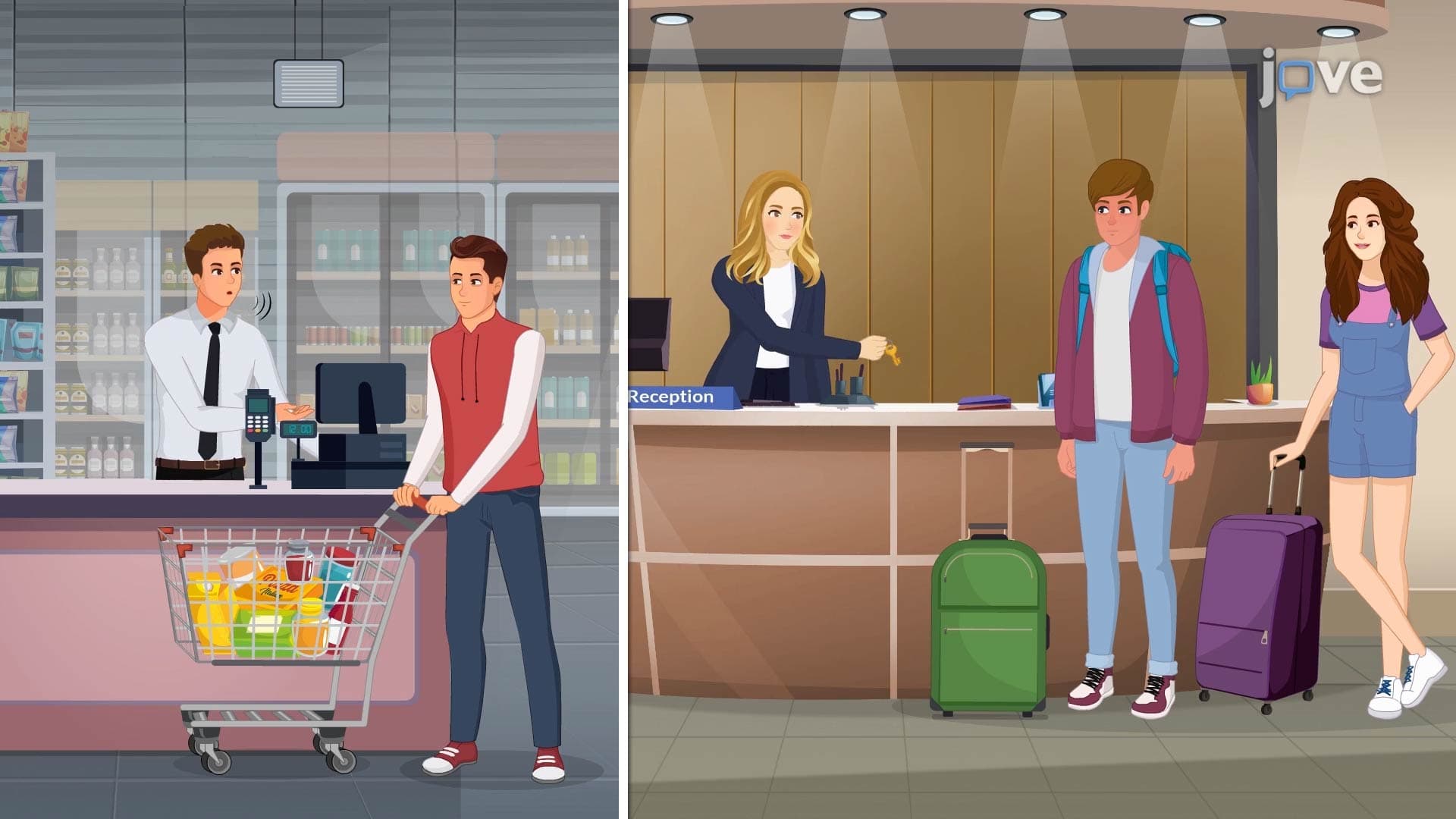
Inseparability and Customer Co-Creation Value Unlike products manufactured separately from consumption, services require active customer participation, creating both risk and opportunity. Southwest Airlines transformed industry economics by designing customer self-service touchpoints that reduce operational costs while improving satisfaction. Their baggage policies, boarding processes, and digital check-in systems demonstrate how strategic inseparability management creates competitive moats and operational efficiency.
Perishability and Revenue Optimization Services cannot be stored, creating unique capacity management challenges that directly impact profitability. Marriott International pioneered dynamic pricing algorithms that adjust room rates based on demand forecasting, local events, and competitive positioning. This approach maximizes revenue per available room (RevPAR) while optimizing occupancy rates-a model now standard across hospitality, airlines, and professional services firms.
Related Micro-courses