Loading video…

 8 Concepts
 445 views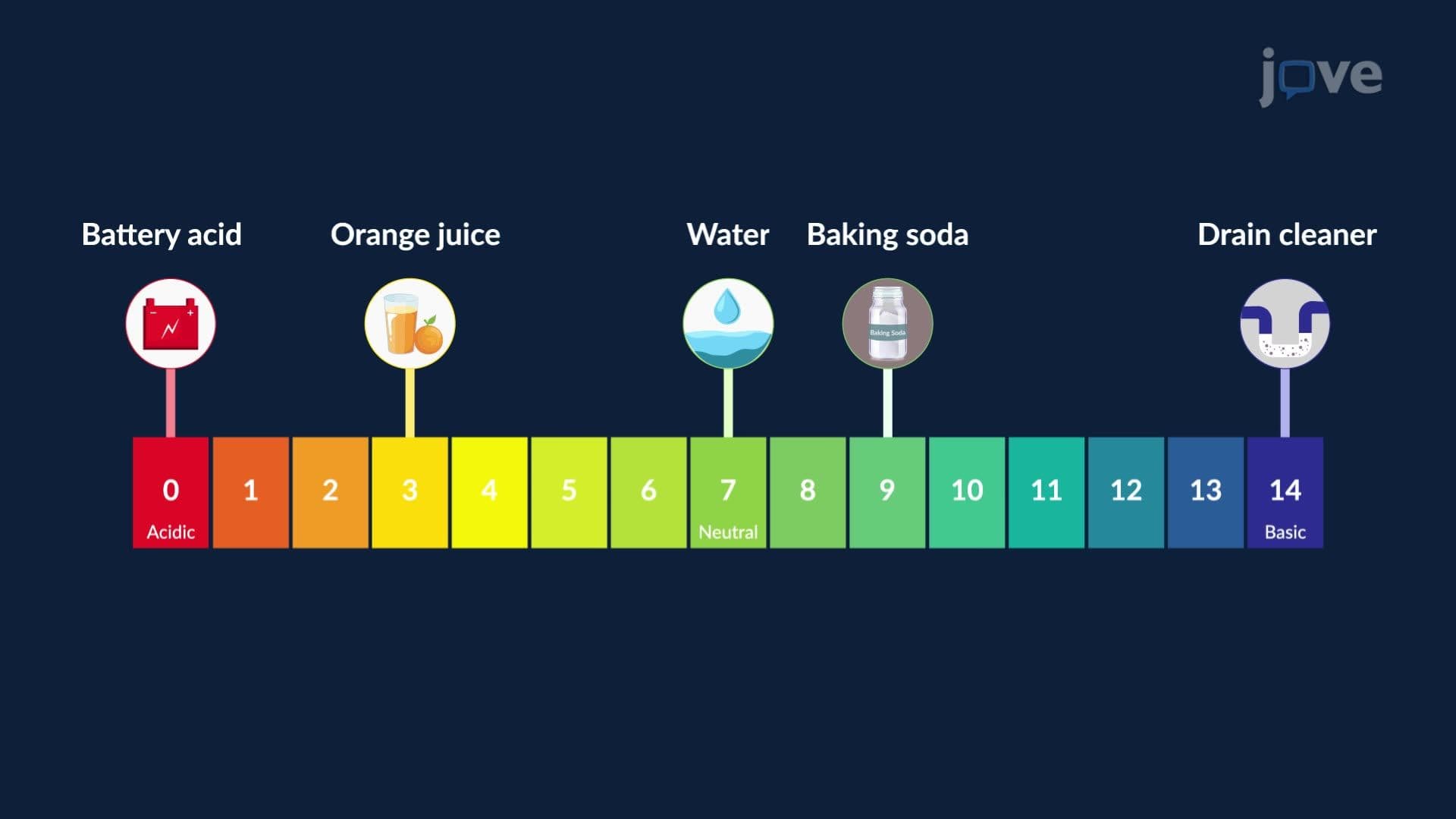

Video Summary: What are Applications of Logarithms
Did you know that the Richter scale measuring earthquake intensity uses logarithms to compress massive energy differences into manageable numbers? Applications of logarithms transform complex exponential relationships into simpler mathematical forms, making them essential tools across science and engineering. From calculating pH levels in chemistry labs to analyzing population growth models, logarithms help students and professionals work with extreme values and exponential changes. Watch the full video on JoVE Coach to master this concept with expert-led visuals and step-by-step explanations.
Applications of logarithms extend far beyond abstract mathematical exercises, serving as fundamental tools for measuring and interpreting phenomena that span enormous ranges of values. When scientists encounter data that varies by factors of millions or billions-such as earthquake energies, sound intensities, or chemical concentrations-logarithmic scales provide the mathematical framework to make these measurements meaningful and comparable.
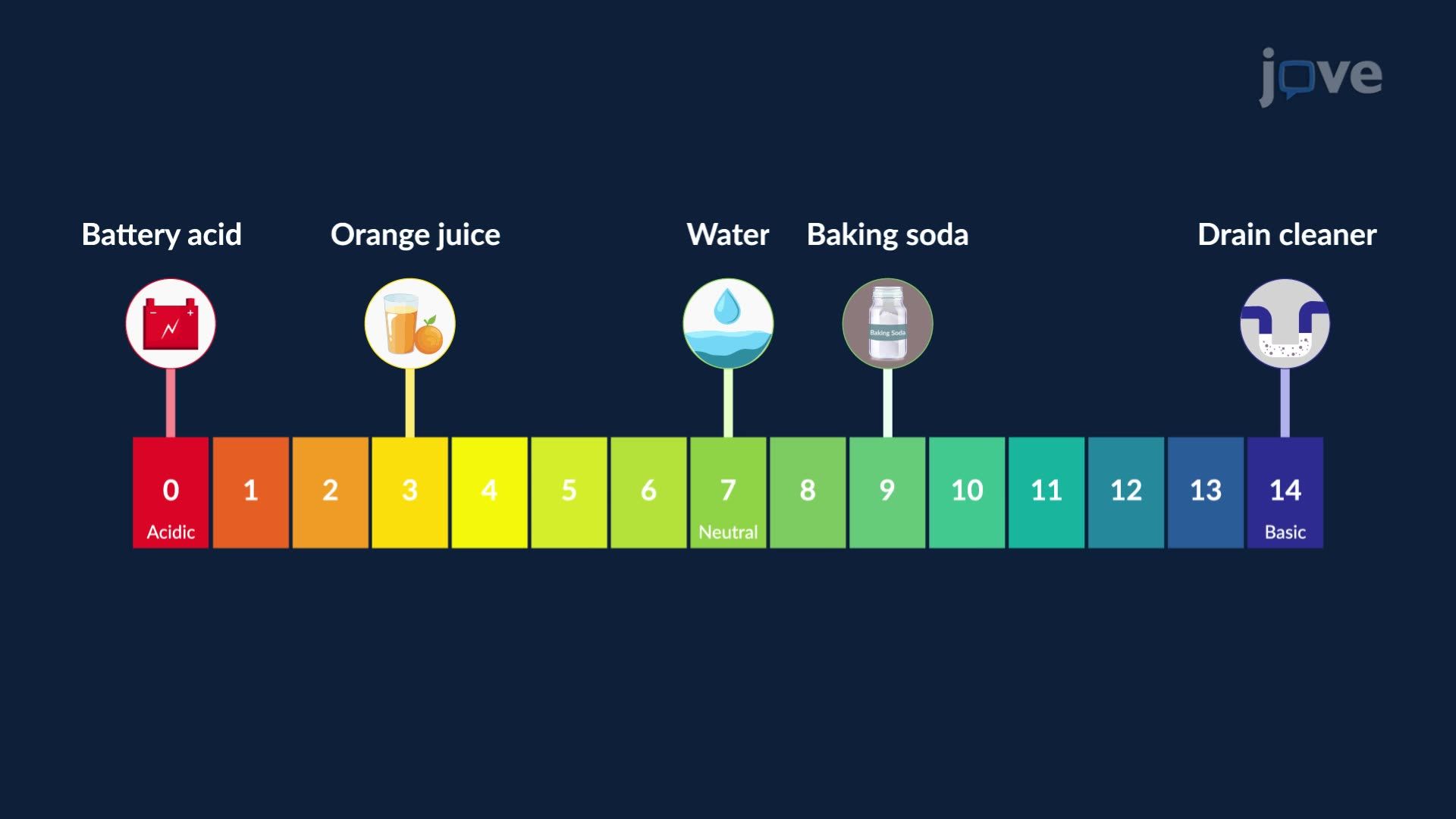
The pH scale represents one of the most widely recognized applications of logarithms in chemistry. Students encounter this concept extensively in AP Chemistry courses and college-level general chemistry classes. The pH value equals the negative base-10 logarithm of hydrogen ion concentration: pH = -log[H+]. This relationship transforms hydrogen ion concentrations that range from 1 mol/L to 0.0000000000001 mol/L into a convenient 0-14 scale.
Consider the difference between battery acid (pH ≈ 0) and household ammonia (pH ≈ 11). Without logarithms, comparing their hydrogen ion concentrations would require working with numbers like 1.0 mol/L versus 0.000000000001 mol/L. The logarithmic transformation reveals that ammonia has 100 billion times fewer hydrogen ions than battery acid-a relationship that becomes immediately apparent when comparing pH values of 0 and 11.
The decibel scale for measuring sound intensity provides another crucial application students encounter in physics courses. Sound intensity levels are calculated using I(dB) = 10 × log(I/I₀), where I represents the sound intensity and I₀ is the reference intensity. This logarithmic relationship explains why a 70-decibel conversation sounds much quieter than a 100-decibel rock concert, despite the numerical difference appearing modest.
Similarly, the Richter scale measures earthquake magnitude using logarithmic principles. Each whole number increase represents a tenfold increase in seismic wave amplitude, demonstrating how logarithms help scientists quantify and communicate the relative strength of natural disasters. The 1994 Northridge earthquake in California registered 6.7 on the Richter scale, while the 1906 San Francisco earthquake measured approximately 7.9-a difference that translates to roughly 16 times more energy release.
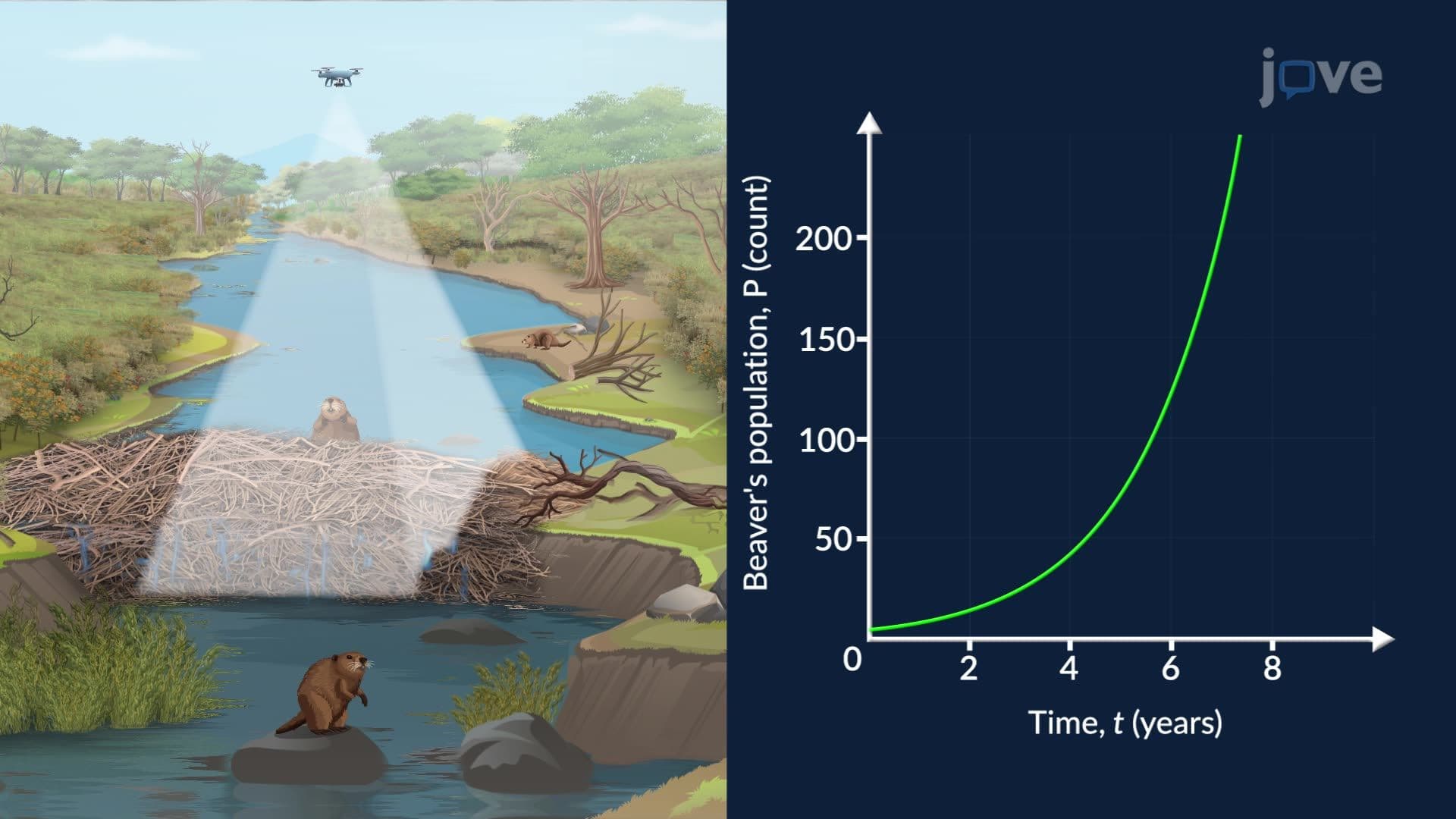
Students preparing for standardized tests like the SAT Math Level 2 or AP Calculus exams frequently encounter logarithmic applications in growth and decay problems. Population models, radioactive decay calculations, and compound interest problems all rely on the inverse relationship between logarithmic and exponential functions. These applications demonstrate how logarithms serve as tools for "undoing" exponential operations, allowing students to solve for time variables in exponential equations.
Related Micro-courses