Loading video…

 8 Concepts
 445 views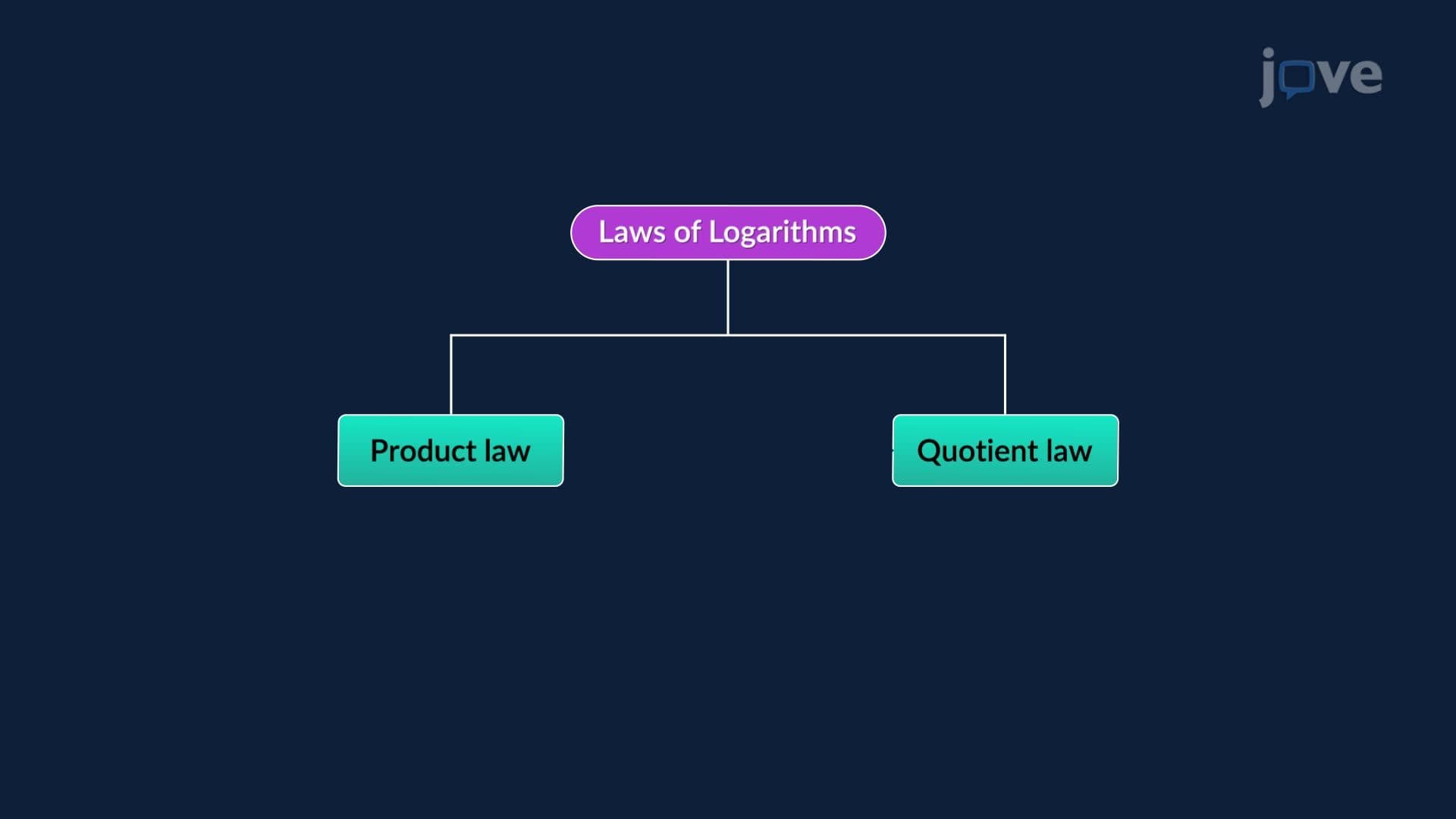

Video Summary: What are Laws of Logarithms I
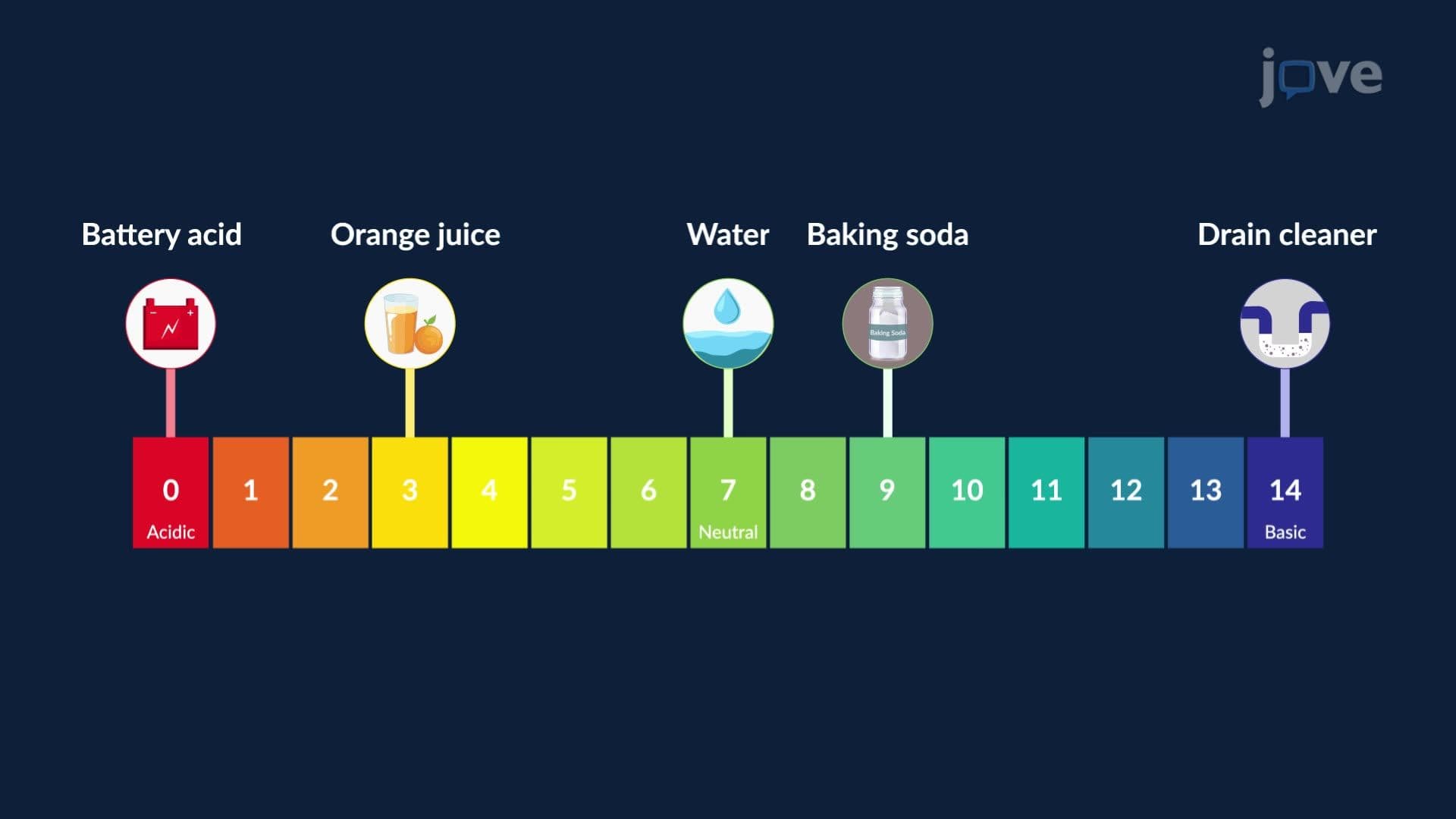
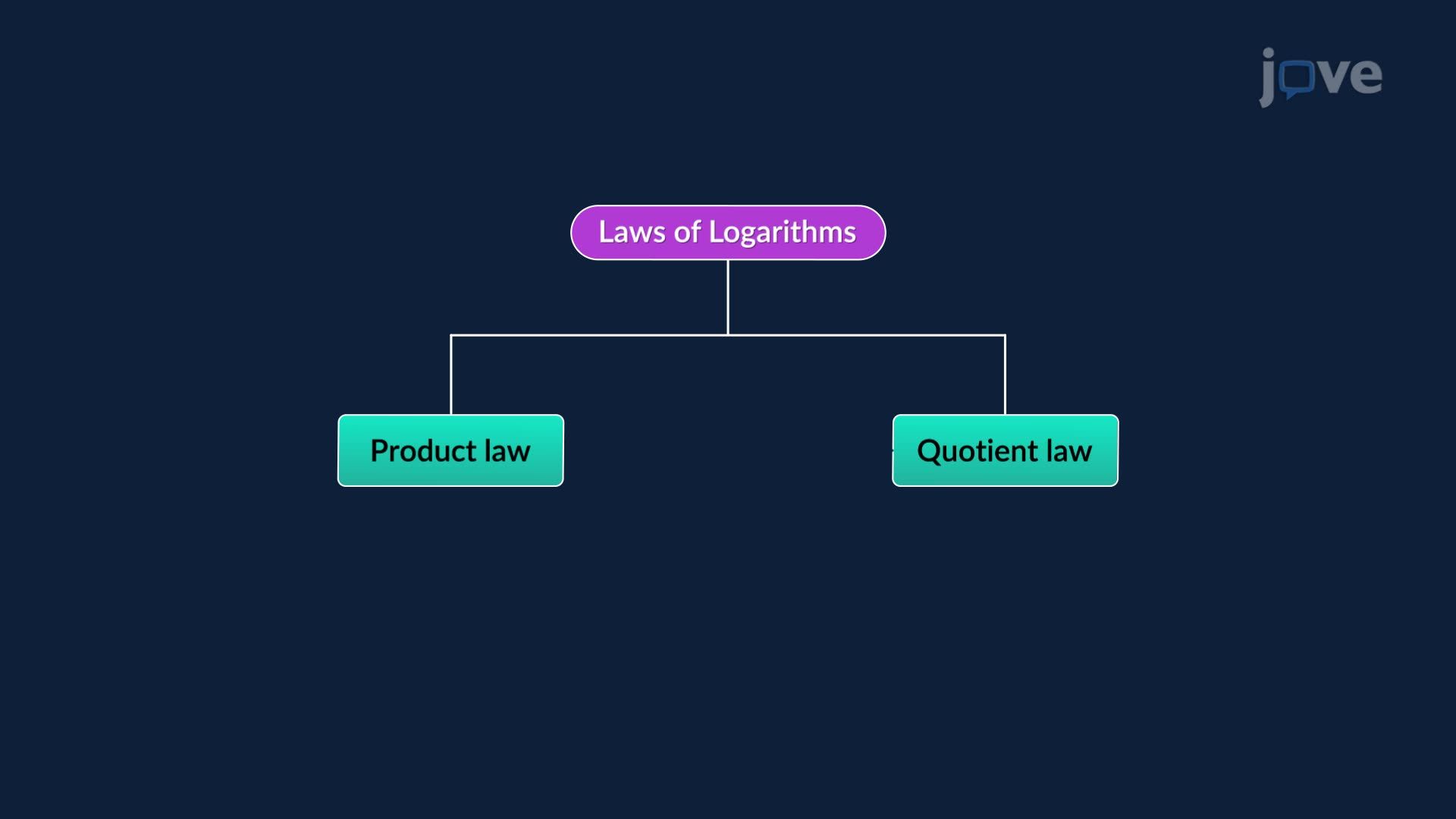
Did you know that every time you check your smartphone's battery percentage or measure earthquake intensity, you're using logarithmic principles? The laws of logarithms i form the mathematical foundation for countless scientific calculations, from determining pH levels in chemistry labs to analyzing decibel levels in acoustics. These fundamental rules-particularly the product and quotient laws-allow scientists at institutions like MIT and Stanford to simplify complex exponential relationships into manageable calculations. Watch the full video on JoVE Coach to master this concept with expert-led visuals and step-by-step explanations.
The laws of logarithms i represent essential mathematical tools that transform complex exponential calculations into simpler arithmetic operations. These laws emerged from the work of John Napier in the early 1600s and have since become indispensable in scientific research, engineering applications, and standardized testing across American educational institutions.
At universities like UC Berkeley and Georgia Tech, students encounter these logarithmic principles in calculus, chemistry, and physics courses. The fundamental concept centers on the inverse relationship between logarithms and exponentials: if b^x = y, then log_b(y) = x.
The product law states that log(xy) = log(x) + log(y). This principle revolutionizes how we handle multiplication within logarithmic expressions. For instance, when calculating the pH of buffer solutions in analytical chemistry labs at schools like Duke University, researchers frequently encounter products of concentration terms that become manageable through this law.
Consider a practical example: log(1000 × 100) = log(1000) + log(100) = 3 + 2 = 5. This demonstrates how the product law converts a multiplication problem involving large numbers into simple addition, particularly valuable during AP Chemistry exams where calculator restrictions apply.
The quotient law establishes that log(x/y) = log(x) - log(y). This property proves essential in fields like environmental science, where researchers at institutions such as the EPA calculate pollutant ratios and degradation rates. The quotient law transforms division operations into subtraction, streamlining complex environmental impact assessments.
For SAT Math Level 2 preparation, students often encounter problems like log(10,000/100) = log(10,000) - log(100) = 4 - 2 = 2. This systematic approach reduces computational errors and increases problem-solving speed during timed examinations.
American pharmaceutical companies utilize logarithmic laws extensively in drug concentration studies. When determining half-life calculations for medications approved by the FDA, researchers apply these principles to model exponential decay. Similarly, seismologists at the United States Geological Survey employ logarithmic relationships when measuring earthquake magnitudes on the Richter scale.
In academic settings, these concepts appear prominently in MCAT preparation, where pre-med students must demonstrate proficiency in logarithmic calculations for biochemistry and general chemistry sections. Understanding these laws provides the foundation for more advanced topics like enzyme kinetics and thermodynamics.
Related Micro-courses