Loading subject page…

445 views

Video Summary: What are Logarithmic Functions
Ever wonder how banks calculate compound interest on your savings account, or how scientists measure earthquake intensity? Logarithmic functions are the mathematical tool behind these calculations, serving as the "reverse" of exponential functions. For example, when the Federal Reserve analyzes economic growth rates or when seismologists measure a 7.0 earthquake on the Richter scale, they're applying logarithmic principles. What are logarithmic functions, and why do they appear everywhere from finance to natural phenomena? Watch the full video on JoVE Coach to master this concept with expert-led visuals and step-by-step explanations.
Logarithmic functions represent one of mathematics' most powerful tools for solving problems involving exponential relationships. At its core, a logarithmic function answers the question: "To what power must I raise this base to get this result?" The general form y = log base a of x (where a > 0 and a ≠ 1) transforms multiplicative relationships into additive ones, making complex calculations manageable.
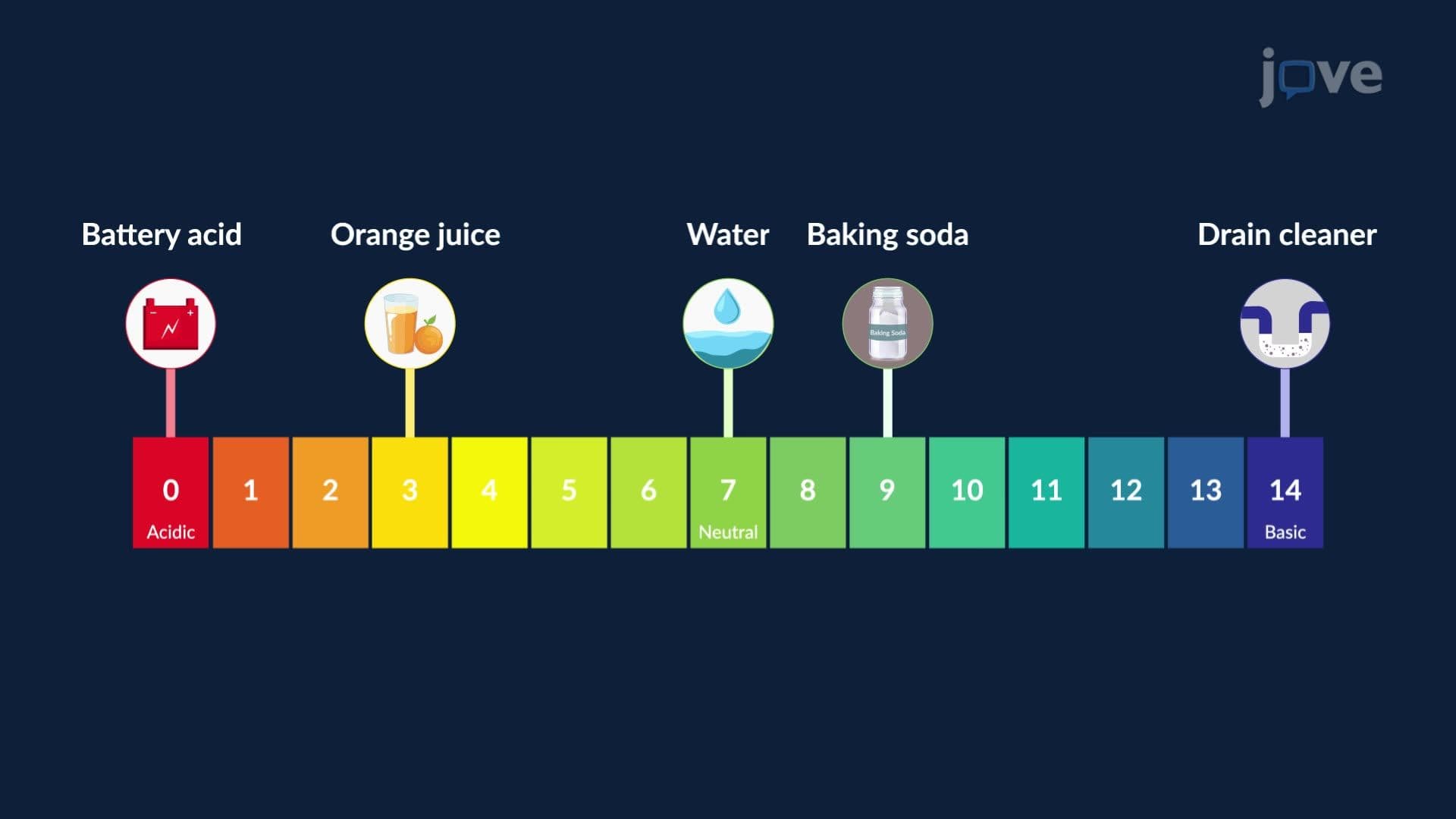
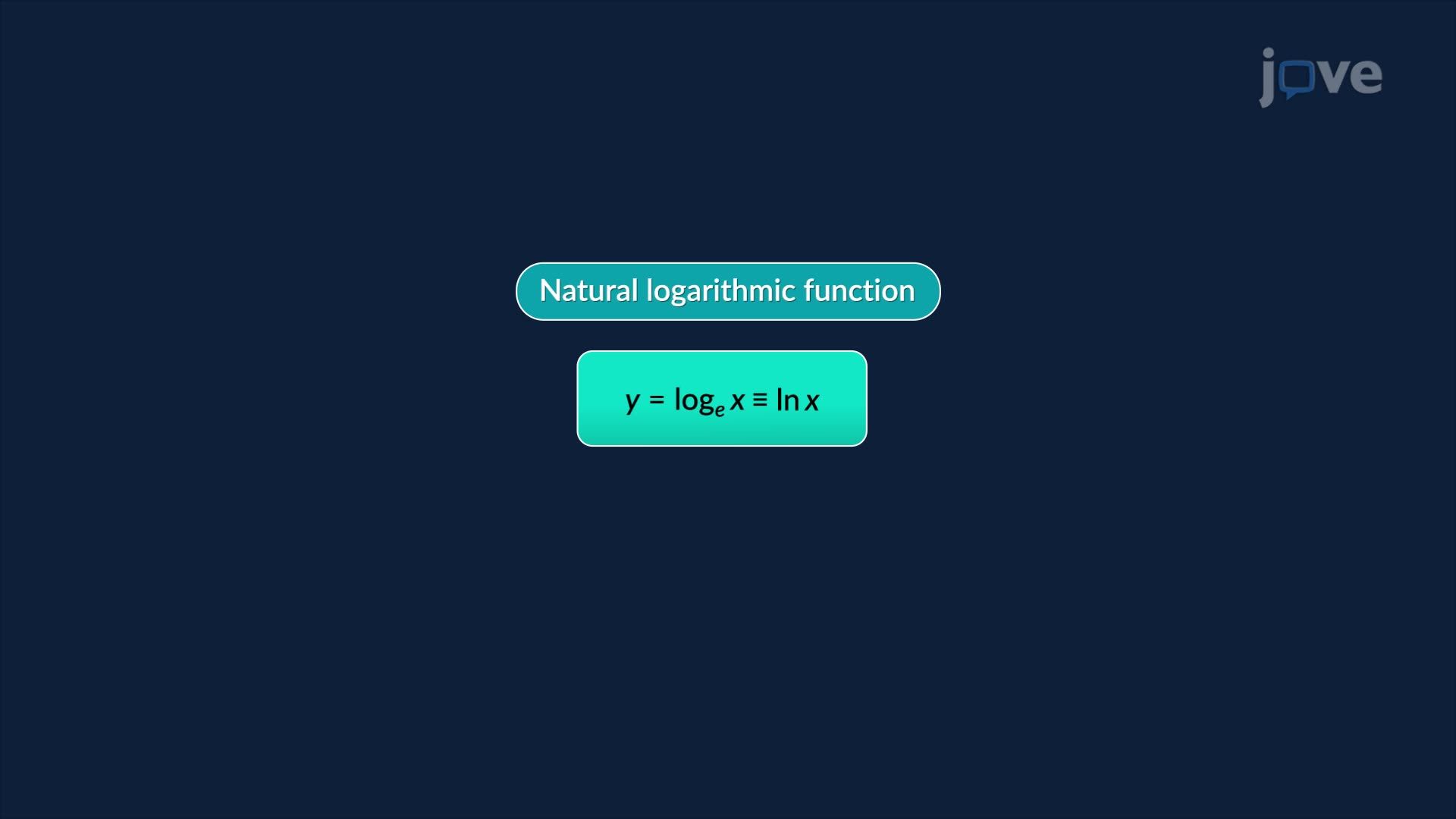
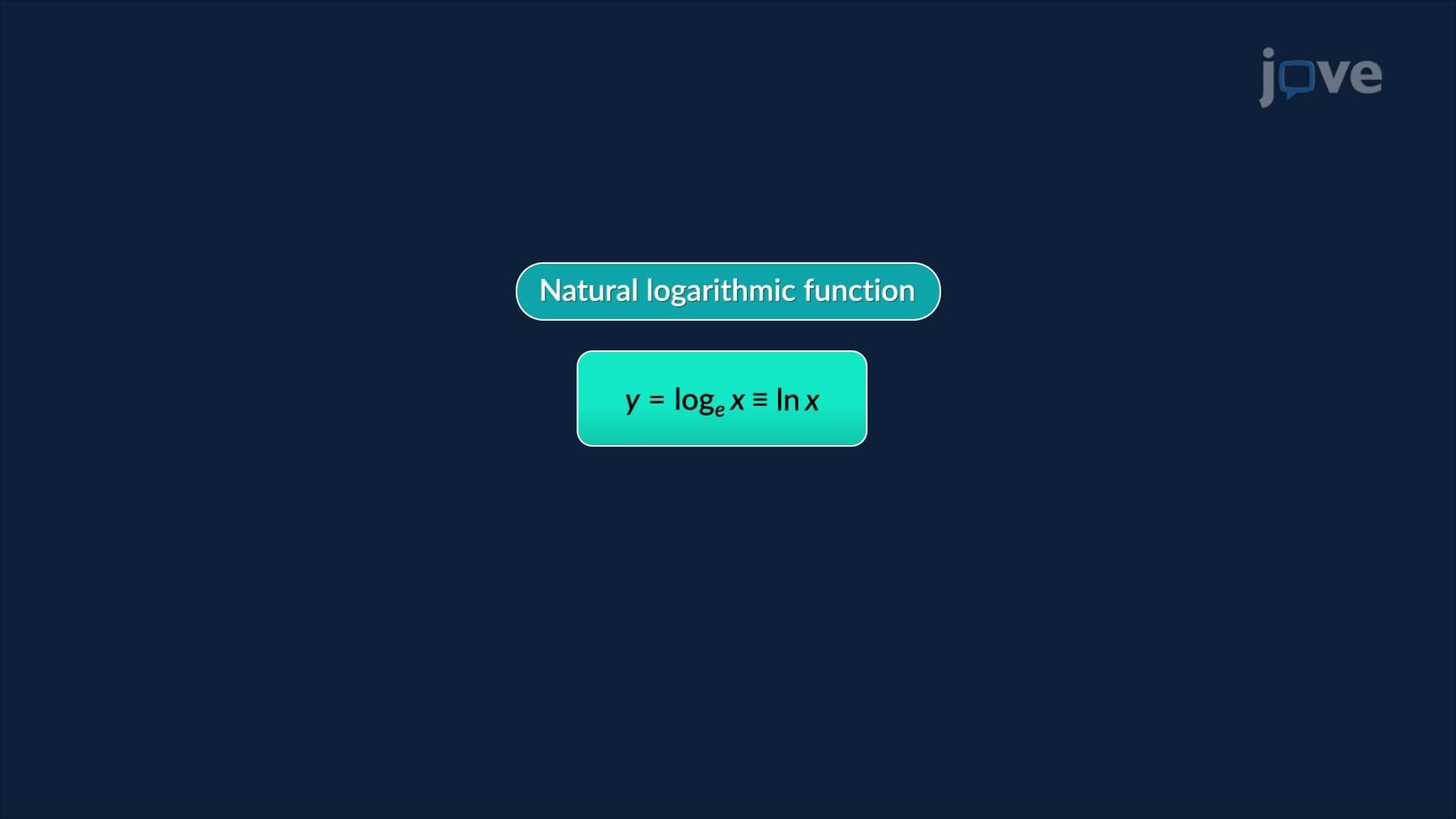
The most commonly encountered types of logarithmic functions include common logarithms (base 10), natural logarithms (base e), and logarithms with other bases. Common logarithms, written as log x, appear frequently in scientific notation and pH calculations in chemistry courses. Natural logarithms (ln x) dominate calculus applications and continuous growth models. For AP Calculus students, understanding that ln x has the special property where its derivative is 1/x makes it indispensable for integration problems.
American students encounter logarithmic functions across multiple disciplines. In economics classes, the Rule of 70 (used to estimate doubling time for investments) relies on natural logarithms. The Richter scale, developed at the California Institute of Technology, uses base-10 logarithms to measure earthquake magnitude-each whole number represents a tenfold increase in amplitude. Biology students studying population dynamics use logarithmic functions to model bacterial growth in laboratory settings. On the SAT Math section, logarithmic problems often appear in the calculator-permitted portion, testing students' ability to solve exponential equations.
The graph of a logarithmic function exhibits distinct characteristics that help students recognize and work with these functions. The y-axis serves as a vertical asymptote because log functions are undefined for zero or negative inputs. When the base exceeds 1, the function increases continuously but at a decreasing rate-this concave-down behavior explains why logarithmic scales compress large ranges of data. Students preparing for AP Calculus should note that logarithmic functions are differentiable everywhere in their domain, with derivatives following predictable patterns essential for both AB and BC exams.
Related Micro-courses