Loading subject page…


280 views

Video Summary: What are Systems of Equations
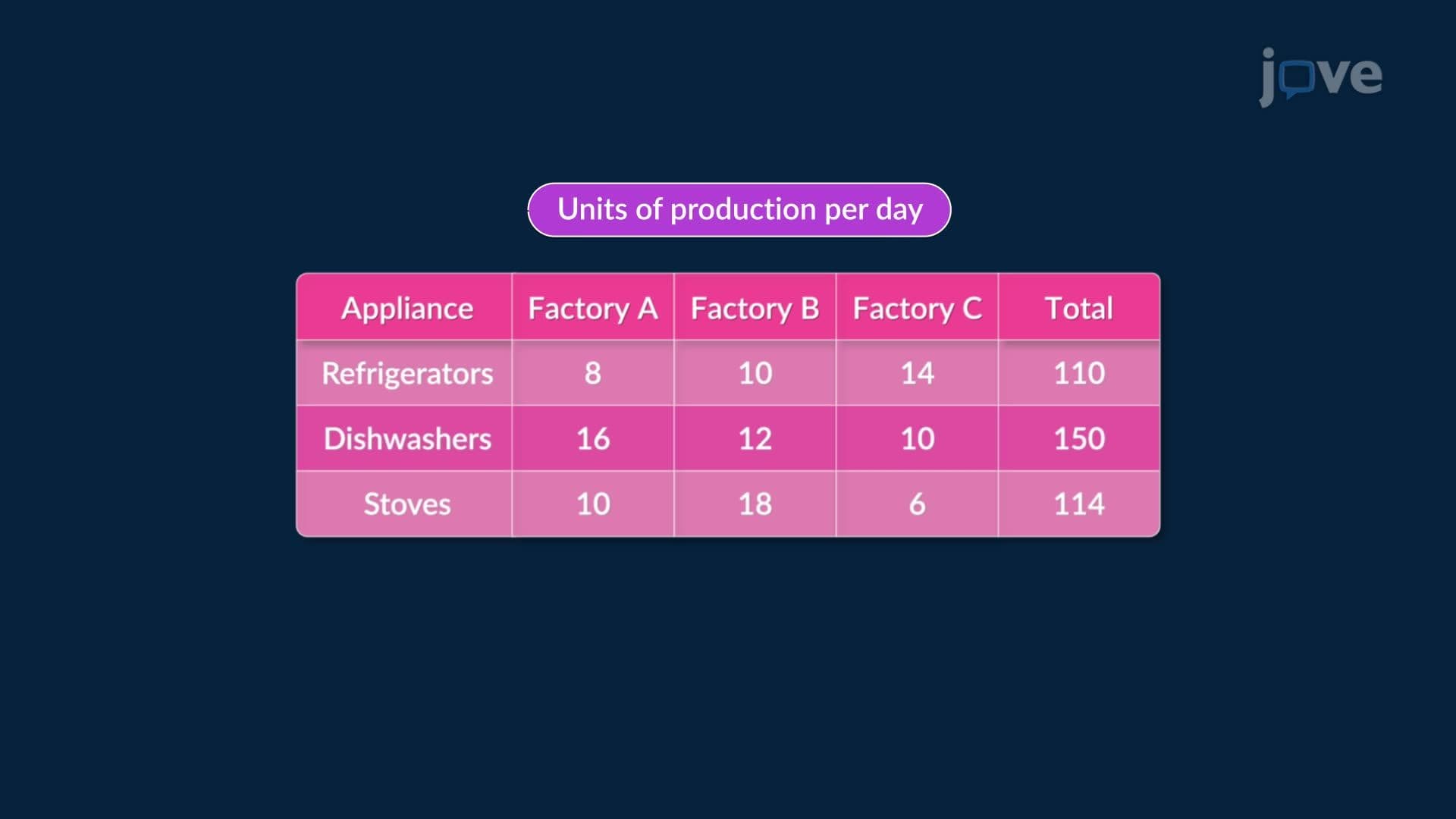
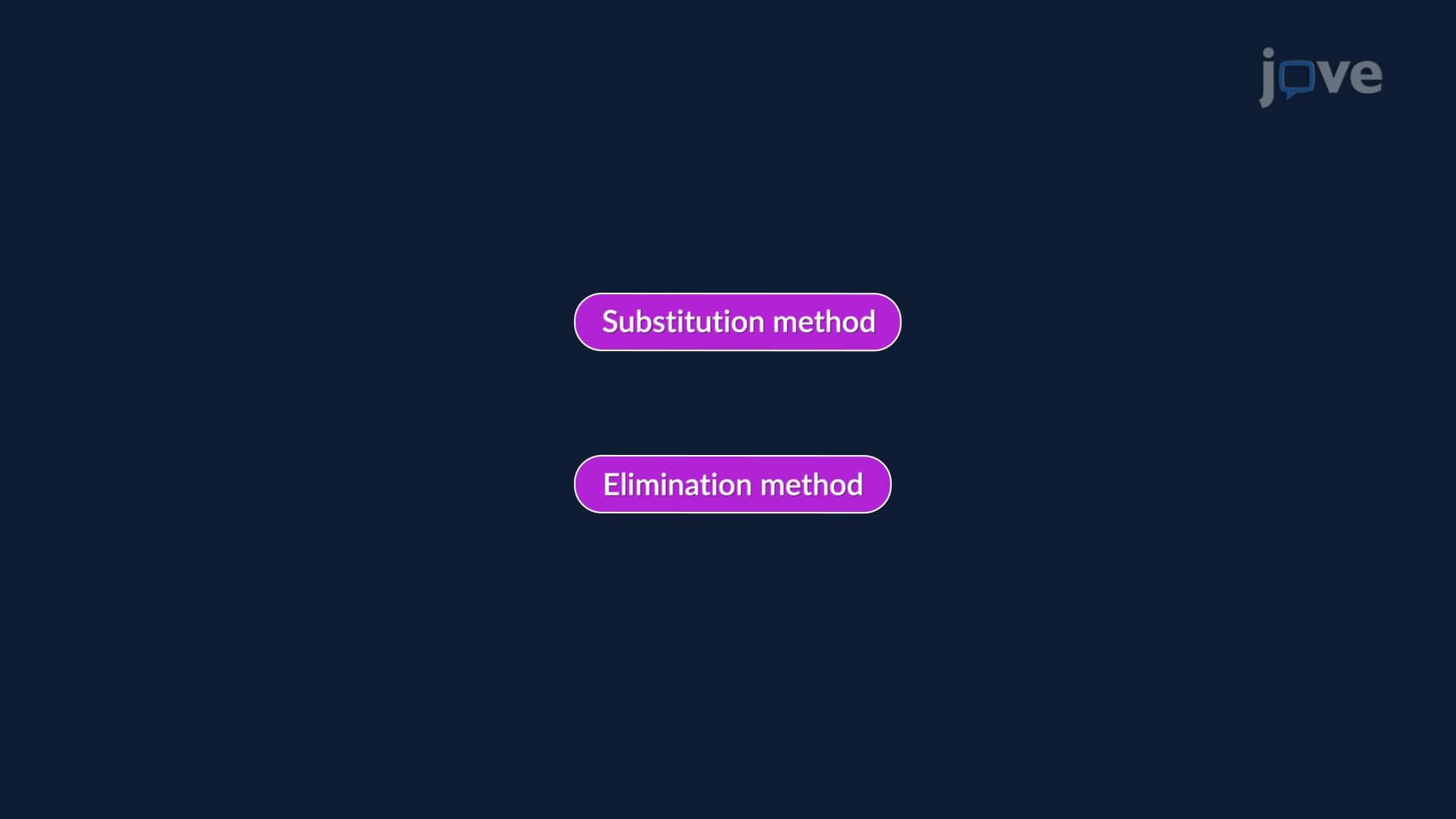
Did you know that NASA engineers use systems of equations to calculate spacecraft trajectories, balancing fuel consumption with orbital mechanics? Systems of equations involve solving two or more equations simultaneously to find values that satisfy all conditions. The cylindrical pipe example demonstrates how sheet dimensions and volume requirements create interconnected mathematical relationships. Students learn substitution and elimination methods to solve these powerful mathematical tools. Watch the full video on JoVE Coach to master this concept with expert-led visuals and step-by-step explanations.
Systems of equations represent one of algebra's most practical tools, connecting multiple mathematical relationships through shared variables. Unlike single equations with one unknown, these mathematical frameworks require finding values that simultaneously satisfy all given conditions. This concept becomes essential for students progressing from Algebra I through Calculus, appearing frequently on standardized tests like the SAT Math section and AP Calculus exams.
The substitution method works by expressing one variable in terms of another, then replacing that expression throughout the system. For example, if solving for supply and demand equilibrium in an economics problem, students might substitute the demand equation into the supply equation to find the market clearing price and quantity. This approach proves particularly effective when one equation easily isolates a variable.
The elimination method involves manipulating equations to cancel out variables systematically. Consider analyzing traffic flow at intersections where multiple roads converge-engineers create systems representing vehicle counts entering and leaving each junction. By adding or subtracting equations strategically, one variable disappears, simplifying the solution process.
Systems of equations appear throughout American industry and academia. Civil engineers use them for structural load analysis, determining how forces distribute across building frameworks. In finance, investment portfolio optimization requires solving systems that balance risk and return across multiple assets. College chemistry students encounter these concepts when analyzing reaction stoichiometry with multiple limiting reagents.
High school students typically encounter linear systems first, progressing to nonlinear systems in advanced courses. The College Board emphasizes these skills on AP Calculus and SAT Subject Tests, while college placement exams frequently assess system-solving competency for STEM major prerequisites.
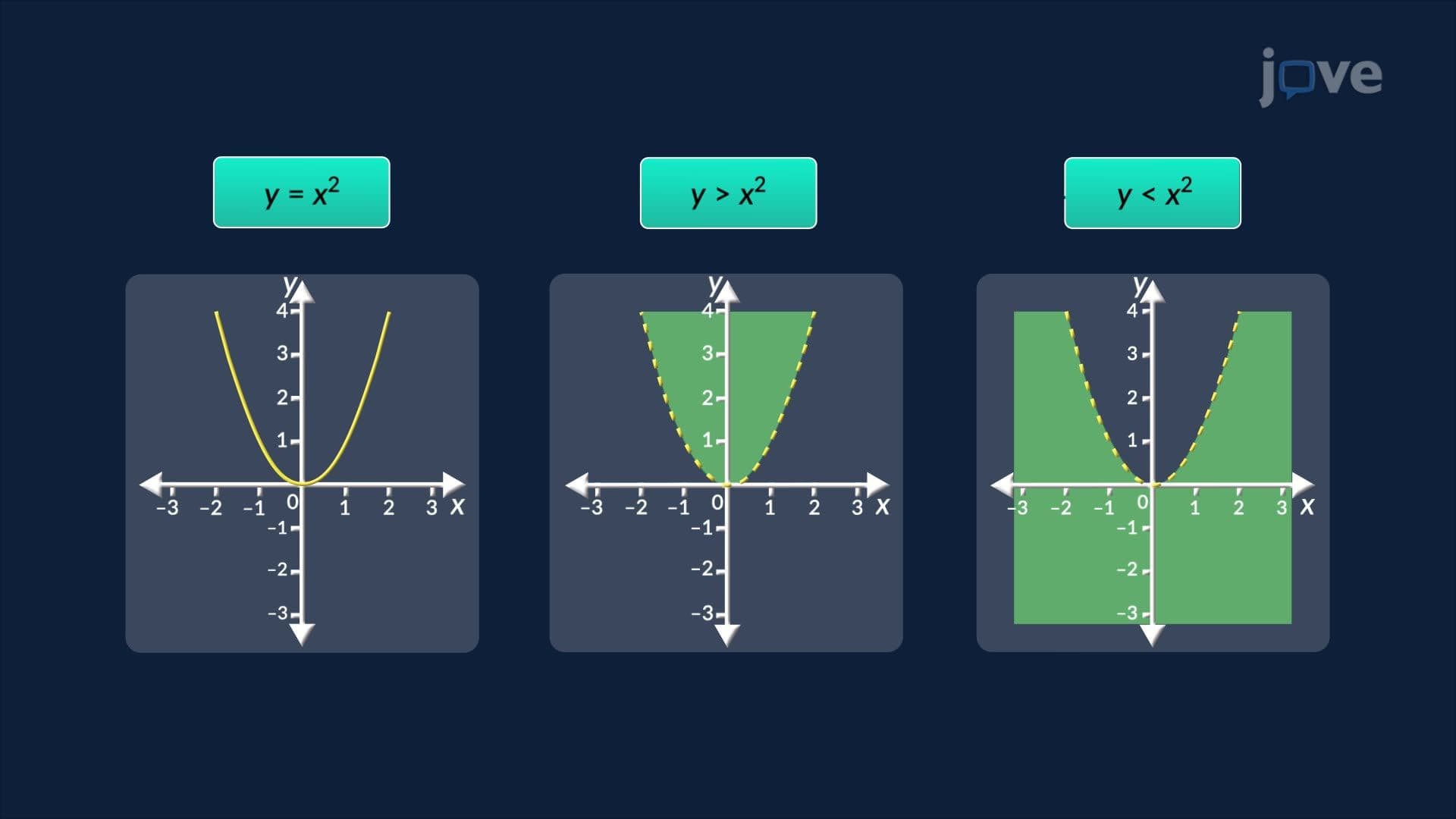
Successful system solving requires recognizing patterns and choosing appropriate methods. Linear systems with integer coefficients often favor elimination, while systems involving fractions or complex expressions benefit from substitution. Graphical interpretation helps students visualize solutions as coordinate points where equation graphs intersect, reinforcing the concept that solutions must satisfy all system equations simultaneously.
Related Micro-courses