Loading subject page…
- Math Fundamentals
- Systems of Equations and Inequalities
- Gaussian Elimination: Problem Solving
Micro-course: Systems of Equations and Inequalities
280 views
Learn key concepts and earn your certificate.



Gaussian Elimination: Problem Solving

00:00
01:30
Video Summary: What Is Gaussian Elimination Problem Solving
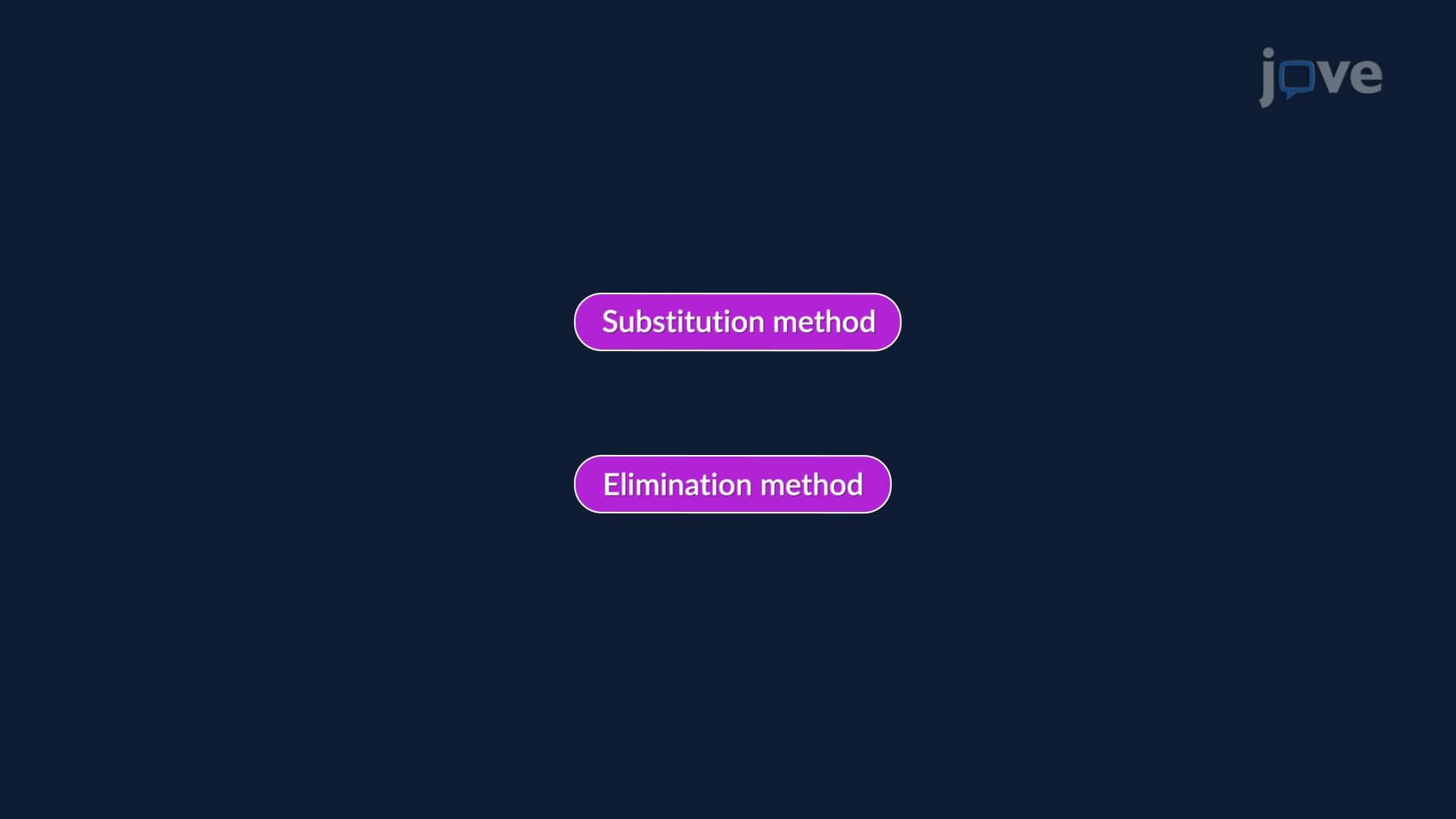
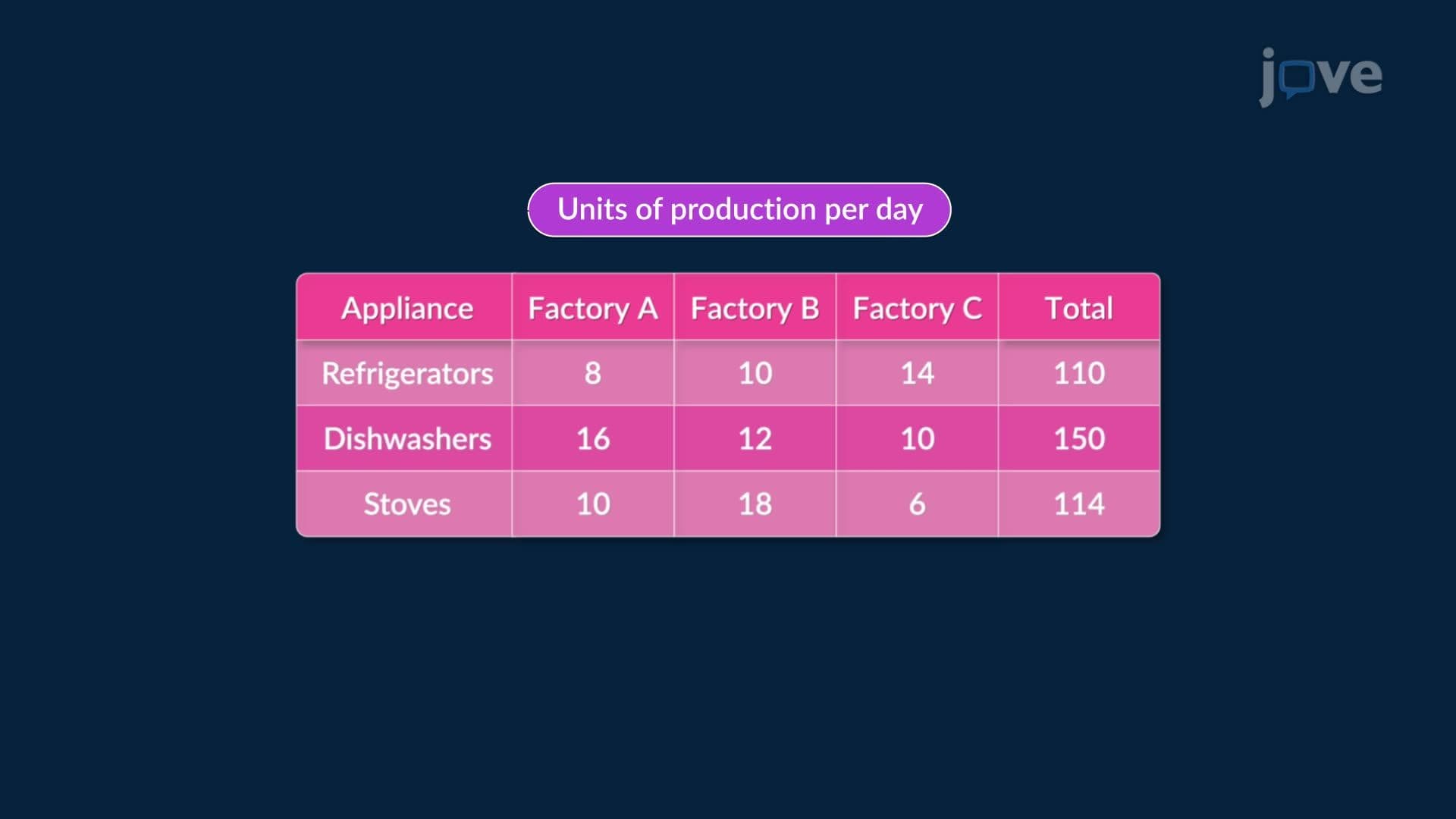
Ever wondered how Netflix optimizes its server allocation across thousands of locations simultaneously? Gaussian elimination problem solving is the mathematical powerhouse behind such complex multi-variable systems. This systematic method transforms messy networks of linear equations into elegant step-by-step solutions, just like determining optimal production schedules for General Motors' assembly plants across Detroit, Tennessee, and Texas. What is Gaussian Elimination Problem Solving becomes clear through real manufacturing scenarios where multiple factories must coordinate their output. Watch the full video on JoVE Coach to master this concept with expert-led visuals and step-by-step explanations.
- Understand What is Gaussian Elimination Problem Solving and how it systematically reduces complex linear systems into manageable solutions
- Identify the three main phases: forward elimination, back substitution, and solution verification for multi-variable problems
- Apply row operations including multiplication, addition, and subtraction to eliminate variables strategically from linear equation systems
- Analyze real-world scenarios like production scheduling, resource allocation, and network optimization using Gaussian elimination techniques
- Recognize when augmented matrix representation simplifies the elimination process for systems with three or more variables
- Evaluate solution validity by substituting final values back into original equations to confirm mathematical accuracy
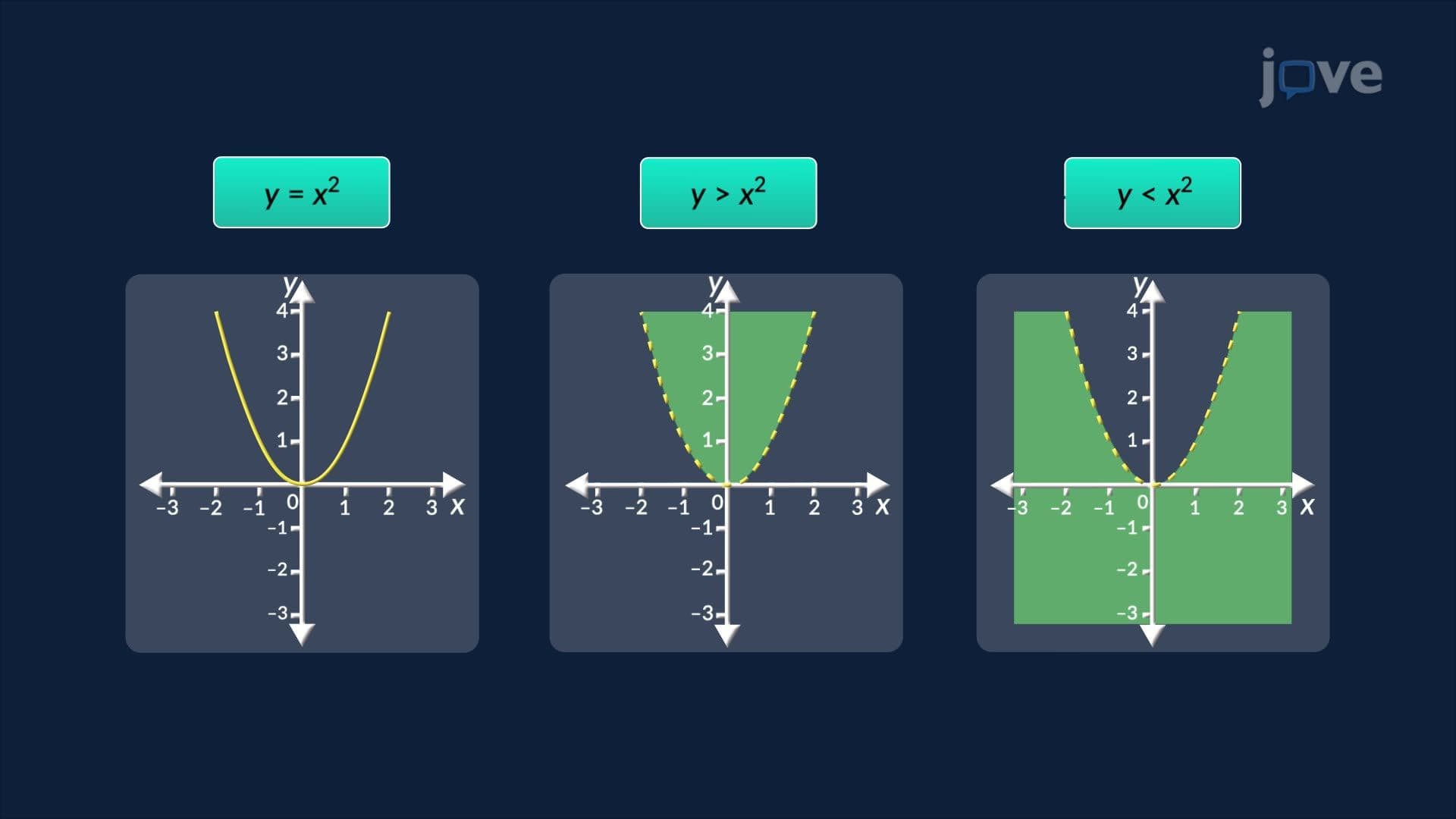
- Compare Gaussian elimination with other solving methods like substitution and elimination to determine optimal problem-solving approaches
- Explore how systematic variable elimination creates upper triangular matrix forms that enable efficient back substitution
What is Gaussian Elimination Problem Solving: Core Mathematical Framework
Gaussian elimination problem solving represents one of the most powerful and systematic approaches to solving systems of linear equations. Named after German mathematician Carl Friedrich Gauss, this method transforms complex multi-variable problems into manageable step-by-step solutions through strategic variable elimination. The gaussian elimination problem solving definition centers on using one equation to systematically eliminate variables from others, creating a simplified system that's easier to solve.
The process operates on three fundamental principles: forward elimination, back substitution, and solution verification. During forward elimination, we strategically multiply equations and subtract them from one another to eliminate variables systematically. This creates what mathematicians call an "upper triangular" form, where each successive equation contains fewer variables than the previous one.
Real-World Applications and Industry Implementation
Understanding what is gaussian elimination problem solving in detail becomes crucial when examining its widespread applications across American industries. Major corporations like Boeing use these techniques for aircraft design optimization, where thousands of variables must satisfy structural, aerodynamic, and safety constraints simultaneously. Similarly, pharmaceutical companies employ Gaussian elimination in drug formulation, balancing multiple active ingredients to achieve desired therapeutic effects while minimizing side effects.
The gaussian elimination problem basics extend beyond pure mathematics into practical problem-solving scenarios. Consider Tesla's battery production: engineers must balance lithium, cobalt, and nickel ratios across multiple battery cell configurations while meeting performance, cost, and safety requirements. Each constraint creates a linear equation, and the entire system requires systematic elimination to find optimal solutions.
Educational Context and Exam Relevance
The gaussian elimination problem solving concept appears prominently in standardized testing and college coursework. AP Calculus and Pre-Calculus exams frequently feature these problems, particularly in applications involving optimization and systems modeling. College algebra courses at institutions like Arizona State University and University of California system emphasize mastering this technique as foundation for advanced mathematics.
Students preparing for engineering programs will encounter Gaussian elimination extensively in linear algebra courses. The gaussian elimination problem solving study guide approach emphasizes understanding the logical sequence: identify variables, set up equations, eliminate systematically, and verify solutions. This methodical thinking transfers directly to computer science algorithms, economic modeling, and scientific research applications.
Advanced Problem-Solving Strategies
Understanding gaussian elimination problem solving requires recognizing when to apply specific strategies. Complex systems may require partial pivoting to avoid computational errors, especially when dealing with very large or very small coefficients. Professional applications often employ computer algorithms, but understanding the underlying mathematical principles ensures proper interpretation of results and troubleshooting when automated solutions fail.
Frequently Asked Questions
Gaussian elimination problem solving is a systematic mathematical method for solving systems of linear equations by eliminating variables one at a time. It's crucial because it provides a reliable, step-by-step approach to complex multi-variable problems that appear frequently in science, engineering, and business applications. This method forms the foundation for advanced topics in linear algebra and helps students develop logical problem-solving skills applicable across STEM fields.
SAT Math Level 2 and AP Calculus exams often feature systems of equations requiring Gaussian elimination techniques. These problems typically involve 2-3 variables representing real-world scenarios like business optimization or scientific modeling. Students should practice identifying when to use elimination versus substitution methods, as this choice can significantly impact solving efficiency during timed exams.
Most engineering programs, mathematics majors, and business analytics courses require strong Gaussian elimination skills. Linear algebra, differential equations, and numerical methods courses at universities like MIT, Stanford, and state schools heavily emphasize these techniques. Economics students also encounter elimination methods when solving market equilibrium problems and optimization models.
Tech giants employ Gaussian elimination for resource allocation, server load balancing, and supply chain optimization. Amazon uses similar techniques to determine optimal warehouse locations and inventory distributions across their network. Google applies these methods in search algorithm optimization and advertising bid management systems where multiple variables must be balanced simultaneously.
With proper foundation in basic algebra, most students can master Gaussian elimination successfully. The method follows logical, repeatable steps that don't require advanced mathematical intuition. Students who can solve simple linear equations and perform basic arithmetic operations typically adapt well to elimination techniques with consistent practice.
Focus on practicing systematic organization and double-checking arithmetic calculations, as these are common error sources under time pressure. Work through progressively complex problems starting with 2-variable systems before advancing to 3-variable applications. Create solution templates that help maintain consistent methodology across different problem types.
Students should progress to matrix operations, determinants, and linear transformations as natural extensions of elimination techniques. These topics prepare students for advanced calculus, differential equations, and mathematical modeling courses essential for engineering and scientific careers.
Related Micro-courses