Loading subject page…


3,573 views


Video Summary: Barrett Esophagus Ii Clinical Manifestations Explained
Did you know that Barrett's esophagus affects approximately 5.6% of American adults, yet many patients remain completely unaware they have this precancerous condition? Barrett esophagus II clinical manifestations often go undetected because the condition itself is typically asymptomatic, though patients frequently experience GERD-related symptoms like heartburn and regurgitation. For instance, a 45-year-old patient at Mayo Clinic might present with chronic acid reflux, only to discover Barrett's esophagus during routine endoscopy. Watch the full video on JoVE Coach to master this concept with expert-led visuals and step-by-step explanations.
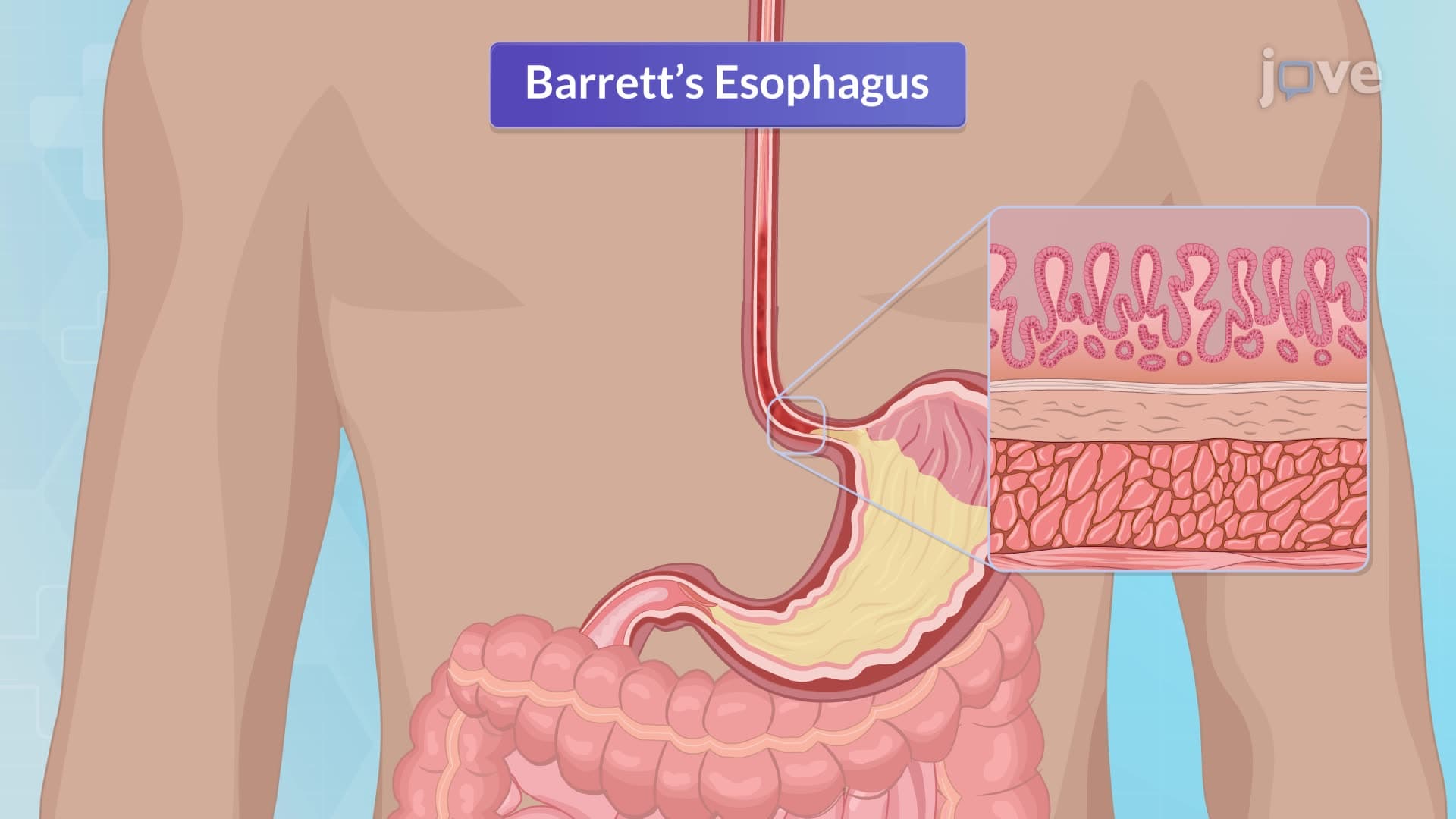
Barrett's esophagus represents a significant precancerous condition affecting the lower esophageal lining, where normal squamous epithelium transforms into specialized intestinal-type columnar epithelium. This metaplastic change occurs as a protective response to chronic gastroesophageal reflux disease (GERD), making Barrett esophagus II clinical manifestations a critical topic for students preparing for healthcare careers. The condition's clinical significance lies in its potential progression to esophageal adenocarcinoma, occurring in approximately 0.5% of Barrett's patients annually according to American College of Gastroenterology guidelines.
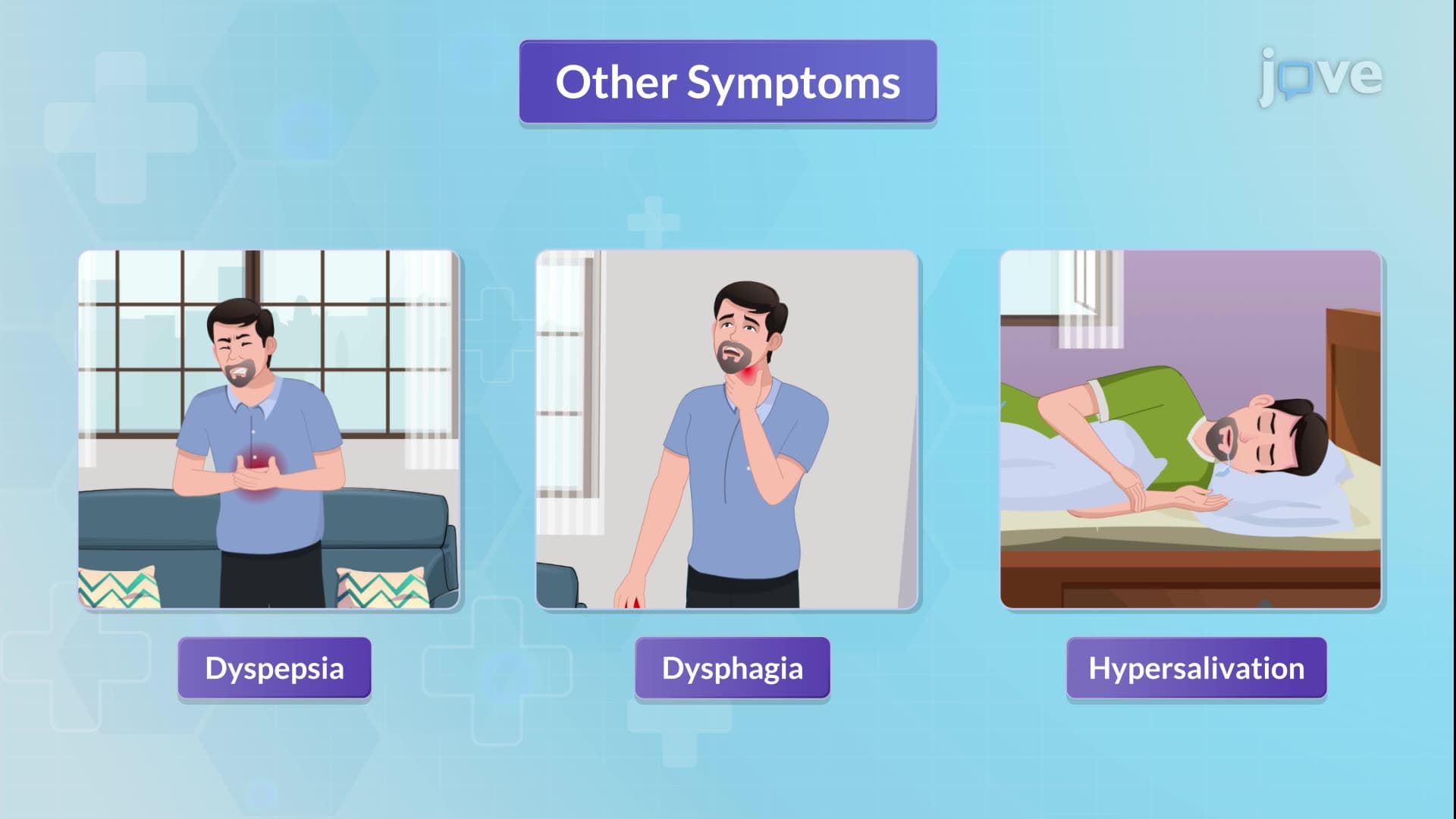
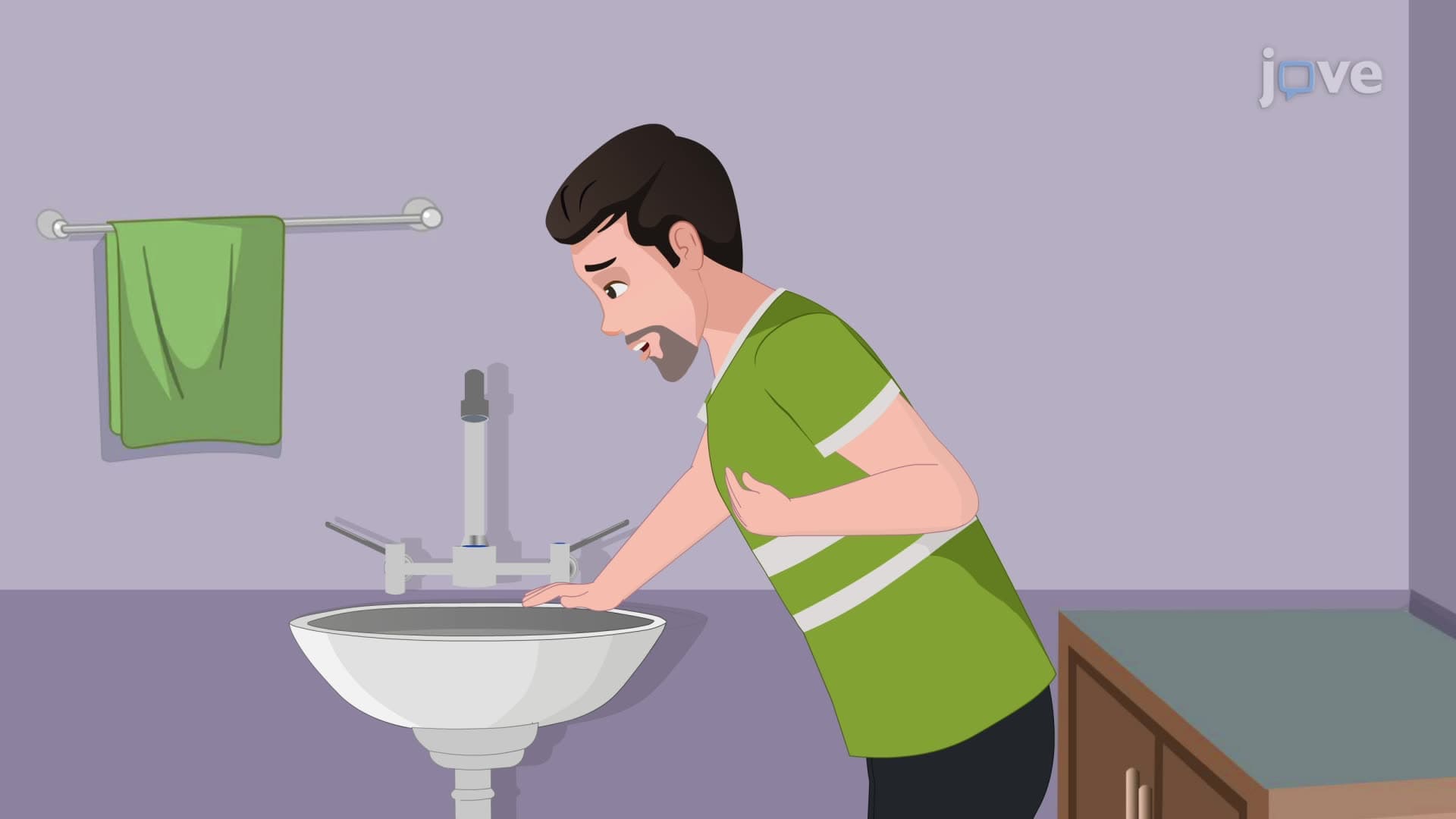
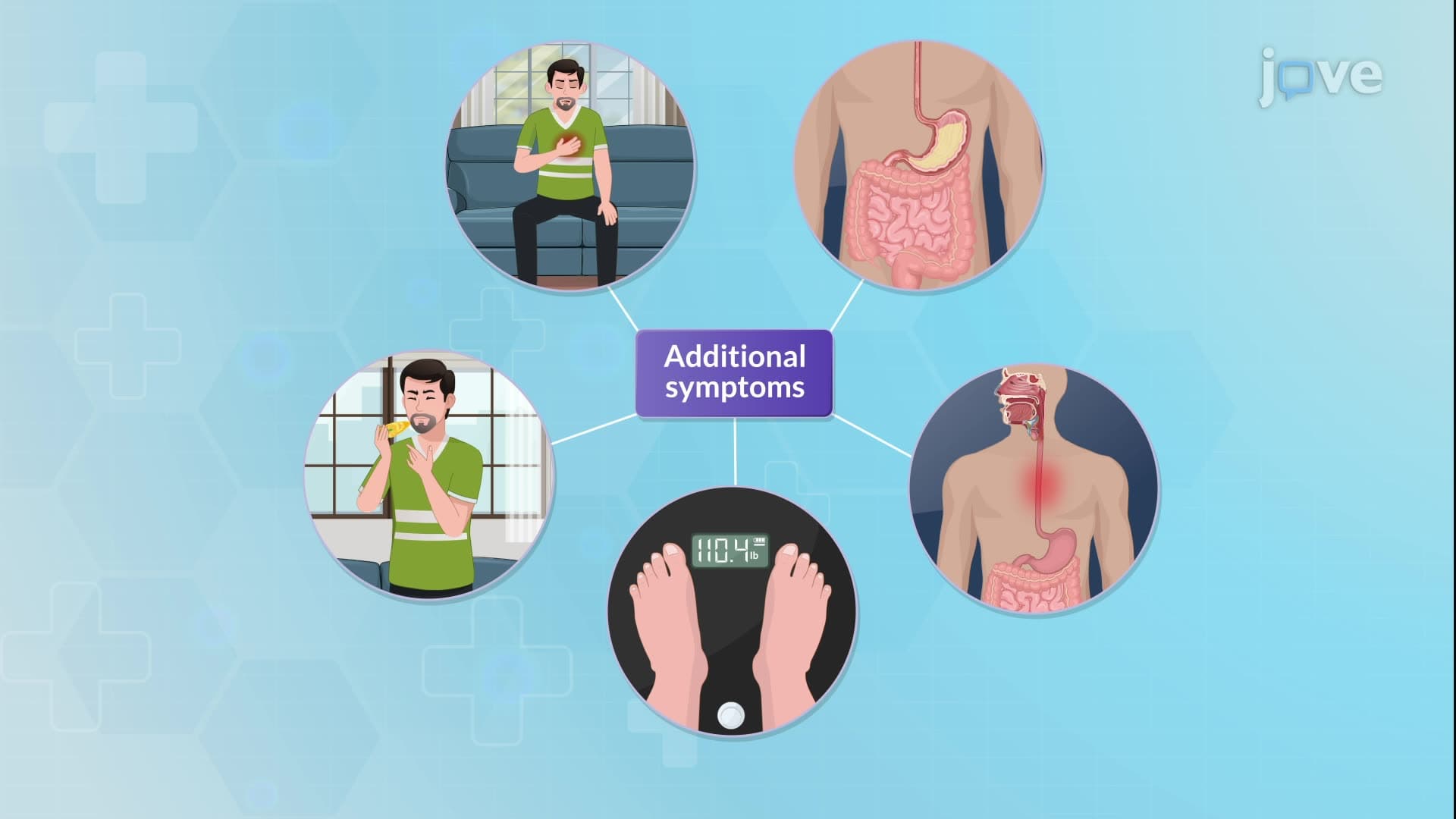
The paradox of Barrett's esophagus lies in its asymptomatic nature-the Barrett's tissue itself produces no symptoms. However, patients typically present with manifestations of the underlying GERD that caused the condition. These include classic symptoms like heartburn (pyrosis), regurgitation of stomach contents, and nocturnal cough. More concerning symptoms that warrant immediate evaluation include dysphagia (difficulty swallowing), odynophagia (painful swallowing), unintentional weight loss, and gastrointestinal bleeding manifesting as melena or hematemesis. Students studying for the MCAT or AP Biology should understand that these "alarm symptoms" often indicate progression to high-grade dysplasia or adenocarcinoma.
Diagnosis requires upper endoscopy with careful inspection of the gastroesophageal junction. Normal esophageal squamous epithelium appears pale pink and glossy, contrasting sharply with Barrett's tissue, which presents as salmon-colored, red, and velvety in appearance. The Seattle Protocol, standard in American gastroenterology practice, mandates systematic biopsies every 1-2 cm throughout the Barrett's segment to detect dysplasia. Students preparing for USMLE Step 1 should recognize that histologic confirmation showing specialized intestinal metaplasia with goblet cells is required for definitive diagnosis, not just endoscopic appearance.
Management varies significantly based on dysplasia grade. For patients without dysplasia or with low-grade dysplasia, treatment focuses on aggressive acid suppression using proton pump inhibitors (omeprazole, lansoprazole) as first-line therapy, with H2-receptor antagonists (ranitidine, famotidine) as alternatives. Surgical options include the LINX magnetic sphincter augmentation device and laparoscopic Nissen fundoplication, both FDA-approved procedures performed at major medical centers like Johns Hopkins and Cleveland Clinic. High-grade dysplasia requires more aggressive intervention: endoscopic mucosal resection, radiofrequency ablation using the HALO system, or cryotherapy. In cases where these fail or cancer develops, esophagectomy remains the definitive treatment, though it carries significant morbidity.
Related Micro-courses