Loading subject page…


3,573 views

Video Summary: Gastroesophageal Reflux Disease I Meaning Explained
Did you know that over 60 million Americans experience heartburn at least once a month, often due to a condition that literally means "stomach acid flowing backward"? Gastroesophageal reflux disease I meaning explained reveals how this chronic digestive disorder occurs when stomach contents, including harsh acidic juices, repeatedly flow back into the esophagus, causing inflammation and painful symptoms that affect millions of students and adults daily. Watch the full video on JoVE Coach to master this concept with expert-led visuals and step-by-step explanations.
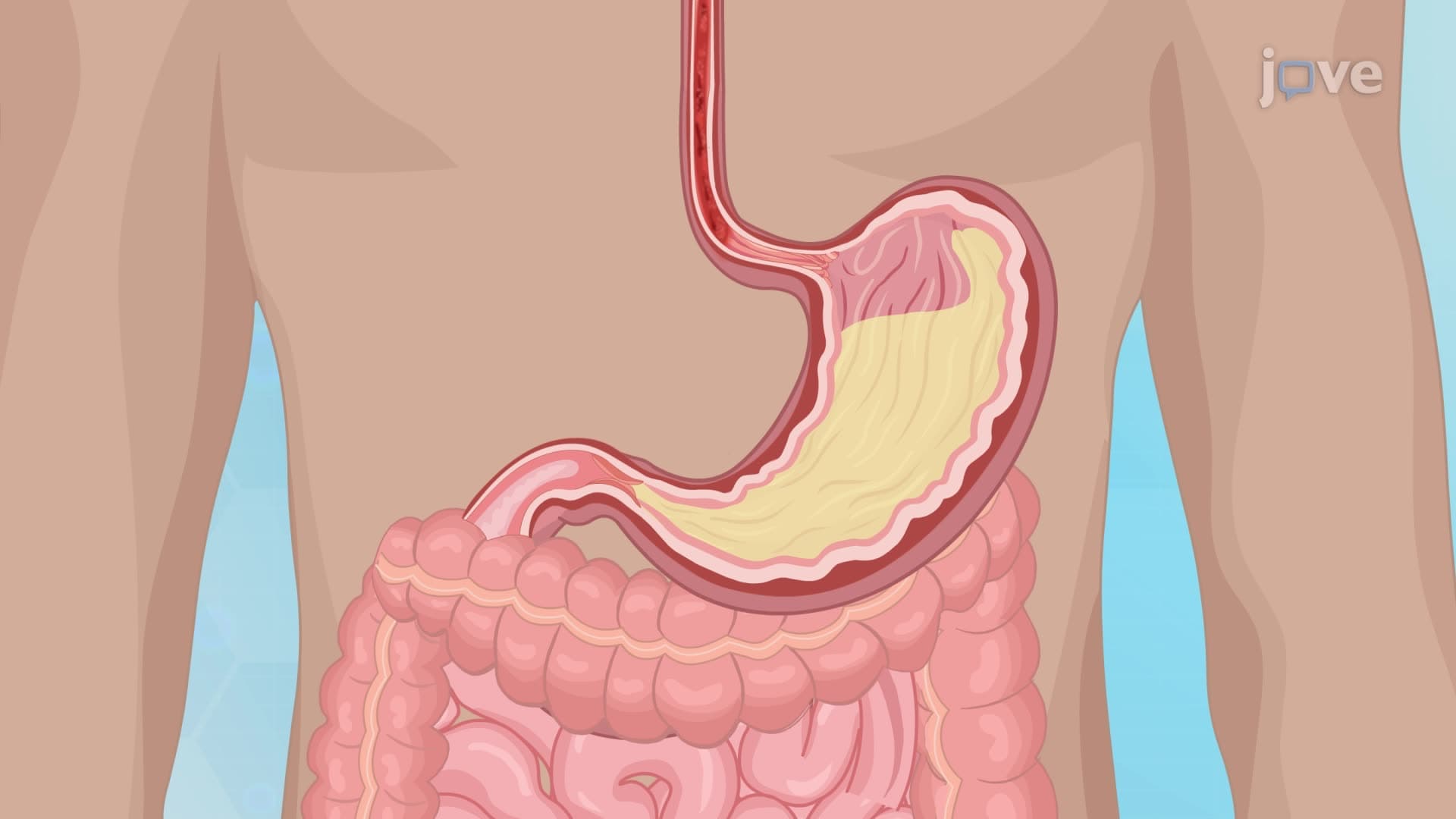
Gastroesophageal reflux disease represents one of the most common digestive disorders affecting American students and adults, with prevalence rates reaching 20% in the general population. The condition's name itself provides crucial insight: "gastro" refers to the stomach, "esophageal" relates to the esophagus, and "reflux" describes the backward flow of contents. This chronic disorder occurs when stomach materials, including powerful digestive acids and enzymes, inappropriately enter the esophagus, causing inflammation, irritation, and characteristic burning sensations.
At the heart of GERD pathophysiology lies the lower esophageal sphincter (LES), a ring-shaped muscle acting as a one-way valve between the esophagus and stomach. In healthy individuals, this sphincter maintains appropriate pressure to prevent gastric content backflow while relaxing during swallowing to allow food passage. However, when the LES becomes incompetent-either through weakened muscle tone, inappropriate relaxation, or structural damage-stomach contents can escape upward. This mechanism explains why GERD symptoms often worsen when lying flat, as gravity no longer assists in keeping gastric materials in their proper location.
Beyond sphincter dysfunction, several anatomical and lifestyle factors contribute to GERD development. Hiatal hernias, affecting approximately 15% of Americans, occur when stomach portions protrude through the diaphragm into the chest cavity, disrupting normal LES positioning and function. Obesity significantly increases GERD risk by elevating intra-abdominal pressure, essentially squeezing stomach contents upward. College students particularly face increased risk through lifestyle factors including irregular eating patterns, increased alcohol consumption, smoking, and frequent use of nonsteroidal anti-inflammatory drugs (NSAIDs) for stress-related headaches and muscle tension.
Understanding GERD proves essential for various standardized examinations including the MCAT's biological sciences section, AP Biology courses covering digestive system physiology, and college anatomy and physiology coursework. The condition frequently appears in clinical scenarios on nursing examinations like NCLEX-RN, where students must demonstrate knowledge of symptom recognition, lifestyle modifications, and medication management. Medical students encounter GERD extensively during gastroenterology rotations, particularly when learning to differentiate between functional dyspepsia, peptic ulcer disease, and gastroesophageal reflux through patient history and diagnostic testing.
Related Micro-courses