Loading video…


 10 Concepts
 3.6K views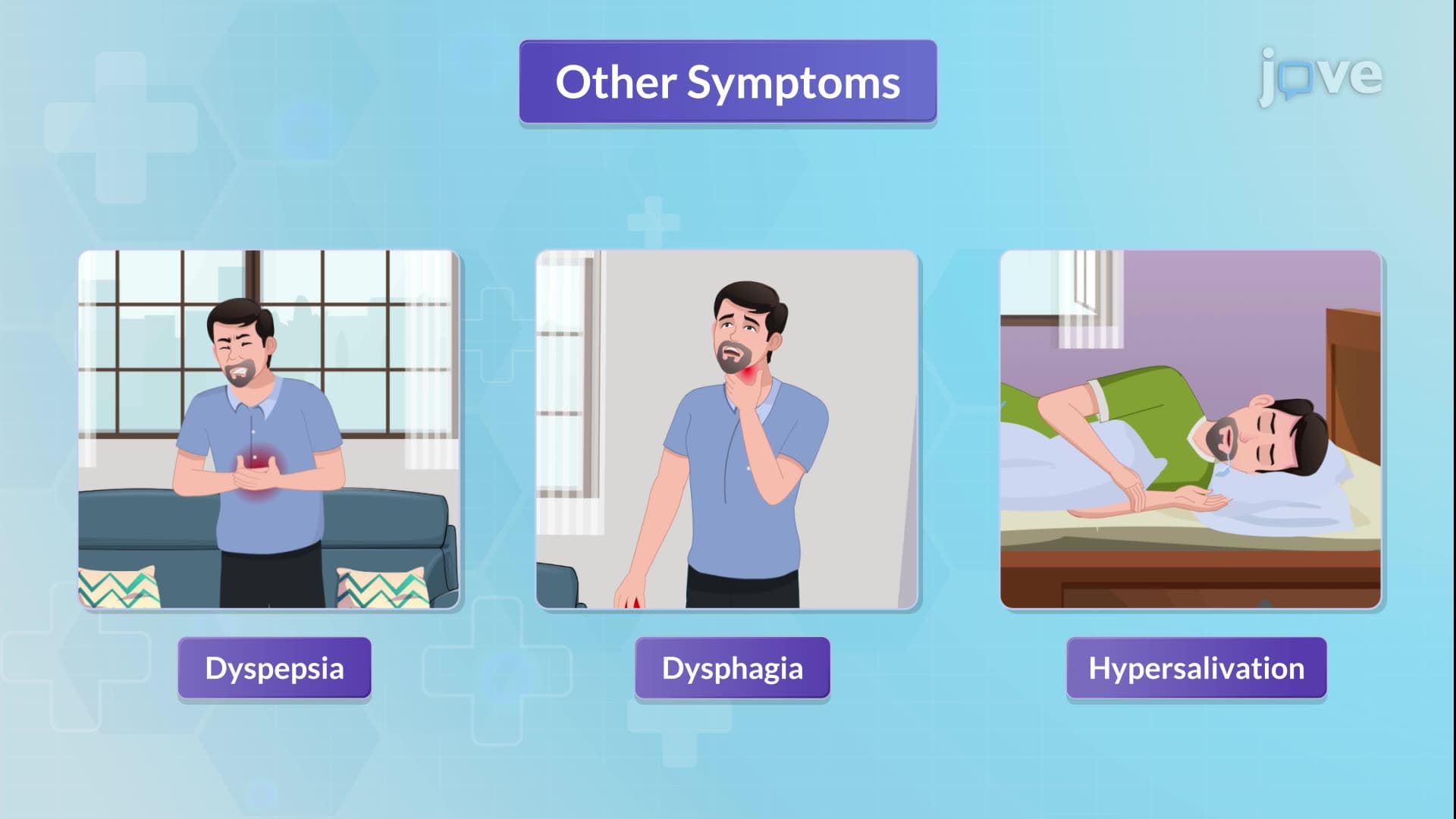

Video Summary: Gastroesophageal Reflux Disease Ii Clinical Explained
Did you know that over 20% of Americans experience heartburn at least twice weekly, making gastroesophageal reflux disease one of the most common digestive disorders? Gastroesophageal reflux disease ii clinical encompasses the comprehensive study of GERD's symptoms, diagnostic methods, and treatment approaches that healthcare providers use daily. From the classic burning sensation behind the breastbone to advanced surgical interventions like fundoplication performed at major medical centers like Mayo Clinic, understanding this condition is essential for future healthcare professionals. Watch the full video on JoVE Coach to master this concept with expert-led visuals and step-by-step explanations.
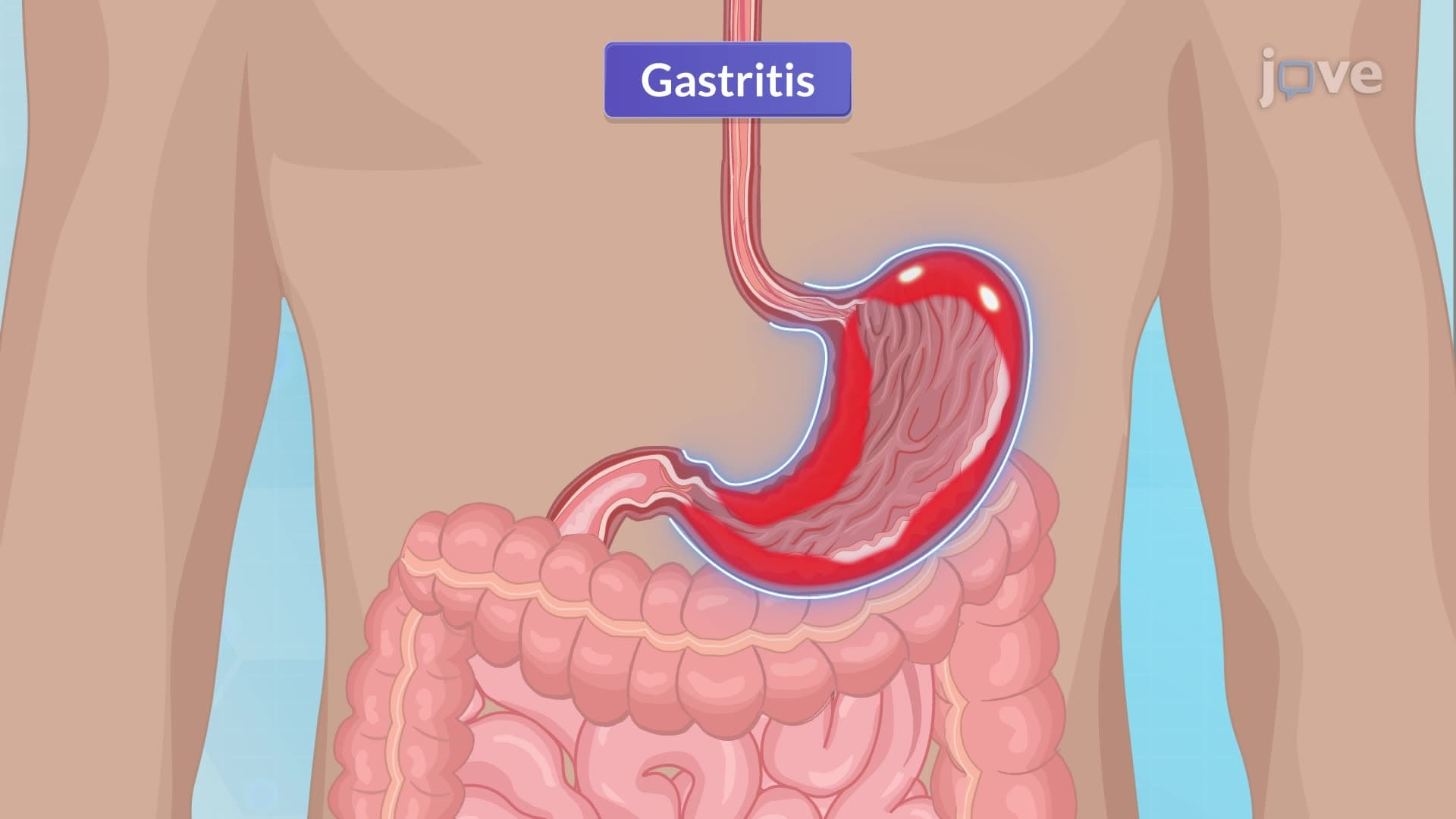
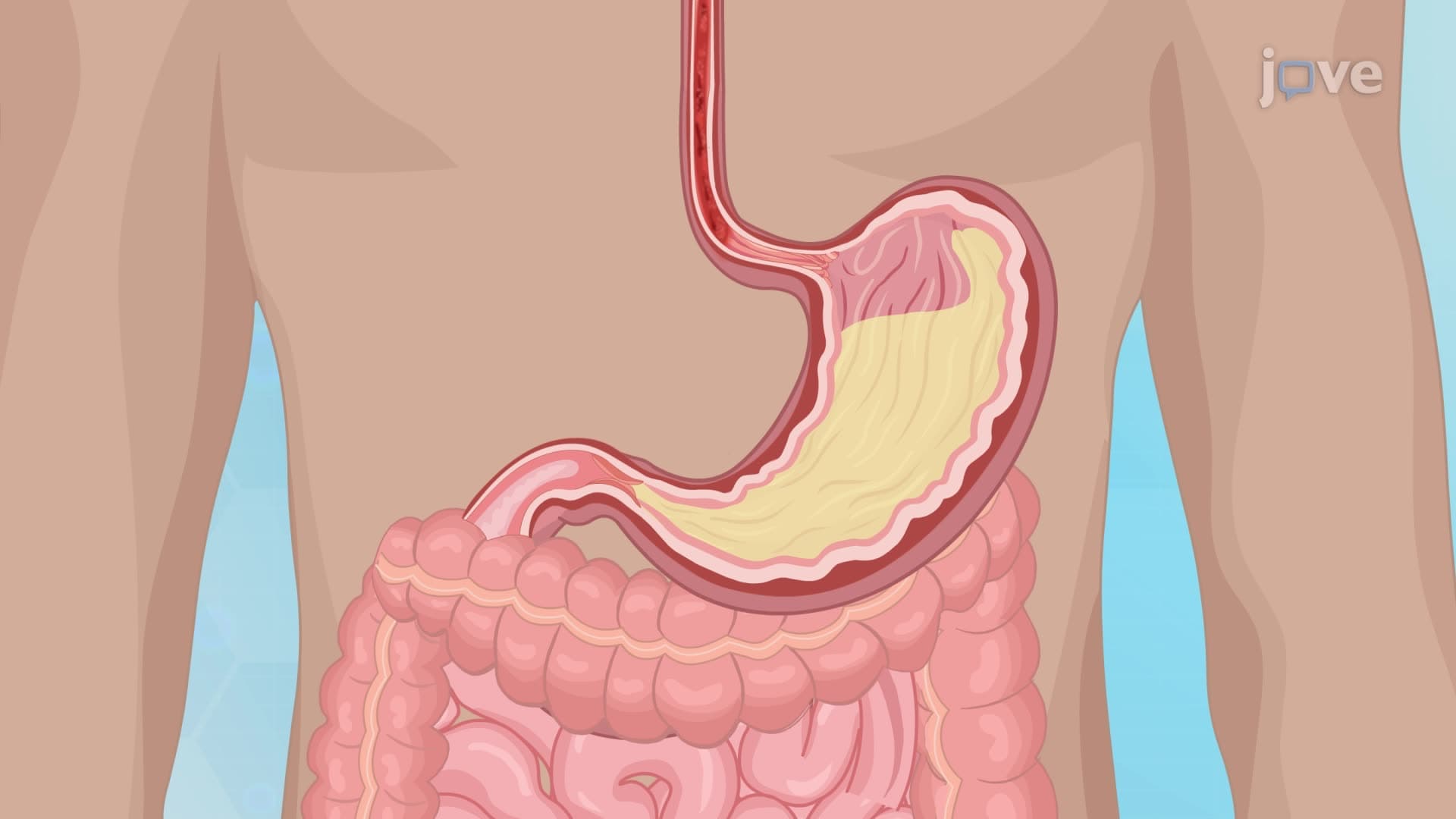
Gastroesophageal reflux disease represents a chronic condition where stomach contents repeatedly flow backward into the esophagus, causing tissue irritation and characteristic symptoms. The clinical presentation extends far beyond simple heartburn, encompassing a complex array of gastrointestinal and extra-esophageal manifestations that require systematic evaluation.
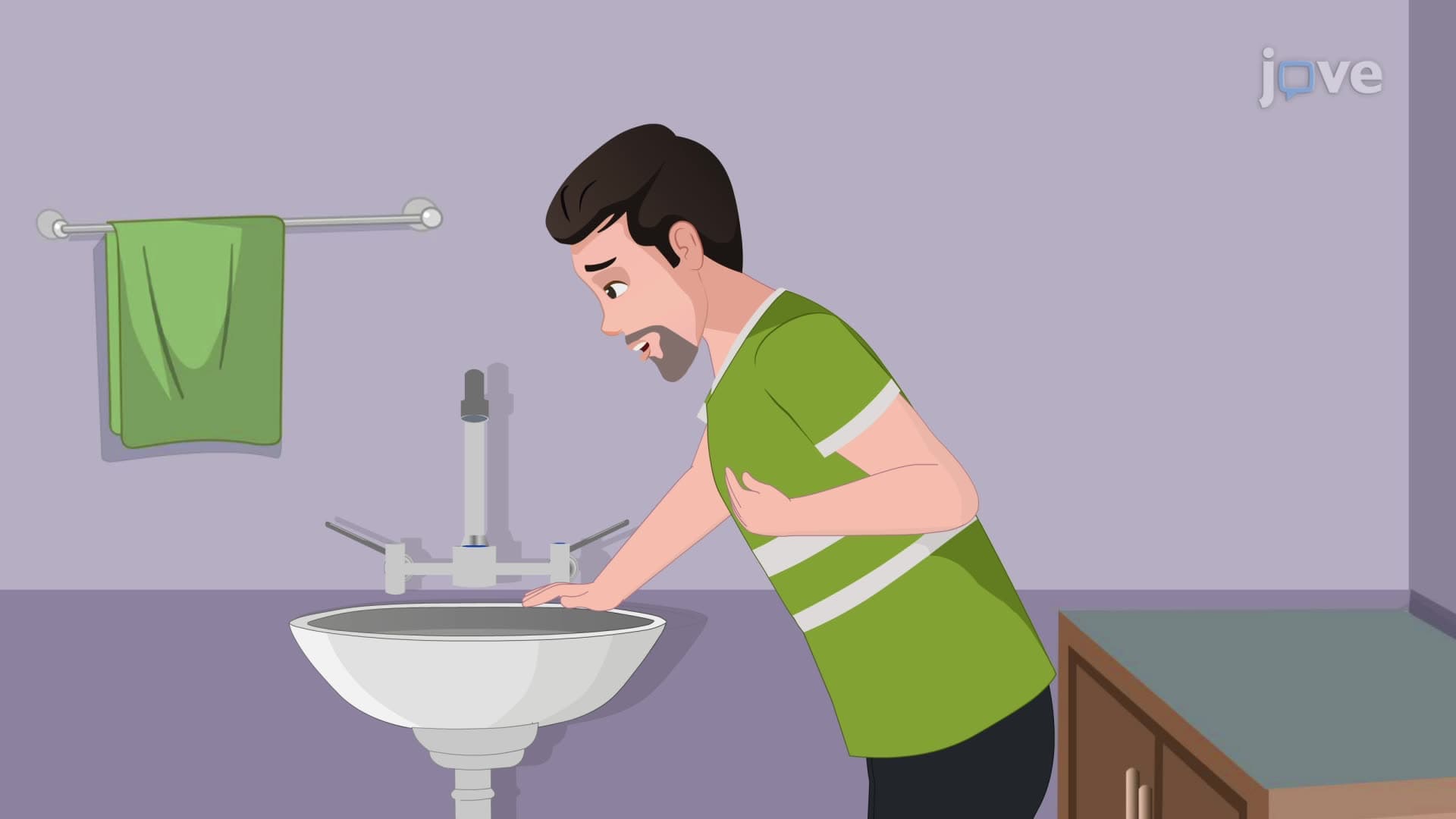
The hallmark symptom, pyrosis, manifests as an intermittent burning sensation radiating from the sternum toward the throat. This occurs when hydrochloric acid from the stomach contacts the sensitive esophageal mucosa, which lacks the protective mechanisms present in gastric tissue. Regurgitation often accompanies heartburn, presenting as bitter or sour-tasting fluid reaching the throat or mouth.
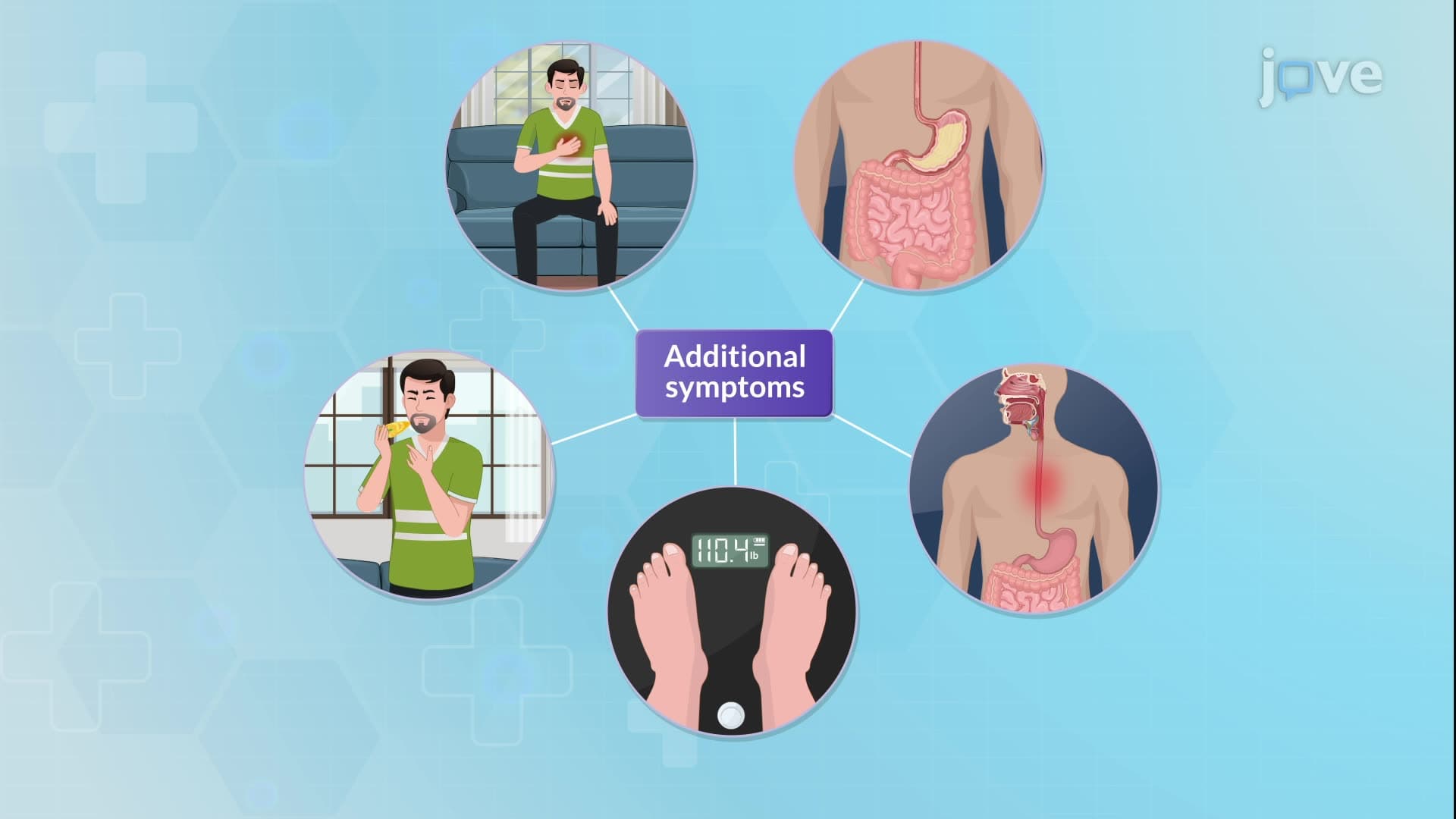
GERD can mimic serious cardiac conditions, particularly in emergency department settings across the United States. The chest pain associated with GERD may present with burning, squeezing, or pressure sensations that radiate to the back, neck, or arms-symptoms nearly identical to myocardial infarction. This diagnostic challenge requires healthcare providers to perform thorough evaluations, often including electrocardiograms and cardiac enzyme testing to rule out life-threatening conditions.
Additional symptoms include dyspepsia (upper abdominal discomfort), dysphagia (difficulty swallowing), hypersalivation, and chronic cough. These extra-esophageal manifestations occur when gastric contents reach the larynx and respiratory tract, causing inflammation and reflex responses.
Modern GERD diagnosis relies on comprehensive patient history, physical examination, and specialized testing. Ambulatory pH monitoring, considered the gold standard, measures esophageal acid exposure over 24-48 hours using a small probe placed through the nose or a wireless capsule attached to the esophageal wall.
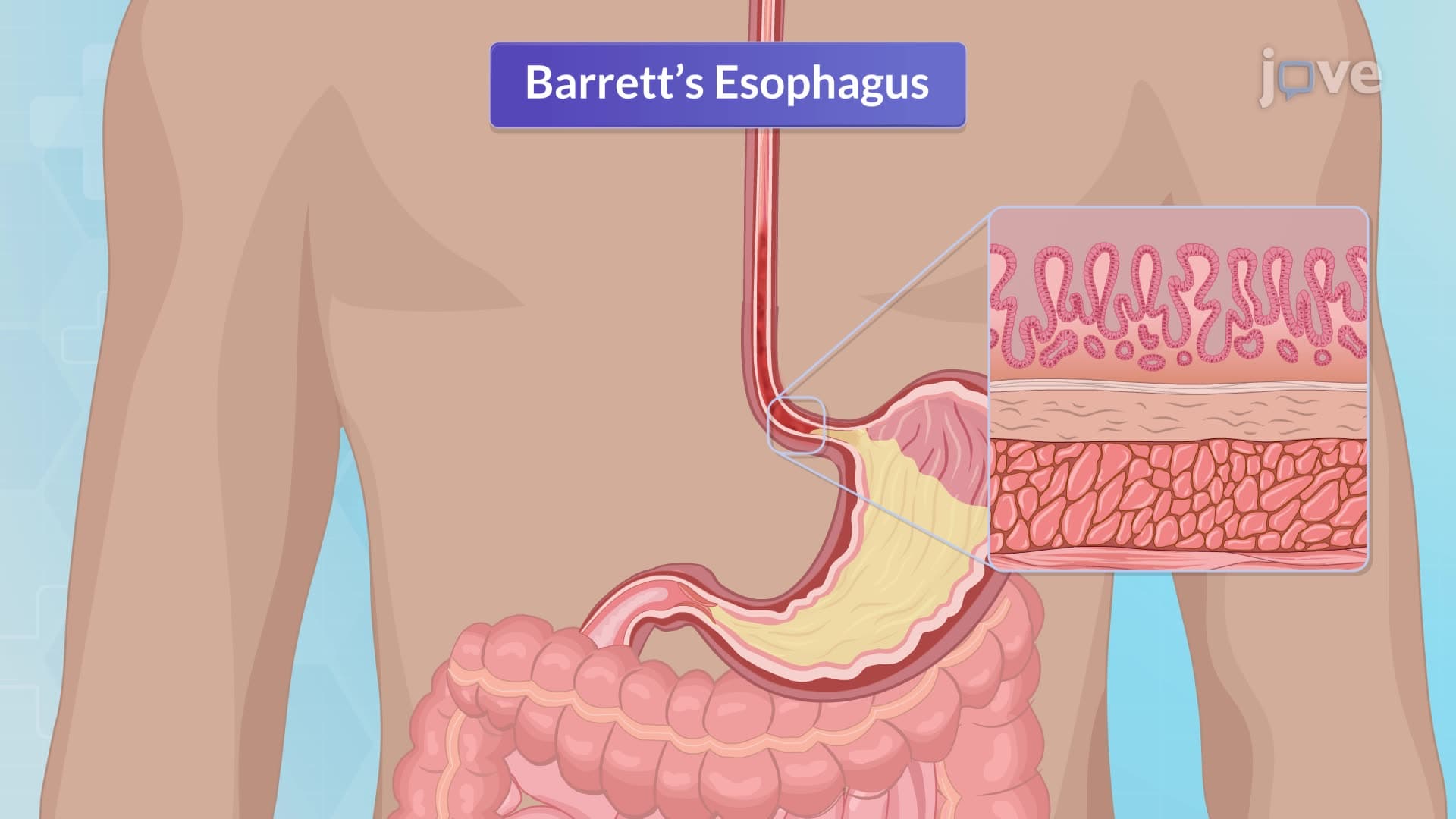
Esophagogastroduodenoscopy (EGD) allows direct visualization of esophageal tissue, identifying inflammation, erosions, or complications like Barrett's esophagus. Barium contrast studies provide structural information about esophageal anatomy and function, particularly useful for detecting hiatal hernias or strictures.
GERD management follows a stepwise approach beginning with lifestyle modifications. Weight loss proves particularly effective, as obesity increases intra-abdominal pressure and promotes reflux. Dietary changes include avoiding trigger foods like citrus, tomatoes, chocolate, and caffeine, while elevating the head of the bed reduces nighttime symptoms.
Pharmacological interventions include proton pump inhibitors (PPIs) like omeprazole and esomeprazole, which significantly reduce gastric acid production. H2 receptor antagonists such as ranitidine provide alternative acid suppression. For refractory cases, surgical options like laparoscopic Nissen fundoplication create an anti-reflux mechanism by wrapping the gastric fundus around the esophagus.
This comprehensive understanding of GERD proves essential for students preparing for healthcare entrance exams like the MCAT, where gastrointestinal pathophysiology questions frequently appear, or for those pursuing nursing programs where NCLEX preparation requires solid knowledge of common medical conditions.
Related Micro-courses