Loading subject page…


3,573 views


Video Summary: What Is Esophageal Perforation I Introduction
Did you know that a forceful sneeze during vomiting can actually cause your esophagus to rupture? Esophageal perforation i introduction explains this life-threatening condition where the esophageal wall breaks, allowing stomach contents to leak into the chest cavity. In US emergency departments, this medical emergency affects thousands annually, with cases ranging from endoscopic procedure complications at major hospitals like Johns Hopkins to traumatic injuries from car accidents. Understanding what is esophageal perforation i introduction helps students grasp both traumatic and non-traumatic causes of this critical condition. Watch the full video on JoVE Coach to master this concept with expert-led visuals and step-by-step explanations.
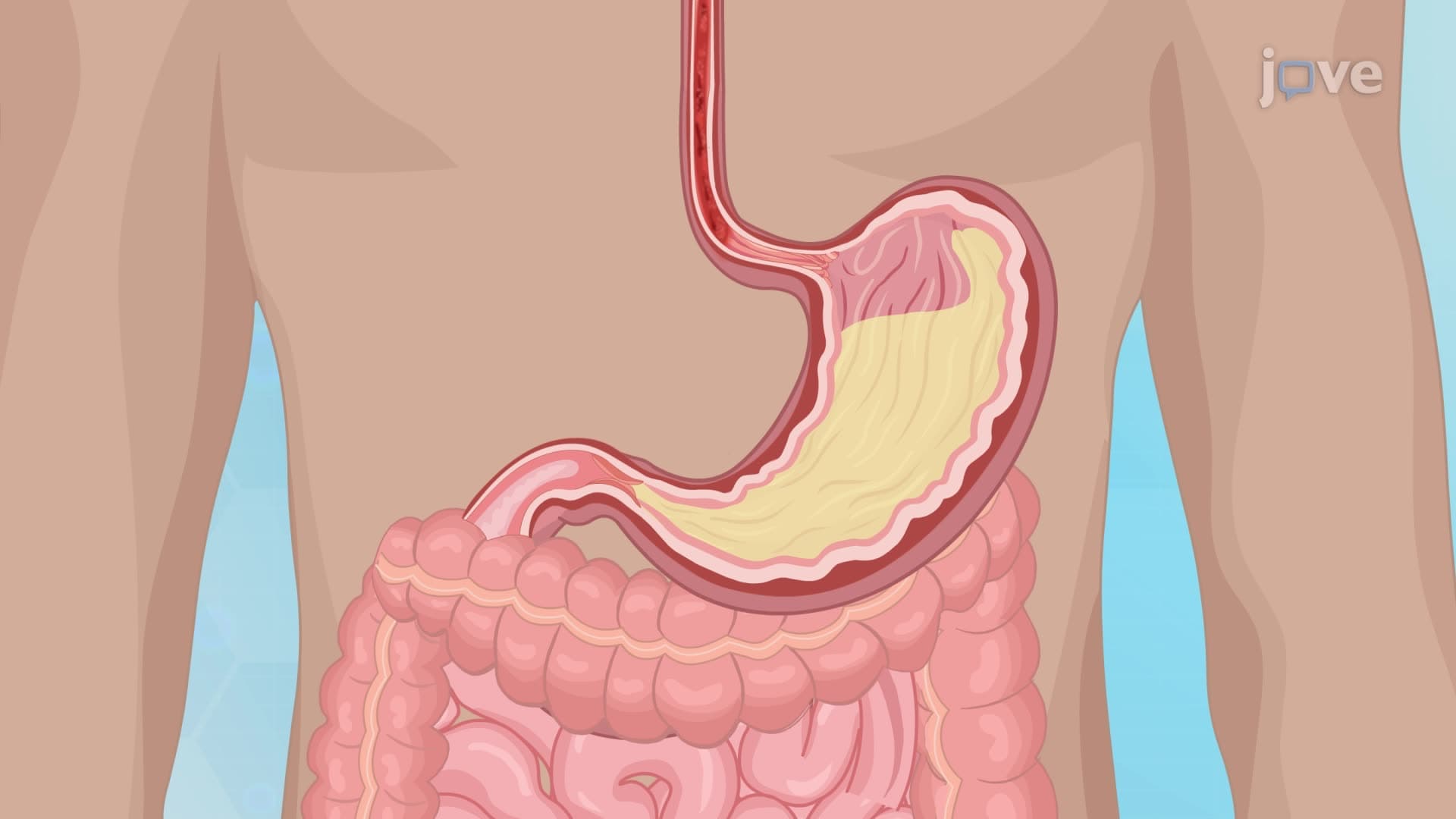
What is esophageal perforation i introduction begins with understanding the esophagus as a muscular tube connecting the throat to the stomach. This 10-inch structure has a relatively thin wall compared to other digestive organs, making it vulnerable to rupture under certain conditions. When perforation occurs, the normal barrier between the digestive tract and surrounding structures breaks down, creating a medical emergency that requires immediate intervention.
The esophageal perforation i introduction definition encompasses any breach in the esophageal wall that allows contents to escape into surrounding tissues. This can happen anywhere along the esophagus, but certain locations are more susceptible due to anatomical factors. The upper esophageal sphincter area, mid-esophagus near the aortic arch, and lower esophageal sphincter region represent common perforation sites.
Traumatic esophageal perforation represents a significant concern in US healthcare settings. Iatrogenic injuries-those caused by medical procedures-account for approximately 75% of all esophageal perforations. During upper endoscopy procedures performed at hospitals across America, from Massachusetts General to UCLA Medical Center, the endoscope can inadvertently puncture the esophageal wall, particularly in patients with underlying esophageal disease or anatomical abnormalities.
Foreign body ingestion presents another major traumatic cause. The American Association of Poison Control Centers reports thousands of cases annually where sharp objects like chicken bones, fish bones, or accidentally swallowed metallic items cause esophageal tears. These cases frequently present to emergency departments, making this knowledge crucial for pre-med students preparing for the MCAT or nursing students studying for the NCLEX-RN exam.
Understanding esophageal perforation i introduction requires grasping how spontaneous rupture can occur. Boerhaave syndrome, named after Dutch physician Hermann Boerhaave, represents the classic spontaneous esophageal rupture scenario. This occurs when rapid increase in intra-esophageal pressure during forceful vomiting overcomes the structural integrity of the esophageal wall.
The mechanism involves a sudden, dramatic pressure spike-sometimes exceeding 200 mmHg-that occurs when the upper esophageal sphincter fails to relax during retching. This pressure differential causes the esophageal wall to rupture, typically in the lower third where the wall is thinnest. Students studying for AP Biology or college anatomy courses should understand how this pressure-volume relationship applies to hollow organ injuries.
Chemical burns from caustic ingestion represent another non-traumatic cause. Household cleaners, drain openers, and accidentally ingested button batteries can cause severe esophageal damage leading to perforation. The alkaline or acidic nature of these substances creates tissue necrosis, weakening the esophageal wall and predisposing to delayed perforation even days after initial exposure.
Related Micro-courses