Loading subject page…


3,573 views


Video Summary: What Is Esophageal Strictures I Introduction
Did you know that swallowing difficulties affect over 15 million Americans annually, often due to esophageal narrowing? Esophageal strictures i introduction covers the fundamental concept of abnormal esophageal narrowing, from mild constriction to complete blockage. Chronic acid reflux remains the leading cause, as seen in patients at Johns Hopkins Hospital where GERD-related strictures account for 80% of cases. Understanding what is esophageal strictures i introduction reveals how inflammation, scarring, and various medical conditions create this serious digestive disorder. Watch the full video on JoVE Coach to master this concept with expert-led visuals and step-by-step explanations.
Esophageal strictures i introduction begins with understanding the esophagus as a 25-centimeter muscular tube connecting the pharynx to the stomach. Normal esophageal diameter ranges from 15-25 millimeters, but strictures can narrow this passage to less than 13 millimeters, creating significant swallowing difficulties. The esophageal wall consists of four layers: mucosa, submucosa, muscularis propria, and adventitia. When inflammatory processes or direct injury affects these layers, particularly the mucosa and submucosa, healing often involves fibrosis and scarring that permanently narrows the lumen.
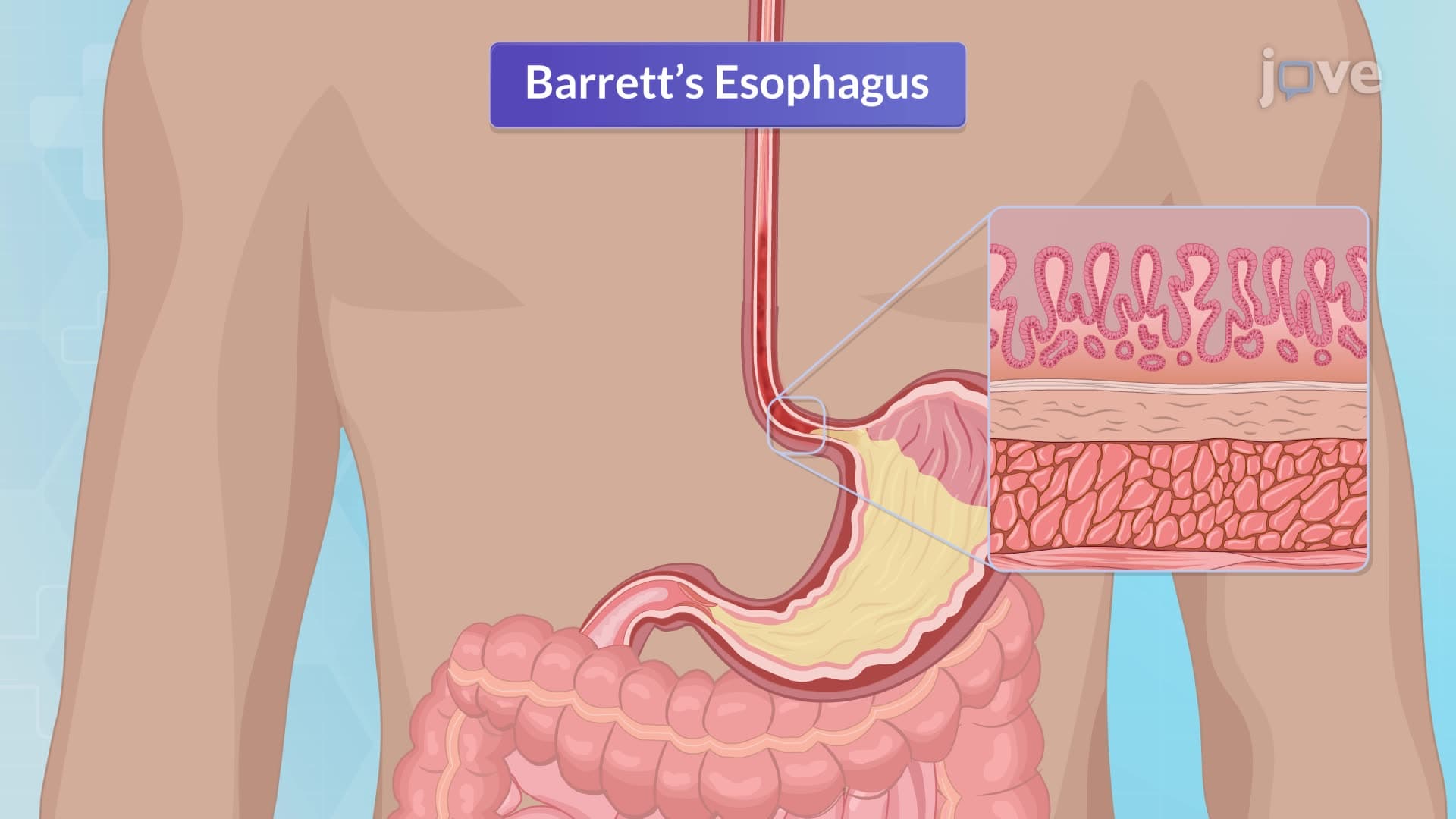
The esophageal strictures i introduction definition encompasses multiple pathways leading to luminal narrowing. Gastroesophageal reflux disease (GERD) represents the most common mechanism, affecting over 20% of US adults. Chronic acid exposure creates a cycle of inflammation, ulceration, and healing that deposits collagen in abnormal patterns. The Cleveland Clinic reports that patients with Barrett's esophagus, a GERD complication, develop strictures in 10-15% of cases. This process typically occurs in the distal esophagus where acid contact is most prolonged.
Caustic injury presents a different mechanism entirely. The American Association of Poison Control Centers documents approximately 2,000 caustic ingestion cases annually in the US. Acids cause coagulative necrosis, creating an eschar that may actually limit deeper tissue penetration. Conversely, alkalis produce liquefactive necrosis, allowing deeper tissue penetration and more extensive damage. Both mechanisms ultimately trigger inflammatory cascades leading to stricture formation during the healing phase, typically 2-8 weeks post-injury.
What is esophageal strictures i introduction in detail becomes crucial for students preparing for healthcare careers. Medical schools across the US, including Harvard Medical School and Mayo Clinic Alix School of Medicine, emphasize this topic in gastroenterology rotations. The MCAT frequently includes questions about esophageal pathophysiology, while the USMLE Step 1 tests understanding of stricture formation mechanisms.
Nursing students preparing for the NCLEX-RN encounter esophageal strictures in medical-surgical nursing contexts. The concept appears in patient care scenarios involving dysphagia, nutritional management, and post-procedural complications. Understanding these fundamentals helps students recognize when patients require immediate intervention versus routine monitoring.
The esophageal strictures i introduction study guide extends beyond common causes to include emerging mechanisms. Eosinophilic esophagitis, once considered rare, now affects 1 in 2,000 Americans according to recent epidemiological studies. This allergic condition demonstrates how immune-mediated inflammation creates ring-like strictures, particularly in young males with food allergies. The Mayo Clinic has pioneered dietary elimination protocols that can prevent stricture progression when implemented early.
Radiation-induced strictures present unique challenges in cancer care. The MD Anderson Cancer Center reports that 5-10% of patients receiving thoracic radiation develop esophageal strictures within 6-24 months post-treatment. Understanding this timeline helps healthcare providers anticipate complications and implement preventive strategies.
Related Micro-courses