Loading subject page…


5,675 views
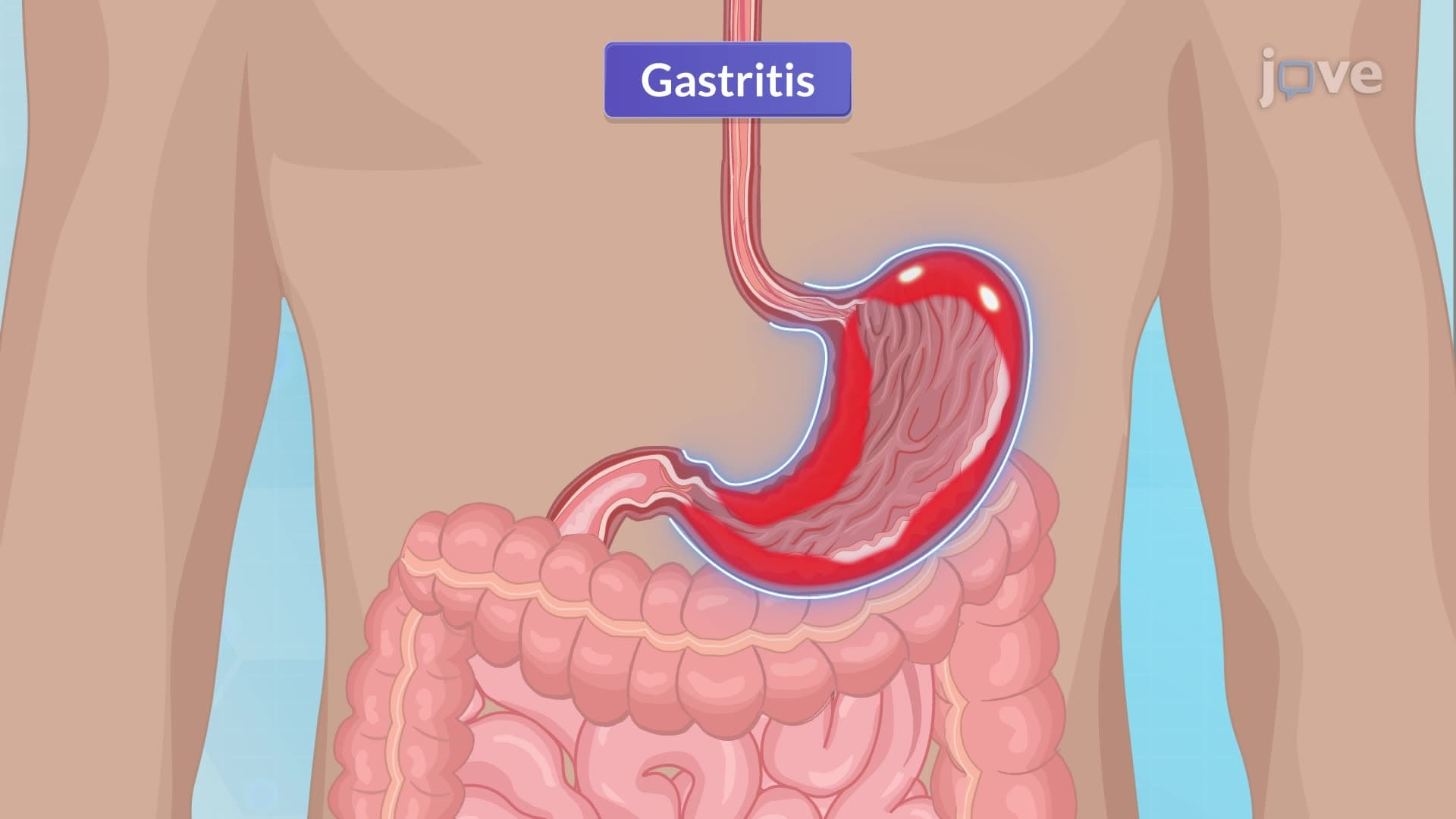

Video Summary: Gastritis I Introduction and Types Explained
Did you know that over 2 billion people worldwide suffer from gastritis, making stomach lining inflammation one of the most common digestive disorders? Gastritis I Introduction And Types encompasses three distinct forms of stomach inflammation that affect millions of Americans annually. From the acute gastritis seen in emergency rooms after alcohol poisoning cases to the chronic form linked to Helicobacter pylori infections prevalent in US healthcare settings, understanding these variations is crucial for medical students and healthcare professionals. Watch the full video on JoVE Coach to master this concept with expert-led visuals and step-by-step explanations.
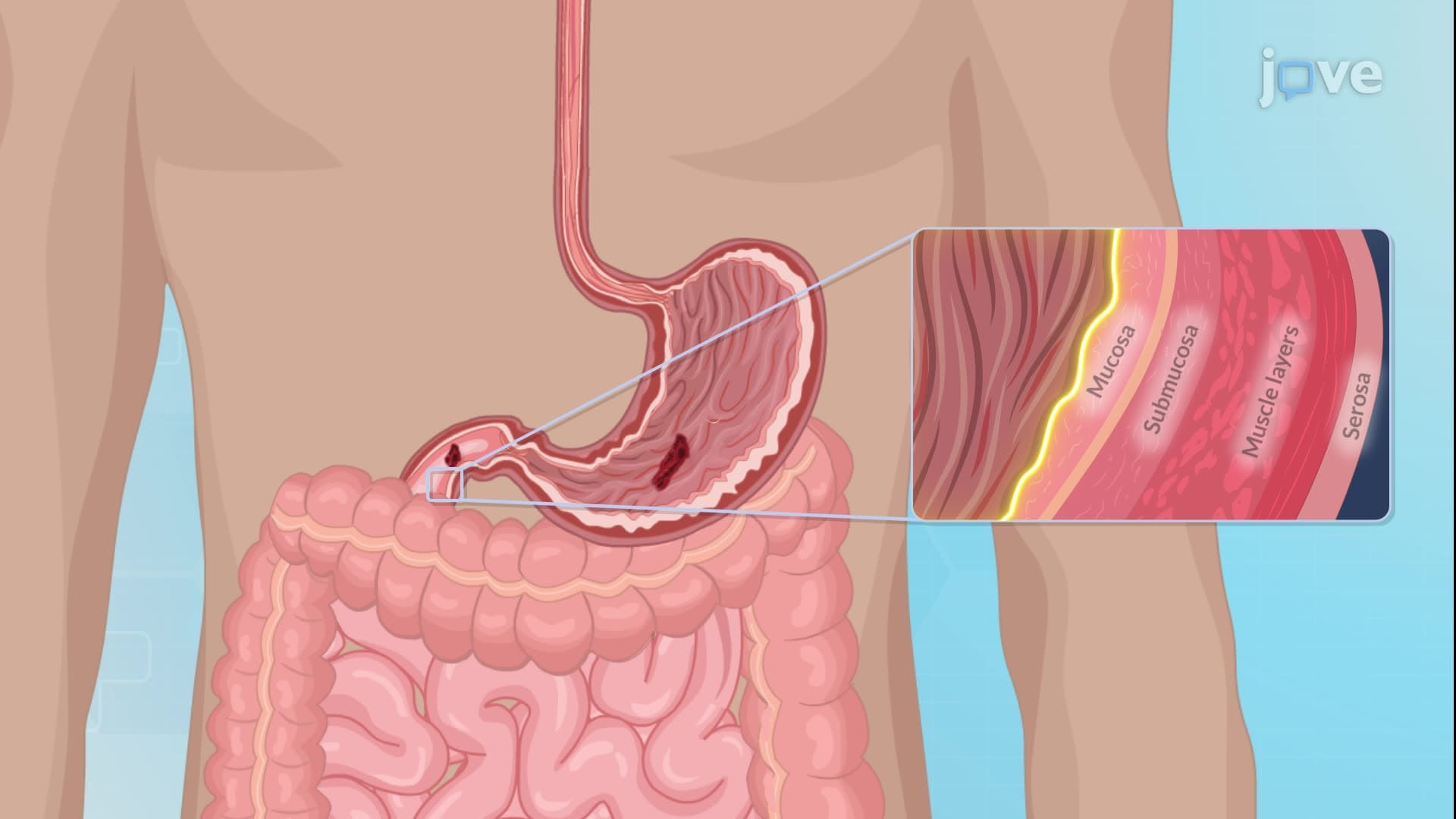
Gastritis represents a complex inflammatory condition affecting the gastric mucosa that medical professionals encounter frequently in US healthcare settings. The classification system divides gastritis into three primary categories based on onset, duration, and underlying mechanisms, each requiring distinct diagnostic and therapeutic approaches.
Acute gastritis manifests as sudden inflammation of the stomach lining, typically developing within hours to days of exposure to irritating agents. In US emergency departments, healthcare providers commonly encounter cases triggered by alcohol consumption, particularly during college campus incidents or holiday celebrations. The condition can present as hemorrhagic gastritis, characterized by bleeding and erosions visible on endoscopy, or non-hemorrhagic gastritis, showing inflammation without bleeding complications.
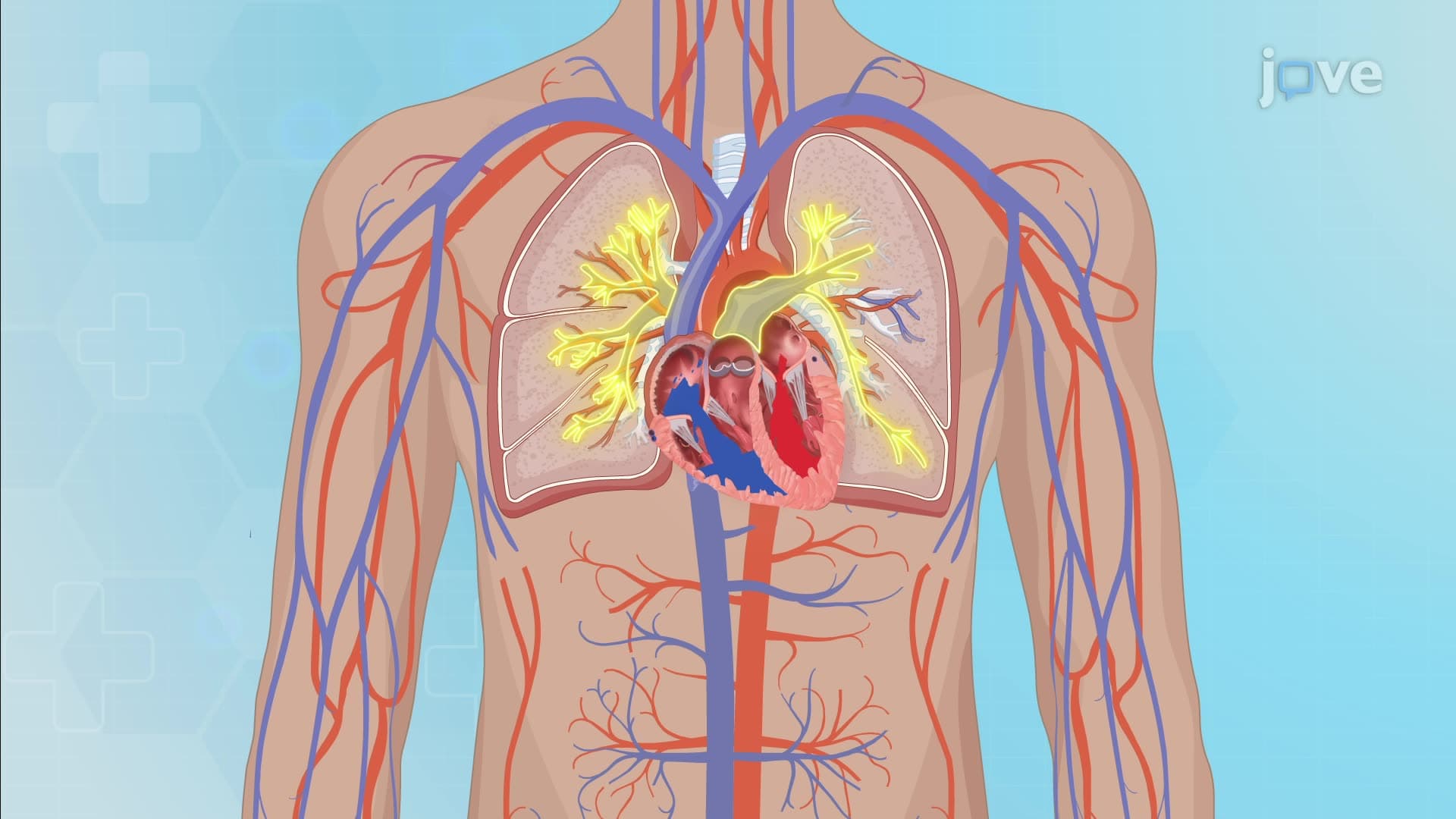
Medications frequently implicated in acute gastritis include cardiac glycosides like digoxin, commonly prescribed for heart failure patients in US cardiology practices. Radiation therapy, utilized in cancer treatment centers across major US medical systems like Mayo Clinic and Cleveland Clinic, can also trigger acute gastric inflammation. Students preparing for the MCAT or medical school examinations should understand that severe burns and uremia create systemic conditions leading to acute gastritis through compromised gastric blood flow and metabolic disturbances.
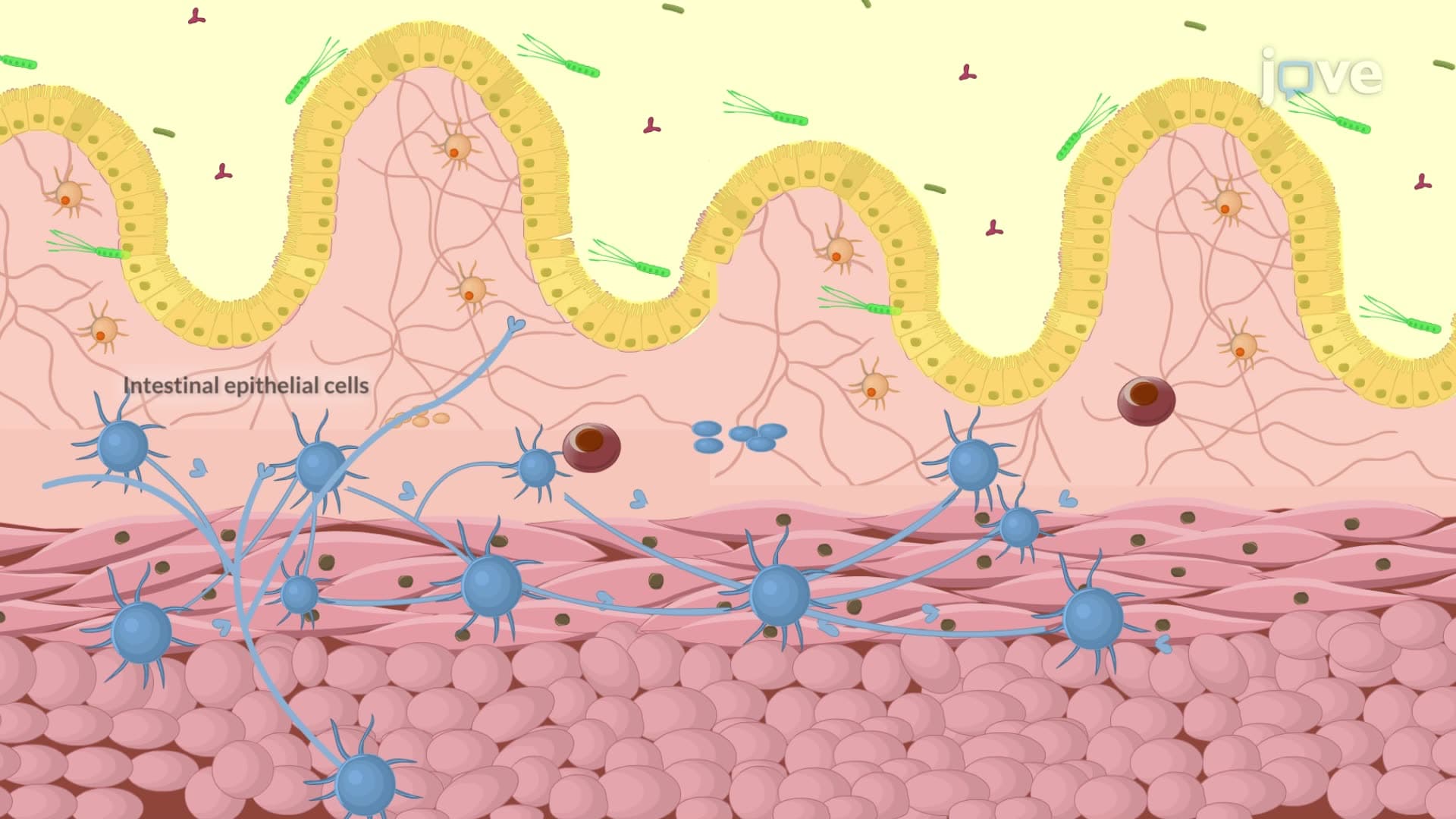
Chronic gastritis develops gradually over months to years, representing a significant clinical concern in US gastroenterology practices. Helicobacter pylori infection stands as the predominant cause, affecting approximately 35% of the US population according to CDC data. This bacterial infection creates a persistent inflammatory environment that can progress to peptic ulcer disease and, in rare cases, gastric malignancy.
Autoimmune gastritis, particularly associated with conditions like Hashimoto's thyroiditis, demonstrates the interconnected nature of immune system disorders. US medical students studying for USMLE Step 1 should recognize that autoimmune gastritis can lead to vitamin B12 deficiency and pernicious anemia through destruction of intrinsic factor-producing parietal cells.
Reactive gastritis results from chemical irritation rather than infectious or autoimmune processes. Prolonged aspirin use, common among US cardiac patients following American Heart Association guidelines, frequently triggers this condition. The inflammatory response remains relatively mild compared to other forms, often presenting asymptomatically until detected through routine endoscopic screening in high-risk patients.
Related Micro-courses